

Antalya Yaşam Hospital
Private hospital in Muratpaşa, Antalya, with an orthopedics and traumatology department
Key takeaways
- 1Antalya Yaşam Hospital is a private hospital in the Muratpaşa district of Antalya, and the official contact page publishes its address as Şirinyalı Mahallesi, 1487 Sokak No:4.
- 2The hospital belongs to the Yaşam Hastaneleri (Yaşam Hospitals) group, which lists six hospitals: three in Muratpaşa, plus Alanya, Kemer and Manavgat.
- 3The group's orthopedics and traumatology page names seven sub-branches: hand and upper limb, spine, trauma, arthroscopy and sports injuries, joint replacement, paediatric orthopedics and orthopedic tumour surgery.
- 4That page is written for the group's orthopedic clinics as a whole, so confirm in writing that your operation and stay will be at Antalya Yaşam Hospital itself.
- 5The group's website describes an international patient department that can help with accommodation, interpreters and financial arrangements.
- 6Acute injuries are treated locally first; travelling to Antalya suits stable, planned cases after a records review.
About Antalya Yaşam Hospital
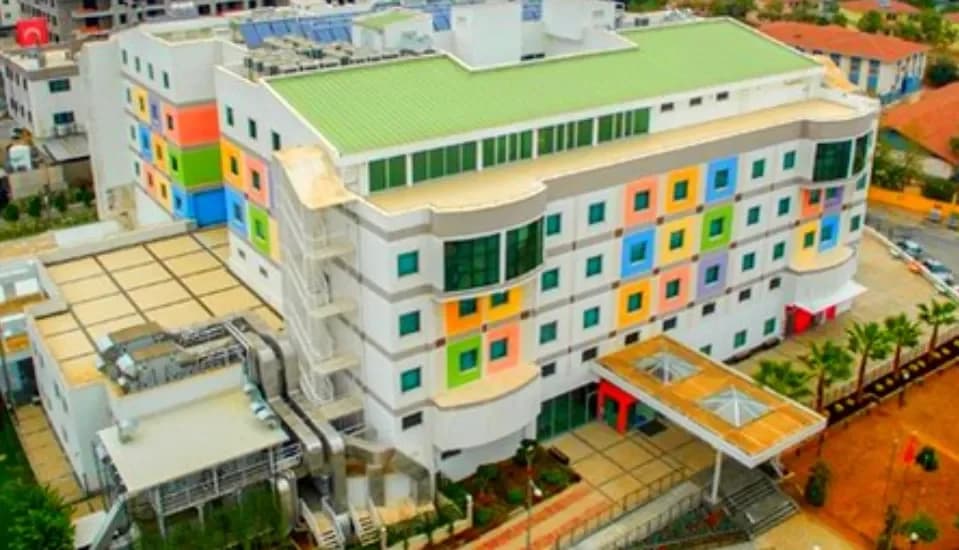
Antalya Yaşam Hospital is a private general hospital in Muratpaşa, the central district of Antalya on turkey's Mediterranean coast. Its address, as published on the Yaşam Hastaneleri contact page, is Şirinyalı Mahallesi, 1487 Sokak No:4. The hospital's own page lists a wide set of departments, among them orthopedics and traumatology, radiology, anaesthesiology, physical therapy and rehabilitation, cardiology and emergency services.
For an international orthopedic patient, the relevant part is the orthopedics and traumatology department, which sits inside a multi-specialty hospital rather than a stand-alone bone and joint clinic. That matters for planning. A patient with heart disease, diabetes or a lung condition may need input from neighbouring departments. The hospital's department list shows that several of those specialties exist under the same name. Whether a given specialist is available on the day of your surgery is something the coordinator must confirm.
Where it sits in the Yaşam group
The group's contact page lists six hospitals in Antalya province: Antalya Yaşam Hospital, Akdeniz Sağlık Vakfı (ASV) Yaşam Hospital and Opera Yaşam Hospital in Muratpaşa, plus hospitals in Alanya, Kemer and Manavgat. The orthopedics and traumatology page is written at group level and refers to the clinics of Yaşam Hastaneleri together. The services described there are not necessarily performed at every site. When you ask for a plan, confirm in writing that the operation and the inpatient stay will both take place at Antalya Yaşam Hospital itself.
What the orthopedics page says it covers
The group's orthopedics and traumatology page describes the specialty as covering the joints, bones, muscles and connected tissues from the base of the skull to the fingertips. It lists these sub-branches: hand and upper-limb surgery, spine surgery, trauma surgery, arthroscopic operations and sports traumatology, arthroplasty (joint replacement), paediatric orthopedics and orthopedic tumour surgery. For joint replacement it mentions the shoulder, elbow, hip, knee, ankle and finger joints. For arthroscopy it mentions meniscus tears, anterior cruciate ligament injuries, cartilage problems and synovitis.
The page does not give recovery timetables, implant brands or surgeon case volumes. Your own surgeon will estimate recovery for you. Treat any figure you read elsewhere as general orientation only.
Why a patient might consider it
Antalya is one of the most visited cities in turkey, with a large international airport and a long tourist season. Travel logistics are usually straightforward for patients arriving from Europe, the Middle East and beyond. The group's website states that it has an international patient department and says it accepts patients from 115 countries. Patients who want a coastal setting for recovery may find the profile of Antalya Yaşam Hospital worth reviewing.
It is not the right answer for everyone. The public pages we could read do not publish robotic platforms, implant brands, surgeon-by-surgeon case volumes or outcome statistics, so those points need direct questions. Orthopedics Abroad can help you put those questions in writing through a free quote request and compare the answer with other options in the hospital directory.
This page is an independent profile compiled from the hospital's published information and general references. Orthopedics Abroad is a coordination platform; the hospital is available through Orthopedics Abroad's network, and every clinical decision remains with the treating surgeon.
Antalya Yaşam Hospital is one of several hospitals run under the Yaşam Hastaneleri name, a regional private healthcare group in Antalya province. The group's website says it works from three hospitals in the centre of Antalya plus further hospitals in Kemer, Manavgat and Alanya. We could not read a dated history on the official site. This page therefore does not state when the hospital or the group was founded or how many beds it has. Ask the coordinator for the current figures if they matter to you.
Location and character
The hospital's published address is Şirinyalı Mahallesi, 1487 Sokak No:4, in the Muratpaşa district. The group's footer lists the call-centre number 444 77 44. Muratpaşa is the urban core of Antalya, home to the old town of Kaleiçi, the Konyaaltı and Lara beach strips on either side, and many hotels and apartments. Şirinyalı is a residential and commercial neighbourhood in this area rather than a resort strip. Visitors will find everyday shops, cafés and pharmacies close by.
The pages we could read do not state the number of beds or operating rooms. The right question is not "is it big" but "does it have what my particular case needs". Ask which operating theatre, ward and intensive care arrangements apply to your operation.
Departments around orthopedics
The hospital's own page lists departments including emergency and ambulance services, anaesthesiology and reanimation, radiology, physical therapy and rehabilitation, cardiology, internal medicine, neurology, brain and nerve surgery, general surgery, plastic and reconstructive surgery, and neonatal intensive care. For a patient preparing for joint surgery, three supporting services matter most: imaging for planning, anaesthesia and intensive care for safety, and physiotherapy for recovery.
On trauma, the group's orthopedics page says patients are assessed with three-Tesla MRI and three-dimensional computed tomography and that up-to-date operating materials are used. The same page says joint replacement is carried out in the group's operating theatres in coordination with the physical therapy and rehabilitation department. Numbers of operating rooms and intensive care beds are not published on the pages we could read.
Quality and safety systems
The official pages we could read do not set out accreditation or certificate details for this hospital, so we do not state any. A hospital may hold Ministry of Health authorisations, ISO certificates or international accreditation. Each of these should be shown to you as a current document. Ask for copies and issue dates before you travel, and read our questions to ask before surgery abroad before you sign anything.
Institution-wide systems, in any case, do not tell you how many knee replacements a given surgeon performs each year or how the infection rate compares with other hospitals. Ask for the unit-level information as well.
Insurance and payers
The pages we could read do not say which insurers the hospital works with. The group's international patient department is described as helping with financial transactions, so ask it which payment and insurance arrangements apply. Overseas patients should not assume that an insurer at home will pay. Check with your insurer whether treatment abroad is covered and whether pre-authorisation is needed.
Emergency care
The group's website lists emergency polyclinics as open around the clock. That service is for people who are already in Antalya. If you are injured at home, or suffer an acute fracture, you should be treated at the nearest emergency department first. Medical travel is for stable, planned problems after the acute phase has passed.
Photos of Antalya Yaşam Hospital
Orthopedics and traumatology at Antalya Yaşam Hospital
The orthopedics and traumatology department at Antalya Yaşam Hospital sits within a group service that lists hand and upper-limb surgery, spine surgery, trauma, arthroscopy, joint replacement, paediatric orthopedics and tumour surgery, according to the group's own orthopedics page. The wording is general, so the table below shows only what the page mentions, with links to our own explainer pages for each procedure.
| Service area | What the group's page describes | Our guide |
|---|---|---|
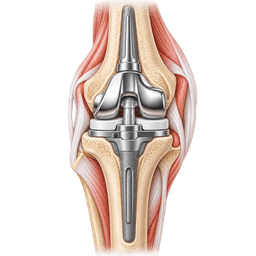
| Knee replacement | Replacement of worn joint surfaces with a mechanical joint, knee included | Total knee replacement |
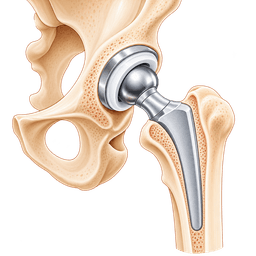
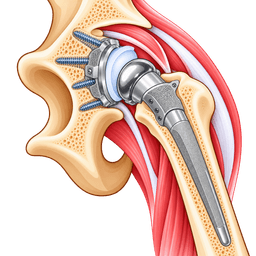
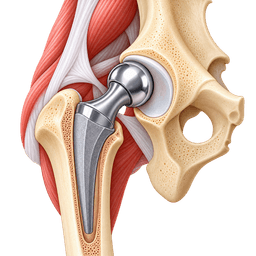
| Hip replacement | Replacement of worn joint surfaces, hip included | Total hip replacement |
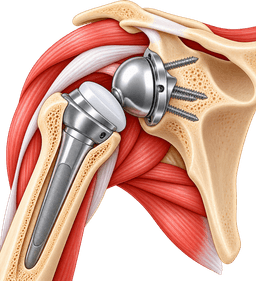
| Shoulder replacement | Shoulder listed among replaceable joints | Total shoulder replacement |
| Ligament surgery | Arthroscopic treatment of anterior cruciate ligament injuries | ACL reconstruction |
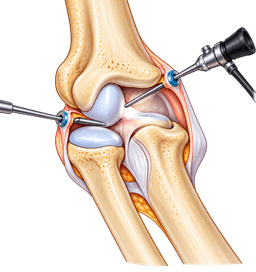
| Knee arthroscopy | Keyhole surgery for meniscus tears, cartilage defects and synovitis | Knee arthroscopy |
| Meniscus | Meniscus tears treated arthroscopically | Meniscus repair |
| Cartilage | Cartilage diseases and defects listed under arthroscopic operations | Cartilage restoration |
| Other joints | Arthroscopy of the shoulder, knee, hip and ankle | Shoulder arthroscopy |
| Hand and upper limb | Tendon and nerve injuries, replantation, fractures of the hand, wrist, forearm and elbow | Hand and wrist |
Knee surgery
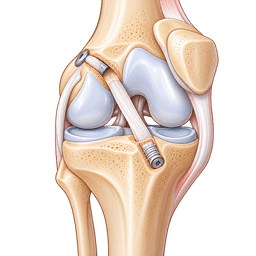
For the knee, the group's page mentions arthroscopic operations for meniscus tears, anterior cruciate ligament injuries and cartilage problems, and joint replacement among its arthroplasty services. Patients with a torn meniscus can read more at meniscus repair and meniscus tear, while those with a cruciate injury can start with ACL tear and knee arthroscopy.
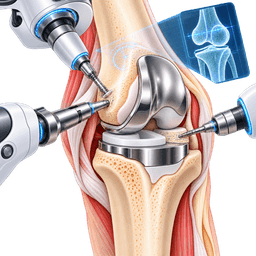
The page does not name an implant manufacturer or say whether computer navigation or robotic assistance is used. Ask both questions, and ask for the implant sticker or passport after surgery so a surgeon at home can identify it later. Our cost explainer for total knee replacement sets out what a quote should include.
Hip surgery
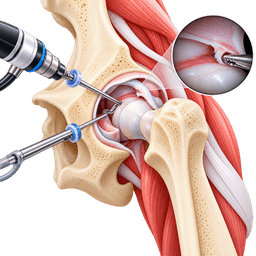
The group's page lists the hip among the joints that can be replaced and among the regions where arthroscopy is performed. Younger, active patients with groin pain may be offered a keyhole assessment; see hip arthroscopy and femoroacetabular impingement. For arthritis, total hip replacement is the standard operation, and the cost guide explains the main price components without quoting numbers.
Shoulder and ankle
The group's page names the shoulder and ankle among arthroscopy sites, and the shoulder, elbow and ankle among replaceable joints. Whether a particular shoulder operation, such as a rotator cuff repair or a reverse replacement, is offered at Antalya Yaşam Hospital is not spelled out. Ask the coordinator. Background is on our shoulder arthroscopy, total shoulder replacement and ankle arthroscopy pages.
Cartilage
Cartilage diseases and defects are listed among the problems treated arthroscopically. The exact techniques are not itemised, so ask which method would be proposed for your lesion size and age, and what the evidence is. Our cartilage restoration page explains the common options in neutral terms.
Hand and upper-limb surgery
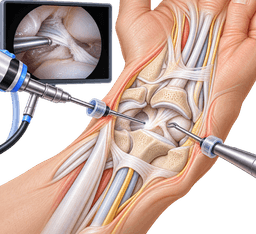
The group lists hand, wrist, elbow and arm surgery, including acute tendon and nerve injuries, replantation and fractures. These are specialised fields. If you need a nerve release, tendon repair or a complex fracture fixation, ask who will perform it and how many similar cases that surgeon handles. Background is available on the hand and wrist and elbow pages.
Spine, paediatric and tumour services
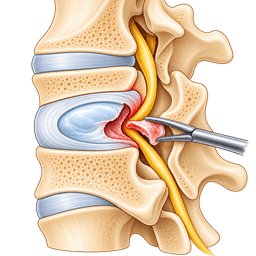
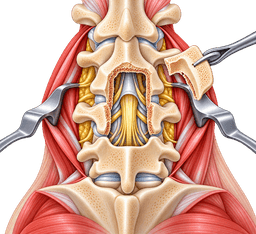
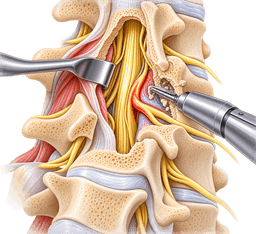
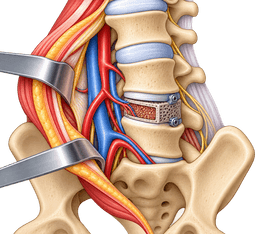
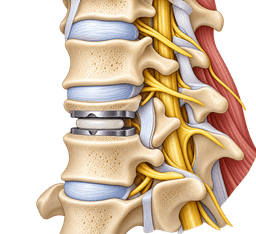
The group's page also describes spine surgery (scoliosis, spinal fractures, spondylolisthesis and disc herniation), paediatric orthopedics for children under 16 and orthopedic tumour surgery. These are broad headings at group level. If you need one of them, ask the coordinator which hospital and which surgeon would carry it out; see our spine overview for general background.
Trauma
The page describes surgical and non-surgical trauma care, from casts and splints to emergency or elective operations. For visitors this is reassuring if you are already in Antalya and are hurt on holiday. It is not a reason to delay emergency treatment at home; see our orthopedics in turkey overview for how planned care is organised.
What the pages do not say
The pages we could read do not give robotic or navigation platforms, implant brands, surgeon numbers, recovery timetables or revision-surgery services. That does not prove they are unavailable, but we do not list them as services. If you need revision surgery or a complex reconstruction, ask directly and request the name of the unit and surgeon that would carry out the operation.
Antalya Yaşam Hospital: accreditations, technology and facilities
Accreditations
- The official pages we could read do not set out accreditation or certificate details for this hospital, so none are stated here.
- The hospital's website does not, in the sections we could read, claim Joint Commission International (JCI) accreditation, and we do not claim one.
- Ask the coordinator for current certificate copies, the issuing body and issue dates before you travel.
- Ask which Ministry of Health authorisations apply to the orthopedic unit that would treat you.
- Unit-level information, such as surgeon experience with your operation, matters more than a general certificate.
Technology
- The group's orthopedics page says trauma patients are assessed with three-Tesla MRI and three-dimensional computed tomography.
- Arthroscopic (keyhole) techniques are described for the knee, shoulder, hip and ankle.
- Joint replacement is described for the shoulder, elbow, hip, knee, ankle and finger joints, without naming a brand.
- Microsurgical techniques are mentioned for replantation in hand and upper-limb surgery.
- Robotic surgery and navigation were not mentioned on the pages we could read, so ask about them directly.
Facilities
- Private hospital in the Muratpaşa district of Antalya at Şirinyalı Mahallesi, 1487 Sokak No:4.
- Part of a group of six hospitals in Antalya province under the Yaşam Hastaneleri name.
- Orthopedics and traumatology department listed among the hospital's departments.
- Emergency and ambulance services, radiology, anaesthesiology and physical therapy and rehabilitation departments are listed.
- The hospital page lists a cafeteria, a prayer room and a cash machine among its possibilities.
- Numbers of beds, operating rooms and intensive care beds are not stated on the pages we could read.
International patient services
- The group's website says it accepts patients from 115 countries.
- An international patient department is described, which says it can help with accommodation, interpreters and financial transactions.
- The department's published hours are Monday to Friday 08:30 to 18:00 and Saturday 08:30 to 15:00; emergency polyclinics are described as open around the clock.
- The group offers a medical second opinion form and an English version of its website.
- Which languages the interpreters cover is not listed; ask which interpreter will be assigned to you.
Orthopedic procedures available at Antalya Yaşam Hospital
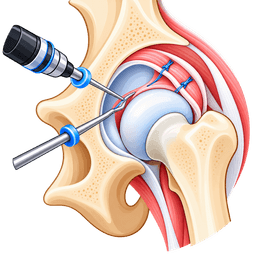
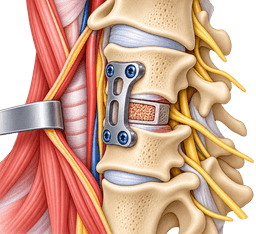
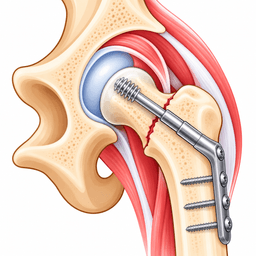
61 procedures listed from the hospital's own pages. Hover to pause, select one to read about it.
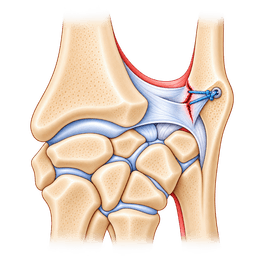
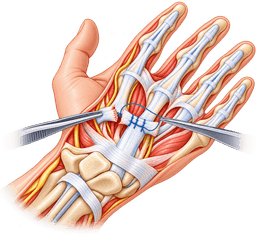
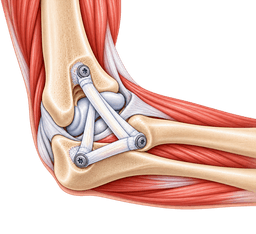
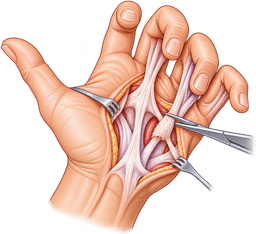
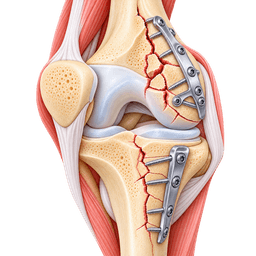
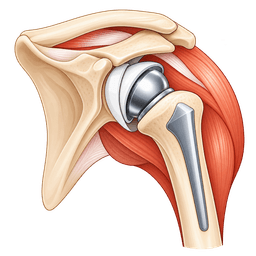
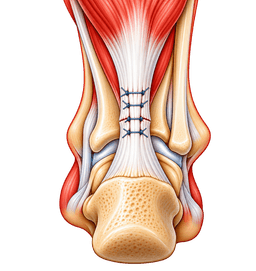
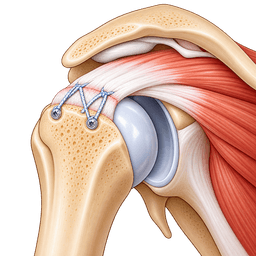
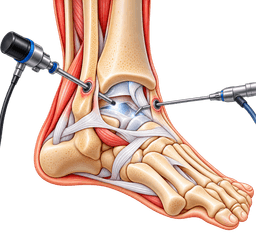
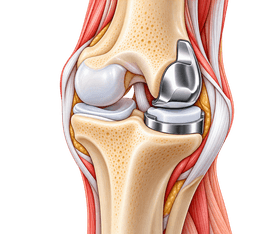
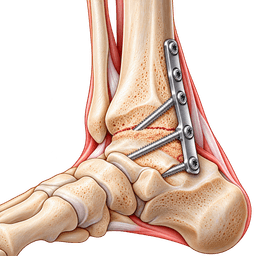
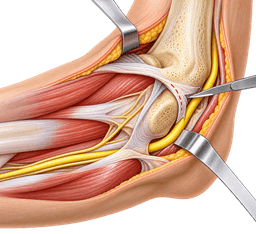
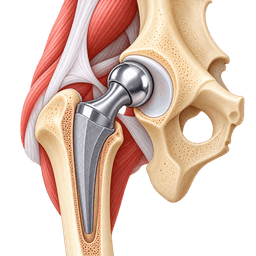
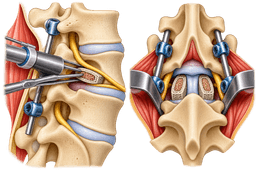
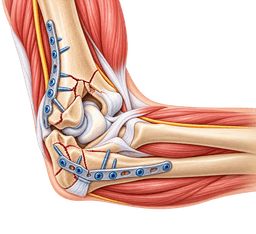
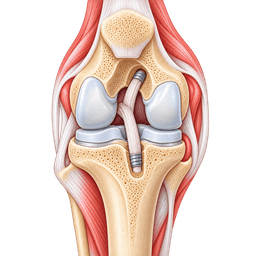
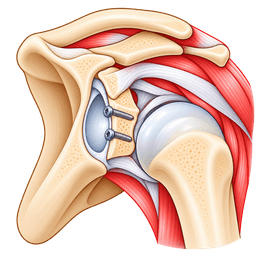
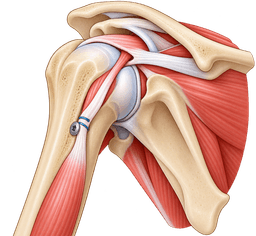
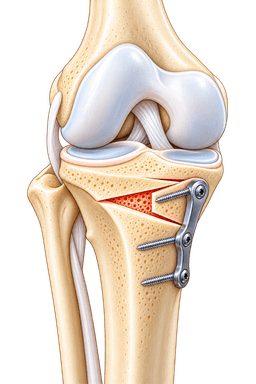
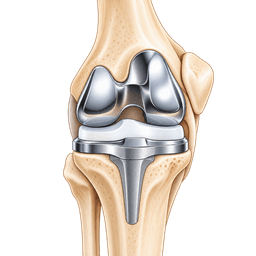
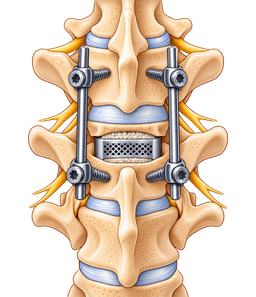
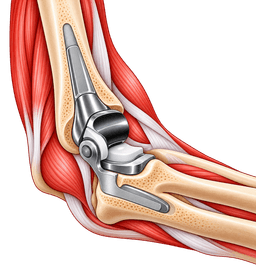
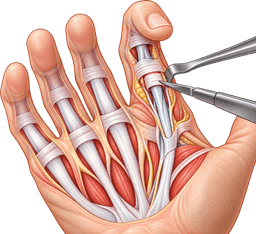
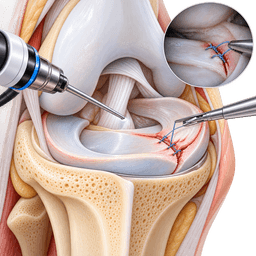
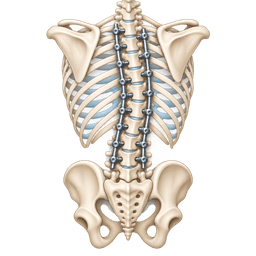
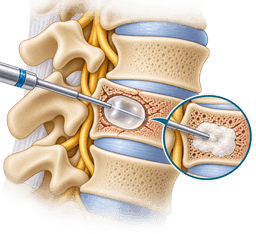
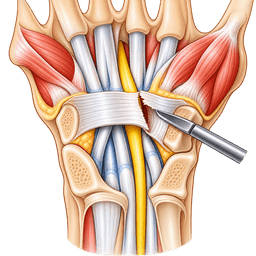
- Carpal Tunnel Release
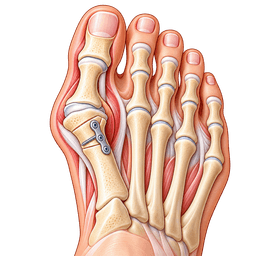
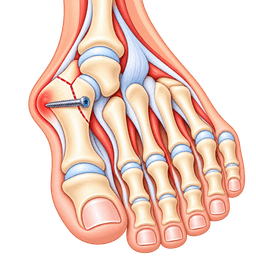
- Bunion Surgery
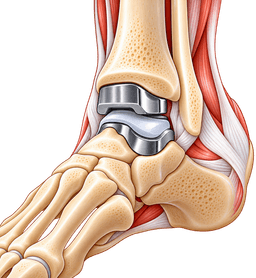
- Total Ankle Replacement
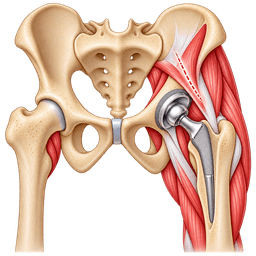
- Anterior Hip Replacement
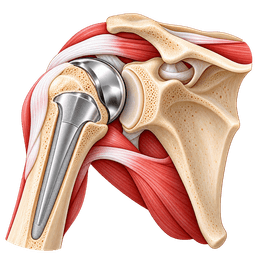
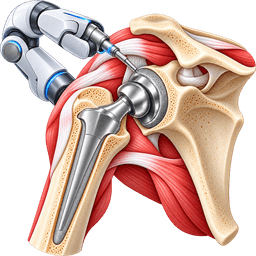
- Partial Shoulder Replacement
- Robotic Hip Replacement
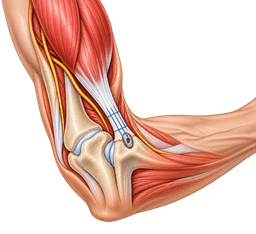
- Distal Biceps Repair
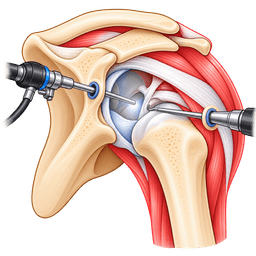
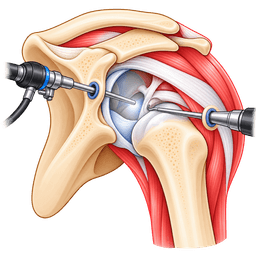
- Shoulder Arthroscopy
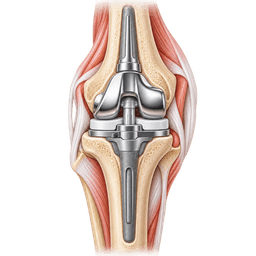
- Knee Arthroscopy
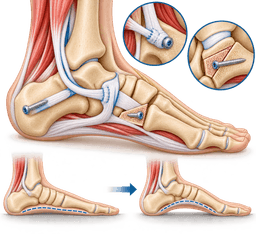
- Flatfoot Reconstruction
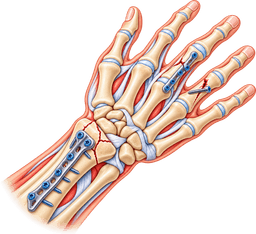
- Hand / Wrist Fracture Surgery
- Forefoot Surgery
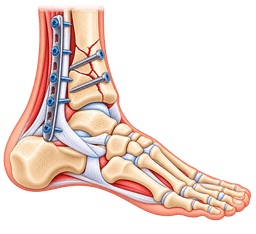
- Foot & Ankle Fracture Surgery
- Cartilage Restoration
- MPFL Reconstruction
International patients at Antalya Yaşam Hospital
The Yaşam Hospitals Group Antalya network, with its several sites, shapes how an Antalya Yaşam Hospital orthopedics case is routed.
International patients reach Antalya Yaşam Hospital through the group's international patient department, and Orthopedics Abroad adds a structured records review and follow-up plan on top. The group's website says the department can help with accommodation, interpreters and financial arrangements. It does not publish a detailed service menu, so use the checklist below to turn general promises into written answers.
How the process works with Orthopedics Abroad
First, you send your history, scans and current medication through the quote form. Our coordinators check that the records are complete, following the steps in our medical record review guide. Then the file goes to the hospital's team for an opinion on whether the case can be treated there and what the proposed operation would be. You receive the plan in writing, including the expected hospital stay, the implant planned and what is and is not included.
If you accept, we help with the practical side: dates, accommodation near the hospital and what happens on arrival. Both are covered in the hospital admission guide and travel and accommodation guide.
What to organise before you travel
| Step | What to arrange | Why it matters |
|---|---|---|
| Records | Recent imaging, reports, medication list, allergy list | Lets the surgeon judge the case before you fly |
| Written plan | Operation name, implant type, expected stay, what is included | Avoids surprises on arrival |
| Insurance | Travel cover and any pre-authorisation from your insurer | Clarifies who pays if complications arise |
| Travel | Flights, a companion, flexible return date | Recovery times vary; see flying after surgery |
| Rehabilitation | Physiotherapy plan in Antalya and at home | Therapy decides much of the long-term result |
| Follow-up | Surgeon contact, discharge summary, implant card | Your home doctor needs these; see follow-up after returning home |
Remote consultation
The group's website offers an online medical second-opinion form where you can describe your problem and upload a file. Whether a video call with the orthopedic surgeon is available is not stated, so confirm the format and who will join the call before relying on it.
Honest limits
No hospital can promise an outcome, and this page cannot replace a medical examination. The hospital publishes few details of its international service, such as the languages of its coordinators or the nationalities treated at this site. We do not fill that gap with guesses. If a detail matters to you, ask for it by name and get the answer in writing. Examples are a female interpreter, a halal diet or wheelchair access to your room.
Finally, treatment abroad is for stable, planned conditions. A fresh fracture, a suspected infection or a sudden loss of limb function needs local emergency care first. Once you are stable and your local doctor agrees you can travel, the planned route above can begin.
Is Antalya Yaşam Hospital right for your orthopedic surgery?
Antalya Yaşam Hospital may suit patients with planned knee, hip, shoulder, ligament or cartilage problems who want a private hospital in a coastal city. The following points help you decide whether it fits your case, without comparing it with any other hospital.
Case types that match the published services
Joint replacement Antalya patients seek is only one slice of the department; the others are sports injuries, trauma and upper-limb surgery.
For anyone considering orthopedic surgery in Antalya, the group's orthopedics page describes joint replacement, arthroscopy for meniscus, ligament and cartilage problems, hand and upper-limb surgery and trauma care. A patient with knee arthritis (see knee osteoarthritis), a sports ligament injury or a cartilage defect fits these categories. Patients with hand or elbow issues may also ask, since the group lists upper-limb surgery.
Cases that need extra checking
If you have a complex revision, major deformity, severe osteoporosis, multiple previous operations, bleeding disorders or serious heart or lung disease, you need a deeper discussion about whether this hospital's intensive care, blood bank and anaesthesia resources are right. The pages do not describe revision surgery, so ask how many revision joints the proposed surgeon handles. Spine, paediatric and tumour services are named at group level, so confirm which site and surgeon would be involved before planning around them.
Questions to ask before you choose
- Surgeon fit. Who will operate, what is their subspecialty, and how often do they do this exact operation?
- Implants. Which brand and model are planned, and will you receive an implant card?
- Technology. Is navigation or robotic assistance used, or conventional instruments?
- Intensive care. Is a bed available if needed, and who monitors you after surgery?
- Language. Who will interpret in the ward and at discharge?
- Follow-up. Who answers your messages after you go home, and how are complications handled?
- Accreditations. Can you see the current quality certificates and authorisations for the unit?
Comfort and lifestyle
Patients who prefer a hospital integrated in a city district, with hotels and shops nearby, may like the Muratpaşa setting. Those who want a secluded resort will find the surroundings busier. Antalya's summer heat can be demanding during early recovery, so many patients plan surgery for spring or autumn. The Antalya city guide has more on timing.
Planning the choice
People searching for an orthopedic hospital Antalya offers often compare several options at once. Antalya Yaşam Hospital is one of them, and its published scope of knee replacement Antalya patients may need, ligament repair and arthroscopy is a reasonable starting point for a conversation, nothing more. Decide which operation you need first, then judge each hospital against that single question.
Next step
If this profile matches your needs, send your records for a review. If not, compare other options in the hospital directory. Either way, use our treatment planning guide to set out your priorities before you contact any hospital.
Getting to Antalya Yaşam Hospital in Antalya
Antalya Yaşam Hospital is in the Şirinyalı area of Muratpaşa, in the middle of the city, and most visitors reach it from Antalya Airport by taxi, transfer or hired car. Antalya Airport is the main international gateway for the province and has seasonal and year-round flights from many European and Middle Eastern cities. Ask the coordinator for the current transfer time, because traffic varies by season; we do not quote distances here.
The district
Muratpaşa covers the historic centre, the harbour area and the long urban beaches. Şirinyalı sits among residential blocks and shops. Buses and taxis are widely available in the city. For a patient on crutches or with a new joint, a pre-arranged transfer is more comfortable than public transport; the group's international patient department is the right place to ask whether it can help arrange one.
Where to stay
Most patients choose a hotel or serviced apartment in Muratpaşa, Lara or Konyaaltı. Look for a lift, a bathroom with a walk-in shower, and a ground-floor or step-free entrance. Companions are welcome in the planning, and our companion guide explains how they can help. For the practical details of the stay, see travel and accommodation.
Climate and recovery season
Antalya has a Mediterranean climate: very hot summers, mild winters and pleasant spring and autumn. For recovery, comfortable temperatures help with walking exercises, whereas high summer heat and humidity can be tiring. Winters are mild but can bring heavy rain. Many patients prefer to schedule joint surgery outside the peak tourist months, when hotels are quieter.
How long to stay
The hospital does not publish a standard length of stay on the pages we could read, and we do not quote one. The time you must spend in Antalya depends on the operation, wound healing, rehabilitation needs and when your surgeon clears you to fly. Our flying after surgery and rehabilitation guides explain the usual sequence. Always keep a flexible return ticket, and ask the surgeon for a written estimate for your own operation.
Practical reminders
- Check passport and visa rules for your nationality well before booking.
- Carry medication in original packaging with a doctor's letter.
- Keep the hospital address and telephone number saved on your phone.
- Ask the coordinator who to call at night if you are worried.
For other options in the region, see orthopedic care in Antalya.
Sources for this Antalya Yaşam Hospital guide
Peer-reviewed guidance and institutional sources used to write and review this page.
- 01Ortopedi ve Travmatoloji
Yaşam Hastaneleri, 2025
https://www.yasamhastaneleri.com/bolum_ortopedi-ve-travmatoloji_3345_11943_tr
- 02Antalya Yaşam Hospital
Yaşam Hastaneleri, 2025
https://www.yasamhastaneleri.com/hastane_antalya-yasam-hospital_3343_11900_en
- 03Hospital Facilities
Yaşam Hastaneleri, 2025
https://www.yasamhastaneleri.com/kurumsal_hospital-facilities_1344_14607_en
- 04
- 05
- 06
- 07OrthoInfo: Total hip replacement
American Academy of Orthopaedic Surgeons, 2024
https://orthoinfo.aaos.org/en/treatment/total-hip-replacement/
Antalya Yaşam Hospital: frequently asked questions
Does Antalya Yaşam Hospital treat international patients?
Which orthopedic treatments does Antalya Yaşam Hospital offer?
Is Antalya Yaşam Hospital accredited?
How big is Antalya Yaşam Hospital?
Where is Antalya Yaşam Hospital?
How do I send my records for review?
Can I have a remote consultation?
How long should I stay in Antalya after surgery?
Does the hospital use robotic surgery?
Can I be treated if I have an emergency fracture?
Does the hospital accept insurance?
What does Orthopedics Abroad do, and is it part of the hospital?
What should I ask before booking surgery here?
Other partner hospitals

BHT Clinic Istanbul Tema Hospital
Large private hospital in Atakent, Küçükçekmece, with an orthopedics and traumatology unit

Biruni University Hospital
University hospital in Küçükçekmece, Istanbul, with a published orthopedics and traumatology department
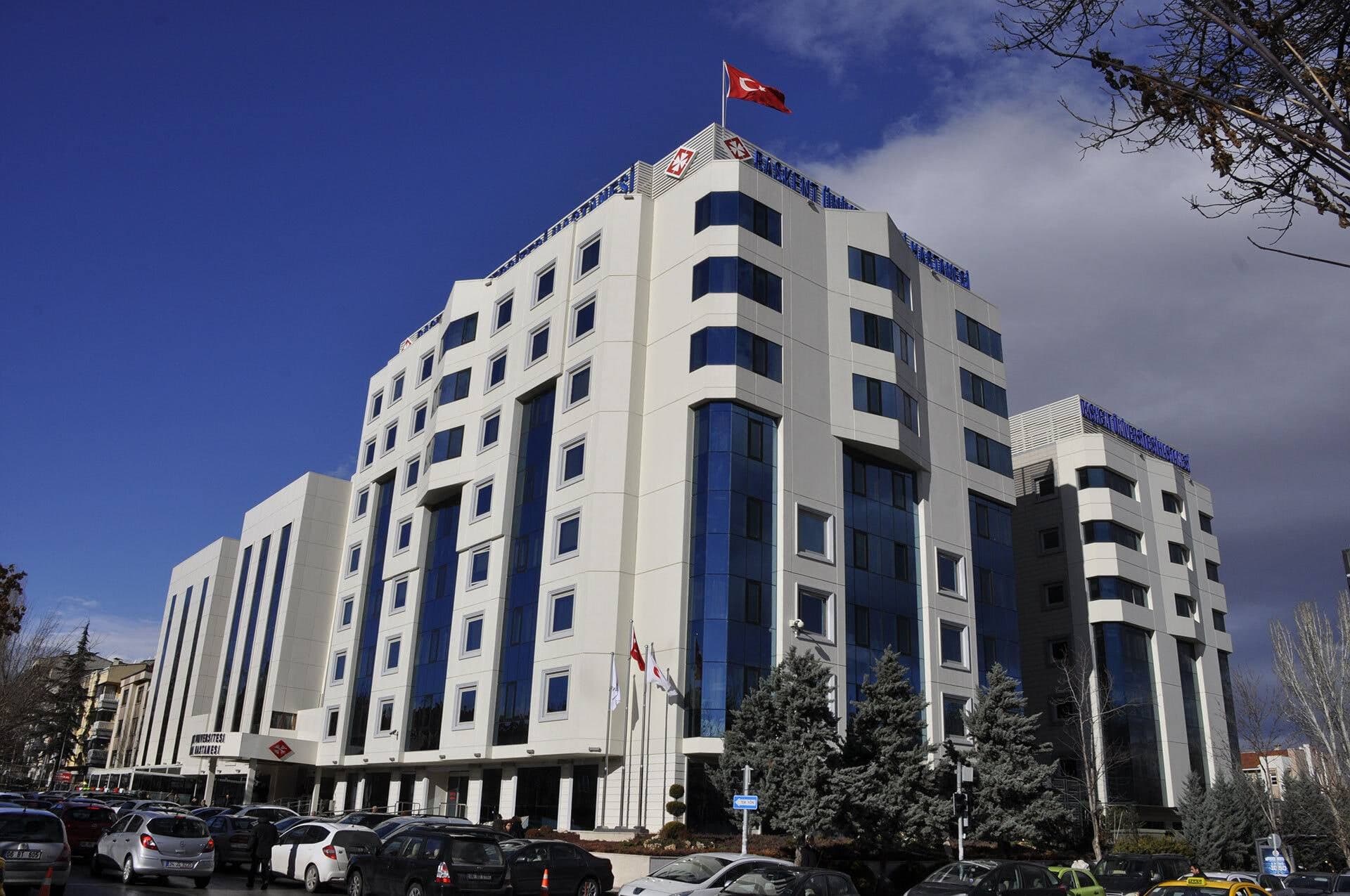

Çankaya Hospital for Orthopedic Care
Çankaya Hospital for Orthopedic Care is an orthopedic hospital in central Ankara with robotic-arm assisted surgery