



Key takeaways
- 1Robotic hip replacement is a total hip replacement performed with robotic assistance to improve planning and implant positioning.
- 2The robot does not replace the surgeon; it is a surgical tool that helps the surgeon operate with greater precision.
- 3Robotic-assisted hip replacement may help with more accurate cup placement, leg-length restoration, and hip alignment.
- 4Most patients begin walking on the same day or the day after surgery and continue recovering over the following weeks and months.
- 5The best results still depend on surgeon experience, correct patient selection, implant choice, and good rehabilitation.
Overview
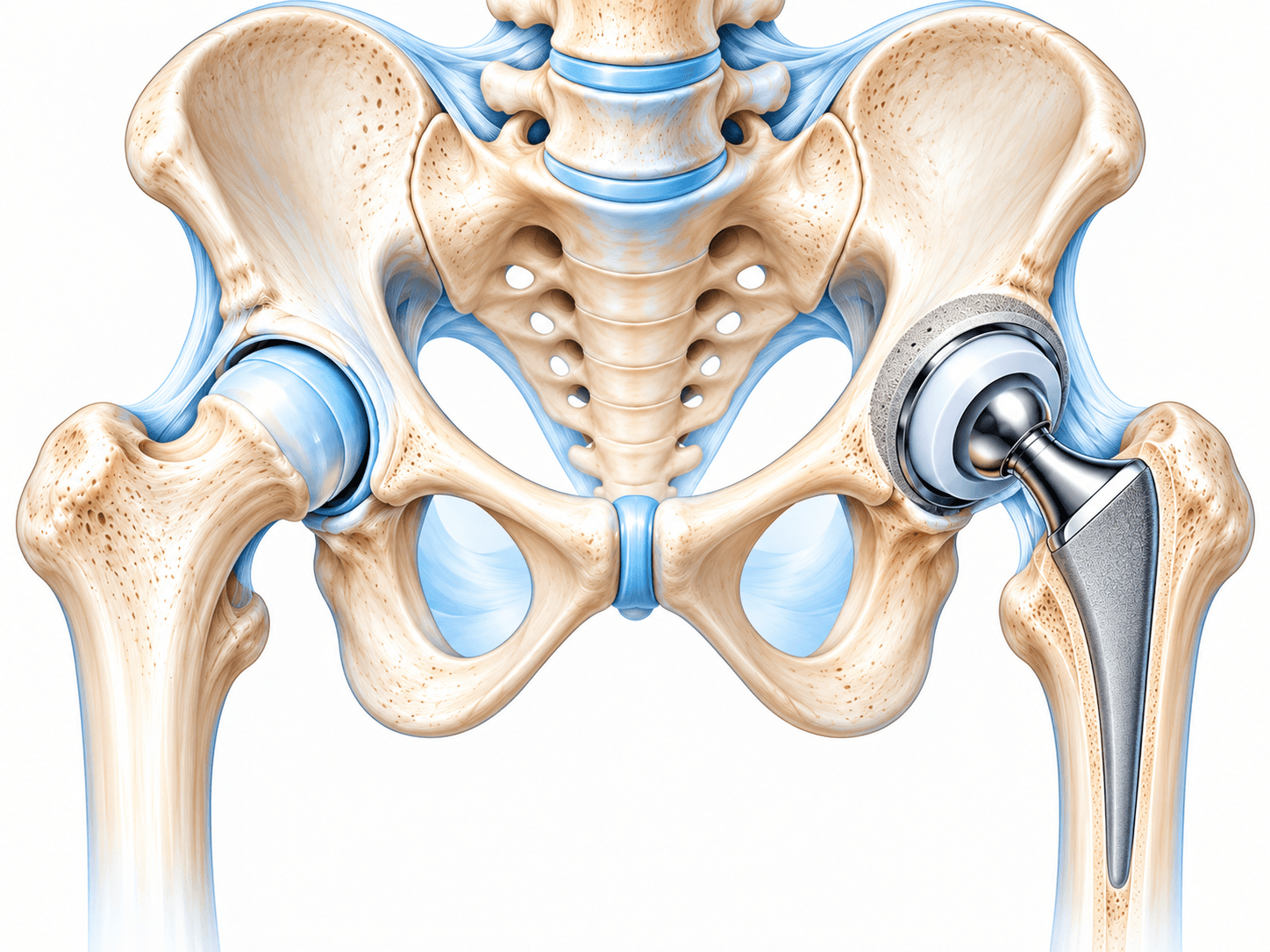
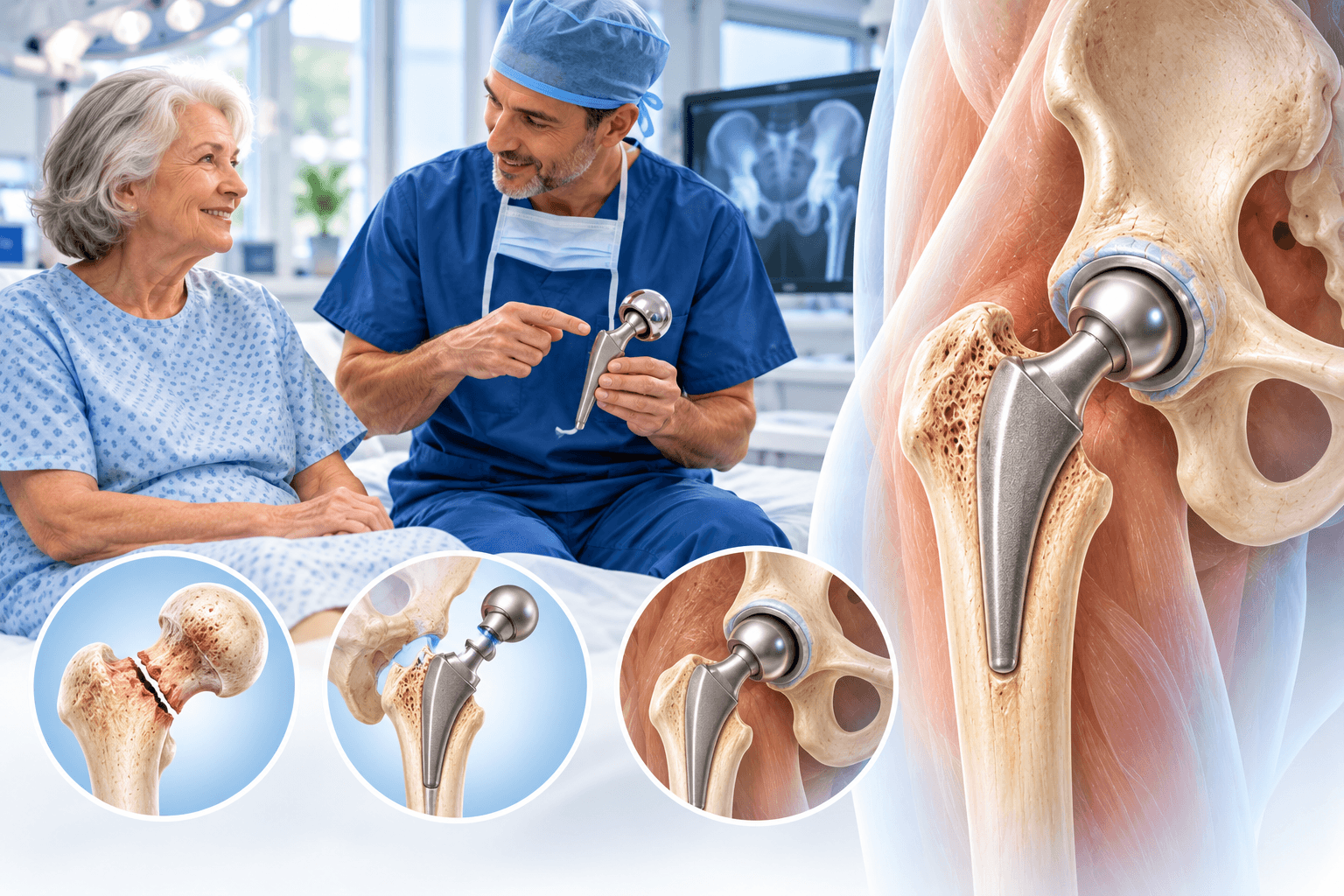
Robotic hip replacement is a robotic-assisted total hip replacement. It is used to treat severe hip arthritis and other conditions that damage the hip joint when non-surgical treatment no longer provides enough relief. During the operation, the surgeon removes the worn joint surfaces and replaces them with an artificial hip joint. The robotic system helps the surgeon create a more individualized surgical plan and execute it with a high degree of precision.
In simple terms, robotic hip replacement is still hip replacement surgery, but with advanced technology added to support accuracy. The robot is not acting independently and it is not making decisions on its own. The orthopaedic surgeon remains fully in control throughout the procedure. The system gives data, guidance, and boundaries that help the surgeon place the implant according to the planned anatomy.
How robotic-assisted hip replacement differs from standard hip replacement
The main difference between robotic-assisted hip replacement and conventional hip replacement is the level of digital planning and intraoperative guidance. In a standard operation, the surgeon relies on experience, anatomical landmarks, and instruments to position the implant. In robotic surgery, this judgment is combined with advanced imaging, computerized planning, and real-time feedback.
This means the surgery is still performed by a human surgeon, but with extra assistance from a robotic platform. The aim is to make implant placement more accurate and more reproducible from one case to another. This can be particularly helpful in patients where leg length, hip offset, pelvic anatomy, or component orientation are especially important.
Why robotic hip replacement has become popular
Robotic technology has become more visible in orthopaedics because patients increasingly want treatment that feels modern, customized, and precise. Many people are attracted to the idea that the operation is tailored to their own anatomy instead of relying only on standard guides. Surgeons and hospitals also value technologies that may improve consistency and reduce certain alignment-related problems.
That said, robotic hip replacement should not be marketed as magic. It is not automatically better in every patient, and it does not remove the normal risks of major joint replacement surgery. It is best understood as an advanced surgical tool that may enhance precision when used by a trained surgeon in the right setting.
What conditions robotic hip replacement can treat
Robotic hip replacement is mainly used for patients who need total hip replacement. This usually includes advanced osteoarthritis of the hip, but it can also be used in selected patients with inflammatory arthritis, avascular necrosis, post-traumatic arthritis, or deformity that has led to severe joint damage.
The important point is that the condition being treated is not “robotic.” The patient still has the same underlying hip disease as someone having a conventional replacement. The robotic system simply supports how the operation is planned and performed.
Is robotic hip replacement the same as minimally invasive hip surgery?
Not necessarily. Robotic hip replacement and minimally invasive hip surgery are different concepts. A robotic system may be used with a modern tissue-sparing approach, but the presence of a robot does not automatically mean the incision is tiny or the operation is minor. Total hip replacement is still major reconstructive surgery, even when performed with advanced technology.
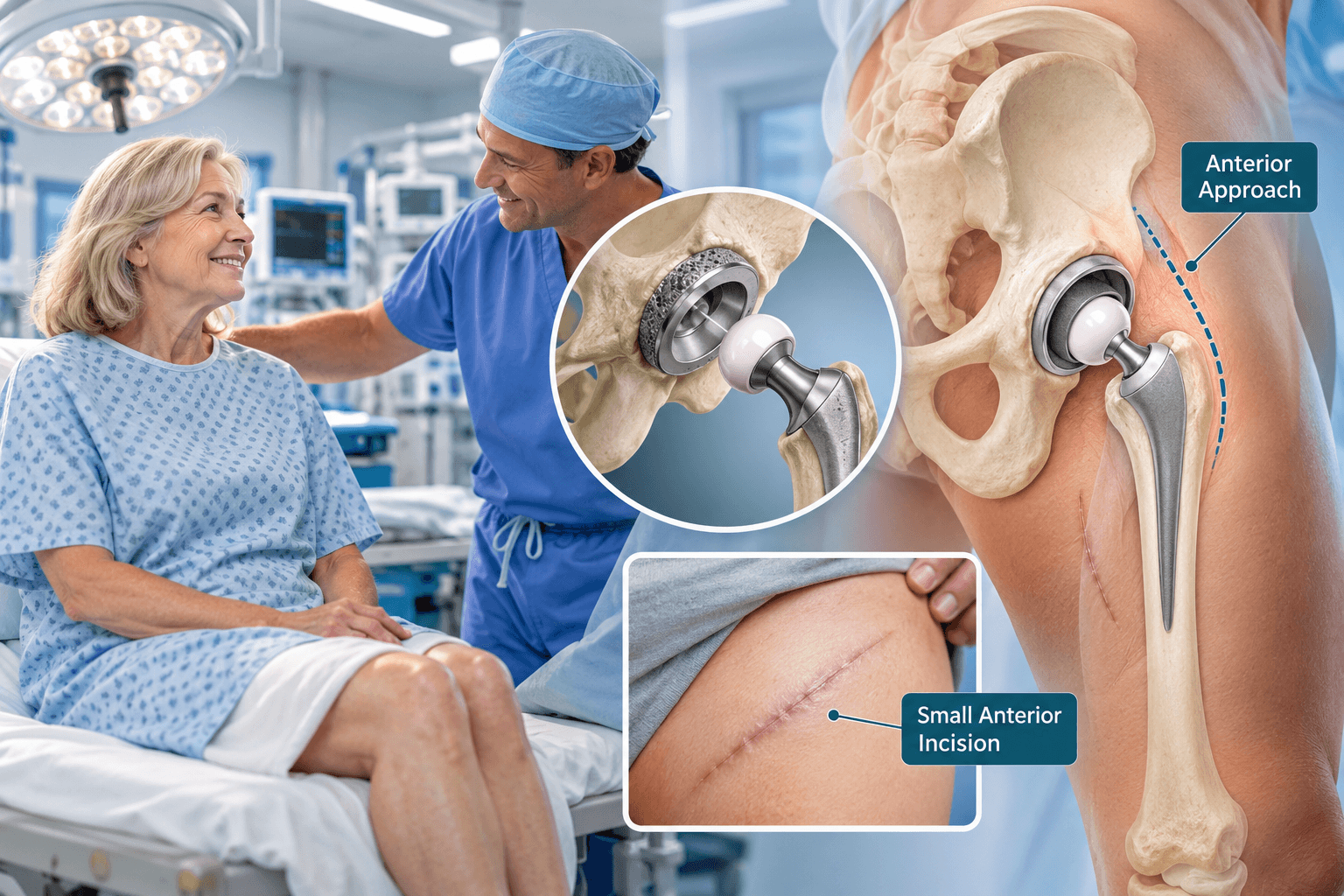
Some robotic procedures are done through anterior approaches, and others through posterior or other approaches depending on surgeon preference. What matters most is not just the incision size, but whether the implant is accurately positioned and the soft tissues are handled carefully.
Conditions treated
Who it's for
- Severe hip osteoarthritis
- Persistent hip pain that limits walking, sleep, or daily activities
- Advanced joint damage visible on imaging
- Failure of non-surgical treatment such as medication, physiotherapy, injections, or activity modification
- Hip stiffness causing major loss of function
- Avascular necrosis with collapse or advanced degeneration
- Inflammatory arthritis with end-stage joint destruction
- Post-traumatic arthritis after previous injury
- Selected cases with deformity where accurate reconstruction is especially important
- Patients who are medically suitable for total hip replacement and whose surgeon offers robotic-assisted surgery
Good candidates
Good candidates for robotic hip replacement are first and foremost good candidates for total hip replacement. They usually have significant pain, a clear structural problem in the hip joint, and symptoms that are affecting quality of life despite a reasonable trial of non-operative care.
Many candidates are adults with end-stage osteoarthritis who want dependable pain relief and better walking ability. Patients who may particularly benefit from precise implant planning include those with complex anatomy, leg-length concerns, previous spinal issues affecting pelvic position, or cases where restoring hip mechanics accurately is especially important.
A good candidate must also be medically fit enough for surgery. General health, bone quality, body weight, smoking status, diabetes control, and the presence of infection or significant cardiovascular disease all matter. Even when robotic technology is used, the success of the surgery still depends on the patient’s overall health and the surgeon’s ability to choose the correct operation.
Before surgery
Initial assessment and diagnosis
Before robotic hip replacement is offered, the surgeon confirms that the patient’s symptoms are truly coming from the hip joint and that the disease is advanced enough to justify surgery. This usually involves a detailed history, physical examination, and X-rays. In some cases, additional imaging such as CT may be required, especially when the robotic platform needs preoperative mapping.
The patient’s pain pattern is important. Hip arthritis often causes groin pain, stiffness, difficulty putting on shoes and socks, pain when getting up from a chair, and reduced walking tolerance. Some patients also feel pain in the buttock, thigh, or knee. The surgeon needs to distinguish hip arthritis from pain caused by the lower back, knee, or surrounding tendons.
Non-surgical treatment before considering surgery
Most patients will have tried non-surgical treatment before moving to hip replacement. This often includes pain medication, anti-inflammatory medication where appropriate, physiotherapy, exercise, weight management, a walking aid, and sometimes injection treatment. Surgery is usually considered when these treatments no longer provide acceptable relief or when function has become severely limited.
Robotic hip replacement should not be seen as an “early shortcut.” The main question is whether the patient needs hip replacement, not whether a robot is available. Once that decision is made, the surgeon can decide whether robotic assistance is appropriate.
Preoperative medical work-up
Patients need routine blood tests and a general health assessment before surgery. Anaemia, diabetes control, kidney function, heart disease, and lung conditions are reviewed because these can affect surgical safety and recovery. The medical team also checks the medication list carefully, especially blood thinners, diabetes medications, and any drugs that affect immunity.
This preparation helps reduce risk and makes the operation safer. Robotic assistance improves technical precision, but it does not replace the need for full medical optimization before a major operation.
Imaging and digital planning
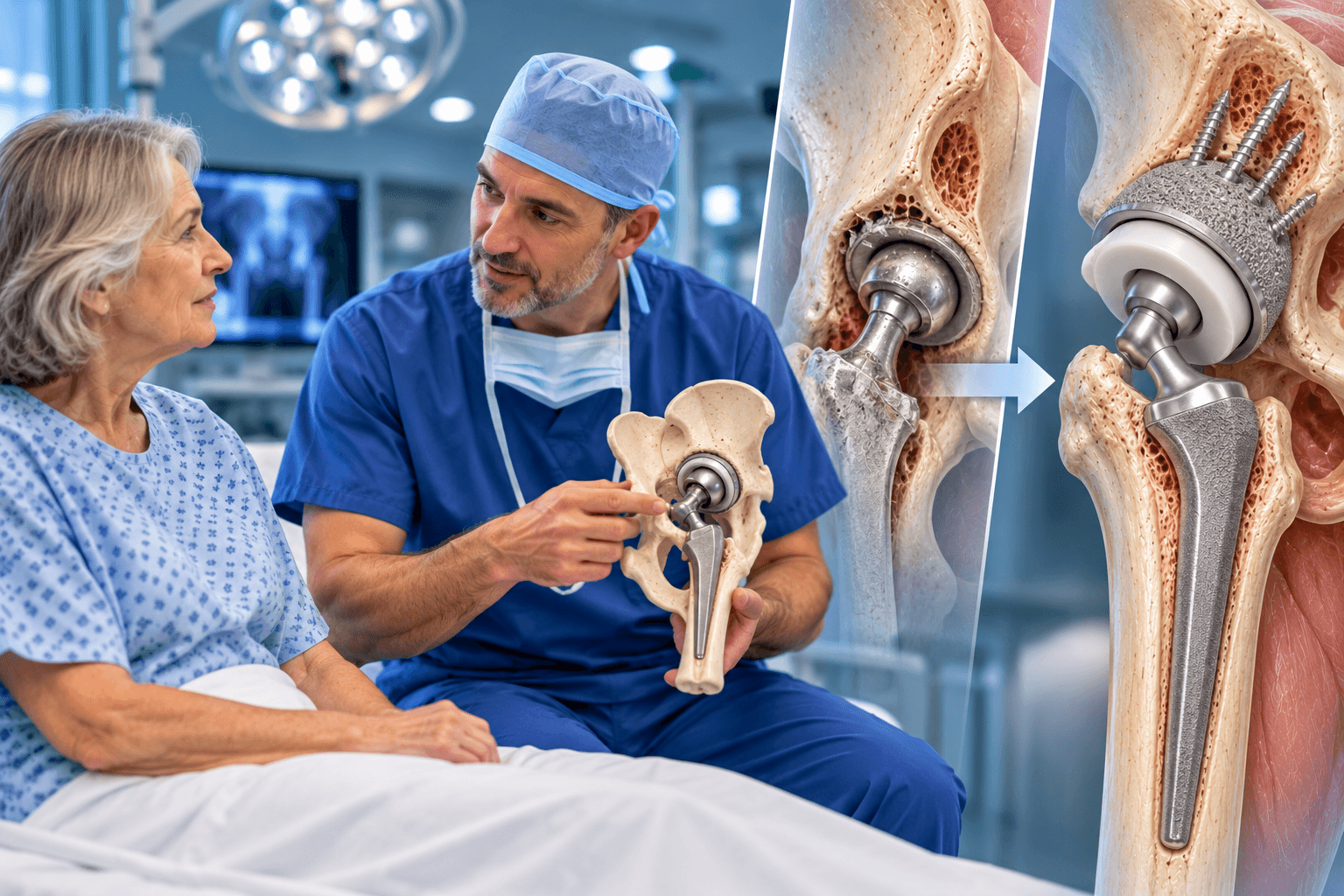
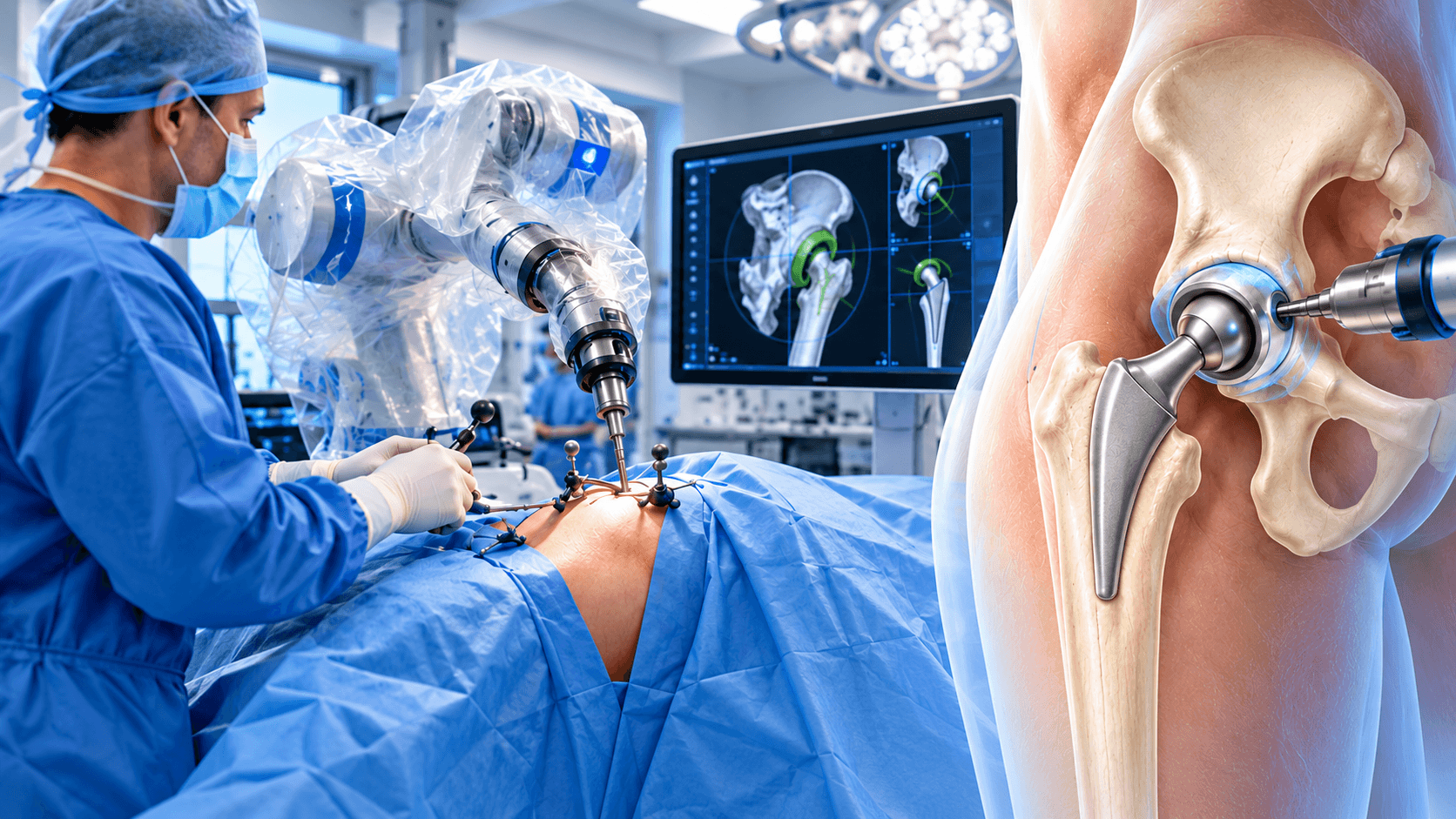
One of the defining features of robotic hip replacement surgery is the use of digital preoperative planning. Depending on the platform, the surgeon may use CT-based or non-CT planning methods. In CT-based systems, the scan creates a three-dimensional map of the patient’s pelvis and femur. This allows the surgeon to plan cup position, stem size, offset, leg length, and implant orientation before the first incision is made.
This preoperative planning step is one of the reasons many surgeons value robotic assistance. It allows the operation to be planned in a more individualized way rather than relying only on standard alignment guides during surgery.
Education and preparation at home
Patients should understand what recovery will involve before they come to hospital. They may need to arrange temporary help at home, especially during the first few days after surgery. They should prepare a safe environment with fewer trip hazards, a stable chair, easy access to essentials, and a plan for walking with a cane, walker, or crutches if needed.
This preparation is especially important for international patients. Anyone traveling for treatment needs a clear plan for accommodation, follow-up, transport, wound care, and the timing of the return flight.
How the operation is performed
Robotic hip replacement is performed in the operating theatre under sterile conditions with the patient under anaesthesia. The surgeon makes the chosen surgical approach, which may be anterior, posterior, or another established route depending on the surgeon’s training and the hospital protocol.
Once the hip joint is exposed, the damaged femoral head is removed and the acetabulum is prepared. The robotic system helps the surgeon position and prepare the socket according to the surgical plan. In many systems, the surgeon controls the instruments while the robot provides real-time boundaries or feedback so that the work stays within the intended alignment and depth.
The femur is then prepared for the stem, and trial components are used to assess leg length, hip stability, and soft-tissue tension. After final adjustments, the definitive implants are inserted and the new ball-and-socket joint is assembled. The wound is then closed in layers and a dressing is applied.
The role of the robot
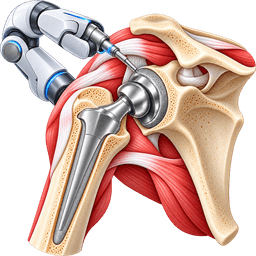
The robot does not independently perform the operation. It is not replacing the surgeon, and it is not deciding how the surgery should go. The surgeon creates the plan, executes the operation, and makes all clinical decisions.
The robotic platform provides information and guidance. It can help the surgeon know where the planned implant should sit, how much bone should be removed, and whether the position being achieved matches the intended orientation. In this sense, the robot acts more like a precision-navigation tool than an autonomous machine.
Surgical approaches used with robotic hip replacement
Robotic systems can be used with different hip replacement approaches. Some surgeons use them with the anterior approach, while others use a posterior approach. The choice depends on training, equipment, patient anatomy, and surgeon preference.
Patients sometimes assume robotic surgery always means anterior surgery, but this is not true. The use of robotic guidance and the choice of approach are separate decisions. A highly experienced surgeon using a posterior robotic technique may offer better results than a less experienced surgeon trying to force every case through an anterior approach.
Implant placement and hip mechanics
A major goal of robotic-assisted surgery is to restore hip biomechanics as accurately as possible. This includes cup inclination and version, femoral stem position, offset, leg length, and joint stability. Poor implant placement can lead to instability, impingement, altered gait, accelerated wear, and dissatisfaction.
Robotic technology aims to reduce those errors by helping the surgeon reproduce the planned alignment. This is especially useful when a patient has unusual pelvic anatomy, stiff spine mechanics, or other factors that make positioning more complex.
How long robotic hip replacement takes
A robotic total hip replacement often takes around 90 minutes, but this varies depending on the complexity of the case, the patient’s anatomy, and the experience of the team. Straightforward cases may be shorter, while difficult reconstructions may take longer.
The use of a robot does not automatically make surgery faster. In some cases, it may slightly increase setup time. However, many surgeons consider the extra planning and precision worthwhile if it helps them achieve a more accurate reconstruction.
Hospital stay
Immediately after surgery
After the operation, the patient moves to the recovery area, where the medical team monitors blood pressure, breathing, comfort, and the operated leg. Once the patient is awake and stable, they are transferred to their room or day-surgery area depending on the planned pathway.
Pain control is usually managed with a multimodal approach. This means several types of medication are used together to improve comfort and reduce reliance on stronger opioid medication. Patients are also checked for nausea, wound condition, and circulation in the leg.
Same-day or overnight stay
Many patients stay one night after robotic hip replacement, although same-day discharge may be possible in selected cases. The decision depends on pain control, medical status, walking ability, and the availability of support at home.
A short stay is helpful when recovery is smooth, but the priority should always be safety rather than rushing discharge. Patients traveling from abroad often benefit from at least one night of observation before moving to hotel recovery.
Mobilization in hospital
Most patients stand and begin walking on the same day or the morning after surgery with help from the physiotherapy team. Early mobilization helps reduce the risk of complications such as blood clots and also gives the patient confidence in the new joint.
Walking begins with a walker or crutches if needed. The patient also learns safe transfers, stair technique where appropriate, and how to protect the hip while moving naturally.
Recovery
Recovery after robotic hip replacement is often smooth, but it still follows the normal biological healing process of major joint replacement. Patients usually notice that their deep arthritic pain is different immediately after surgery, but this is temporarily replaced by soreness from the operation itself.
The first few days focus on pain control, safe walking, and wound care. During the first few weeks, walking improves gradually, swelling decreases, and the patient becomes more independent. Over the following months, strength, confidence, and endurance continue to return.
Robotic hip replacement recovery time
Most patients make strong early progress within the first 6 weeks. However, robotic hip replacement recovery time depends on age, general fitness, muscle strength, body weight, previous mobility, and whether the surgery was straightforward or complex.
Many patients can return to light daily activity quite quickly, but full recovery is not measured only by walking in the house. True recovery includes rebuilding stamina, regaining good gait mechanics, improving muscle control, and allowing the tissues to settle around the new joint. This may continue for several months.
Pain and swelling
Mild to moderate pain, bruising, and swelling are common after surgery. These usually improve week by week. Some patients also notice temporary thigh discomfort, especially as they become more active. This does not mean something is wrong, but worsening pain, fever, wound drainage, or severe calf swelling should always be assessed.
Return to work and activity
Desk work may be possible within a few weeks for some patients, especially if they can work from home. More physical jobs require longer recovery. Low-impact exercise such as walking and cycling is usually introduced earlier than heavy lifting or impact activities.
Patients often feel encouraged by the early precision-focused messaging around robotic surgery, but they should still respect the recovery timeline. Overdoing activity too early can increase swelling and delay progress.
Recovery timeline
- Walking with support and managing daily basics1Walking with support and managing daily basics
Week 1–2
The first phase focuses on wound care, pain control, swelling management, and safe movement. Most patients begin walking immediately with a walker or crutches and gradually increase their indoor walking distance. Simple exercises help circulation and early muscle activation. The aim during this phase is not speed but safety, balance, and confidence with the new hip.
- Improving independence and walking more naturally2Improving independence and walking more naturally
Week 3–6
During this stage, many patients progress from a walker to a cane and then to independent walking, depending on their strength and balance. Swelling usually reduces, daily tasks become easier, and the patient starts feeling more mobile. The focus is on improving gait, preventing limping, and building confidence without overloading the joint.
- Returning to normal daily life3Returning to normal daily life
Week 6–12
This phase often brings a major improvement in comfort and function. Patients commonly return to more regular routines, drive when cleared, and increase activity tolerance. Strengthening continues, and the hip starts to feel more natural in daily movements. Longer walks and structured rehabilitation become more comfortable.
- Better endurance and functional recovery4Better endurance and functional recovery
Month 3–6
By this point, many patients are walking well and using the hip confidently. Endurance improves, low-impact sport becomes more realistic, and the patient may return to travel or longer outings. The body continues adapting to the implant, and subtle improvements in strength and smooth movement often continue.
Outcomes and success rates
Expected outcomes
Robotic hip replacement aims to deliver the same main goals as any excellent total hip replacement: major pain relief, improved walking ability, better quality of life, and restoration of function. Most patients who are well selected and treated by experienced teams report substantial improvement compared with their preoperative condition.
The main added value of robotics is not that it creates a different artificial joint, but that it may support more accurate planning and positioning. This can help the surgeon reproduce the intended biomechanics more consistently.
Accuracy and consistency
One of the strongest arguments in favor of robotic-assisted hip replacement is improved accuracy in component placement. In total hip arthroplasty, even small alignment errors can matter over time. Implant positioning affects stability, range of motion, leg-length balance, impingement, and wear patterns.
By giving real-time guidance and a patient-specific surgical plan, robotic technology may reduce some of the variability that exists in conventional surgery. This does not mean the outcome is perfect in every case, but it can improve consistency.
Success rates and patient satisfaction
Overall success rates for total hip replacement are already high, and robotic techniques aim to preserve and potentially improve on those outcomes through greater precision. Most patients are highly satisfied when their pain improves, their gait becomes easier, and they return to normal daily activities.
Satisfaction, however, depends on more than technology. If a patient has unrealistic expectations, severe muscle weakness, major spinal problems, or other untreated pain sources, they may still be disappointed even after technically accurate surgery. This is why robotic surgery should be seen as part of a full treatment pathway rather than a guarantee on its own.
Long-term outcomes
Long-term results after robotic hip replacement still depend on implant quality, bone integration, activity level, body weight, and overall joint mechanics. The robot helps at the time of surgery, but the long-term function of the hip depends on how the implants behave in the body over many years.
It is fair to say that robotic assistance may improve the precision of the reconstruction. It is not fair to claim that it removes all risk of wear, loosening, or future revision.
Implants and technology
Implant components
The implants used in robotic hip replacement are generally the same kinds of implants used in conventional total hip replacement. These include an acetabular cup, a liner, a femoral stem, and a femoral head. Materials may include titanium, cobalt-chrome, ceramic, and highly cross-linked polyethylene depending on the implant system.
The robot does not create a special “robotic implant.” Instead, it helps the surgeon place standard hip replacement components according to a digital plan.
Robotic platforms
Several robotic systems are used around the world in orthopaedic surgery. Some are CT-based and create a three-dimensional model of the patient’s anatomy before surgery. Others rely on intraoperative mapping rather than full preoperative CT imaging.
Different hospitals may use different brands and platforms. What matters most is not the name of the machine alone, but whether the surgeon and team are well trained in that system and use it consistently.
Navigation and haptic guidance
Many robotic systems offer what is called haptic feedback or haptic boundaries. This means the surgeon controls the instrument, but the robotic platform helps keep the movement within the intended zone. This can be especially helpful when preparing the acetabulum or placing components at the desired angle.
The practical benefit is more controlled bone preparation and more reliable execution of the surgical plan.
Leg-length and offset restoration
A common concern in hip replacement is leg-length inequality or failure to restore hip offset correctly. Robotic systems may help the surgeon assess and fine-tune these parameters more precisely. This may support better gait mechanics and help reduce patient dissatisfaction related to imbalance or altered hip feel.
Technology is a tool, not a substitute for judgment
Even the most advanced platform cannot compensate for poor patient selection, weak surgical judgment, or poor rehabilitation planning. Technology should support clinical expertise, not replace it. Patients should therefore choose a surgeon and hospital based on experience and trust, not only on the presence of a robot.
Risks and how they are managed
All surgery carries risk. Partner hospitals follow enhanced-recovery and infection-prevention protocols, and your surgeon will discuss the risks specific to your case before consent.
- Infection
- Blood clots (DVT or pulmonary embolism)
- Bleeding or hematoma
- Dislocation of the new hip
- Periprosthetic fracture
- Nerve injury
- Blood vessel injury
- Persistent pain or stiffness
- Implant loosening over time
- Leg-length difference
- Limping or muscle weakness during recovery
- Wound-healing problems
- Anaesthetic complications
- Need for revision surgery
- Technical errors despite advanced guidance
- Robotic system setup or registration inaccuracies
- Longer operative time in some cases
- No guarantee of superior outcome compared with standard surgery
Alternatives
- Pain medication and anti-inflammatory medication
- Physiotherapy and strengthening
- Activity modification
- Weight management
- Walking aids
- Hip injections in selected patients
- Conventional total hip replacement without robotics
- Continued observation when symptoms remain manageable
- Other surgical approaches chosen without robotic assistance
- Joint-preserving procedures in very selected non-arthritic cases
What Robotic THR costs
The contracted Turkey partner package next to approved self-pay benchmarks. Benchmarks are 20th–80th percentile ranges of approved records, normalised to USD.
Turkey package
$10,500 – $16,000
United States self-pay
$43,900 – $74,650
United Kingdom self-pay
$16,250 – $32,900
Typical self-pay range by country
Surgeons who perform Robotic THR
All surgeonsHospitals offering this procedure
Antalya Yaşam Hospital
Private hospital in Muratpaşa, Antalya, with an orthopedics and traumatology department
BHT Clinic Istanbul Tema Hospital
Large private hospital in Atakent, Küçükçekmece, with an orthopedics and traumatology unit
Biruni University Hospital
University hospital in Küçükçekmece, Istanbul, with a published orthopedics and traumatology department
Çankaya Hospital for Orthopedic Care
Çankaya Hospital for Orthopedic Care is an orthopedic hospital in central Ankara with robotic-arm assisted surgery
Sources and references
Peer-reviewed guidance and institutional sources used to write and review this page.
- 01Total Hip Replacement
American Academy of Orthopaedic Surgeons / OrthoInfo, 2026
- 02Total Hip Arthroplasty
American Association of Hip and Knee Surgeons, 2026
- 03Robotics in Total Hip Arthroplasty
Peer-reviewed orthopaedic journal / PubMed indexed source, 2024
- 04Clinical outcomes of robotic-assisted total hip arthroplasty
Peer-reviewed orthopaedic journal / PubMed indexed source, 2024