



World-class orthopedic surgery, planned end to end.
Knee, hip, shoulder and spine surgery with fellowship-trained surgeons at accredited hospitals in Turkey. Independent record review, fixed-price packages and source-backed cost comparisons.
- 48h
- record review
- 50–80%
- lower than US prices
- 12 mo
- remote follow-up

Record review
Reply in 48h
vs US self-pay
−77%
9 hospitals profiled
Antalya · Istanbul · Ankara
Hospitals we work with across Istanbul, Ankara and Antalya













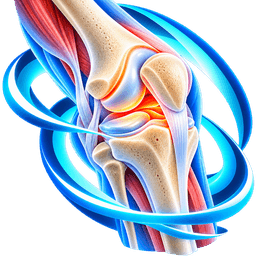
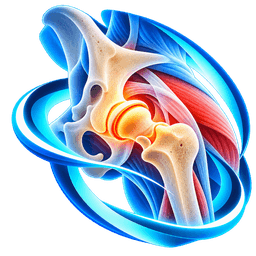
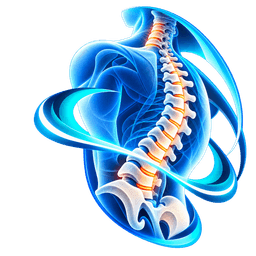
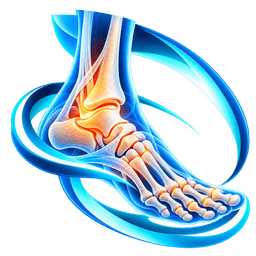
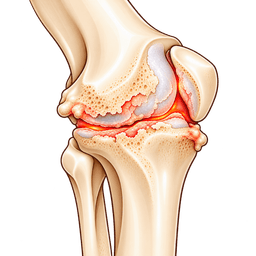
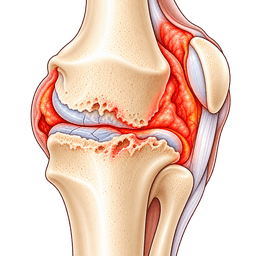
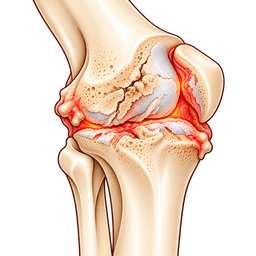
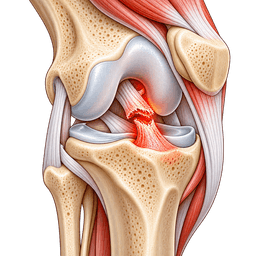
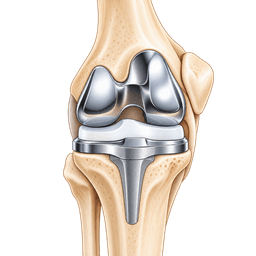
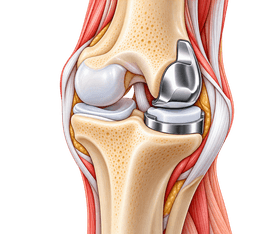
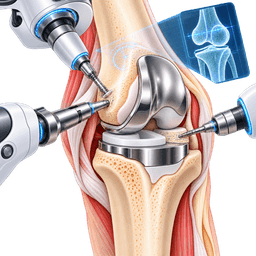
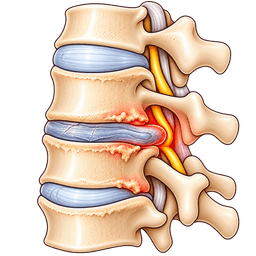
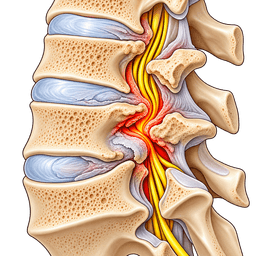
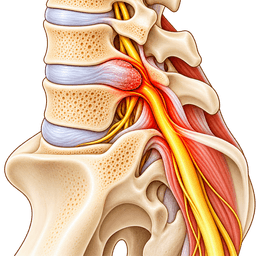
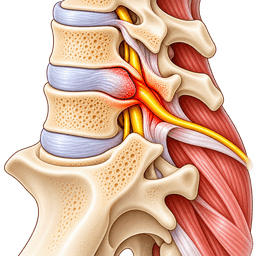
Pick the body area. Everything else is connected.
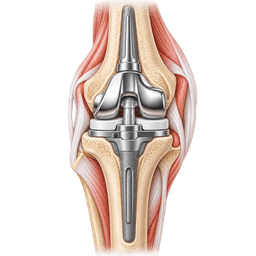
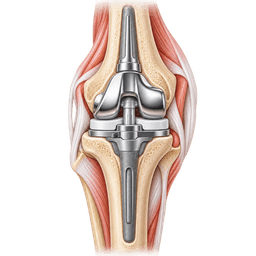
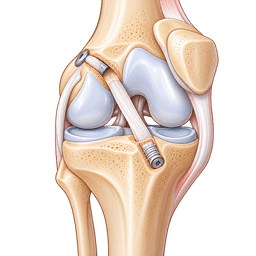
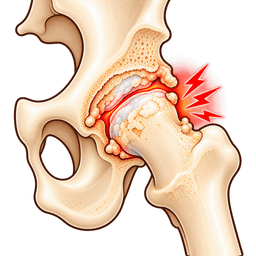
Each condition links to the procedures that treat it, each procedure to its hospitals, surgeons, Turkey page and cost guide. Choose an area to see what it covers.
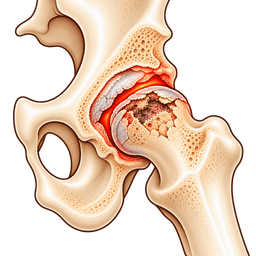
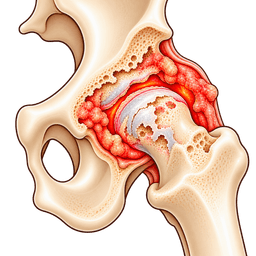
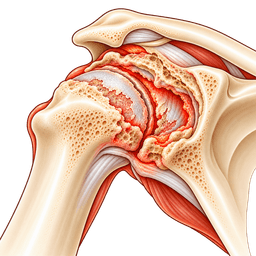
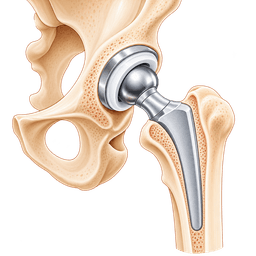
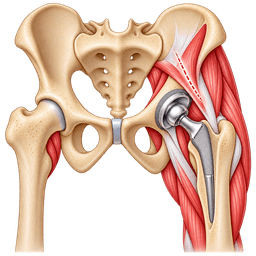
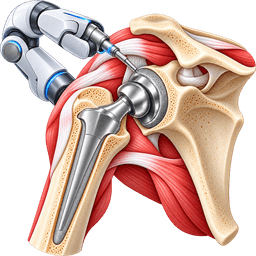
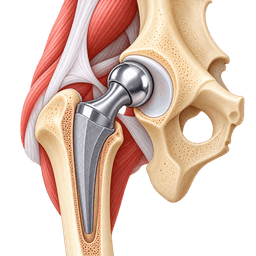
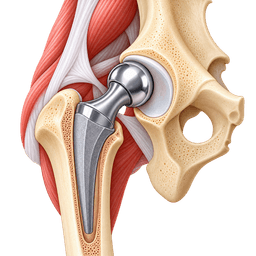
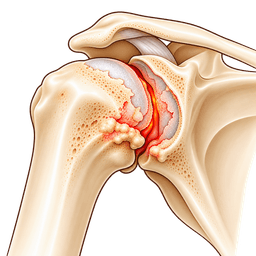
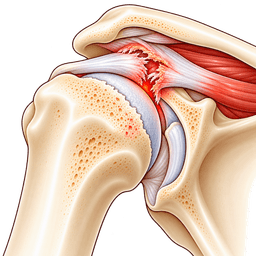
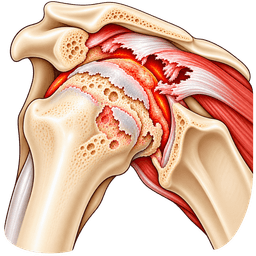
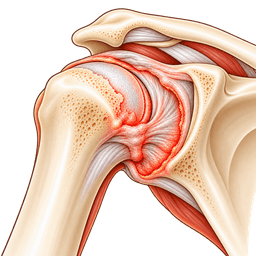
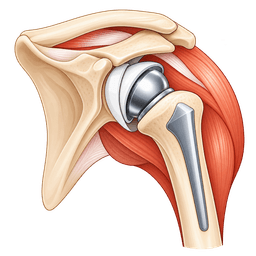
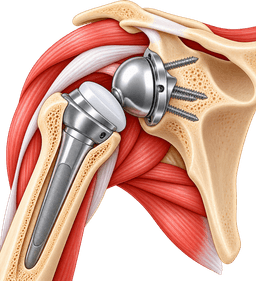
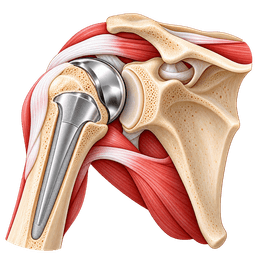
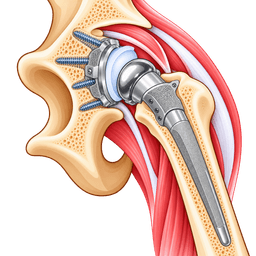
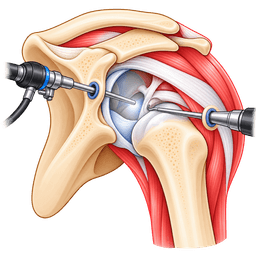
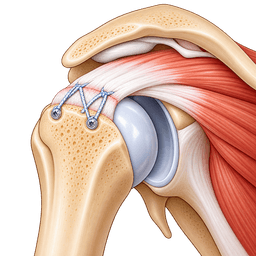
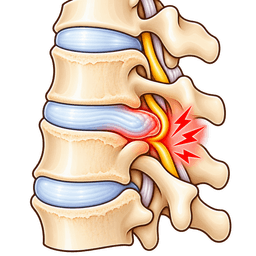
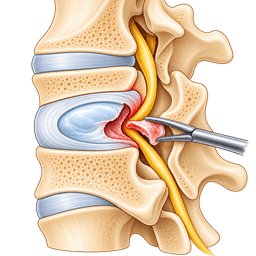
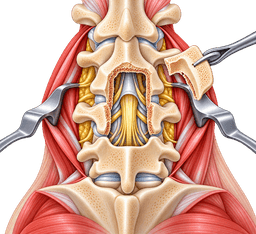
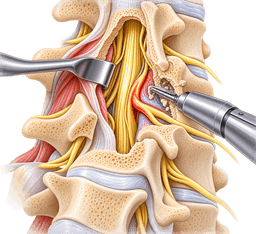
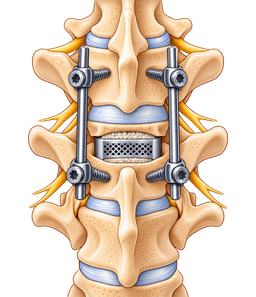
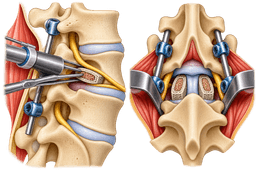
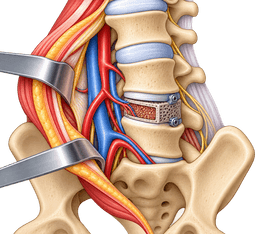
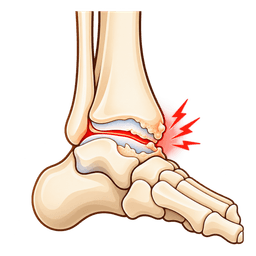
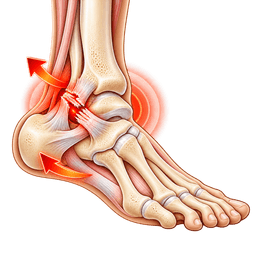
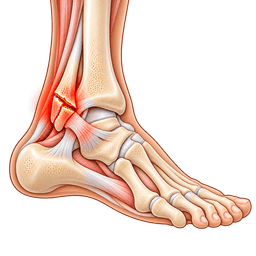
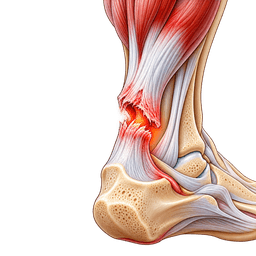
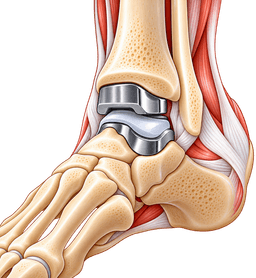
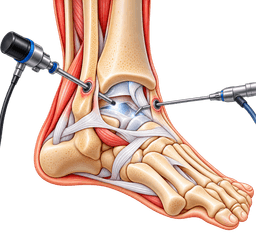
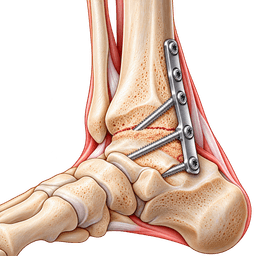
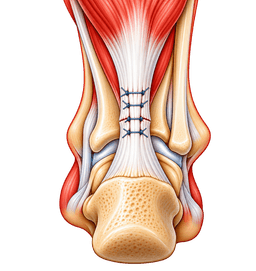
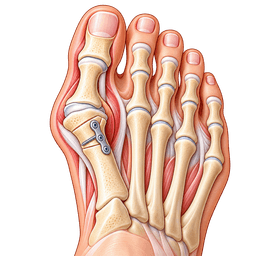
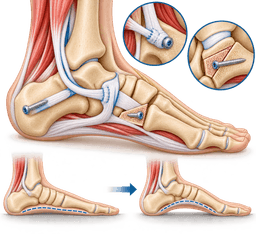
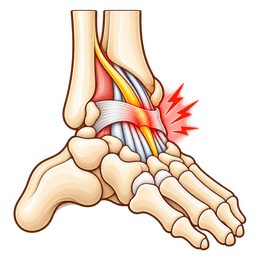
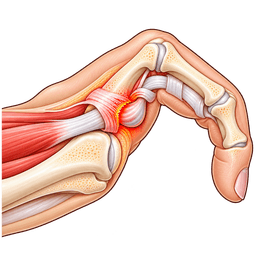
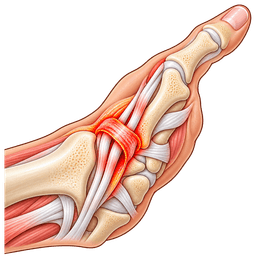
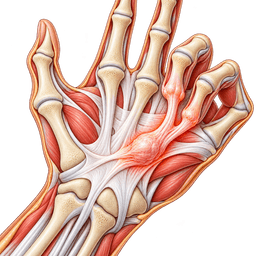
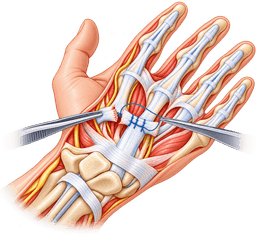
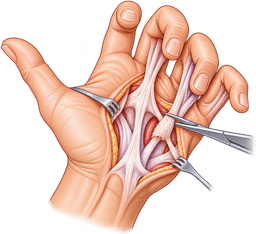
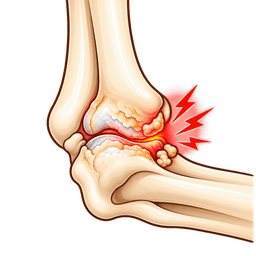
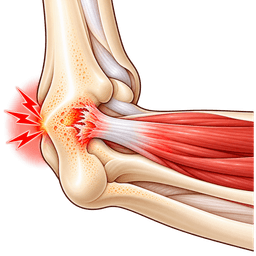
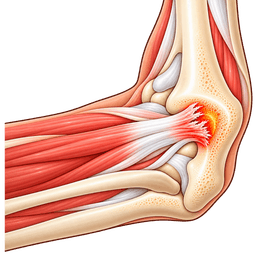
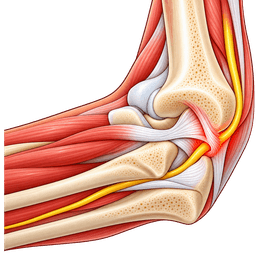
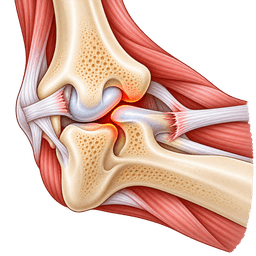
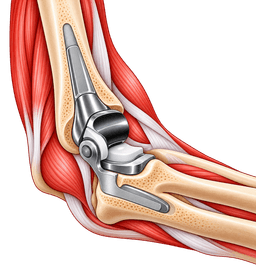
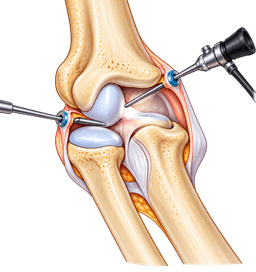
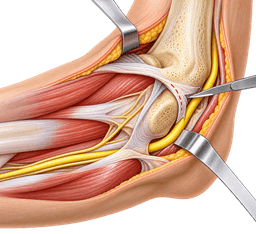
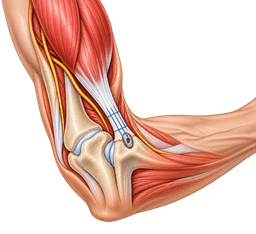
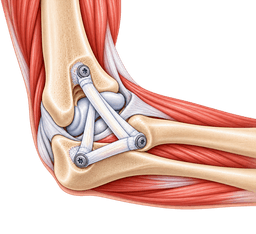
The platform in numbers
Documented, priced and dated.
Every figure below comes from the live database: the guides we have written, the hospitals we have profiled and the price records our Price Engine has verified.
Price records last verified 5 oct. 2026.
61
Procedure guides
each with a Turkey page and a cost guide
66
Condition guides
symptoms, diagnosis, treatment and self-care
753+
Approved price records
benchmarks across 19 countries
9
Hospitals profiled
in 3 Turkish cities, from their own published pages
48 hours
to review your records
2–4 weeks
from plan to surgery date
12 months
remote follow-up after you fly home
4 languages
English, Arabic, French and German coordinators
Every procedure, one coordinated journey.
61 orthopedic procedures across knee, hip, shoulder, spine, foot and ankle, hand and wrist, and elbow, each with a medical guide, a Turkey planning page and a cost comparison.
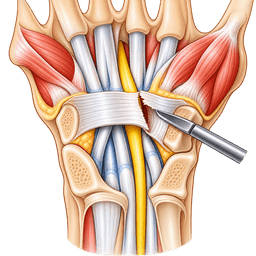
- Carpal Tunnel Release
- Total Hip Replacement
- Anterior Hip Replacement
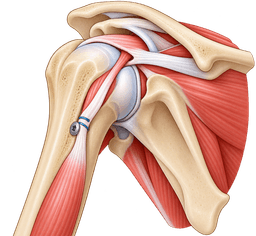
- Reverse Shoulder Replacement
- Robotic Hip Replacement
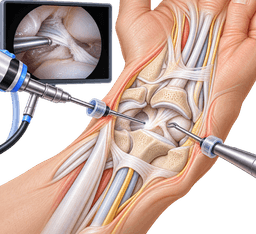
- Wrist Arthroscopy
- Revision Knee Replacement
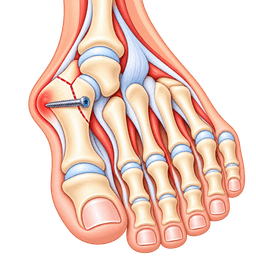
- Bunion Surgery
- Revision Hip Replacement
- ALIF Surgery
- Hip Resurfacing
- Hand / Wrist Fracture Surgery
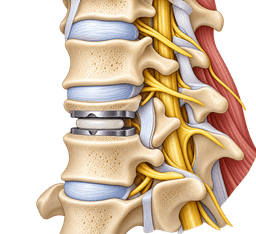
- ACDF
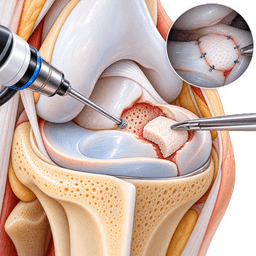
- Meniscus Repair
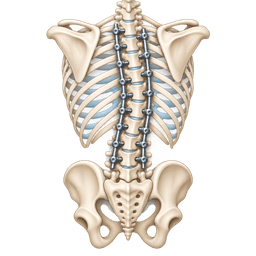
- Scoliosis Surgery
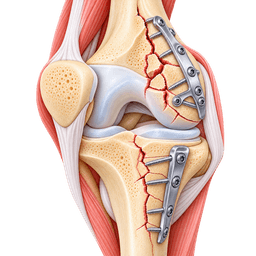
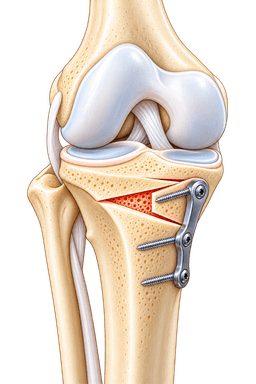
- Knee Fracture Surgery
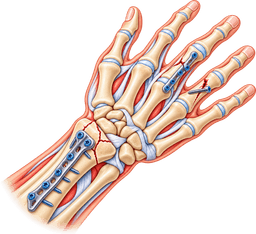
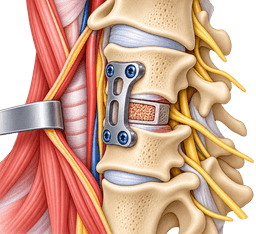
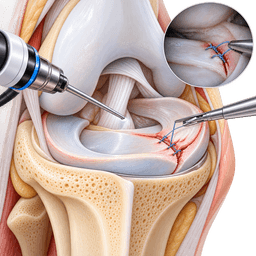
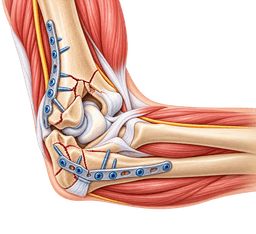
- Microdiscectomy
- Total Knee Replacement
- Elbow Arthroscopy
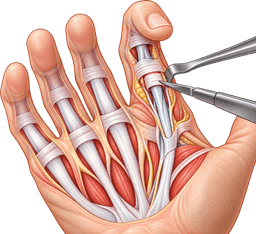
- Trigger Finger Release
- Robotic Knee Replacement
- Achilles Tendon Repair
- Revision Shoulder Replacement
- Elbow Ligament Reconstruction
- Shoulder Arthroscopy
- Dupuytren's Surgery
- Rotator Cuff Repair
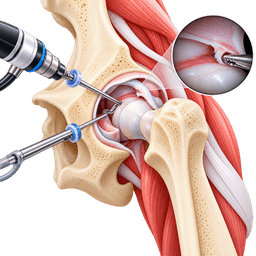
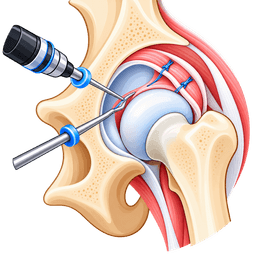
- Hip Arthroscopy
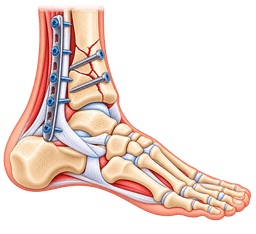
- Foot & Ankle Fracture Surgery
- Biceps Tenodesis
- Knee Osteotomy
- Total Elbow Replacement
- Ankle Arthroscopy
- Partial Knee Replacement
- Partial Shoulder Replacement
- Ulnar Nerve Decompression
- Hip Hemiarthroplasty
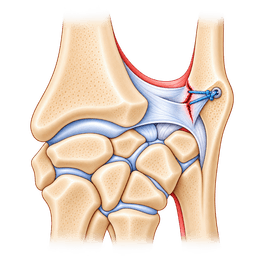
- TFCC Repair
- Knee Arthroscopy
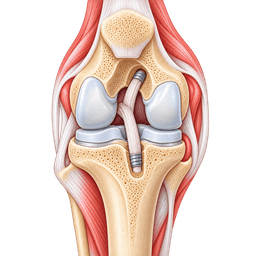
- ACL Reconstruction
- Flatfoot Reconstruction
- Forefoot Surgery
- Shoulder Labral Repair
- Latarjet Procedure
- Hip Fracture Surgery
- MPFL Reconstruction
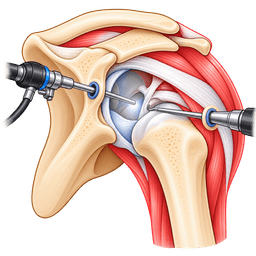
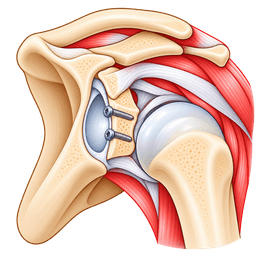
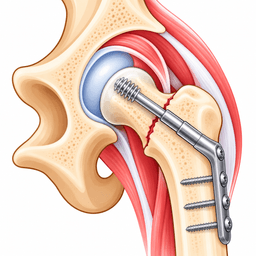
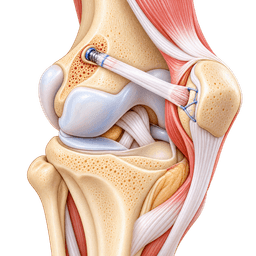
Hover to pause. Select a procedure to open its guide.
Real prices. Real sources. No guesswork.
Our Price Engine maintains approved, source-backed benchmark ranges for 8+ countries and updates them on a rolling cycle. Every cost guide shows what is included, how the comparison was built and when it was last verified.
Typical self-pay range by country
One coordinator, eight clear steps.
From your first message to your final follow-up at home, the pathway is the same one you would expect from a leading hospital in your own country.
- 01
Why Turkey for Orthopedic Surgery
Accredited hospitals, high-volume surgeons, direct flights and transparent pricing: why Turkey has become a leading destination for joint, spine and sports surgery.
- 02
Medical Record Review
How to prepare your imaging and reports so a partner surgeon can confirm the diagnosis, plan and price before you travel.
- 03
Treatment Planning & Quote
Understanding your treatment plan, what the package includes, validity dates and how to compare quotes fairly.
- 04
Travel & Accommodation
Flights, visas, recovery-friendly hotels and what to pack for surgery in Turkey.
- 05
Hospital Admission
Consultation, pre-operative tests, consent and what to expect on admission day.
- 06
Surgery Day
What happens before, during and immediately after your operation.
- 07
Rehabilitation & Recovery
Physiotherapy in hospital and at your hotel, milestones by procedure type and how to continue at home.
- 08
Follow-up After Returning Home
Remote follow-up schedule, wound care, warning signs and how to reach your surgeon.
Why Turkey became a leading destination for orthopedic surgery.
Volume, infrastructure and reach, backed by public figures rather than brochure claims.
1.5M+
international health visitors in 2024
1,506,442 people, up more than 20% on 2023 (Turkish Statistical Institute)
$3B
health-tourism revenue in 2024
about USD 3.0 billion (Turkish Statistical Institute)
~40
JCI-accredited hospitals
among the highest national counts in the world, most of them in Istanbul
122
countries served by Turkish Airlines
285 destinations; more countries than any other airline (Guinness World Records)
77%
typical saving vs US self-pay
total knee replacement, contracted package against approved benchmarks
- 01
Volume breeds expertise
Large private hospitals in Istanbul and Ankara run dedicated orthopedic units where joint replacement, arthroscopy and spine surgery are daily work, not occasional cases.
- 02
Regulated for international patients
Facilities treating patients from abroad need an international health tourism authorisation from the Ministry of Health, on top of national licensing and any JCI or ISO accreditation they hold.
- 03
Modern equipment, familiar implants
Robotic-arm joint replacement, navigation, 3 Tesla MRI and arthroscopy towers from the same manufacturers used in Western Europe and North America, with implants from established global brands.
- 04
One price, one coordinator
All-inclusive packages cover surgeon, anaesthesia, implants, hospital stay and transfers, with a written validity window. Flights, hotel nights and insurance stay separate and visible.
- 05
Short, direct journeys
Istanbul is a 3 to 5 hour flight from most of Europe, the Gulf and North Africa, with direct services from more than 120 countries.
- 06
Recovery-friendly cities
Mediterranean and Aegean cities offer mild winters, flat waterfront walks and hotels used to post-operative guests; the capital offers calm and specialist clinics.
Direct flights to Istanbul
Typical non-stop flight times
- Londonabout 4 h
- Parisabout 3.5 h
- Berlinabout 3 h
- Dubaiabout 4.5 h
- Riyadhabout 4 h
- Casablancaabout 5 h
- New Yorkabout 10 h
Times are approximate scheduled durations. Our flying after surgery guide covers when it is safe to fly home.
Sources: Turkish Statistical Institute health tourism data, 2024 · JCI-accredited hospitals by country · Turkish Airlines network 2025
Hospitals in Istanbul, Ankara and Antalya.
Each profile is written from the hospital's own published pages: orthopedic services, technology, accreditations as the hospital states them, and what we could not verify.

Antalya Yaşam Hospital
Private hospital in Muratpaşa, Antalya, with an orthopedics and traumatology department

BHT Clinic Istanbul Tema Hospital
Large private hospital in Atakent, Küçükçekmece, with an orthopedics and traumatology unit

Biruni University Hospital
University hospital in Küçükçekmece, Istanbul, with a published orthopedics and traumatology department
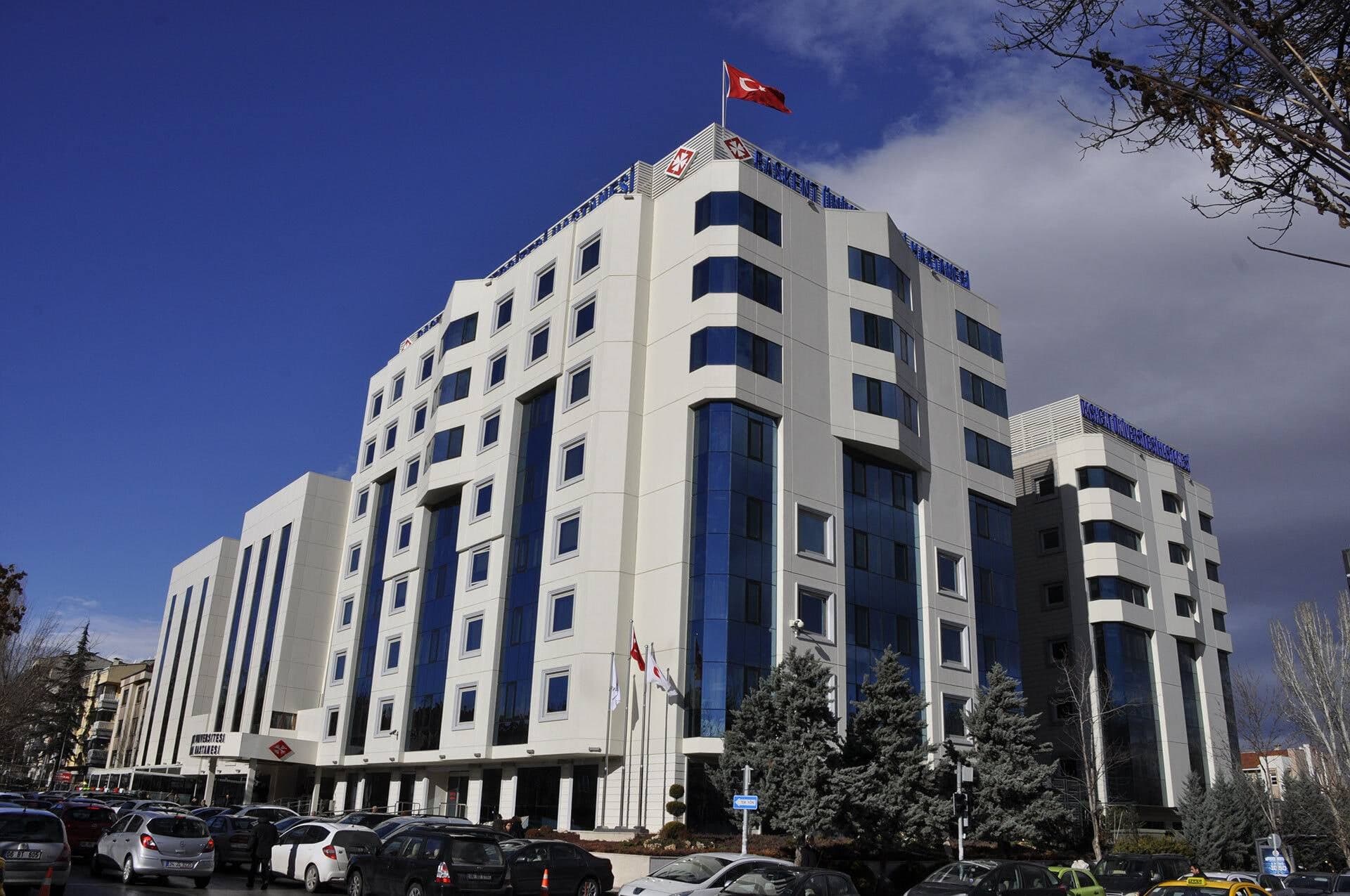
Çankaya Hospital for Orthopedic Care
Çankaya Hospital for Orthopedic Care is an orthopedic hospital in central Ankara with robotic-arm assisted surgery

Güven Hospital
General hospital in Kavaklıdere, Ankara, serving orthopedic and international patients since 1975
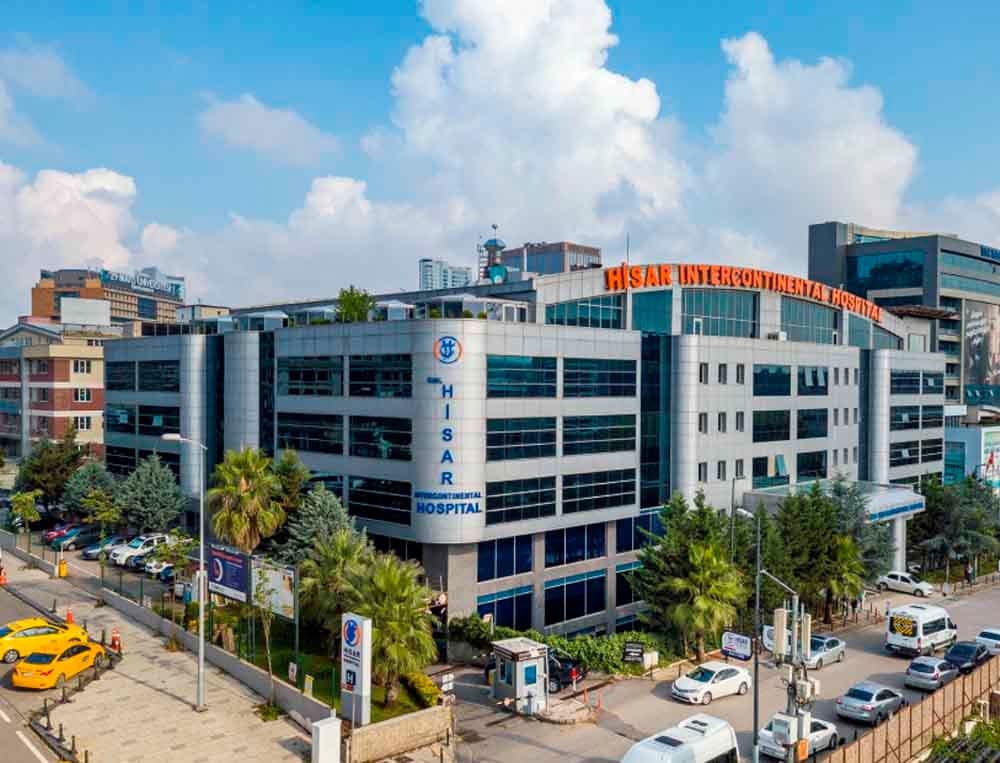
Hisar Intercontinental Hospital
JCI-accredited multi-specialty hospital in Ümraniye with a dedicated orthopedics and traumatology unit
Matched to the right subspecialist, not the nearest one.
Surgeons are independent entities in our network, each linked to the procedures, conditions and hospitals they actually work with.
Prof. Dr. Elif Kaya
Professor of Orthopaedic Surgery
Robotic knee and hip replacement
Prof. Dr. Selin Arslan
Professor of Neurosurgery & Spine Surgery
Endoscopic and motion-preserving spine surgery
Op. Dr. Can Yildiz
Orthopaedic Surgeon, Shoulder & Elbow
Rotator cuff repair and shoulder replacement
Everything patients ask before they travel.
54 answers, grouped by topic. Filter by category or search a word.
54 questions
How does Orthopedics Abroad work?
Is the record review free?
What should I send for a review?
How quickly can surgery be scheduled?
Can I get a second opinion before deciding?
Do I speak to the surgeon before I travel?
Who is my point of contact?
How much can I save compared with the US or UK?
What does the package price include?
What is not included?
Is the price fixed?
Where do your benchmark prices come from?
How do I pay?
What happens to the price if the surgeon finds something extra during surgery?
Can I pay in instalments or use a medical loan?
Are the hospitals accredited?
How are surgeons selected?
Which implants are used?
Do the hospitals use robotic surgery?
Can I choose my surgeon or hospital?
Will the surgeon who reviewed my records be the one operating?
What languages do the hospital staff speak?
How long will I stay in hospital?
How long should I stay in Turkey after surgery?
Who does my physiotherapy?
When can I fly home?
What does recovery look like after a knee or hip replacement?
Will I be in pain?
Can I combine two procedures in one trip?
Which cities do you work in?
Do I need a visa?
Should I bring a companion?
Where do I stay?
Are transfers included?
What should I pack?
Can my family visit me in hospital?
Will my insurance cover surgery abroad?
What documents do I receive after surgery?
Do I need travel insurance?
Can my GP or home surgeon follow me up?
Is my data safe?
Do I sign a contract?
Is orthopedic surgery in Turkey safe?
What if something goes wrong after surgery?
How does the 12-month follow-up work?
Which conditions should not be treated abroad?
Are there risks specific to travelling for surgery?
Can I see outcome data?
Why is Turkey so popular for orthopedic surgery?
How many international patients does Turkey treat?
Is the care comparable with Western Europe?
Which currency are prices in?
Is it easy to get around Istanbul after surgery?
What is the best season to travel?
Send your imaging. Get a surgeon's plan and a fixed price within 48 hours.
No obligation. Reviewed by a subspecialist, not a sales team.