


Biruni University Hospital
University hospital in Küçükçekmece, Istanbul, with a published orthopedics and traumatology department
- Founded
- 2016
- Beds
- 617
- Theatres
- 20
Key takeaways
- 1Biruni University Hospital is the Faculty of Medicine hospital of Biruni University, based on a health campus in Küçükçekmece, Istanbul.
- 2Its website says the institution was established in 2016 and that the current campus building started serving patients in 2023.
- 3The hospital states a capacity of 617 beds, 100 intensive care beds and 20 operating rooms, one of them a hybrid operating room.
- 4The orthopedics and traumatology department lists trauma, spine, sports surgery, joint replacement, robotic surgery and deformity correction among its surgical services.
- 5The hospital states that it has been assessed against the Temos International Healthcare Accreditation Standards for "Quality in Medical Care"; ask for current certificates before you commit.
- 6Patients with acute injuries are treated locally first; travel to Istanbul suits stable, planned cases reviewed in advance.
About Biruni University Hospital
Biruni University Hospital is a large university hospital on the European side of Istanbul, and its orthopedics and traumatology department is the part of it that matters to a patient planning joint, spine or sports surgery in turkey. This page summarises what the hospital publishes about itself, explains what an international patient should check, and shows how a case can be coordinated through Orthopedics Abroad's network.
Who the hospital is
Biruni University Hospital describes itself as the Faculty of Medicine hospital of Biruni University. According to its website, it was established in 2016 with the aim of providing care to international standards, and its current building began serving patients in 2023 on a health campus in the Küçükçekmece district of Istanbul. The university also has a separate dental hospital, and the hospital website carries an education and research section.
The hospital's website explains the name: it honours Al-Biruni, the scholar from Khwarezm who lived from 973 to 1048 and worked in mathematics, astronomy and geology. The page presents the institution as one that combines patient care with teaching, research and the training of health professionals, which is typical of a university hospital.
Size and capacity as published
The figures on the hospital's about page are specific. It lists 617 beds, 100 intensive care beds, 20 operating rooms of which one is hybrid, 150 polyclinic rooms and roughly 80,000 m² of indoor space. These numbers describe the whole hospital, not only orthopedics, but they matter for orthopedic patients because large joint and spine operations depend on theatre capacity and intensive care back-up.
A hybrid operating room combines an operating theatre with advanced imaging. The site mentions it as part of the 20 rooms, equipped with advanced technology, but does not say which specialties use it. Ask the coordinator whether your planned procedure would ever need it.
The orthopedics and traumatology department
The Biruni University Hospital orthopedics department is the focus of this page. The department's page defines its field as disorders of the movement system: muscles, bones, joints, ligaments, tendons and nerves. It covers problems from congenital anomalies to sports injuries and bone tumours. Surgical services named there are trauma surgery, spine surgery, sports surgery, joint replacement, robotic surgery and deformity correction, alongside non-surgical options such as physiotherapy, injections and orthotics.
The department also lists diagnostic tools: X-ray, CT, MRI, ultrasonography, arthroscopy, laboratory tests, electromyography and gait analysis. The next sections of this page describe each area in more detail and show where it links to our procedure and cost guides.
Why an international patient might consider it
Anyone weighing orthopedic surgery in Istanbul can start with three published facts. They make Biruni University Hospital worth a closer look. First, it is a university hospital with a full range of departments on one campus, including radiology, neurosurgery, rheumatology and intensive care. Second, its website is offered in English, Turkish, Spanish, French, Arabic and Russian, which suggests it expects foreign readers. Third, it states a Temos quality assessment and has an ISO certificates page. None of this predicts your personal outcome, so compare this orthopedic hospital in Istanbul with other options in our hospital directory.
For a wider picture of the city, read our Istanbul guide and the overview of orthopedic care in turkey. When you are ready, you can send your scans through the quote form and we will route them to the team for an opinion on suitability.
The extended profile of Biruni University Hospital is easiest to understand as a university campus hospital: many specialties under one roof, a teaching mission, and a location in Küçükçekmece on the western side of Istanbul. This section collects what the hospital publishes about its history, its structure and its quality systems, and notes where details are not published.
History and university context
The hospital's own account says it was established in 2016. Its about page adds that the hospital's new building opened for service in 2023 on a health campus in Küçükçekmece. The original campus was in Florya, another Istanbul district, according to the same page. For a patient, the practical point is that the address used today is the Küçükçekmece campus, so make sure any appointment letter names that location.
The hospital is linked to Biruni University and operates as its Faculty of Medicine hospital. A university affiliation usually means residents and students are present in clinical areas. Ask your coordinator how teaching is organised around your case and who will lead the operation, since the website does not describe this in detail.
Specialties on the campus
The about page lists a broad set of departments, among them cardiology, paediatrics, neurosurgery, orthopedics, traumatology, radiology, radiation oncology, rheumatology, medical genetics, medical oncology, interventional radiology and maxillofacial surgery. Orthopedic patients often need support from several of these: radiology for imaging, rheumatology when inflammatory arthritis is involved, and neurosurgery colleagues when spinal nerves are affected.
The wider mix does not mean every combination of conditions is suitable for travel. A patient with serious heart disease, for instance, needs a proper pre-operative assessment, and the hospital's team decides whether surgery can go ahead safely.
Campus, theatres and intensive care
Published capacity figures include 617 beds, 100 intensive care beds, 150 polyclinic rooms and 20 operating rooms, one hybrid, in about 80,000 m² of indoor area. A large intensive care capacity is reassuring for complex surgery, although the site does not break the numbers down by specialty. Request the number of beds and the type of room reserved for orthopedic patients when you receive your plan.
| Item | As stated by the hospital |
|---|---|
| Established | 2016 |
| Current campus opened | 2023, Küçükçekmece, Istanbul |
| Beds | 617 |
| Intensive care beds | 100 |
| Operating rooms | 20, one of them hybrid |
| Polyclinic rooms | 150 |
| Indoor area | about 80,000 m² |
Quality and certification
The hospital's quality page states that it has been assessed and found to meet the Temos International Healthcare Accreditation Standards for "Quality in Medical Care". A separate ISO certificates page shows a certificate image, but the page text does not name the ISO standards or their scope. The site also has a quality policy page.
These statements are the hospital's own. Temos is a different system from JCI, and this page does not claim any JCI status. Because certificates expire and scopes differ, ask for the current documents and the scope they cover before you rely on them.
What is not published
The website does not give a total number of doctors, a list of orthopedic implant brands, annual surgical volumes or complication statistics, and we do not state any. If these matter to your decision, put them on your list of questions. Our guide to questions to ask before surgery abroad offers a ready checklist.
Biruni University Hospital is available through Orthopedics Abroad's network, which means we coordinate enquiries and records. We are not the hospital, we do not own it, and decisions about treatment are made by its clinicians.
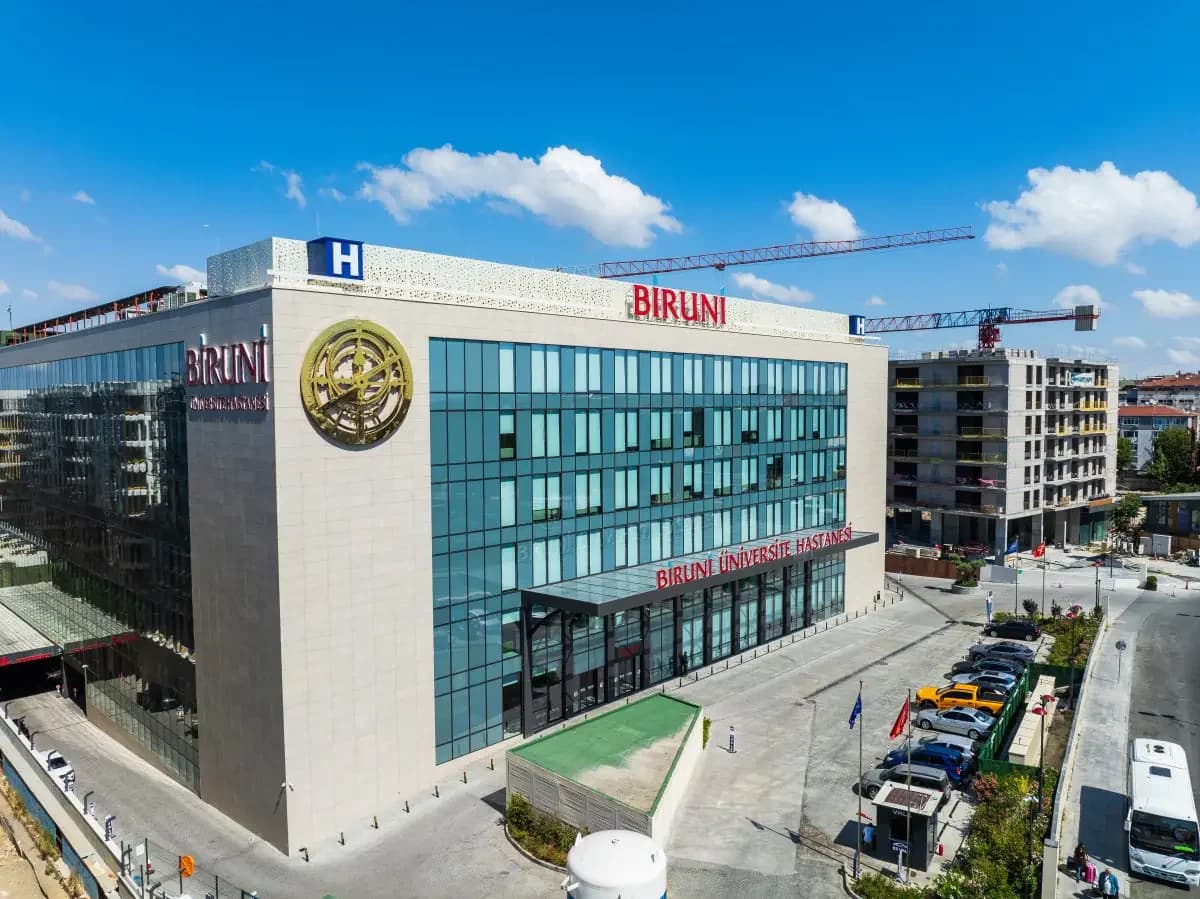
Photos of Biruni University Hospital
Orthopedics and traumatology at Biruni University Hospital
The orthopedics and traumatology department at Biruni University Hospital covers the full movement system, and its page names trauma, spine, sports surgery, joint replacement, robotic surgery and deformity correction as surgical services. This section turns that list into plain language and points to our guides, without promising that every procedure is offered to every patient.
Joint replacement
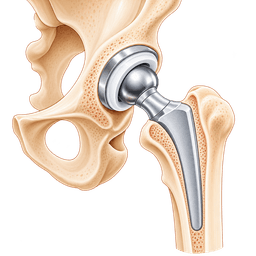
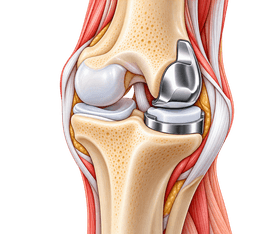
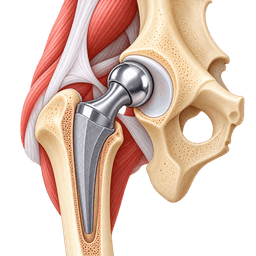
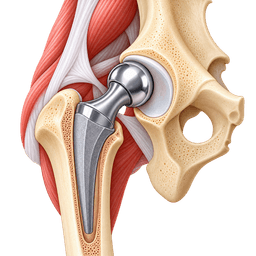
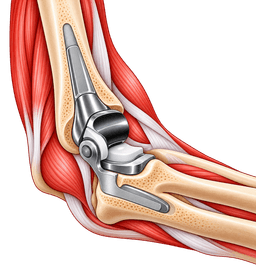
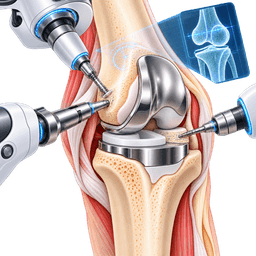
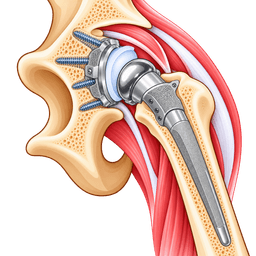
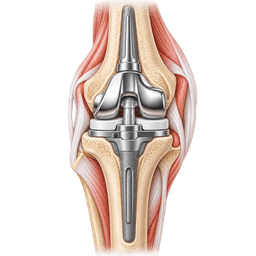
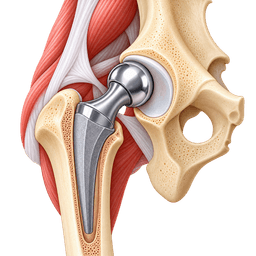
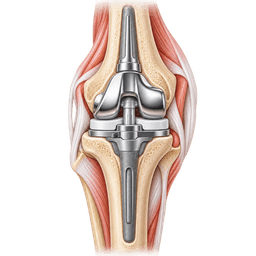
Joint replacement in Istanbul is on the department's list of surgical treatments. For most international patients this means knee or hip arthritis that no longer responds to medication, injections or physiotherapy. Our guides explain total knee replacement and total hip replacement, and the matching cost guides for knee and hip replacement show what drives the quote.
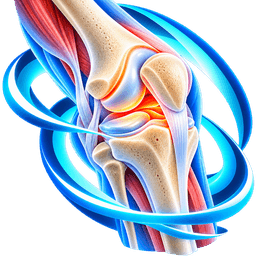
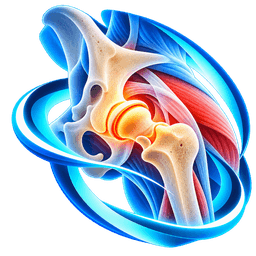
The department's page lists osteoarthritis, rheumatoid arthritis and gout among the joint diseases it treats. If your condition is knee osteoarthritis, the page on the knee body area is a useful starting point at knee care; hip patients can read hip care. Which implant and technique is used must be confirmed in writing for your case.
Robotic surgery
Robotic surgery appears in the department's list of surgical treatments, described in connection with hip and knee replacement. The department page describes it as advanced precision in hip and knee replacements, but it does not name a robotic platform, so we cannot tell you whether a robot would be used for your knee or hip. Ask the coordinator which system is available, which procedures it supports and whether it adds anything to your particular plan.
Sports surgery and arthroscopy
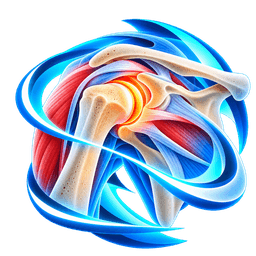
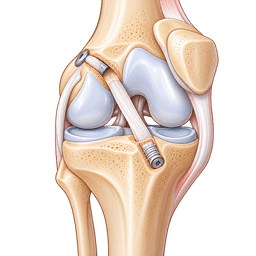
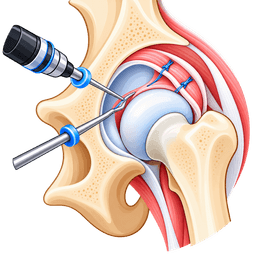
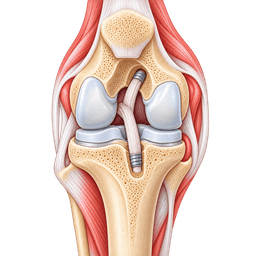
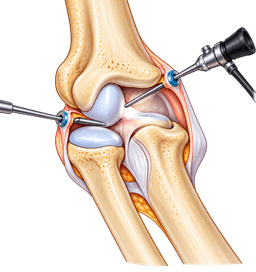
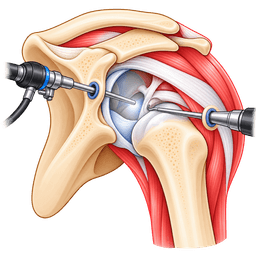
Sports surgery and arthroscopy both appear on the page, together with soft tissue problems such as muscle tears and tendonitis. Keyhole surgery is commonly used for meniscus, ligament and cartilage problems in the knee and for rotator cuff and labral problems in the shoulder. See our guides to knee arthroscopy and shoulder arthroscopy, and the shoulder care page.
The hospital does not publish a list of named ligament or cartilage operations. A patient with an ACL tear, for example, should ask directly whether reconstruction is performed and by which technique, rather than assume it from the general title.
Trauma and fractures
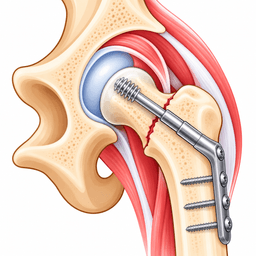
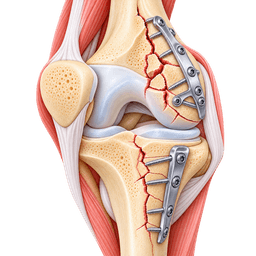
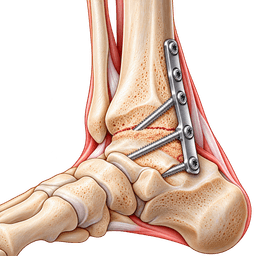
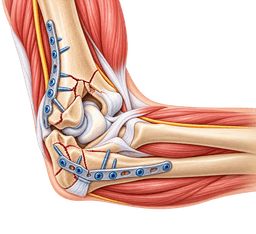
Trauma surgery is listed, and the page names fractures and dislocations among trauma-related injuries. Fracture care in turkey is primarily relevant to patients who are already stable, for example after a first treatment at home that needs revision or reconstruction. Our guides explain hip fracture surgery and knee fracture surgery.
An acute fracture or serious injury must be treated at the nearest suitable hospital where you are. Do not delay emergency care to travel. Long-distance travel is only for planned or stable situations after a clinician agrees it is safe.
Spine and deformity correction
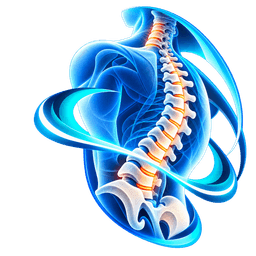
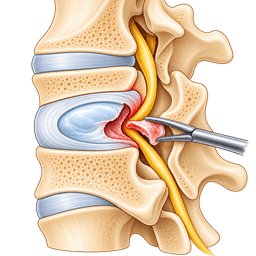
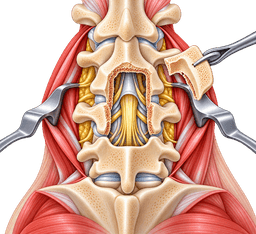
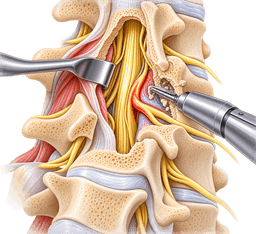
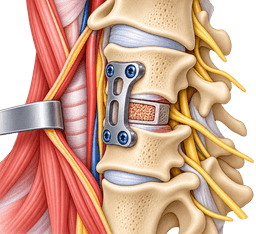
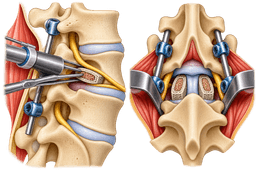
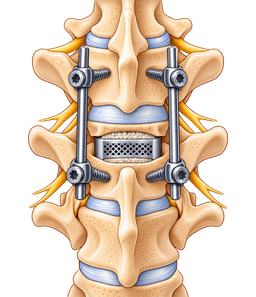
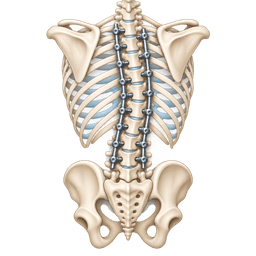
The department lists spinal disorders such as herniated discs, scoliosis and kyphosis, and names spine surgery and deformity correction among its services. Related guides include microdiscectomy and scoliosis surgery, plus our spine care page and the condition guide for a herniated disc.
Spinal surgery depends heavily on imaging and on the surgeon's experience with your exact diagnosis. The hospital also lists neurosurgery as a separate department, so ask which team would operate and whether both are involved.
Non-surgical care and diagnostics
Not every orthopedic problem needs an operation. The department lists medicines, physiotherapy, cortisone or hyaluronic acid injections and orthotics as non-surgical options. Diagnostic services include X-ray, CT, MRI, ultrasound, electromyography and gait analysis. A remote opinion will often lead to a recommendation to continue conservative care at home, and that is a legitimate result.
| Area | Stated by the department | Our related guide |
|---|---|---|
| Joint replacement | Listed as a surgical service | Total knee replacement |
| Sports surgery and arthroscopy | Listed, with soft tissue injuries | Knee arthroscopy |
| Trauma | Fractures and dislocations | Hip fracture surgery |
| Spine and deformity | Herniated discs, scoliosis, kyphosis | Scoliosis surgery |
| Robotic surgery | Hip and knee replacement, platform not named | Orthopedics in turkey |
| Non-surgical care | Medicines, physiotherapy, injections, orthotics | Rehabilitation |
Treat this table as a map of what the hospital says it does, not as a promise of availability. Confirm each service for your diagnosis during the records review described in our medical record review guide.
Biruni University Hospital: accreditations, technology and facilities
Accreditations
- The hospital states that it has been assessed and found to meet the Temos International Healthcare Accreditation Standards for "Quality in Medical Care".
- Its website carries an ISO certificates page showing a certificate image; the standards are not named in the page text, so ask which ISO standards apply.
- The site also publishes a quality policy page; ask how it is applied to orthopedic surgery and implant tracking.
- No JCI accreditation is claimed on the pages we reviewed. Ask for current certificates and their expiry dates before you decide.
Technology
- Imaging named by the orthopedics department: X-ray, CT, MRI and ultrasonography.
- Arthroscopy is listed as both a diagnostic and treatment method.
- Electromyography is listed for nerve and muscle assessment.
- Gait analysis is listed among diagnostic methods.
- Robotic surgery is listed for hip and knee replacements; the platform is not named on the page.
- A hybrid operating room "equipped with advanced technology devices", as described in general terms by the hospital.
Facilities
- A stated capacity of 617 beds on the Küçükçekmece health campus.
- 100 intensive care beds, according to the hospital's about page.
- 20 operating rooms, one of which is a hybrid operating room.
- 150 polyclinic rooms and about 80,000 m² of indoor area.
- On-campus departments that include radiology, interventional radiology, neurosurgery, rheumatology and radiation oncology.
- An online appointment portal, an e-results portal and a WhatsApp call centre listed on the contact page.
- A separate dental hospital run by the same university, listed as an affiliated institution.
International patient services
- The hospital's website is available in Turkish, English, Spanish, French, Arabic and Russian.
- The about page calls the hospital a reference centre for international patients offering advanced treatment methods.
- A WhatsApp call centre and a general phone line are published on the contact page.
- An online appointment portal is available; ask whether it works for overseas patients.
- Interpreters, airport transfers and accommodation help are not described on the pages we reviewed, so confirm them with the coordinator.
Orthopedic procedures available at Biruni University Hospital
61 procedures listed from the hospital's own pages. Hover to pause, select one to read about it.
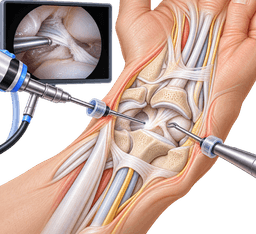
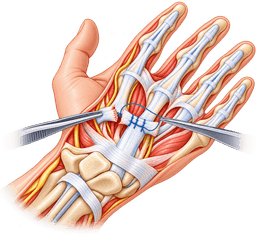
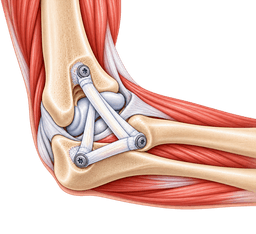
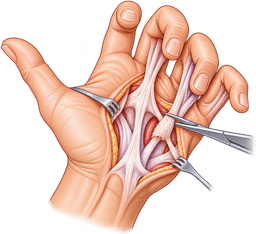
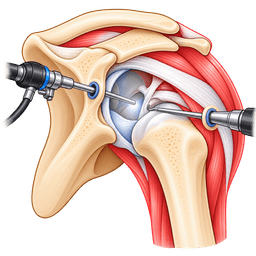
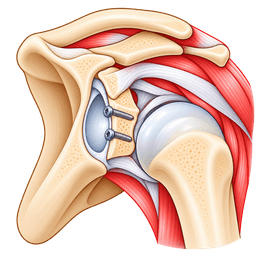
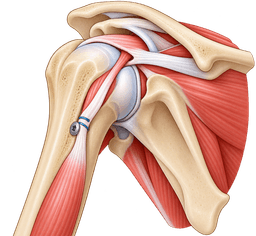
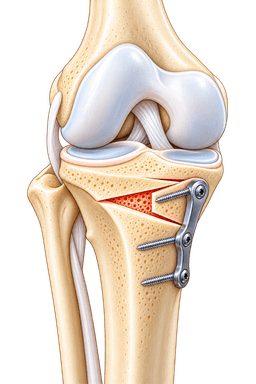
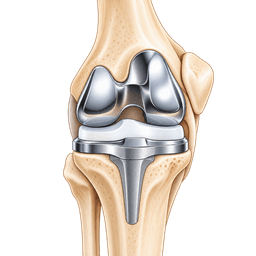
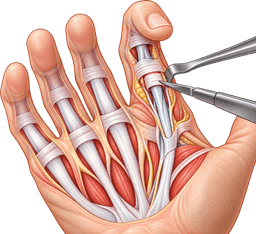
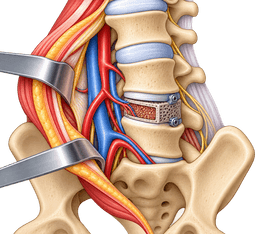
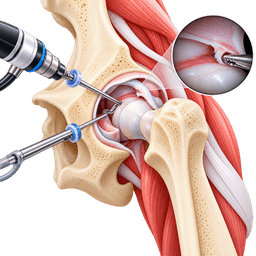
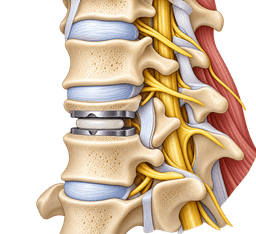
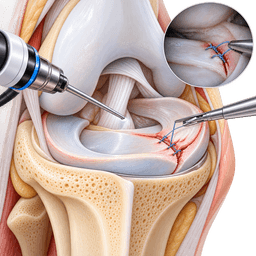
- Carpal Tunnel Release
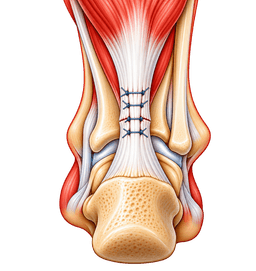
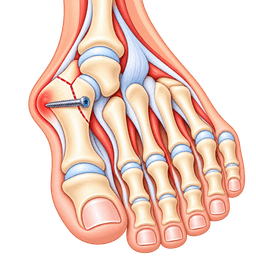
- Bunion Surgery
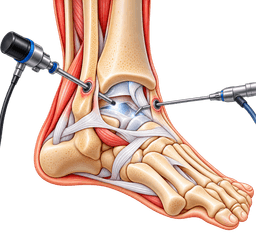
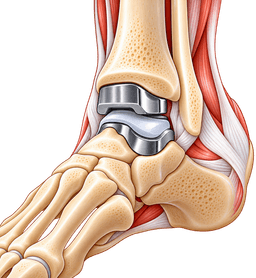
- Total Ankle Replacement
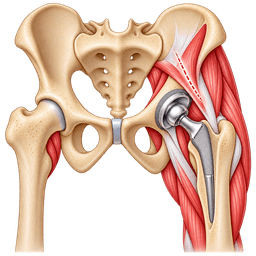
- Anterior Hip Replacement
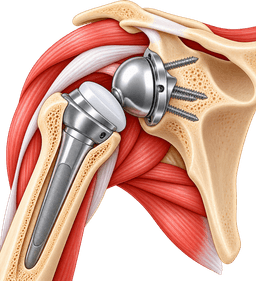
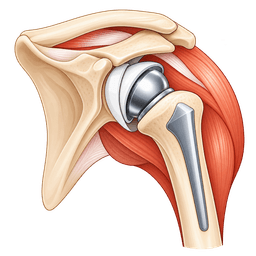
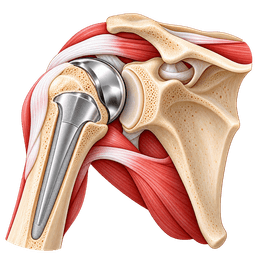
- Partial Shoulder Replacement
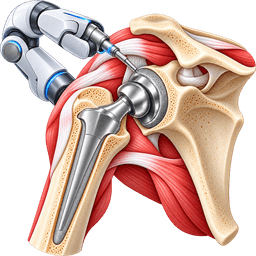
- Robotic Hip Replacement
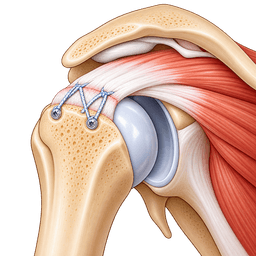
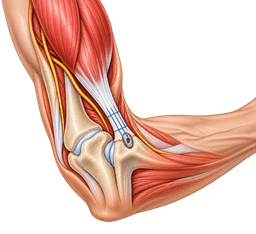
- Distal Biceps Repair
- Shoulder Arthroscopy
- Knee Arthroscopy
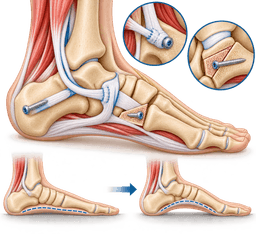
- Flatfoot Reconstruction
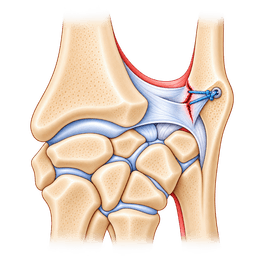
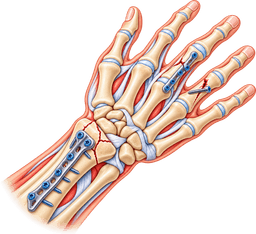
- Hand / Wrist Fracture Surgery
- Forefoot Surgery
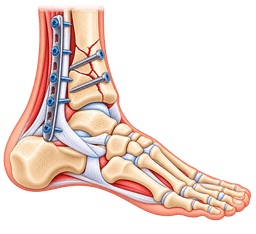
- Foot & Ankle Fracture Surgery
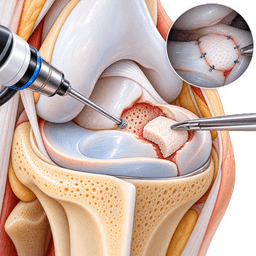
- Cartilage Restoration
- MPFL Reconstruction
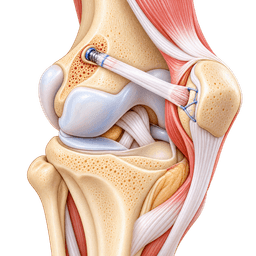
International patients at Biruni University Hospital
For an international patient, care at Biruni University Hospital starts well before travel: a records review, a written plan, a decision on timing, and a clear follow-up route. The hospital's website confirms a multilingual site and a general contact line; the detailed steps below describe how Orthopedics Abroad coordinates a case, and where you should ask the hospital for confirmation.
What the hospital publishes
The hospital states that it is a reference centre for international patients and offers its website in six languages: Turkish, English, Spanish, French, Arabic and Russian. Its contact page lists a phone number, a WhatsApp call centre, an online appointment portal and an e-results portal. The pages we reviewed did not describe interpreters, a named international patient office, airport transfers or hotel help, so we do not assume them.
Step 1: send your records
Through our quote request you can upload imaging reports, scans, operation notes and a short history. A clinician at the hospital must review them before any plan is made. Our medical record review guide lists what helps most, such as recent MRI or X-ray images, previous operation reports and current medicines.
Step 2: receive a written plan
You should get a written recommendation naming the proposed procedure, the likely stay in hospital, the expected recovery time away from home and the main risks. If the advice is not to operate, accept that outcome. Cost information comes separately from the hospital's offer; our cost guides explain what the price usually includes without quoting figures here.
Step 3: travel and admission
Once the plan is accepted, we help align dates with your flights and your companion's schedule. Read the travel and accommodation guide and the hospital admission guide before you leave. Bring identification, insurance papers if relevant, and copies of all records, even if you sent them in advance.
Step 4: stay and recovery
The length of a stay depends on the operation and your recovery. Many patients are asked to remain in Istanbul for a period after joint surgery for wound checks and early physiotherapy before flying; the surgeon sets the date. Our guides on rehabilitation and flying after surgery explain the usual reasoning.
Step 5: follow-up at home
Plan follow-up before you travel. Agree how scans, wound photos and physiotherapy notes will be shared with the hospital, and identify a local clinician at home who will accept your care. See follow-up after returning home.
| What to organise | When | Notes |
|---|---|---|
| Imaging and reports | Before the quote | Recent, readable files and a medication list |
| Written plan and inclusions | Before booking | Procedure, implant type, expected stay |
| Passport, visa check, insurance | 4 to 6 weeks ahead | Check entry rules for your nationality |
| Companion and lodging | Before flights | See our companion guide |
| Follow-up arrangement | Before surgery | Local clinician and a shared records route |
Honest limits
Treatment abroad is not suitable for emergencies or acute trauma, which need immediate local care. It also may not suit people whose health is unstable or who cannot travel safely. No outcome can be promised, and the hospital's clinicians make the final decision about whether to operate. Orthopedics Abroad coordinates and informs; it does not provide medical treatment.
Is Biruni University Hospital right for your orthopedic surgery?
Biruni University Hospital may suit patients who want a university hospital with broad specialties, a published orthopedics and traumatology department and a campus in western Istanbul, as long as their own case checks out against the points below. This is not a ranking and it does not say the hospital is better or worse than another one.
Patients who may find it a reasonable fit
Patients who want joint replacement Istanbul options, or spine and sports care, are the usual candidates. People with a planned joint, spine or sports problem and stable general health are the usual candidates: knee or hip arthritis, a meniscus or ligament injury, shoulder problems, or a spinal condition such as a herniated disc. Patients who value having radiology, intensive care and other departments on one campus may also prefer a hospital of this kind to a small specialist clinic.
Anyone searching for university hospital orthopedics turkey will find this one on the Küçükçekmece campus; Biruni University Hospital Küçükçekmece is how many patients refer to it. Patients who read Arabic, French, Spanish, Russian or English may appreciate that the hospital's website is offered in these languages, though language support in the ward is something to confirm. Those who want robotic hip or knee replacement should ask, because the page lists it without naming the system.
Cases that need extra scrutiny
Complex revision surgery, multi-level spinal fusion, bone tumour treatment or surgery for patients with heart, kidney or lung disease needs careful discussion. A university hospital has many departments, but the real question is whether the team has handled cases like yours often. Ask for the experience of the surgeon who will operate, in general terms, and for how complications are handled.
If you are on blood thinners, have diabetes or a previous infection around an implant, say so at the first contact. The plan, and even the decision to travel, may change.
Questions to ask before choosing
- Surgeon fit: who will operate, and does that surgeon regularly perform your procedure?
- Implants: which brand and model, and will you receive an implant card?
- Robotics and navigation: which system, and is it relevant to you?
- Intensive care: is it needed in your plan, and where would you be cared for?
- Language: will an interpreter be present during consultations and at discharge?
- Follow-up: how will you be contacted after you fly home?
- Certificates: which accreditation and ISO documents are current?
Comparing options sensibly
Do not choose a hospital on a website alone. Compare the written plan from Biruni University Hospital with the plan you can get at home and with offers from other hospitals in our directory. Look at what is included, how long you must stay, and how complications would be handled. Our guide on questions to ask before surgery abroad helps structure the comparison.
If the answers are clear and consistent, a planned operation at Biruni University Hospital may be a sound option. If they are vague, pause. A good coordinator will welcome these questions rather than avoid them, and you can send yours through the quote form.
Getting to Biruni University Hospital in Istanbul
Biruni University Hospital stands in Küçükçekmece on the European side of Istanbul, with its address at Halkalı Caddesi No: 99 in the Gültepe neighbourhood. Istanbul is a very large city, so the route from the airport depends on the traffic and the time of day; your coordinator will advise the most practical way on the day you arrive.
Where the hospital is
Küçükçekmece is a western district of Istanbul, lying toward the Sea of Marmara. The hospital's contact page gives the full address as Gültepe Mah. Halkalı Cd No: 99, 34295 Küçükçekmece. It does not publish coordinates, though it links to a map, so we have left them out. Use the address and the hospital's map link when booking a taxi.
Directions published by the hospital
The hospital describes access from the E5 highway at the Sefaköy stop. By public transport from the İncirli or Beylikdüzü direction, it suggests taking the Metrobus or a bus to the E5 Sefaköy stop, about a 2-minute walk from the entrance. From Başakşehir or Halkalı, it recommends a bus or minibus to the Sefaköy Metrobus stop. By car from Beylikdüzü, it points to the E5 Sefaköy side road, around a 1-minute drive.
Patients after surgery usually should not use crowded public transport. Ask the coordinator about a private transfer, and confirm it in advance because the website does not describe airport pick-ups.
Reaching Istanbul
Istanbul has two main airports, Istanbul Airport on the European side and Sabiha Gökçen on the Asian side. Which is easier depends on your airline and the day; both involve a road journey across a large city. We do not quote distances or journey times because traffic varies strongly. Tell the coordinator your flight details and ask for the likely transfer time for your arrival hour.
Where to stay
Many patients stay close to the hospital in the first days so wound checks and physiotherapy are easy. Others choose a hotel or apartment in a calmer district. The hospital's pages do not mention partner hotels, so ask your coordinator for suggestions, and read our travel and accommodation guide and companion guide. Choose a place with a lift, a step-free bathroom and an easy taxi pick-up if you will use crutches or a walker.
Season and recovery
Istanbul has hot, humid summers and cool, wet winters, with milder spring and autumn weather. For recovery, walking aids and slippery pavements in wet weather can be a concern, and in summer heat you may tire more quickly. Choose dates with your surgeon and consider the flight home: see flying after surgery for the usual timing questions.
For more on the city, visit the Istanbul page. For the arrival day, read the hospital admission guide.
Sources for this Biruni University Hospital guide
Peer-reviewed guidance and institutional sources used to write and review this page.
- 01Orthopedics and Traumatology
Biruni University Hospital, 2026
https://www.biruniuniversityhospital.com/treatments/orthopedics-and-traumatology
- 02
- 03
- 04ISO Certificates and Accreditation
Biruni University Hospital, 2026
https://www.biruniuniversityhospital.com/iso-certificates
- 05
- 06
- 07Total knee replacement
American Academy of Orthopaedic Surgeons, 2026
https://orthoinfo.aaos.org/en/treatment/total-knee-replacement/
Biruni University Hospital: frequently asked questions
Does Biruni University Hospital treat international patients?
Which orthopedic treatments does Biruni University Hospital offer?
Is Biruni University Hospital accredited?
Where is Biruni University Hospital located?
How big is Biruni University Hospital?
Does Biruni University Hospital use robotic surgery?
How do I send my records for review?
Can I have a remote consultation?
Does the hospital have a hybrid operating room?
How long should I stay in Istanbul after surgery?
Is Biruni University Hospital suitable for emergencies?
What does Biruni University Hospital charge for orthopedic surgery?
Who will be my surgeon at Biruni University Hospital?
Other partner hospitals
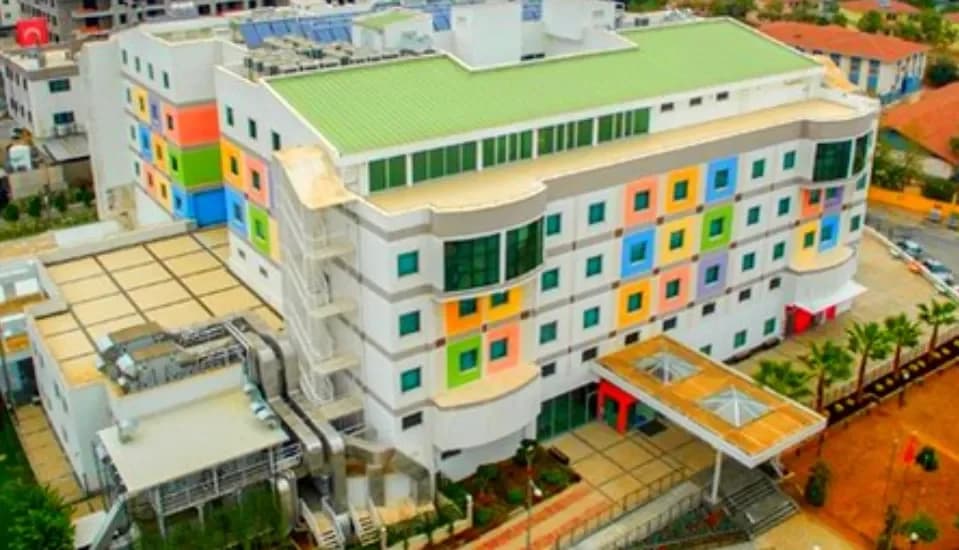

Antalya Yaşam Hospital
Private hospital in Muratpaşa, Antalya, with an orthopedics and traumatology department
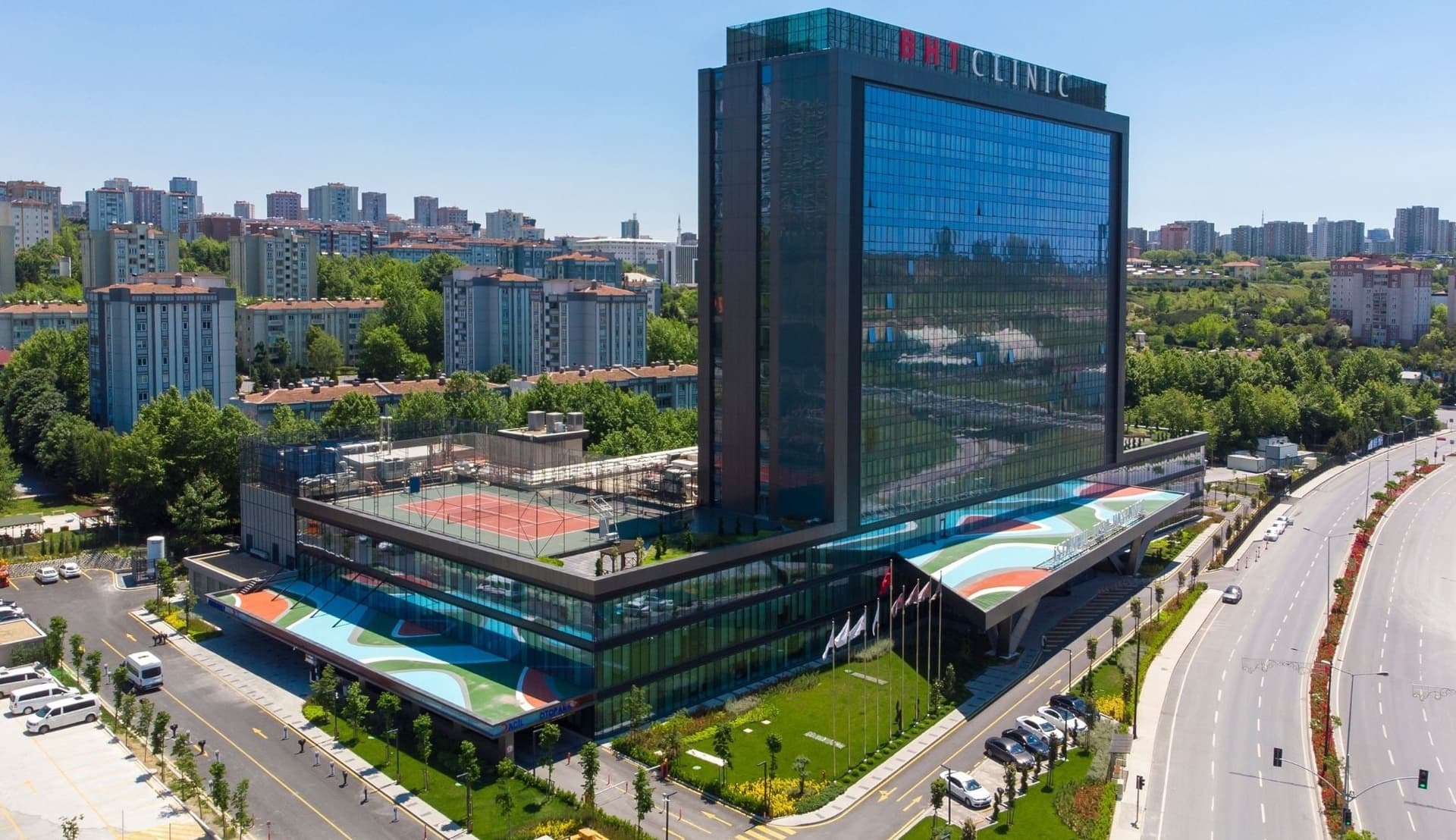

BHT Clinic Istanbul Tema Hospital
Large private hospital in Atakent, Küçükçekmece, with an orthopedics and traumatology unit
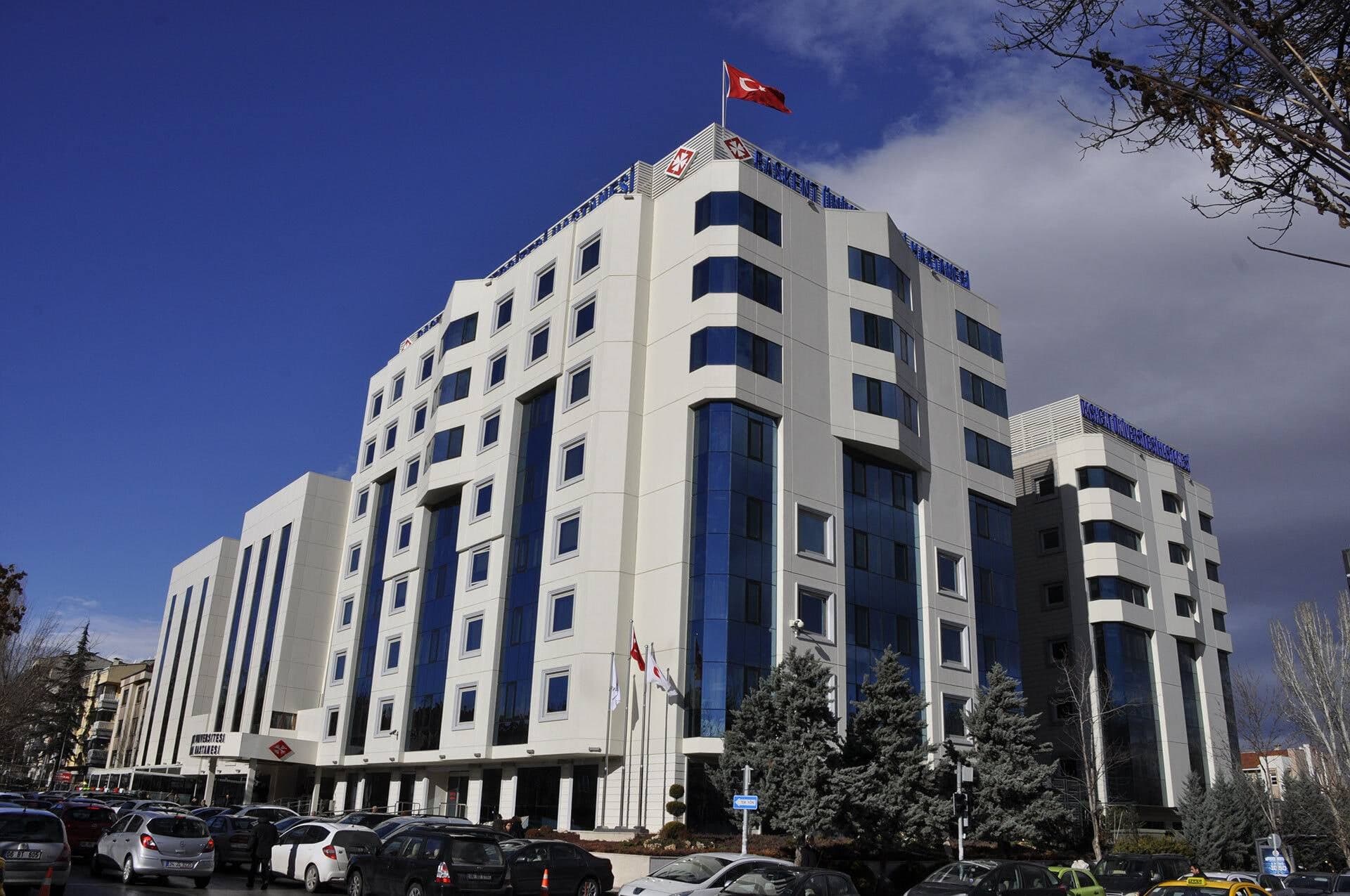

Çankaya Hospital for Orthopedic Care
Çankaya Hospital for Orthopedic Care is an orthopedic hospital in central Ankara with robotic-arm assisted surgery