



Key takeaways
- 1Hip replacement surgery replaces both sides of the damaged ball-and-socket hip joint with artificial components and is most commonly performed for severe osteoarthritis that causes persistent pain and loss of function.
- 2A primary total hip replacement usually takes around 1–2 hours, and modern enhanced-recovery pathways often allow patients to begin walking on the day of surgery or within 24 hours.
- 3Most patients regain a large proportion of ordinary daily function within about six weeks, but strength, endurance and confidence may continue improving for three months or longer.
- 4Modern hip replacements are highly durable. A 2026 analysis of almost 1.9 million registry procedures estimated contemporary implant survivorship at 93.6% at 20 years and projected approximately 92% survivorship at 30 years.
- 5Anterior, posterior and other surgical approaches can all produce good results. Current AAOS guidance does not identify one universally preferred approach; surgeon experience and patient anatomy are more important than marketing a particular incision as inherently superior.
Overview
What is hip replacement surgery?
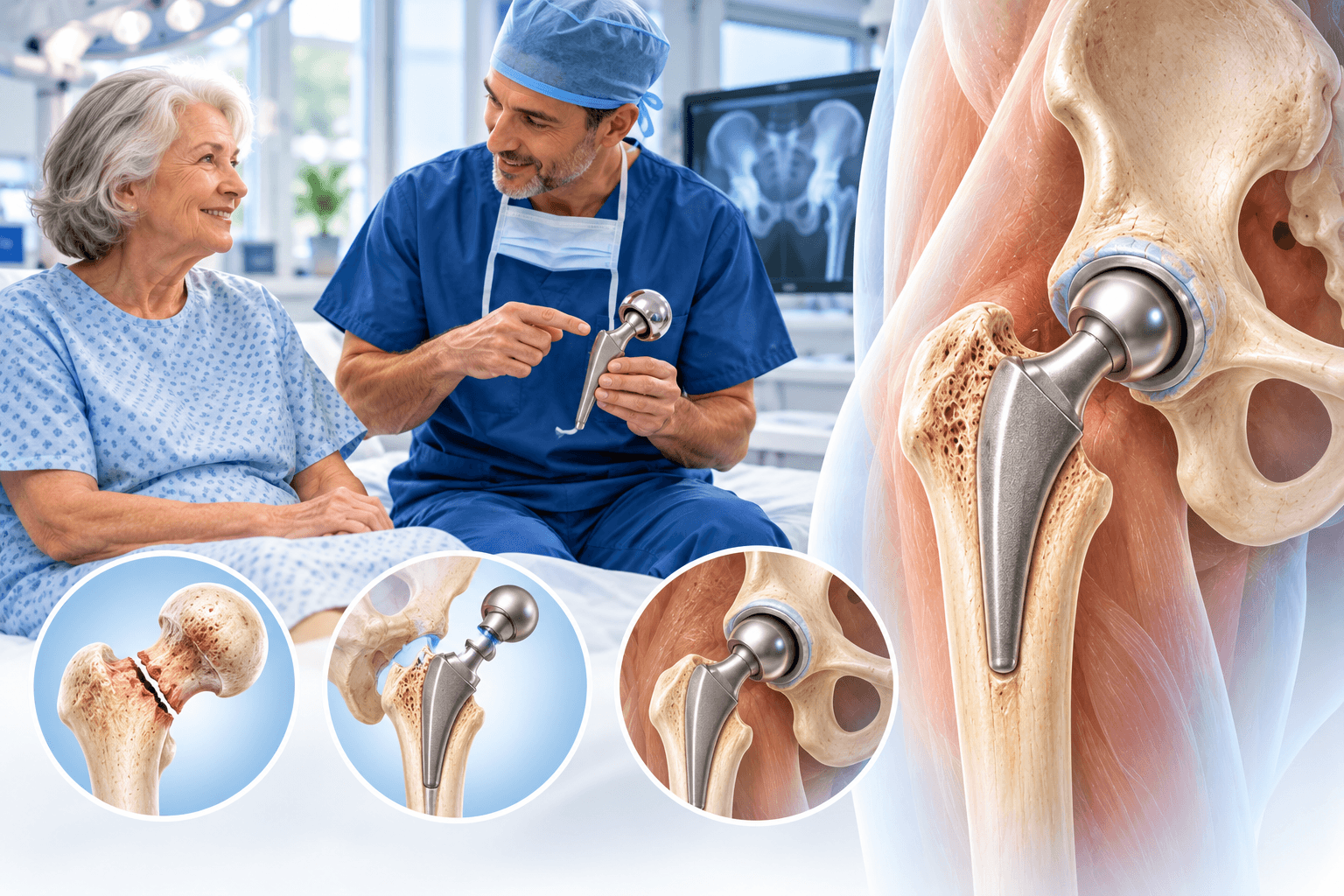
Hip replacement surgery is an operation in which damaged parts of the hip joint are removed and replaced with artificial components designed to reproduce the movement of a healthy ball-and-socket joint.
The medical term is total hip arthroplasty, often abbreviated as THA.
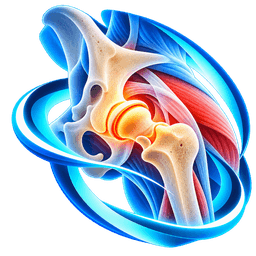
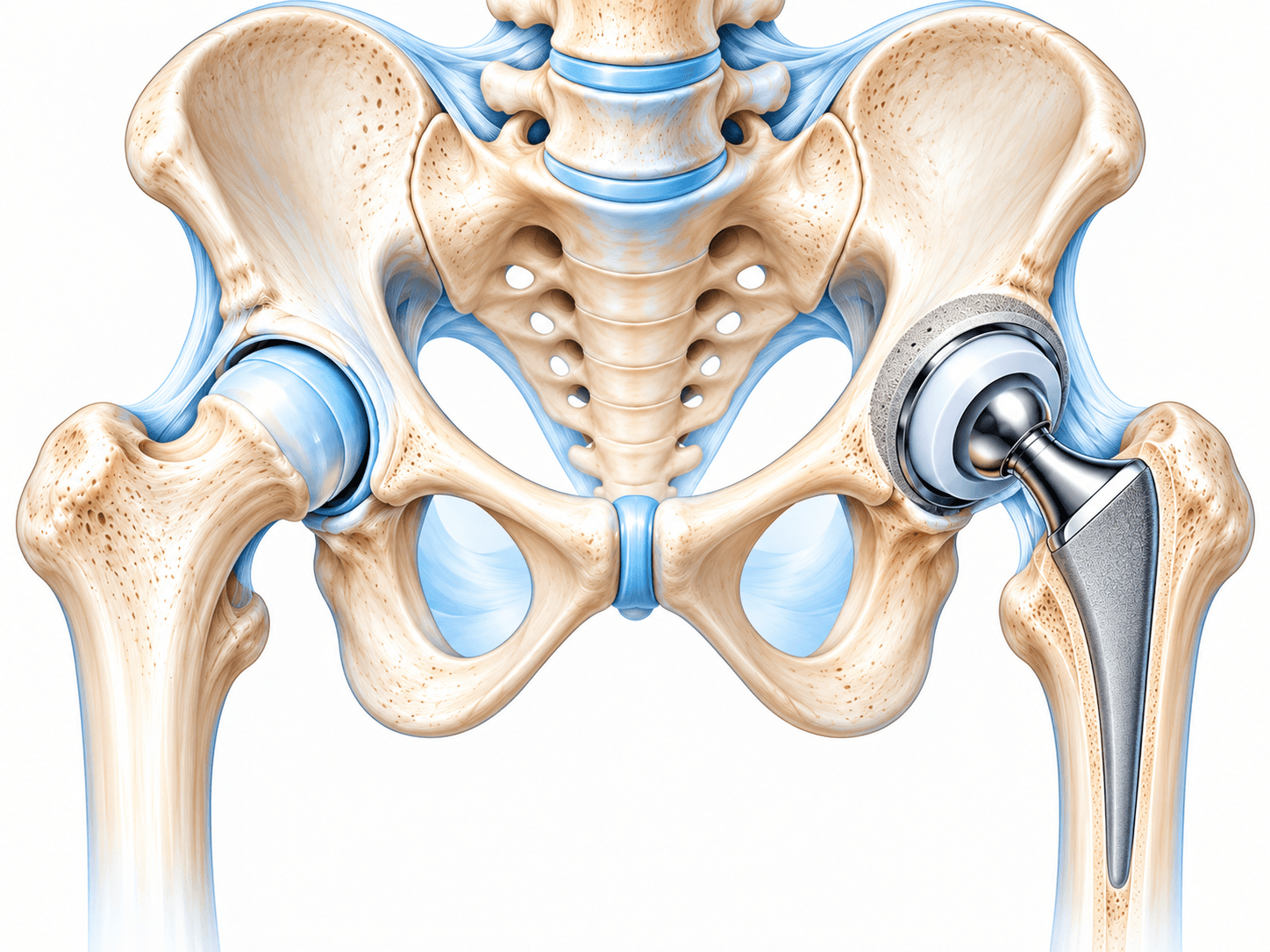
The hip consists of a rounded femoral head at the top of the thigh bone and a socket called the acetabulum in the pelvis. Healthy joint surfaces are covered with smooth articular cartilage, allowing the femoral head to move inside the acetabulum with very little friction.
Conditions such as osteoarthritis can progressively destroy this cartilage.
As cartilage becomes thinner, the joint loses its smooth gliding surface. The underlying bone can become exposed, irregular and painful. Patients may develop stiffness, reduced motion and difficulty with ordinary activities such as walking, climbing stairs, getting into a car or putting on shoes.
Total hip replacement removes the diseased surfaces and creates a new artificial articulation.
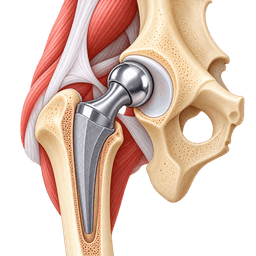
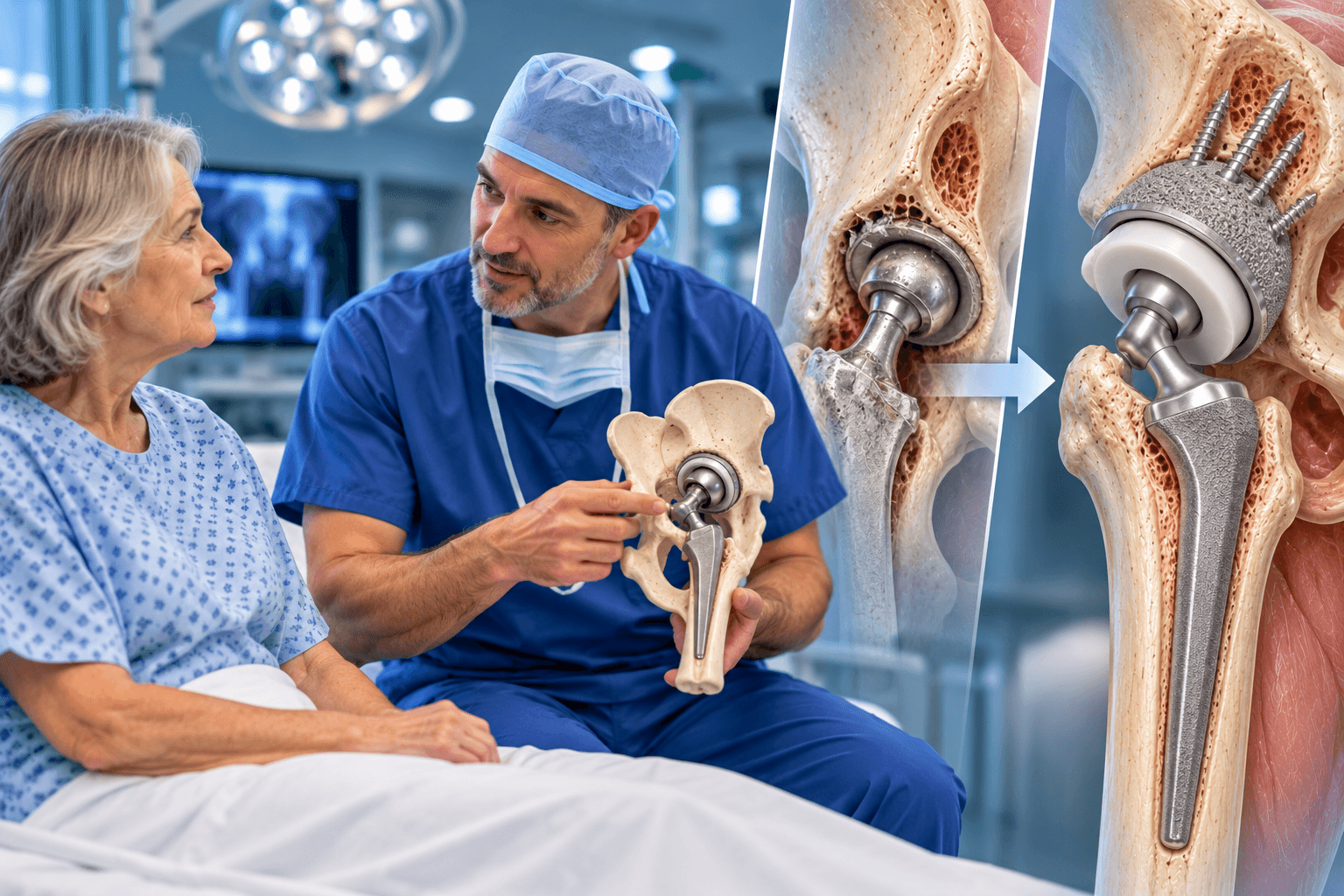
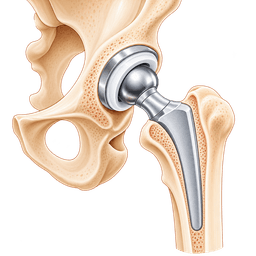
AAOS describes the basic components as a femoral stem placed into the thigh bone, a new ball attached to the stem, an acetabular cup inserted into the pelvis and a bearing liner between the ball and socket.
The objective is not simply to replace an X-ray abnormality.
The purpose is to improve a person's pain, mobility and quality of life.
What does “total” hip replacement mean?
The word total means that both principal joint surfaces are replaced.
The damaged femoral head is removed.
The acetabular surface is prepared.
The surgeon then implants:
an acetabular shell or cup;
a liner within that cup;
a femoral stem;
a prosthetic femoral head.
The new ball moves inside the new socket.
This differs from partial hip replacement, also called hemiarthroplasty, where the femoral head is replaced but the natural acetabulum is retained. Partial replacement is commonly used in certain hip-fracture situations rather than routine osteoarthritis.
Is total hip replacement the same as hip replacement surgery?
In most patient searches, yes.
Hip replacement surgery is the broader everyday term.
Total hip replacement specifies replacement of both the femoral and acetabular sides of the joint.
Total hip arthroplasty is the standard medical term.
Some patients search for phrases such as “hip operation replacement.” The medically preferred phrase is hip replacement operation, total hip replacement or total hip arthroplasty, but all generally refer to surgery designed to replace a severely damaged hip joint.
Why Is Hip Replacement Surgery Performed?
Osteoarthritis
Osteoarthritis is the most common indication for elective hip replacement.
In 2024, osteoarthritis accounted for approximately 92% of primary hip replacements recorded by the UK's National Joint Registry according to NICE's 2025 scope document.
Hip osteoarthritis develops when cartilage deteriorates and the joint becomes progressively painful and stiff.
Symptoms often begin gradually.
Patients may initially notice discomfort after long walks or exercise.
Over time, pain may occur during shorter walks, while climbing stairs or simply getting out of a chair.
Advanced osteoarthritis can cause pain while resting or sleeping.
Rheumatoid and inflammatory arthritis
Inflammatory diseases can damage cartilage and bone even when the patient is relatively young.
Modern medication has reduced the number of patients requiring joint replacement for rheumatoid arthritis, but severe structural joint destruction can still make replacement necessary.
Osteonecrosis
Osteonecrosis, also called avascular necrosis, occurs when part of the femoral head loses an adequate blood supply.
The bone may weaken and collapse.
Once the femoral head has significantly collapsed and arthritis has developed, total hip replacement may provide more predictable pain relief than attempts to preserve the original joint.
Hip fracture
Some fractures of the femoral neck are treated using total hip replacement, particularly in active patients with good pre-fracture mobility.
Other patients may receive internal fixation or partial hip replacement depending on fracture type, age, health and functional demands.
Childhood or developmental hip conditions
Developmental dysplasia, Perthes disease, slipped upper femoral epiphysis and other childhood conditions can alter the shape of the hip.
The abnormal mechanics may lead to early osteoarthritis.
Hip replacement in these patients can require more complex planning because the anatomy may differ substantially from standard osteoarthritis.
Post-traumatic arthritis
A previous fracture or major hip injury can damage cartilage and change the geometry of the joint.
Arthritis may develop years later.
Previous plates, screws, altered bone shape or scar tissue can make the eventual replacement more technically demanding.
Who it's for
- Severe hip osteoarthritis with persistent pain
- Hip pain that continues despite appropriate non-surgical treatment
- Severe stiffness and loss of mobility
- Hip pain at rest or at night
- Osteonecrosis with collapse of the femoral head
- Inflammatory arthritis causing progressive joint destruction
- Selected femoral-neck fractures
- Post-traumatic or developmental arthritis
Good candidates
A good candidate for hip replacement surgery has a clinically important hip problem that affects quality of life and is likely to improve when the damaged joint surfaces are replaced.
AAOS identifies typical reasons for surgery as hip pain that limits everyday activity, pain at rest, stiffness that restricts movement and inadequate relief from conservative treatment.
There is no single X-ray measurement that automatically means a person needs surgery.
Two people can have very similar radiographs but very different symptoms.
One may walk several kilometres comfortably.
The other may struggle to cross a room.
The decision therefore considers both structural disease and its effect on the patient.
Symptoms should match the hip
Not all pain around the hip originates from the hip joint.
Pain can also arise from:
lumbar spine disease;
sacroiliac disorders;
trochanteric pain;
tendon problems;
muscle injury;
peripheral nerve disease;
vascular disease.
A good assessment should confirm that the damaged hip joint is actually responsible for the patient's main symptoms.
True hip-joint pain is often felt in the groin, although it can radiate toward the thigh or knee.
Does age determine eligibility?
No.
AAOS states that there are no absolute age or weight restrictions for total hip replacement and that recommendations are primarily based on pain and disability rather than chronological age.
A healthy 45-year-old with severe osteonecrosis may reasonably need replacement.
An 85-year-old with major arthritis may also be an appropriate candidate if the expected functional benefit outweighs surgical risk.
Younger patients need particular counselling about implant longevity because they have more years in which revision might eventually become necessary.
Does obesity prevent hip replacement?
Not automatically.
Higher body weight can increase operative complexity and is associated with some complications, but weight alone should not be treated as a simplistic yes-or-no criterion.
AAOS's updated hip-osteoarthritis guideline discusses BMI as part of risk assessment rather than establishing one universal body-weight threshold for every patient.
Weight optimization can still improve general health and make rehabilitation easier.
Diabetes
Patients with diabetes can undergo successful total hip replacement.
Good glucose management matters because poorly controlled diabetes can increase infection and wound-healing risk.
The surgeon and medical team may request recent HbA1c testing and optimize diabetes before elective surgery.
Smoking
Smoking affects wound healing, cardiovascular health and infection risk.
Patients who smoke should discuss cessation before surgery.
The aim should be meaningful risk reduction—not judgment.
When surgery may need to wait
Elective replacement may need to be postponed when a patient has:
active infection;
uncontrolled medical disease;
untreated major dental or skin infection where clinically relevant;
unstable cardiovascular disease;
poorly controlled metabolic illness;
an unresolved diagnosis;
unrealistic expectations;
another condition that better explains the pain.
Optimization is not the same as denying surgery.
The goal is to make surgery safer and improve the chance of a good result.
When Is It Too Early for a Hip Replacement?
Patients sometimes believe that once an X-ray says “severe arthritis,” surgery is mandatory.
That is not true.
If symptoms remain manageable and the person can still perform the activities that matter to them, continued non-surgical treatment may be reasonable.
AAHKS recommends non-operative care first for most patients, including exercise, weight management where appropriate, medication, injections or physical therapy. Surgery becomes reasonable when symptoms continue despite these treatments and significantly interfere with daily life.
The objective is not to delay replacement indefinitely.
It is to perform surgery when the expected improvement is meaningful enough to justify its risks and recovery.
Before surgery
Orthopedic consultation
The surgeon begins with a detailed history.
Important questions include:
Where is the pain?
How far can the patient walk?
Is pain present at night?
Is a walking aid required?
Can the patient use stairs?
Can they put on shoes and socks?
Which treatments have already been tried?
What activities does the patient want to regain?
The surgeon examines hip movement, gait, muscle strength and leg alignment.
X-rays
Plain X-rays remain central to hip-replacement planning.
They can demonstrate:
joint-space loss;
bone spurs;
subchondral sclerosis;
cysts;
femoral-head deformity;
dysplasia;
previous injury.
Preoperative radiographs also help the surgeon plan component size, hip centre, leg length and offset.
MRI or CT
Routine uncomplicated osteoarthritis usually does not require MRI.
CT can be used when anatomy is complex or when certain robotic/planning systems require three-dimensional imaging.
MRI may be helpful when diagnosis remains uncertain or when conditions such as osteonecrosis need further assessment.
Preoperative Rehabilitation
NICE recommends advising people undergoing hip or knee replacement about preoperative rehabilitation, including exercises, weight management where relevant, diet, smoking cessation and steps that maximize independence before and after surgery.
This is sometimes called prehabilitation.
The patient does not need to become an athlete before surgery.
The objective is to enter surgery with the best practical baseline possible.
Useful preparation can include strengthening the upper body for walking aids, learning postoperative exercises and practising safe transfers.
Medical Assessment
The hospital may perform:
blood tests;
blood type testing;
ECG;
chest or other investigations when indicated;
anaesthetic assessment;
medication review.
The extent of testing depends on age, health and hospital policy.
Patients should disclose previous:
heart disease;
stroke;
blood clots;
lung disease;
kidney disease;
anaesthesia reactions;
bleeding disorders;
infection;
allergies;
previous joint replacement complications.
Medication Review
All medications and supplements should be documented.
Particular attention is given to:
anticoagulants;
antiplatelet drugs;
diabetes medication;
immunosuppressive treatment;
steroids;
certain supplements affecting bleeding.
Patients should never independently stop prescription blood thinners because stopping them can create serious risks.
The surgical and prescribing teams should provide an individualized plan.
Preparing the Home
Hip replacement patients often return home quickly.
Preparation before surgery can reduce unnecessary difficulty during the first weeks.
Frequently used objects should be placed within easy reach.
Loose rugs and trip hazards can be removed.
A stable chair with arms can make standing easier.
Patients who live alone should discuss whether temporary assistance is needed.
Some will need a walker or crutches initially.
Anaesthesia
Spinal anaesthesia
Spinal anaesthesia temporarily blocks sensation and movement below the waist.
The patient may receive sedation and remember little or nothing about the operation.
Potential advantages can include excellent early pain control and reduced exposure to some effects of general anaesthesia.
General anaesthesia
The patient is fully unconscious.
General anaesthesia is also widely used for hip replacement.
NICE considers both regional and general anaesthesia appropriate options when combined with suitable perioperative analgesia.
There is therefore no universal reason to tell patients that one is always “better.”
The decision should consider health, patient preference and anaesthetist assessment.
15. How Is Hip Replacement Surgery Done?
Step 1 — Positioning
The patient is positioned according to the planned surgical approach.
Some operations are performed with the patient lying on the side.
Direct anterior surgery is commonly performed with the patient lying on the back.
Step 2 — Surgical access
The surgeon makes an incision and reaches the hip joint through the selected anatomical interval.
Approaches differ in the muscles and soft tissues encountered.
The main categories include:
posterior;
posterolateral;
direct lateral;
anterolateral;
direct anterior.
The goal remains the same regardless of approach: expose the joint safely and implant the components accurately.
Step 3 — Remove the damaged femoral head
The hip is dislocated in a controlled manner.
The femoral neck is cut and the damaged femoral head is removed.
Step 4 — Prepare the acetabulum
Damaged cartilage is removed from the natural socket.
Special instruments progressively shape the acetabulum to accept the prosthetic cup.
Step 5 — Insert the acetabular component
A metal shell is usually placed into the socket.
It can be fixed using press-fit fixation, screws, cement or a combination depending on the implant and patient.
A liner—commonly highly cross-linked polyethylene or ceramic—is inserted into the cup.
Step 6 — Prepare the femur
The surgeon opens and shapes the femoral canal.
Sequential instruments prepare the bone for the femoral stem.
Step 7 — Trial the new hip
Temporary trial components help assess:
stability;
leg length;
soft-tissue tension;
hip offset;
range of motion.
The surgeon can adjust implant size, neck length or component position if necessary.
Step 8 — Implant the final components
The definitive femoral stem is inserted.
A ceramic or metal femoral head is attached.
The new ball is reduced into the artificial socket.
Step 9 — Confirm stability and length
The surgeon evaluates movement and stability.
Some operations use fluoroscopy, computer navigation or robotic planning to assist with implant positioning.
Step 10 — Close the wound
Soft tissues are repaired according to the approach.
The incision is closed using sutures, staples, skin adhesive or a combination.
A sterile dressing is applied.
NHS and AAOS both describe a typical total hip replacement as lasting about 1–2 hours.
How the operation is performed
Hip replacement surgery usually takes approximately 1–2 hours for a straightforward primary procedure. More complex operations can take longer, including hip replacement after previous surgery, severe deformity, developmental dysplasia or revision surgery.
This is the answer that should appear prominently because “how long does hip replacement surgery take” is one of your target search queries.
The time spent in hospital on surgery day is much longer than the operation itself.
It includes:
preparation;
anaesthesia;
surgery;
recovery-room monitoring;
initial physiotherapy;
discharge assessment where same-day discharge is planned.
A 90-minute operation should therefore never be interpreted as a 90-minute hospital visit.
Surgical Approaches
Posterior approach
The posterior approach accesses the hip from behind.
It is one of the most widely used hip-replacement approaches internationally.
Its advantages include excellent exposure of the femur and acetabulum and familiarity among many high-volume surgeons.
Careful repair of the posterior capsule and surrounding tissues can contribute to postoperative stability.
Anterolateral and lateral approaches
These approaches access the hip from the side or front-side.
They have a long clinical history and can produce excellent outcomes.
NICE specifically recommends considering the posterior or anterolateral approach based on the evidence available when its primary joint-replacement guideline was issued.
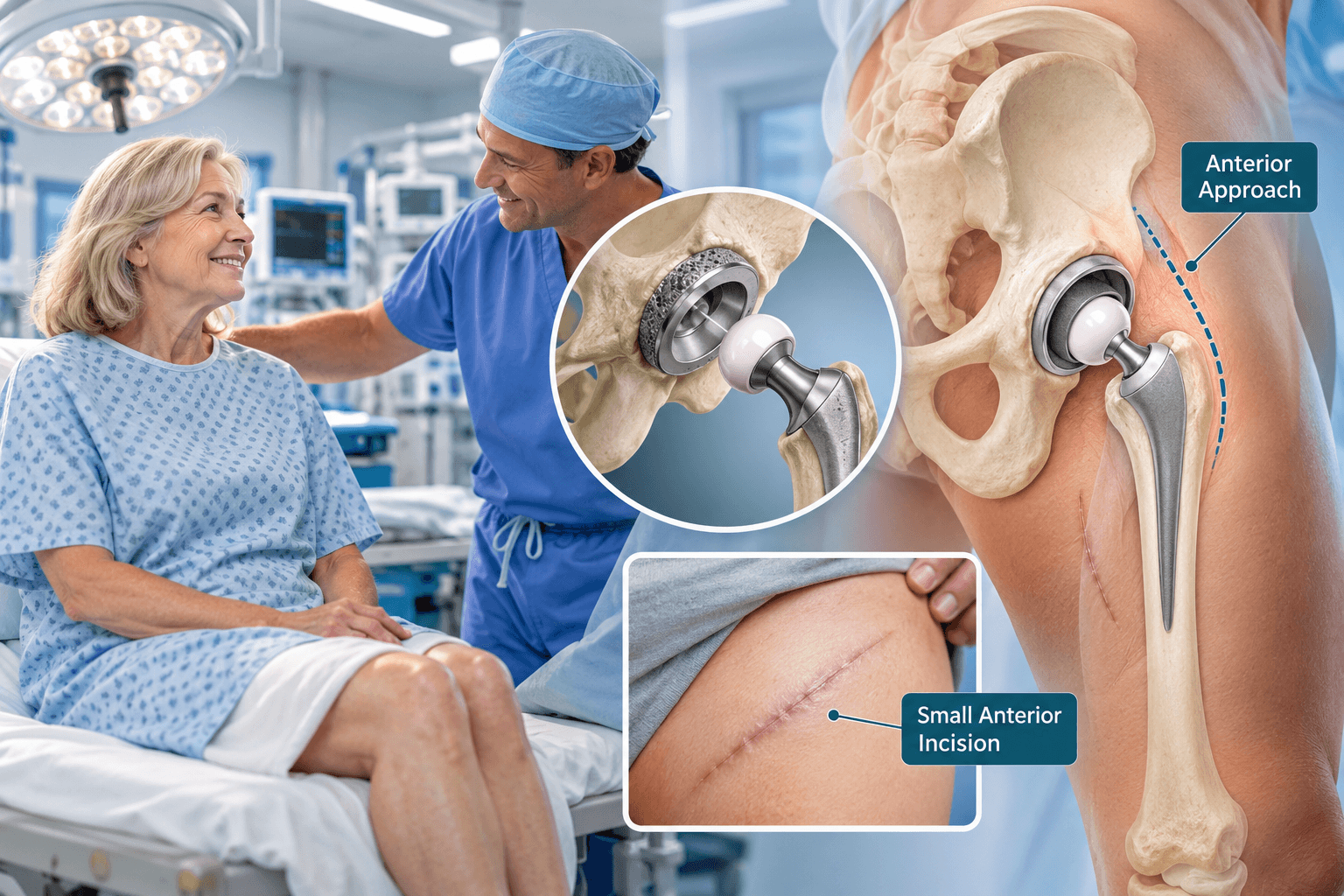
Direct Anterior Hip Replacement
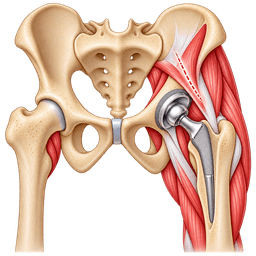
The direct anterior approach accesses the hip from the front.
It has become increasingly popular, partly because it can work between muscle planes rather than requiring the same pattern of muscle detachment used in some other approaches.
Patients often encounter marketing claims that anterior hip replacement guarantees:
less pain;
no muscle damage;
no dislocation;
faster recovery;
better long-term results.
These claims go beyond the evidence.
The 2023 AAOS hip-osteoarthritis guideline concluded that different surgical approaches have different risks and benefits and that there is no preferred surgical approach for all patients.
A 2025 meta-analysis involving more than 44,000 hips found similar revision, dislocation, intraoperative-fracture and periprosthetic-fracture outcomes between direct anterior and posterior surgery. The anterior approach was associated with a modestly shorter hospital stay and smaller incision, but functional outcomes were comparable.
Another 2025 umbrella review found some early pain and functional advantages after direct anterior surgery, but these differences generally disappeared at later follow-up and the quality of many existing reviews was limited.
The best approach is therefore usually the approach that an experienced surgeon can perform safely for that patient's anatomy and needs.
Minimally Invasive Hip Surgery
“Minimally invasive” usually describes shorter incisions or tissue-sparing access techniques.
It does not mean the surgeon performs a smaller replacement.
The same femoral and acetabular components still need to be accurately positioned.
AAOS notes that minimally invasive hip replacement can reduce soft-tissue exposure and potentially speed early recovery, but it is not suitable for every patient.
Patients should therefore ask a more useful question than:
“How small will my scar be?”
They should ask:
“Which approach gives you the safest access to implant my hip accurately in my specific anatomy?”
Hip Replacement Implants
Femoral stem
The femoral stem extends into the upper thigh bone.
It can be:
cemented;
uncemented;
occasionally part of a hybrid fixation strategy.
Modern stems come in different lengths, shapes and coatings.
Femoral head
The artificial ball is attached to the top of the stem.
It is commonly ceramic or metal.
Head size influences stability, range of movement and bearing mechanics.
Acetabular cup
The acetabular component replaces the damaged socket.
A metal shell is commonly fixed into the pelvis.
Its outer surface can encourage bone to grow onto it when uncemented fixation is used.
Liner
The liner creates the bearing surface inside the cup.
Modern combinations commonly include:
ceramic-on-polyethylene;
metal-on-polyethylene;
ceramic-on-ceramic in selected patients.
Modern highly cross-linked polyethylene has substantially improved wear characteristics compared with earlier generations.
Cemented vs Uncemented Hip Replacement
Uncemented fixation
An uncemented implant is pressed into carefully prepared bone.
A porous or coated surface encourages the patient's bone to grow onto the component over time.
Uncemented acetabular components are extremely common.
Uncemented stems are commonly used in patients with good bone quality.
Cemented fixation
Bone cement creates immediate fixation between prosthesis and bone.
Cemented femoral stems remain particularly valuable in selected older patients or people with reduced bone quality.
Hybrid hip replacement
A hybrid replacement commonly combines an uncemented cup with a cemented femoral stem.
There is no single fixation method that is optimal for every person.
The surgeon considers:
age;
bone density;
femoral geometry;
fracture risk;
implant track record;
surgical experience.
Bearing Surfaces
The two prosthetic surfaces that move against each other are called the bearing couple.
One of the most common modern configurations is a ceramic or metal head articulating with highly cross-linked polyethylene.
Ceramic-on-ceramic bearings remain an option for selected patients.
Traditional large-head metal-on-metal hip replacements are no longer routine because wear products and metal ions created significant safety concerns. NHS continues to advise ongoing follow-up for patients who already have certain metal-on-metal implants.
Dual-Mobility Hip Replacement
A dual-mobility cup contains an additional articulation designed to increase effective head size and stability.
It is often considered when dislocation risk is elevated.
A 2024 meta-analysis involving more than 22,000 primary hip replacements found a lower dislocation risk with dual-mobility implants than conventional fixed-bearing designs, although other outcomes were generally similar.
Dual mobility should not automatically be used in every patient.
It is another implant option whose value depends on individual risk, surgeon preference and long-term evidence.
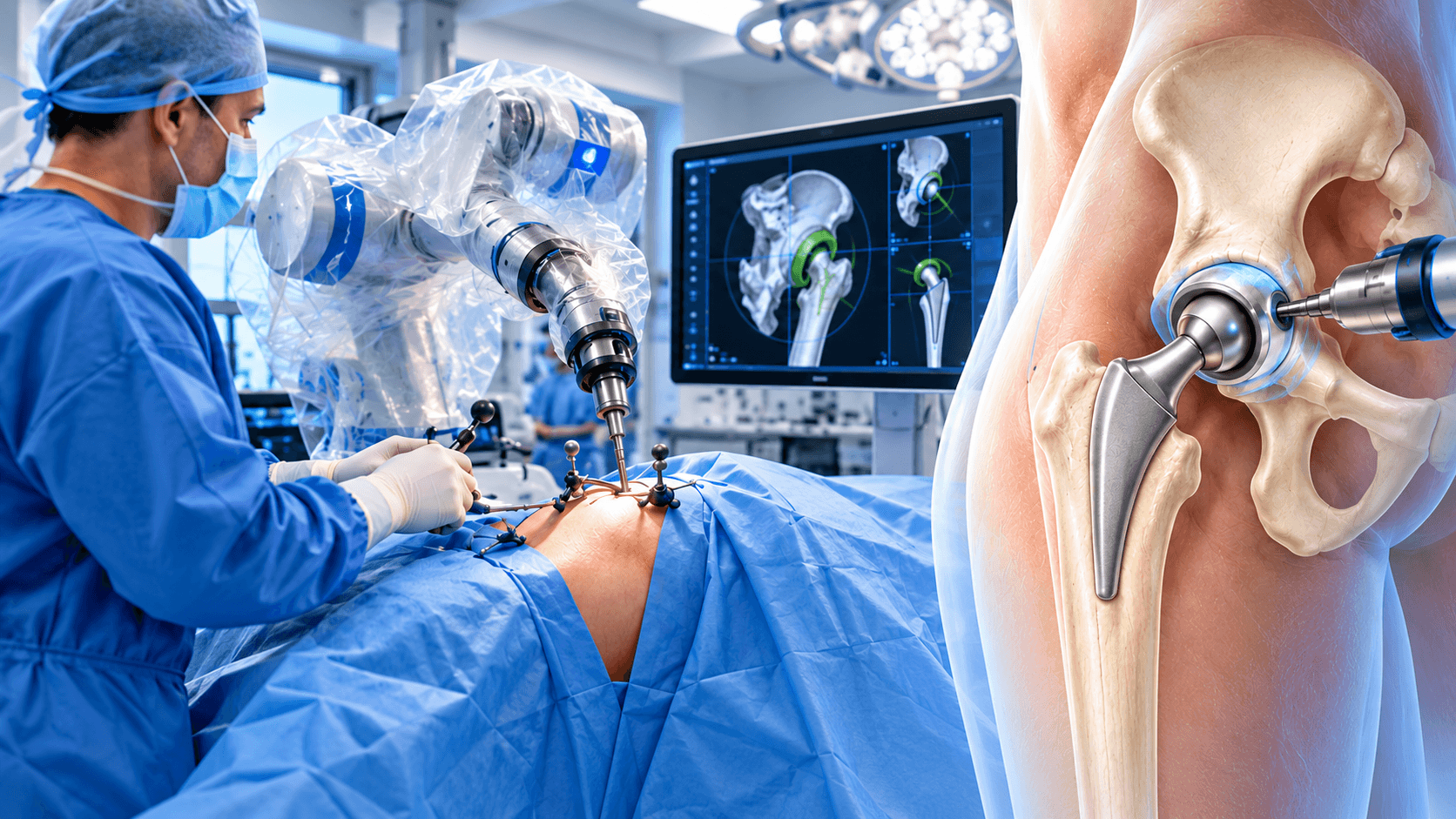
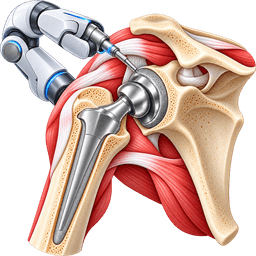
Robotic Hip Replacement
Robotic-assisted hip replacement combines preoperative planning with technology that helps the surgeon prepare bone or position components according to a defined plan.
The robot does not independently perform the operation.
The surgeon remains responsible for:
surgical approach;
soft-tissue management;
bone preparation;
component selection;
stability;
complications.
Does robotic hip replacement produce better results?
Robotic systems can improve the reproducibility of cup positioning and leg-length planning.
However, better radiographic precision does not automatically translate into better symptoms for every patient.
A 2025 systematic review found robotic-assisted hip replacement produced more accurate component positioning and fewer technical outliers, but did not demonstrate superior patient-reported clinical outcomes compared with conventional manual surgery.
A 2024 systematic review similarly found that differences in patient-reported outcomes with robotic or navigated surgery frequently did not reach clinically important thresholds.
More recent 2026 meta-analyses continue to show improvements in certain precision measures, such as leg-length discrepancy, while functional superiority remains less certain.
Orthopedic Abroad should therefore describe robotic technology accurately:
potentially useful surgical-assistance technology—not a guarantee of a superior hip replacement.
Hospital stay
Immediately after surgery
Patients are transferred to a recovery unit.
Staff monitor:
blood pressure;
heart rate;
oxygen;
pain;
nausea;
leg circulation;
neurological function.
Pain management usually uses several types of medication rather than relying on high-dose opioids alone.
Walking after hip replacement
Modern practice encourages early mobilization.
NICE recommends that physiotherapy or occupational therapy begin on the day of surgery when possible and no later than 24 hours after primary elective hip replacement. Nice
The first walk may occur only hours after surgery.
A physiotherapist helps the patient stand safely using a walker or crutches.
Early mobility is important for:
confidence;
muscle activation;
circulation;
reducing prolonged immobility;
preparing for discharge.
Same-day hip replacement
Selected healthy patients can undergo hip replacement as outpatient surgery.
This does not mean every patient should.
The decision depends on:
overall health;
age;
social support;
pain control;
ability to walk safely;
hospital systems;
distance from medical care.
Research on outpatient arthroplasty generally involves carefully selected patients, which is important when interpreting its safety. PubMed
An international patient should not choose a provider simply because it advertises the fastest discharge.
Recovery
Hip replacement recovery time
The main early hip replacement recovery time is approximately six weeks, but complete functional improvement commonly continues for several months.
AAHKS reports that most patients can participate in most daily activities at around six weeks and regain much of the strength and endurance lost around surgery by approximately three months.
NHS guidance emphasizes that full recovery can take several months and varies with age, general health and preoperative function.
Patients should therefore distinguish between:
being independent
and
being fully recovered.
A person might walk independently, drive and return to desk work within weeks while still rebuilding strength and stamina.
Day 0–1
Stand and walk with support
Week 1–2
Desk work, light activity
Week 6+
Full activity as cleared
Risks and how they are managed
All surgery carries risk. Partner hospitals follow enhanced-recovery and infection-prevention protocols, and your surgeon will discuss the risks specific to your case before consent.
- Implant loosening or wear over time
- Dislocation or instability
- Leg-length or alignment difference
- Periprosthetic fracture
- Infection (superficial or deep)
- Blood clots (DVT / pulmonary embolism)
- Bleeding or haematoma
- Anaesthetic complications
- Nerve or blood-vessel injury near the operative site
- Persistent pain or stiffness
Alternatives
- Activity modification and weight management
- Physiotherapy and strengthening
- Anti-inflammatory medication
- Corticosteroid or hyaluronic acid injections
- Bracing or walking aids
- Anterior Hip Replacement in selected cases
- Robotic Hip Replacement in selected cases
What Hip Replacement costs
The contracted Turkey partner package next to approved self-pay benchmarks. Benchmarks are 20th–80th percentile ranges of approved records, normalised to USD.
Turkey package
$8,000 – $13,000
United States self-pay
$24,700 – $54,000
United Kingdom self-pay
$13,550 – $30,150
Germany self-pay
$11,700 – $31,500
Typical self-pay range by country
Surgeons who perform Hip Replacement
All surgeonsHospitals offering this procedure
Antalya Yaşam Hospital
Private hospital in Muratpaşa, Antalya, with an orthopedics and traumatology department
BHT Clinic Istanbul Tema Hospital
Large private hospital in Atakent, Küçükçekmece, with an orthopedics and traumatology unit
Biruni University Hospital
University hospital in Küçükçekmece, Istanbul, with a published orthopedics and traumatology department
Çankaya Hospital for Orthopedic Care
Çankaya Hospital for Orthopedic Care is an orthopedic hospital in central Ankara with robotic-arm assisted surgery
Sources and references
Peer-reviewed guidance and institutional sources used to write and review this page.
- 01Total Hip Replacement
American Academy of Orthopaedic Surgeons — OrthoInfo, 2026
https://www.orthoinfo.org/treatment/total-hip-replacement/
- 02Management of Osteoarthritis of the Hip Clinical Practice Guideline
American Academy of Orthopaedic Surgeons, 2023
https://www.aaos.org/quality/quality-programs/osteoarthritis-of-the-hip/
- 03Total Hip Replacement
American Association of Hip and Knee Surgeons, 2026
https://hipkneeinfo.org/hip-care/total-hip-replacement/
- 04Joint Replacement (Primary): Hip, Knee and Shoulder
National Institute for Health and Care Excellence, 2020
https://www.nice.org.uk/guidance/ng157/chapter/Recommendations
- 05How a Hip Replacement Is Done
2026
https://www.nhs.uk/tests-and-treatments/hip-replacement/how-a-hip-replacement-is-done/
- 06Recovering from a Hip Replacement
NHS, 2026
https://www.nhs.uk/tests-and-treatments/hip-replacement/recovering-from-a-hip-replacement/