

ACDF in Turkey
ACDF in Turkey is anterior cervical discectomy and fusion, a neck operation that removes a damaged disc through the front of the throat and joins the two bones with a cage and plate. It frees pinched nerves, and most patients need 1 hospital night within a 6-day trip.
Partner package
v2 · valid to 30 janv. 2027$8,000 – $13,000
ACDF - All-inclusive package
- In Turkey
- 6 days
- Hospital
- 1 nights
- Follow-up
- 12 months
Key takeaways
- 1ACDF, short for anterior cervical discectomy and fusion, removes a worn or herniated neck disc and fuses the two neighbouring bones so the nerve or spinal cord has room.
- 2The operation takes about 90 minutes under general anaesthesia, and most patients stay 1 night in hospital before moving to a nearby hotel.
- 3Most people who plan ACDF in Turkey stay about 6 days, which covers assessment, surgery, a neck X-ray and clearance to fly home.
- 4Arm pain, tingling and weakness from a pinched nerve often ease within days to weeks, while neck stiffness, a sore throat and swallowing trouble settle over weeks.
- 5The main recovery lasts around 12 weeks, and the bone needs roughly 3 to 6 months to fuse, so lifting limits and neck care matter.
- 6Physiotherapy, medicines and injections come first, and surgery suits people with persistent arm pain, weakness or signs of spinal cord pressure.
- 7New weakness, loss of bladder or bowel control, numb legs or trouble breathing and swallowing need an emergency department, not a trip abroad.
ACDF in Turkey: an overview
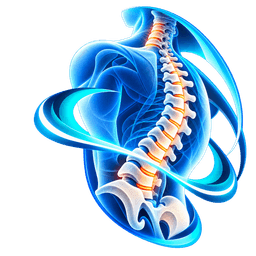
ACDF in Turkey is anterior cervical discectomy and fusion, an operation that removes a damaged disc from your neck and joins the bones above and below it. The word anterior means the surgeon reaches the spine from the front. The word cervical means the neck. A discectomy is removal of the disc. Fusion means the two vertebrae grow together into one solid block.
The discs are soft cushions between the neck bones. When one bulges or wears down, it can press on a nerve root or on the spinal cord itself. Pressure on a nerve root causes arm pain, tingling and weakness, called radiculopathy. Pressure on the cord, called myelopathy, can cause clumsy hands, poor balance and stiff legs. ACDF takes the pressure off and holds the level steady with a cage and a small plate.
What does ACDF treat?
Surgeons use this operation for a herniated disc in the neck, for cervical radiculopathy and for narrowing of the spinal canal from wear, bone spurs and disc collapse. It also helps when neck instability causes pain. Most people need one or two levels treated, and three levels is less common.
When is surgery considered, and what are the alternatives?
Most arm pain from a pinched nerve settles in 6 to 12 weeks without surgery. Doctors usually start with physiotherapy, anti-inflammatory medicines, nerve pain tablets and sometimes an epidural injection. Surgery comes into view when pain persists, when weakness grows or when scans and tests show cord pressure. If you want to keep movement at the treated level, cervical disc replacement is an alternative for selected patients. Your surgeon decides which design suits your scans and your age.
What does the Turkey pathway look like?
Most patients spend about 6 days in Turkey, including 1 hospital night. You send your MRI for a free review that we answer within 48 hours. The operation takes about 90 minutes, and you often walk the same day. The main recovery lasts around 12 weeks. This page gives general information, not personal medical advice, and your surgeon decides what suits you. Read the ACDF procedure page for the clinical summary.
Important: new weakness in an arm or leg, loss of bladder or bowel control, numbness around the groin or saddle area, or trouble walking needs an emergency department near you. Do not travel for these problems.
Why patients choose ACDF in Turkey
Patients choose ACDF in Turkey, also called anterior cervical discectomy and fusion in Turkey, for a short wait, spine teams that do this operation often and one coordinated package. Neck surgery sits close to the spinal cord, the windpipe and large blood vessels, so surgeon experience matters. Our partner surgeons work in accredited partner hospitals, and we build the trip around the operation.
Why do patients pick Turkey for neck surgery?
Waiting lists for elective spine surgery can run long, and nerve pain makes the wait hard. Private hospitals in Turkey often offer a date within a few weeks of your scan review. You deal with one coordinator instead of separate clinics, imaging centres and travel agents. For many people the shorter wait is the main reason, particularly when arm pain disturbs sleep and work.
Which techniques and implants do surgeons use?
Surgeons in Turkey work with the same implant families used in Europe and North America. For ACDF they use an interbody cage, made of PEEK plastic or titanium, which holds the gap open. The cage holds bone graft, which can be bone substitute, donor bone or bone from your own body. A small plate and screws on the front of the spine add stability. Many teams use an operating microscope or loupes and live X-ray guidance, and some use nerve monitoring. Ask which cage, graft and plate your surgeon plans, and keep the implant record for your home doctor.
How does the coordinated pathway work?
First, a spine surgeon reviews your MRI, X-rays and symptoms. Next, we send a written plan with dates, the hospital, the number of levels, the nights and what the package covers. A coordinator meets you at the airport, an interpreter joins you for consent and discharge, and a physiotherapist teaches neck care before you leave hospital. Our medical record review guide explains the first step.
What support do you get after you fly home?
You receive 12 months of remote follow-up by message and video. Your surgeon reviews your wound photos, symptoms and X-ray reports. You also get a written protocol for your local physiotherapist. Direct flights make the trip simple, and flights take about 4 hours from London and 3 hours from Frankfurt. Turkey is on GMT+3 all year.
Turkey is not right for everyone. If your symptoms are changing fast, if you have signs of serious cord compression or if your case is very complex, you may do better with urgent care near home. We tell you when a case does not fit.
Accredited hospitals
JCI or equivalent accreditation with dedicated international patient departments.
High-volume surgeons
Fellowship-trained subspecialists who perform this operation weekly.
Fixed-price packages
Surgeon, implants, hospital stay, transfers and follow-up in one price.
Direct flights
Istanbul connects to 300+ destinations; Antalya and Izmir add coastal recovery.
What the ACDF package in Turkey includes
Inclusions are contractually fixed with the partner hospital. Compare like with like when you evaluate other quotes.
Included
- Surgeon and anaesthetist fees
- Implant and consumables
- 1 night private room
- Pre-operative tests
- In-hospital physiotherapy
- Airport and hospital transfers
- Coordinator and translation
- 12-month remote follow-up
Not included
- Flights
- Hotel
- Companion costs
- Travel insurance
Implant assumption
interbody cage and anterior plateOther packages
- ACDF - Premium package$9,200 – $14,950
ACDF cost in Turkey compared with other countries
The ACDF cost in Turkey depends on the number of levels, the cage and plate you receive, the graft, your room category, the nights and the care around surgery. You can compare live figures in the price comparison chart on this page, and the ACDF cost guide explains each part. This section shows what drives a quote, so you can compare offers fairly.
What drives the cost of this operation?
- Number of levels: a two-level operation takes longer and uses more implants than a one-level operation.
- Implant choice: the cage material, the plate and the type of graft change the price.
- Planning scans: a new MRI or CT scan may add a charge if your images are old or poor.
- Hospital nights: one night is usual, and a longer stay adds to the cost.
- Room category: a private room costs more than a shared room.
- Monitoring and extras: nerve monitoring, a collar, blood tests and medicines.
How is a Turkey package built?
A good package lists, in writing, what you receive. Ours covers the surgeon, the hospital night, the implants, anaesthesia, tests, physiotherapy, hotel nights, transfers, a coordinator and an interpreter. It also states an end date, so the price stays valid while you plan. Read it line by line, and ask which items are separate.
Why is the price lower than at home?
Prices are lower mostly because of the cost base. Salaries, building costs and many overheads are lower, and busy hospitals spread fixed costs over many operations. The exchange rate helps patients who pay in pounds, euros or dollars. Hospitals still need a Ministry of Health licence, and some hold JCI accreditation. A low price alone should not decide your booking, because the surgeon and the implant matter more.
What should you compare between quotes?
Compare like with like. Ask each provider how many levels the quote covers, which cage and plate it uses and how many nights it includes. Ask whether nerve monitoring is part of the plan, and what happens if you need an extra night. Our questions to ask before surgery abroad guide gives a checklist.
Which hidden costs should you ask about?
Ask about extra levels found during surgery, a repeat scan, a second opinion and physiotherapy at home. Check whether a soft collar and a post-operative X-ray are included. Check your travel insurance too, because many standard policies exclude planned surgery abroad. You can request a written quote that lists every item.
Typical self-pay range by country
ACDF in Turkey vs the UK, US and Germany
ACDF in Turkey and at home use the same basic operation, so the main differences are waiting time, cost structure, choice and aftercare logistics. Neither route wins in every case. The table compares Turkey with the UK, the US and Germany in general terms.
| Factor | Turkey | UK | US | Germany |
|---|---|---|---|---|
| Waiting time | Often a few weeks | Often long on public lists, shorter if private | Short with good insurance | Usually short |
| Cost structure | One package, set in writing | Free in the NHS, itemised if private | Itemised bills, deductibles and co-pays | Insurance covers most, with some co-pays |
| Surgeon choice | Chosen from partner surgeons | Limited in the NHS | Wide choice | Wide choice |
| Technology | Microscope, live X-ray, modern cages | Modern implants, strong spine units | Modern implants and many device options | Modern implants |
| Aftercare | Remote follow-up plus local physiotherapy | Local clinic and physiotherapy | Local clinic and physiotherapy | Local clinic and physiotherapy |
| Legal and insurance | Turkish law applies, and you check cover | UK law and NHS safety net | US law, malpractice system | German law, strong patient rights |
How do waiting time and surgeon choice compare?
In some systems you may wait many months for a neck fusion, and a long wait can mean ongoing nerve pain or lost strength. In Turkey a date often follows within weeks. You can ask how many ACDF operations your surgeon does each year. Higher volume often goes with fewer problems, but ask for the number rather than assume it.
How do technology and aftercare compare?
Cages, plates and methods are very similar worldwide. What differs is who looks after you in the following months. At home, your surgeon is nearby for a quick check on a hoarse voice or a swollen neck. After surgery in Turkey, you rely on remote reviews and local care. You need a local doctor who knows your plan, and we help you share the records before you travel.
What about the legal and insurance position?
Claims fall under Turkish rules, and cross-border enforcement can be harder than at home. Many insurers exclude complications of elective surgery abroad. Ask your insurer in writing what it covers, and book separate travel cover.
When is staying home the better choice?
Stay home if your symptoms are getting worse quickly, if you have signs of spinal cord compression or if you need a complex revision. Stay home too if a local date is close and your surgeon is experienced. Neck surgery is planned, and you should not rush because of a quote. Read why patients choose Turkey and compare it with your local options.
Is ACDF in Turkey right for you?
ACDF in Turkey suits adults with a clearly diagnosed neck disc problem, symptoms that match the scan and enough general health to fly. Your surgeon decides after seeing your scans. This section describes the usual pattern, and it is not personal medical advice.
Who is a good candidate?
- You have arm pain, tingling or weakness that matches an MRI finding at one or two levels.
- You tried physiotherapy, medicines and often an injection for at least 6 to 12 weeks without enough relief.
- Or you have mild to moderate signs of spinal cord pressure, and your surgeon agrees there is time to plan.
- Your symptoms are stable, and you have no sudden new weakness.
- Your heart, lungs, diabetes and blood pressure are well controlled, and you can fly.
- You can follow neck care and lifting limits for several weeks.
Who should not travel for this operation?
Do not travel if you have rapidly worsening weakness, trouble walking, loss of bladder or bowel control, numbness in the groin or saddle area, or fever with severe neck pain. These signs need an emergency department near you, not a trip abroad. Also avoid travel if you have an active infection, unstable heart disease or a recent blood clot. If you smoke, your surgeon may ask you to stop first, because smoking slows bone fusion. A failed earlier fusion needs a specialist revision team.
Which treatments should you try first?
Most arm pain from a pinched nerve improves with 6 to 12 weeks of care. Treatment may include guided exercises, short courses of anti-inflammatory medicines, nerve pain tablets and a nerve root injection. Good posture, a better desk set-up and sleep position help too. For wider spine surgery options, see spinal fusion and spinal decompression.
What should you ask your surgeon?
- Does my scan match my symptoms, and how many levels need treatment?
- Is fusion or a disc replacement better for me?
- Which cage, graft and plate do you use?
- How many ACDF operations do you do each year?
- What are the risks of swallowing trouble and a hoarse voice?
- What happens if I need a second operation, and who covers it?
Our treatment planning guide shows how we turn your answers into a plan.
Best cities in Turkey for ACDF
Our current partner hospitals for ACDF in Turkey are in Istanbul and Ankara. Izmir and Antalya are available on request, and we confirm the surgeon and dates when you ask. You spend one hospital night in the chosen city, then recover at a nearby hotel before your flight.
| City | What it offers | Recovery setting |
|---|---|---|
| Istanbul | Most flights, two airports, the widest choice of spine teams | Busy city, short transfers to the hospital |
| Ankara | Capital with major university hospitals | Calm and inland, with a quieter hotel setting |
| Izmir (on request) | Aegean port with a relaxed pace | Mild climate for short daily walks |
| Antalya (on request) | Mediterranean coast with a large airport | Seaside hotels, though heat and glare can tire you |
Why choose Istanbul?
Istanbul offers the most direct flights and the widest range of spine teams. Istanbul Airport (IST) and Sabiha Gokcen (SAW) both handle patient transfers. If you want the shortest trip, ACDF in Istanbul is the usual choice. Choose a hotel near the hospital, so a short taxi takes you to reviews with your neck sore.
Why choose Ankara?
Ankara has major university hospitals and a quieter pace. It suits patients who prefer an academic setting and fewer crowds. You can fly to Esenboga Airport, or arrive through Istanbul and take a domestic flight. Our page on orthopedics in Turkey gives a wider view.
What about Izmir and Antalya?
Izmir and Antalya suit patients who want a seaside recovery. Short daily walks in mild weather help circulation and mood. Neither city is on our current list of partner hospitals for this operation, so we arrange them only on request, after the surgeon confirms the plan.
Hospitals offering ACDF in Turkey
Antalya Yaşam Hospital
Private hospital in Muratpaşa, Antalya, with an orthopedics and traumatology department
BHT Clinic Istanbul Tema Hospital
Large private hospital in Atakent, Küçükçekmece, with an orthopedics and traumatology unit
Biruni University Hospital
University hospital in Küçükçekmece, Istanbul, with a published orthopedics and traumatology department
Surgeons for ACDF in Turkey
Independent profiles with training, memberships, volumes and hospital affiliations.
Preparing for ACDF in Turkey
Good preparation for ACDF in Turkey starts about 4 weeks before you fly, and it covers scans, health checks, home set-up and packing. The aim is to arrive fit, informed and ready to rest your neck. Always follow your own surgeon's instructions.
Which records and scans should you send?
- A recent MRI of the cervical spine, usually less than 6 to 12 months old, as image files and not only reports.
- Standing neck X-rays, including flexion and extension views if you have them.
- A CT scan if a surgeon asked for one, because it shows bone spurs and bone quality.
- Nerve tests, such as EMG, if you had them.
- Clinic letters, past injections and operations, and a list of your medicines and allergies.
Our medical record review takes up to 48 hours.
What tests and health checks come before surgery?
Your surgeon may ask for blood tests, an ECG, a chest X-ray and kidney function. A dental check helps, because a tooth infection near the neck is a problem. Tell the team about snoring, sleep apnoea, reflux or past throat surgery, as these matter for anaesthesia and swallowing. Keep diabetes and blood pressure stable.
What about medicines and smoking?
Ask your surgeon before you stop or change any medicine, especially blood thinners, aspirin, anti-inflammatory tablets and diabetes drugs. Do not stop anything on your own. Stop smoking and vaping nicotine at least 4 weeks before surgery if you can, since nicotine can stop the bones from fusing. Limit alcohol too.
How can you prepare your body and home?
Keep walking daily, because fitness helps recovery. Practise sleeping with extra pillows or in a reclined chair. Set up your home so that you avoid lifting, bending and overhead reaching: put heavy items at waist height. Plan help with shopping and driving. If you work at a desk, plan a break from screens that keep your head down.
What should you pack?
- Loose tops with wide necks and front fastenings.
- A small travel pillow, and a soft collar if your surgeon wants you to wear one.
- Soft food such as soup, yoghurt and fruit purée, because swallowing can feel sore for days.
- Your medicines in original packs, and your scans on a drive or phone.
- Passport, insurance papers and the written plan.
What is your 4-week countdown?
- Week 4 before: send records, get the surgeon's plan, check visa rules and book travel insurance.
- Week 3 before: finish blood tests and the dental check, and stop smoking if you smoke.
- Week 2 before: confirm flights, hotel and transfers, and ask your doctor about any medicine changes.
- Week 1 before: pack, arrange a physiotherapist for your return and set up your home to avoid lifting.
Your ACDF journey in Turkey: 6 days, step by step.
A typical timeline. Your coordinator adapts it to your flights, your surgeon's schedule and your recovery.
- Before you travel1Before you travel
Medical record review
A spine surgeon reviews your MRI, X-rays, symptoms and medicines within 48 hours. They confirm whether ACDF suits you, how many levels they expect and whether a disc replacement is an option.
- Before you travel2Before you travel
Planning and booking
You receive a written plan with the hospital, implant type, 1 hospital night, hotel and package details. You arrange insurance, check visa rules and decide whether to bring a companion.
- Day 13Day 1
Arrival in Turkey
A driver meets you at the airport and takes you to your hotel. You rest, meet your coordinator and confirm the timetable for tests and the surgeon visit.
- Day 24Day 2
Surgeon assessment
You meet the surgeon, who examines your arms, hands and legs and reviews your scans. You have blood tests and an ECG, sign consent and meet the anaesthetist.
- Day 35Day 3
Surgery day
You arrive fasting. Under general anaesthesia, the surgeon removes the disc and places the cage and plate in about 90 minutes. You wake in recovery with a dressing on the front of your neck.
- Day 46Day 4
Discharge to hotel
After a night in hospital, the team checks your wound, swallowing, arm strength and a neck X-ray. You walk, then go to the hotel with medicines and a written plan.
- Day 57Day 5
Rest and wound check
You rest, walk short distances and eat soft food. The team checks the wound and your voice, and the physiotherapist reviews safe neck movement and posture.
- Day 68Day 6
Clearance and flight home
If the surgeon agrees, you fly home with your records and implant card. A driver takes you to the airport, and assistance helps with luggage.
- After you fly9After you fly
Follow-up
Photo and video reviews follow at typical intervals set by your surgeon, such as 2 weeks, 6 weeks and 3 months. A local clinic removes any stitches, and X-rays follow at the time your surgeon sets.
Your hospital stay for ACDF in Turkey
ACDF in Turkey involves 1 hospital night, starting with admission on the morning of surgery. The operation takes about 90 minutes, and you spend the rest of the first day in recovery and on the ward. Details vary by hospital and surgeon.
What happens when you are admitted?
Nurses check your identity, allergies, medicines and last meal. The surgeon confirms the level to treat, and an interpreter stays with you. You change into a gown and receive an antibiotic through a drip. You sign any remaining consent forms before the anaesthetic.
What anaesthesia will you have?
You have general anaesthesia, so you sleep through the operation. The anaesthetist places a breathing tube. Some teams monitor nerve signals during surgery to protect the spinal cord. You may wake with a sore throat, because of the tube and the surgery, and this is common.
What does the surgeon do step by step?
You lie on your back with your neck gently supported. The surgeon makes a cut of about 3 to 4 centimetres across the front of your neck, often in a skin crease. They move the muscle, windpipe and gullet gently to one side and the main neck blood vessels to the other, which opens a natural path to the spine. Live X-ray confirms the correct level.
Next, the surgeon removes the damaged disc and any bone spurs that press on the nerve or cord, often with a microscope. They also clear the back ligament if it presses on the cord. Then they place a cage filled with bone graft in the empty disc space, which restores the height of the gap. Finally, they secure a small plate and screws on the front of the vertebrae, check the position on X-ray, close the layers and place a small dressing, and sometimes a thin drain.
What happens in the first hours and days?
You wake in a recovery room. Nurses check your breathing, voice, pulse, swallowing and the strength and feeling in your arms and legs. They watch the front of your neck for swelling. A sore throat and a hoarse voice are common for days. You sit up within hours and walk with help on the same day. Pain control uses regular tablets and ice. Many patients feel arm pain ease quickly, although some numbness lingers.
When can you leave hospital?
You leave after the first night if you breathe easily, swallow liquids, move your arms and legs well, and your neck looks normal. The team takes an X-ray, gives you medicines and teaches safe movement. You receive a written plan and a soft collar if your surgeon advises one.
Recovery after ACDF in Turkey
ACDF recovery in Turkey follows a staged plan, with the main recovery over about 12 weeks. The bone fuses over roughly 3 to 6 months, and gains continue for up to a year. The table gives a typical outline, but your surgeon sets the exact timing.
| Phase | What you can do | What to avoid |
|---|---|---|
| Days 1 to 6 (Turkey) | Walk, eat soft food, move shoulders gently, sleep propped up | Lifting, long head-down time, neck twisting, wetting the dressing |
| Weeks 1 to 2 | Short walks, light tasks, desk work from week 2 if you feel able | Lifting over 2 to 3 kilograms, bending, driving while sore |
| Weeks 2 to 6 | Longer walks, driving when you can turn your head safely, gentle posture work | Heavy lifting, contact sport, long overhead work |
| Weeks 6 to 12 | Start strengthening with a physiotherapist, return to most jobs | Sudden neck jerks, heavy weights, high-impact exercise |
| 3 to 12 months | Gym, swimming and sport as your surgeon allows | Ignoring new weakness, pain or swallowing problems |
How long does recovery take?
Arm pain often eases within days to weeks, though nerve healing can take months. Neck stiffness, a sore throat and tiredness fade over the first weeks. The main recovery lasts about 12 weeks, and X-rays at about 3 to 6 months show how the bone is fusing. Numbness may take longer to settle, and sometimes it does not fully go.
Do you need a collar or other aids?
Practice varies. Some surgeons advise a soft collar for comfort for up to several weeks, and others use none. Follow your surgeon's advice. You do not need crutches. A small pillow and a slightly raised bed head help you sleep.
How do you care for the wound?
Keep the dressing clean and dry until the surgeon checks it. Stitches are usually dissolvable or removed after about 10 to 14 days. Watch for redness, discharge or fever. Once healed, you can massage the scar gently with moisturiser if your surgeon agrees.
What physiotherapy do you need?
You start with walking and gentle shoulder and posture exercises. After about 4 to 6 weeks, a physiotherapist adds neck range-of-movement and strengthening work, as your surgeon permits. Most people attend 1 to 2 sessions a week for several weeks. Our rehabilitation guide explains what to expect.
When can you return to work, drive and play sport?
Desk work is often possible within 2 to 4 weeks. Driving usually waits until you can turn your head freely and no longer take strong pain medicine, often 2 to 4 weeks. Manual work and heavy lifting may take 8 to 12 weeks. Gym and sport return in stages at 3 to 6 months. Check your insurer's rules.
When can you fly home safely?
Most patients fly about 3 days after surgery, once the surgeon has checked the wound, swallowing and arm strength. Walk the aisle, drink water and ask about compression socks. Avoid lifting luggage, and use airport assistance. Read our guide to flying after surgery before you book.
Aftercare at home after ACDF in Turkey
Aftercare for ACDF in Turkey continues at home for months. You need a local physiotherapist, regular remote reviews and a clear plan for problems. You carry a written protocol, your operation record and an implant card home with you.
What does the follow-up schedule look like?
Typical reviews take place by video and photo at about 2 weeks, 6 weeks, 3 months and 12 months, and X-rays at about 3 to 6 months show fusion. Your Turkish surgeon sets the real dates. At each review, they check your wound, voice, swallowing, arm strength and pain, and decide when to advance exercises.
Which local help do you need?
- A physiotherapist who treats neck problems and agrees to follow the protocol.
- A family doctor or nurse for wound checks and medicines.
- A neck X-ray at about 6 to 12 weeks, or when your surgeon asks.
- A named hospital for emergencies near home.
How should you manage pain and medicines?
Take pain medicine as prescribed, usually for a few weeks, and reduce it as you improve. Some medicines, such as anti-inflammatories, may slow bone healing in some cases, so ask your surgeon first. Eat soft food for the first days and drink often. Do not smoke, since nicotine slows fusion.
Which warning signs need urgent care?
- Swelling of the front of the neck, trouble breathing or a feeling that your throat is closing. Call emergency services at once.
- Food or liquid that will not go down, or choking when you swallow.
- New weakness in an arm or leg, loss of bladder or bowel control, or numbness around the saddle area.
- Fever, chills, or a wound that is red, hot or leaks fluid.
- A hot, swollen, painful calf, sudden chest pain or breathlessness.
Go to an emergency department for any of these. For milder concerns, contact your coordinator and a local doctor the same day.
How do we handle complications?
Your Turkish surgeon reviews photos, scans and reports and advises your local doctor. Your local team treats urgent problems, and we help share the operation record and implant details. If you need a return visit, we plan it with the surgeon. Our follow-up guide explains the steps.
ACDF in Turkey: results and success rates
Most people who have ACDF for a pinched nerve report clear relief of arm pain, although results vary. Surgery works best for arm pain, tingling and weakness that match the scan. It works less predictably for neck pain alone, and numbness can linger.
What does success look like?
Success means less arm pain, better sleep, stronger grip and a safer, steadier body if the cord was under pressure. Many people return to work within weeks. If you had myelopathy, the main aim is to stop it from getting worse, and some improvement may follow. You should expect some neck stiffness at the fused level.
How do surgeons measure results?
Surgeons use pain scores, neck and arm disability questionnaires, strength tests and walking and balance tests. They also use X-rays to check the cage position and whether the bones have fused. Ask which scores your surgeon tracks, and ask to see your results at 3 months and 12 months.
What affects the result?
- Match between scan and symptoms: clear nerve compression gives the best results.
- Duration of nerve damage: long-standing weakness or numbness may not fully recover.
- Smoking: nicotine raises the risk that the bones do not fuse.
- Number of levels: more levels carry more risk of non-union and stiffness.
- Bone quality and health: diabetes, osteoporosis and weight affect healing.
- Rehabilitation: regular posture and strength work protects the neck.
How long does a fusion last?
Once the bones fuse, the fusion is permanent. Over time, the discs next to the fused level carry more load, and some people develop wear there, called adjacent segment disease. Many people never need more surgery, but a second operation is possible. Your surgeon should explain the chance for you. If movement matters to you, ask whether cervical disc replacement is an option.
When can you return to activity?
Light tasks and desk work return within weeks. Driving and light exercise follow at 2 to 6 weeks, with advice. Heavy lifting, gym and impact sports often wait for 3 to 6 months, after the surgeon sees signs of fusion.
Is ACDF in Turkey safe?
ACDF in Turkey can be safe when you choose a licensed hospital, a spine surgeon with plenty of neck experience and a clear aftercare plan. No operation is free of risk. This operation is close to important structures, so you should know the risks and how teams reduce them.
Is it safe to have ACDF surgery in Turkey?
Hospitals in Turkey need a licence from the Ministry of Health, and some hold JCI (Joint Commission International) accreditation. Finding the best hospitals for ACDF in Turkey means checking each one yourself. Ask for licence details and any accreditation certificate in writing. Our partner hospitals work to these standards, but you should check yourself on the hospitals page.
How do you check a surgeon and hospital?
Ask about training in spine surgery, years of practice and how many ACDF operations the surgeon does each year. Ask how they handle bleeding, a hoarse voice or a leak of spinal fluid. Ask if the hospital has an intensive care unit. A good surgeon answers in writing. See also our page on surgeons.
How do teams prevent infection and clots?
Teams give an antibiotic before the first cut, use clean-air operating rooms and wash the skin with antiseptic. They encourage early walking and use compression stockings and sometimes blood thinners. They record the implant batch for traceability, and you receive an implant card.
What are the real risks of this operation?
- Swallowing difficulty, common for a few days to weeks and rarely long-lasting.
- A hoarse voice from irritation of the nerve to the voice box, usually temporary.
- Bleeding or a haematoma in the neck, which may press on the airway and needs fast treatment.
- Non-union, where the bones do not fuse, which may cause pain or need further surgery.
- Adjacent segment degeneration, wear at the levels above or below the fusion.
- Screw or plate problems, or cage movement.
- Nerve root or spinal cord injury, which is rare, and arm weakness called C5 palsy.
- Leak of spinal fluid, injury to the gullet or windpipe, infection, clots and anaesthetic complications.
Careful planning, microscope or loupe magnification, live X-ray, nerve monitoring in some centres and close nursing watch reduce these risks. Ask your surgeon how often each one occurs in their practice.
What are the red flags of a poor provider?
Be wary if a provider will not name the surgeon or implants, avoids questions about experience, promises a perfect result or pushes a quick deposit. Be wary too if there is no written plan for complications. If you want a safer start, request a free case review and compare the answers.
Travel and accommodation for ACDF in Turkey
Travel for ACDF in Turkey is simple, but a sore neck changes how you pack and move. Plan your visa, flights, transfers and insurance early, and check official sources for rules that apply to your passport.
Do you need a visa?
Many nationalities enter Turkey visa-free or with an online e-Visa for short stays. Rules depend on your passport and can change, so check the official e-Visa site and your embassy before you book. Carry a letter from the hospital and your insurance papers.
How long is the flight, and which airport should you use?
Flights take about 4 hours from London, 3 hours from Frankfurt, 4 to 5 hours from the Gulf and about 10 hours from New York. Istanbul Airport (IST) is the largest hub, and Sabiha Gokcen (SAW) is the second airport. Ask for an aisle seat, so you can stand and walk easily. Bring a neck pillow if your surgeon allows it, and use airport assistance, because you cannot lift cabin bags.
Where should you stay?
After 1 night in hospital you move to a hotel near the hospital. Choose a quiet room with a firm bed, a lift and a shower that you can use without bending. Soft food, soup and fruit are easy to find. Pharmacies, called eczane, are common, and we help you order simple supplies.
Should you bring a companion?
A companion carries luggage, helps with meals and keeps an eye out for warning signs such as neck swelling or trouble swallowing. Our companion guide gives practical advice. A companion should check their own visa rules too.
What about insurance, money and language?
Buy travel insurance that covers planned surgery abroad, or confirm in writing that your policy does. Cards work in most places, and you may want some local cash for taxis. English is common in hospitals, and an interpreter joins you for consent and discharge. For more tips, read the travel and accommodation guide.
Does the season matter?
Spring and autumn are mild and comfortable. Summer is hot, and the glare and heat can tire you when your neck is sore. Winter is cool, particularly in Ankara, so pack a scarf that does not press on your wound. Ready to plan? Request a free quote and we reply within 48 hours.
ACDF in Turkey: your questions
Is ACDF in Turkey safe?
How long do you stay in Turkey for ACDF?
When can you fly home after ACDF in Turkey?
Is there an age or fitness limit for ACDF in Turkey?
How do you choose the best hospital for ACDF in Turkey?
What does anterior cervical discectomy and fusion mean?
Is there a warranty on ACDF surgery?
Will language be a problem during my stay?
Can a companion come with me for ACDF in Turkey?
Do you need a visa for ACDF in Turkey?
How painful is ACDF surgery?
When can you return to work and sport after ACDF?
How does surgery in Turkey compare with surgery at home?
What happens if something goes wrong after I fly home?
Sources for ACDF in Turkey
Peer-reviewed guidance and institutional sources used to write and review this page.
- 01Cervical radiculopathy (pinched nerve)
AAOS OrthoInfo, 2025
https://orthoinfo.aaos.org/en/diseases--conditions/cervical-radiculopathy-pinched-nerve/
- 02Anterior Cervical Discectomy and Fusion
AAOS OrthoInfo, 2025
https://orthoinfo.aaos.org/en/treatment/anterior-cervical-discectomy-and-fusion/
- 03
- 04Cervical radiculopathy
NICE Clinical Knowledge Summaries, 2025
https://cks.nice.org.uk/topics/neck-pain-cervical-radiculopathy/
- 05Turkey travel advice
UK Foreign Commonwealth and Development Office, 2025
https://www.gov.uk/foreign-travel-advice/turkey
- 06
- 07
- 08
Your ACDF in Turkey plan, reviewed by a surgeon.
- 01Upload imaging after you submit; we send a secure link.
- 02A subspecialist reviews and confirms the plan within 48 hours.
- 03You receive a written opinion and a fixed package price with validity dates.
- 04No fee, no obligation.
Prefer to talk? Open the full contact page.
Benchmark prices are estimates from approved records and are not quotes. Turkey partner prices are contracted with validity dates and may change between versions. Medical information on this page is educational and does not replace a consultation with a qualified clinician. .