

Çankaya Hospital for Orthopedic Care
Çankaya Hospital for Orthopedic Care is an orthopedic hospital in central Ankara with robotic-arm assisted surgery
Key takeaways
- 1Çankaya Hospital for Orthopedic Care is the English name used on the hospital's own website for an orthopedics-focused hospital at Bülten Sokak No:44 in the Çankaya district of Ankara.
- 2The Çankaya Ortopedi website describes itself as an orthopedics-based working group of surgeons that operates at Çankaya Hospital; both sites give the same street address and main telephone number.
- 3The hospital's English site says its operating theatres and equipment are arranged for orthopedic surgery and that treatment runs 7 days a week, with planned surgery usually scheduled within a week.
- 4The English site names robotic-arm assisted hip and knee replacement, arthroscopy of the hip, knee, shoulder and ankle, spine, foot and ankle, pediatric orthopedics and orthopedic oncology among its surgeons' fields.
- 5For international patients the English site describes an International Patients Coordinator who arranges airport transfer, accommodation, hospitalization and billing, and says all doctors are fluent in English.
- 6The Çankaya Ortopedi group, not the hospital's English site, states that Çankaya Hospital received a JCI quality certificate; ask for the current certificate before relying on it.
- 7Emergencies and acute trauma are treated near home first; a stay in Ankara suits stable, planned patients with a confirmed surgical plan.
About Çankaya Hospital for Orthopedic Care
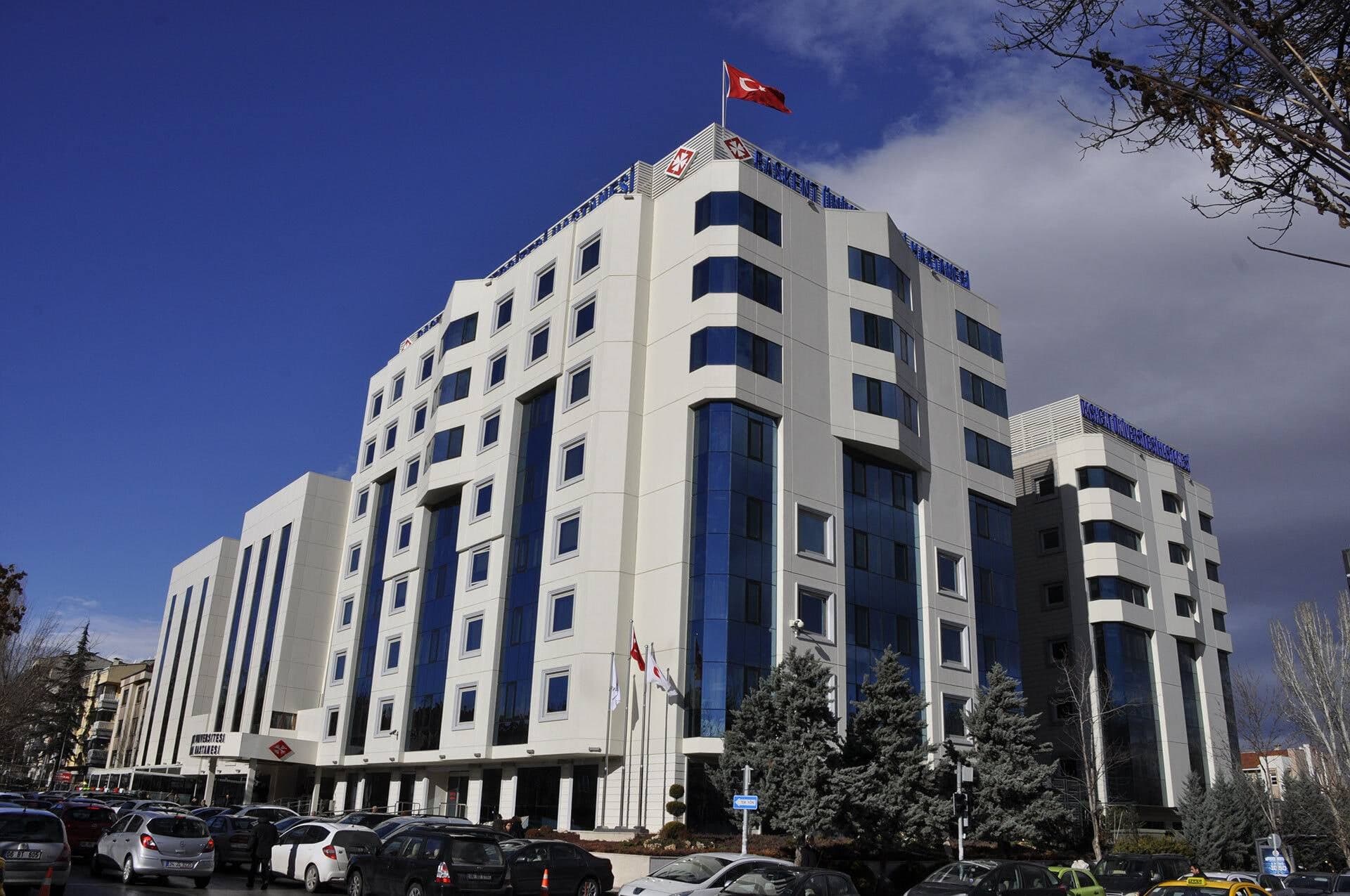
Çankaya Hospital for Orthopedic Care is an orthopedics-focused hospital in the Çankaya district of central Ankara, and it is the name the hospital's own English website uses. The address is Bülten Sokak No:44, and the English site says the hospital has been treating orthopedic patients since 1968 and calls itself Ankara's first private hospital. Its pages present an orthopedic hospital in Ankara that specialises in orthopedics and traumatology, with surgeons whose fields include sports medicine, arthroplasty, spine, foot and ankle, pediatric and oncologic orthopedics.
How the two websites relate
Two sites describe this institution. The English site, cankayahospital.com, presents the hospital to international patients. The Turkish site, cankayaortopedi.com, is run by Çankaya Ortopedi, which calls itself an orthopedics-based working group of surgeons and lists the hospital among its external links. The group's pages state that its surgeries take place at Çankaya Hospital, in operating theatres arranged for orthopedic surgery. Both sites give the same street address and the same main telephone number, and the group's site links to the hospital from its external links list.
In practice, the sites suggest that Çankaya Hospital for Orthopedic Care is the building and its hospital services, while Çankaya Ortopedi is the surgical group that operates there. The group itself says it is not a company, hospital, association or foundation. This page follows the English site for the hospital name and uses the group's pages for clinical detail, and it says which source each statement comes from.
What the hospital says about itself
You may meet several names for this institution: Çankaya Hospital for Orthopedic Care on the English site, Çankaya Hospital in the group's pages, and Çankaya Ortopedi for the surgical group. They all give the same address on Bülten Sokak, so check which name appears on any quote or consent form you receive.
The English site describes the hospital as located at the heart of Ankara and as an institution specialising in orthopedics and traumatology. The hospital's Turkish-language site lists orthopedics and traumatology, physical therapy and rehabilitation, neurosurgery, general surgery, urology, internal medicine, cardiology, neurology, radiology and laboratory services, among others. That mix matters for an orthopedic patient. A joint replacement or spine operation often needs anaesthesia, imaging, internal medicine review and rehabilitation in the same place.
The English home page also reports surgical volume over the last decade: about 3,000 arthroscopic knee operations, about 500 arthroscopic hip operations and nearly 5,000 hip and knee replacements, plus hundreds of foot and ankle, pediatric and oncologic operations. It adds that nearly 200 robotic operations are now performed each year, mainly hip and knee replacements. These are the hospital's own figures, not audited ones, and the pages do not give a single reliable yearly total for all orthopedic operations.
Why an international patient might consider it
A patient who needs planned joint replacement in Ankara, a sports injury repair or a revision operation may value a unit whose pages describe repeated volume in a few procedures. Çankaya Hospital for Orthopedic Care also publishes an English site and names an International Patients Coordinator. It advertises an international visiting fellowship for orthopedic surgeons too. Both suggest it is used to explaining its work to people from other countries.
It will not suit everyone. Anyone with a medical emergency, an open fracture or an unstable condition should be treated locally first. The hospital suits orthopedic care for international patients who are stable and planning ahead. Use Orthopedics Abroad's hospital directory to compare Çankaya Hospital for Orthopedic Care with other options in Ankara and across orthopedic care in turkey. You can also start with a free quote request that includes your imaging and reports.
The extended profile of the hospital rests on a long-running orthopedic practice in a central, well-connected part of Ankara. The English site says the hospital has treated orthopedic patients since 1968 and describes itself as Ankara's first private hospital. The hospital's Turkish-language site states that it opened in 1968 on the same Bülten Sokak. It mentions 54 patient beds including intensive care. The English pages do not repeat a bed count, and the sites give different numbers of operating rooms. So this page leaves the header figures for beds and operating rooms blank, and you should ask for current numbers.
History and group context
The Çankaya Ortopedi site says the working group began in 1996, started by three orthopedic surgeons who wanted to practise as a team, and that it has since grown into a group of orthopedic and trauma specialists with sub-specialties in trauma, pediatric orthopedics, arthroscopy and joint surgery, foot and ankle, spine, hand and tumour surgery. It also lists colleagues from related fields. These include a neurosurgeon for spinal pathology, plastic and reconstructive surgeons for hand and microsurgery, a sports physician, radiologists, a physical medicine specialist, physiotherapists and an anaesthesia team that focuses on pain control.
The hospital's own team page shows a different roster size. The exact headcount can differ between pages and is worth confirming.
The group says it is not a company, association or foundation but a working group based on orthopedics. That matters when you ask who is responsible for what. Ask the coordinator which invoices, consent forms and discharge papers come from the hospital and which come from the surgical group.
Location and character
Çankaya Hospital for Orthopedic Care sits on Bülten Sokak in the Çankaya district, the central administrative area of Ankara. The English contact page explains that visitors from the airport, the AŞTİ bus station or the train station can reach the hospital through the Kızılay stop by city bus or EGO services. That description tells you the hospital is in a dense urban neighbourhood rather than on a separate campus. So expect city streets, nearby hotels and public transport rather than a resort setting.
Departments around orthopedics
The orthopedic unit relies on departments named on the sites. The English site says imaging starts with digitally stored X-rays and uses disease-specific CT and MRI protocols. It describes nerve blocks and patient-controlled pain pumps for pain control. The group says a physiotherapist starts exercises during the hospital stay and prepares a home programme at discharge. The Turkish hospital site mentions an intensive care unit, but the English pages do not describe it. So ask whether an intensive care bed is available if your health history makes this relevant.
Teaching and research culture
Çankaya Hospital for Orthopedic Care also describes itself as a teaching environment. The group says its members have written 8 orthopedic textbooks, one of them in English, and hundreds of scientific articles. It adds that several members have led scientific societies, served on journal boards or organised courses.
The hospital's fellowship page says the visiting fellowship period may vary from 5 days to 2 months. The group states that residents do not take part in patient treatment and that visiting doctors only observe. For a patient, this means a surgeon who is used to explaining every step to colleagues, which can help when you ask questions. It does not replace your own check of experience.
Quality and safety systems
The Çankaya Ortopedi pages describe HEPA-filtered operating rooms for orthopedic surgery, strict sterilization and hygiene rules, and a dedicated page on infection prevention. They also state that all implants used are MRI compatible and that barcode labels of the implants are handed to the patient after surgery so brand, model and size are known later. The group's page says that Çankaya Hospital became one of the few hospitals to receive the JCI quality certificate. This is the group's statement; the English hospital site does not repeat it, and we could not confirm it there. So request the certificate and its validity dates before you rely on it.
When a surgical team states its own infection figure, treat it as the team's report. Ask which period and which operations the figure covers, and read the hospital admission guide for what happens on arrival. The group's site also says it follows published guidance on infection and blood-clot prevention, which you can discuss with your surgeon before travelling.
Orthopedics and traumatology at Çankaya Hospital for Orthopedic Care
The orthopedic services at Çankaya Hospital for Orthopedic Care cover joint replacement, arthroscopy, spine, trauma, foot and ankle, hand, pediatric and oncologic orthopedics, according to the two websites. The English site names several fields of its surgeons: sports medicine, arthroscopic surgery of the hip, shoulder and knee, hip and knee arthroplasty, pediatric orthopedics, spine surgery, foot and ankle surgery and orthopedic oncologic surgery. The group's site adds hand and microsurgery and trauma. The English service pages themselves cover hip replacement, knee replacement, robotic-arm assisted hip and knee replacement and arthroscopic surgery.
Joint replacement and robotic surgery
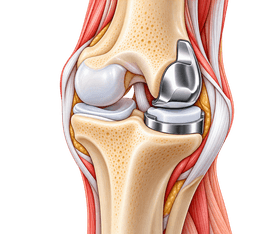
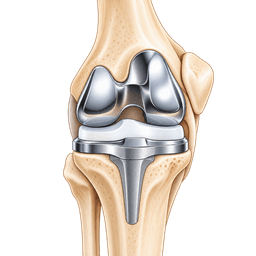
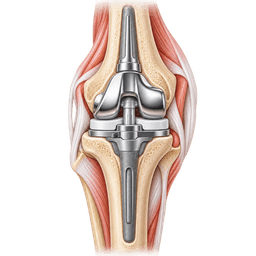
Hip and knee replacement is the most prominent service. The English service pages explain that an arthritic joint can be replaced when pain and loss of movement limit daily life. For the knee, the group's pages describe both total replacement and partial (unicompartmental) replacement; see total knee replacement and partial knee replacement, and the matching total knee replacement cost guide.
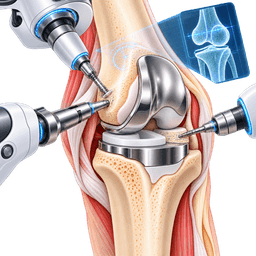
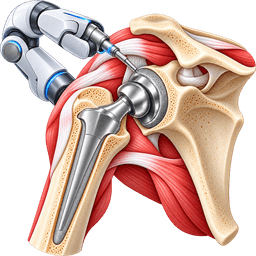
Robotic-arm assisted surgery is described in detail. The surgeon plans implant size and position on a 3D model made from a CT scan. Then the robotic arm helps carry out the plan within preset limits while the surgeon controls the cuts. The English site says the hip system is Mako. The group says the robotic knee system installed at the hospital is not simple navigation. Read more on robotic knee replacement, robotic hip replacement and total hip replacement, with the robotic knee replacement cost guide.
Arthroscopy and sports injuries
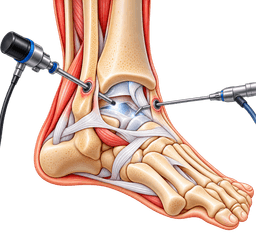
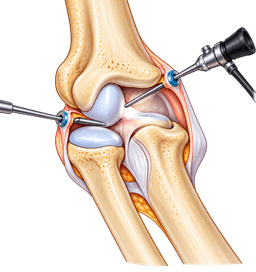
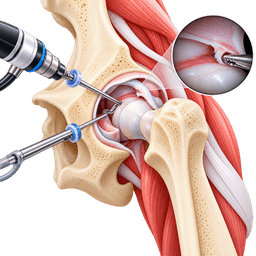
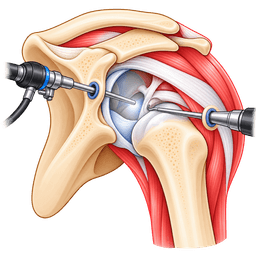
The English site lists arthroscopic surgery of the hip, knee, shoulder and ankle, and says arthroscopy equipment and backups are kept for the operating rooms. The group's patient-information library has articles on anterior cruciate ligament injuries, cartilage injuries, patellar instability, shoulder dislocation, frozen shoulder, rotator cuff tears and hip impingement. These are educational articles, so ask the surgical team directly which operations they perform for your diagnosis. Related pages are knee arthroscopy, hip arthroscopy, shoulder arthroscopy and ankle arthroscopy. The English fellowship page also mentions osteotomies and multi-ligament reconstruction among its areas of interest; see knee osteotomy.
Spine, foot and ankle, hand, pediatric and trauma
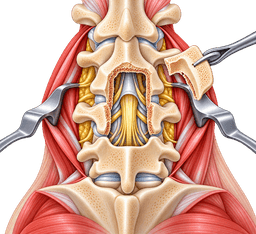
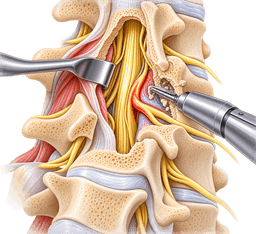
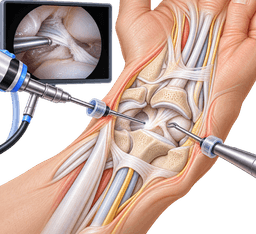
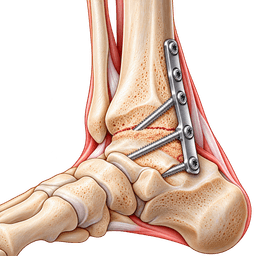
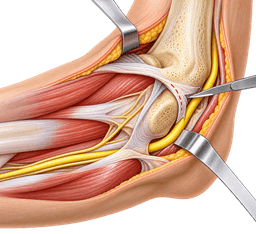
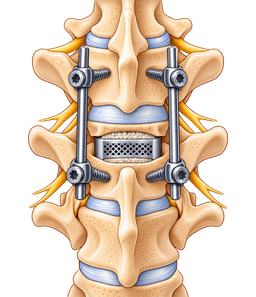
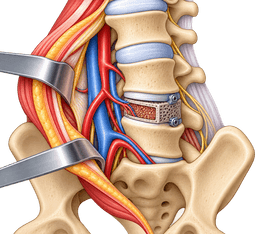
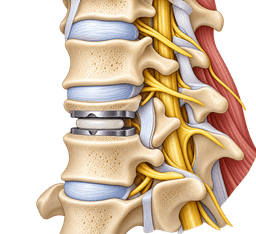
The group says every spine operation is performed jointly by an orthopedic surgeon and a neurosurgeon, and its patient pages cover scoliosis and spinal stenosis. Its foot and ankle articles cover ankle sprains, posterior ankle endoscopy, talus cartilage lesions, hallux valgus and hallux rigidus; see bunion surgery for general background. Hand and wrist content includes carpal tunnel disease. Pediatric content covers cerebral palsy and early detection of hip dislocation in babies. Trauma content covers hip fractures in older people and minimally invasive plating; see hip fracture surgery for general background. These links explain the operations; they do not confirm that the hospital offers each one to international patients.
Primary and revision hip and knee arthroplasty are listed as part of the fellowship workload. So ask about revision hip replacement and revision knee replacement if you need one. Shock wave therapy (ESWT) for musculoskeletal conditions is also described.
Plain-language notes on the main services
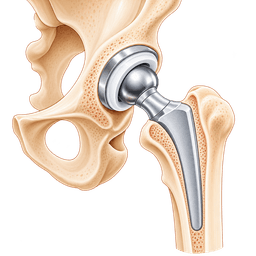
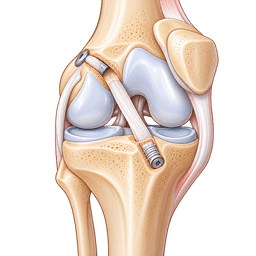
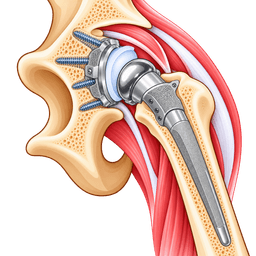
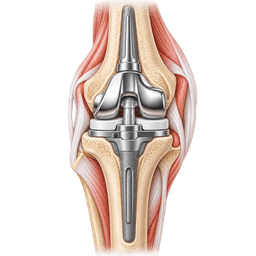
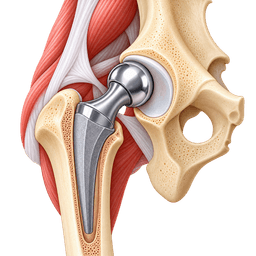
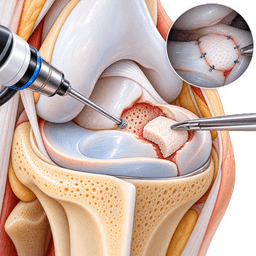
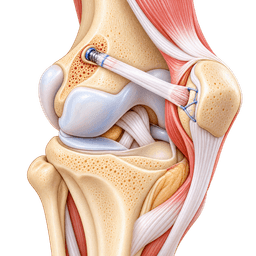
A joint replacement removes worn cartilage and bone surfaces and fits an artificial joint. In hip replacement the ball and socket are changed; in knee replacement the thigh bone and shin bone surfaces are resurfaced, sometimes only one compartment of the knee. Arthroscopy uses a thin camera and small instruments through small cuts to look inside a joint and repair it.
The English site explains that arthroscopy began as a diagnostic tool, used to plan an open operation, and is now a treatment method in its own right. Patients who read about orthopedic surgery in Ankara should ask which of these options the surgeon proposes for their own joint and why.
The group's patient pages also describe joint-preserving surgery for hip dysplasia in younger people and discuss hip fractures in older people, so the published scope is wider than joint replacement alone. How much of that scope is open to a visiting patient is a question for the coordinator.
Services at a glance
| Area | What the sites describe | Where to read more |
|---|---|---|
| Knee | Total and partial replacement, robotic-arm assistance, arthroscopy, osteotomy and multi-ligament work (fellowship page) | Knee |
| Hip | Replacement, robotic hip surgery with Mako, arthroscopy, impingement, dysplasia, hip fractures | Hip |
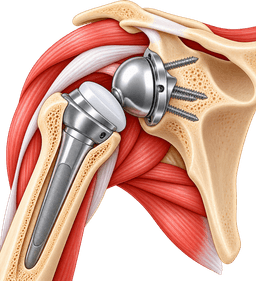
| Shoulder | Arthroscopy, dislocation, frozen shoulder, rotator cuff problems | Shoulder |
| Spine | Scoliosis and stenosis content, operations by an orthopedic surgeon with a neurosurgeon | Spine |
| Foot and ankle | Sprains, endoscopy, bunions, stiff big toe, talus lesions | Foot and ankle |
| Hand and wrist | Carpal tunnel disease, hand and microsurgery team | Hand and wrist |
Not every procedure on a general platform list is offered here. Treat the table as the sites' own scope and confirm your exact operation, implant brand and surgeon before booking. Related conditions to read about include knee osteoarthritis, hip osteoarthritis, ACL tear and femoroacetabular impingement.
Çankaya Hospital for Orthopedic Care: accreditations, technology and facilities
Accreditations
- The Çankaya Ortopedi group states that Çankaya Hospital became one of a few hospitals to receive the JCI (Joint Commission International) quality certificate. We could not confirm this on the hospital's own pages, so treat it as the group's statement.
- Neither site publishes a certificate number or validity dates, so ask the coordinator for the current certificate before you travel.
- The group describes HEPA-filtered orthopedic operating rooms and strict sterilization and infection-control rules as part of its quality approach.
- The hospital's Turkish-language quality pages say quality work follows Ministry of Health standards. The English site lists no health-tourism authorisation or ISO certificate, so ask whether one applies.
Technology
- Robotic-arm assisted hip replacement with the Mako system, as named on the English site.
- Robotic-arm assisted partial and total knee replacement, planned on a CT-based 3D model, as the English site and the group describe; the knee system is not named.
- Arthroscopy equipment for hip, knee, shoulder and ankle surgery, as the English site states.
- Disease-specific CT and MRI protocols and digital radiography, as the English site states.
- Patient-specific knee implants designed from special 3D CT scans, with image processing done abroad, according to the group.
- Digital planning programmes for osteotomies and limb lengthening.
- Posterior ankle endoscopy and minimally invasive plating for fractures, covered in the group's patient articles.
- Extracorporeal shock wave therapy (ESWT) for musculoskeletal conditions, covered in the group's patient articles.
Facilities
- Operating theatres arranged for orthopedic surgery, according to the English site and the group (the sites differ on how many, so ask).
- Operating rooms with HEPA filtration, as described by the Çankaya Ortopedi pages.
- Radiolucent spine surgery tables that rotate 360 degrees, and tables for hip arthroscopy, as the English site and fellowship page describe.
- Fluoroscopy imaging systems and operating microscopes; the group mentions 3 recent-model fluoroscopy units.
- Departments for radiology, anaesthesiology and reanimation, physical therapy and rehabilitation, internal medicine, cardiology, neurology and laboratory services, according to the hospital's Turkish-language site.
- Digital X-ray storage, as the English site describes.
- Hotels within walking distance, as noted on the fellowship page.
International patient services
- An International Patients Coordinator who arranges airport transfer, accommodation, hospitalization and billing, as the English site states.
- Doctors who the site says are all fluent in English, with some French and German also spoken.
- An appointment form, a telephone line and a WhatsApp number listed on the English contact page.
- An international visiting fellowship for orthopedic surgeons, which suggests the unit is used to working with colleagues from other countries.
- Explanations of hip replacement, knee replacement, robotic surgery and arthroscopy in English on the hospital site.
Orthopedic procedures available at Çankaya Hospital for Orthopedic Care
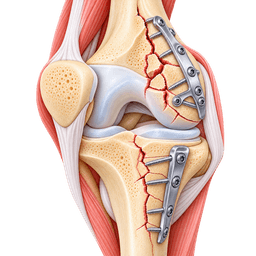
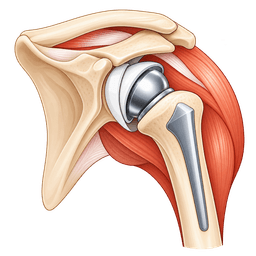
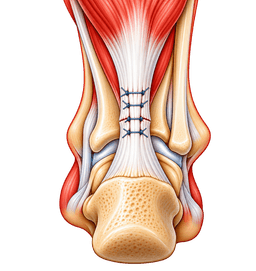
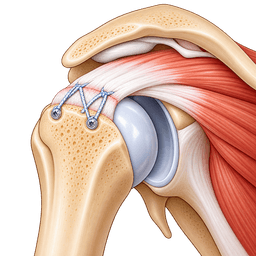
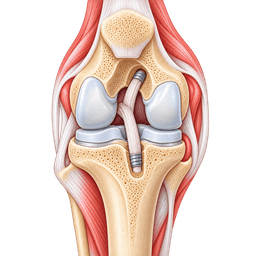
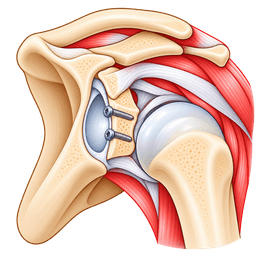
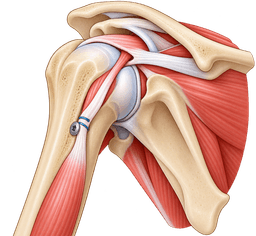
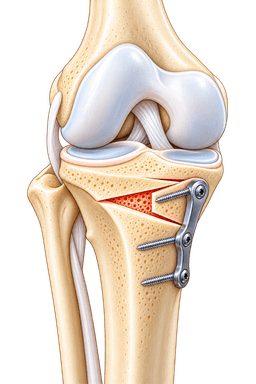
61 procedures listed from the hospital's own pages. Hover to pause, select one to read about it.
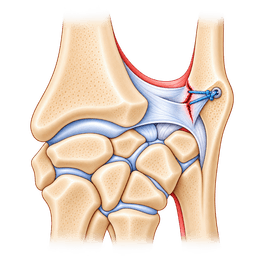
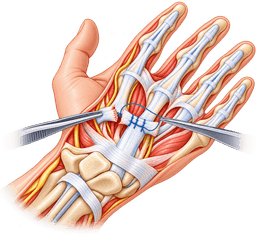
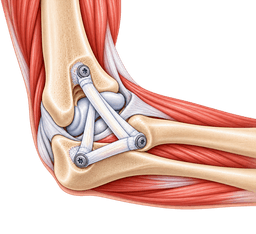
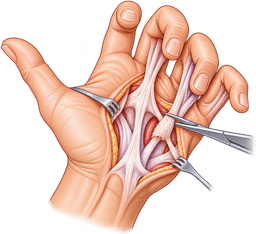
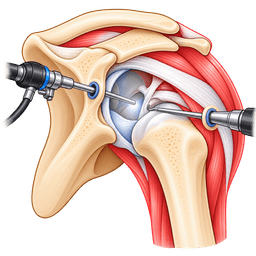
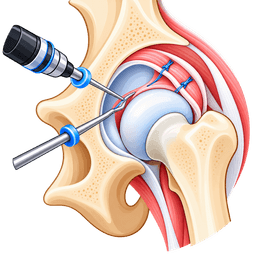
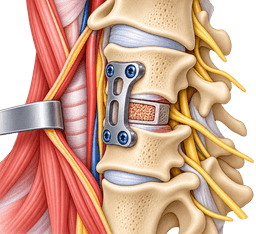
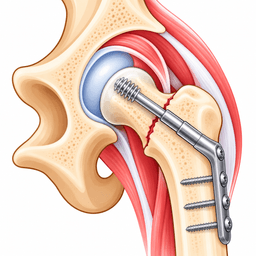
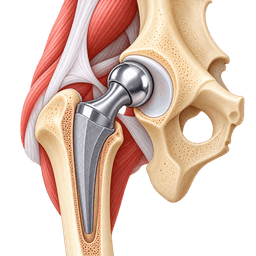
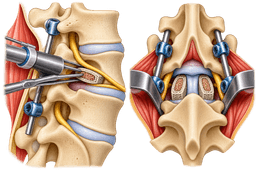
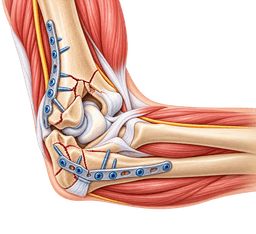
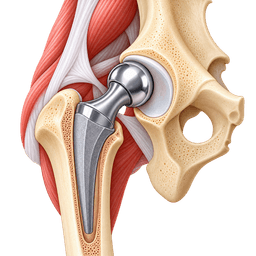
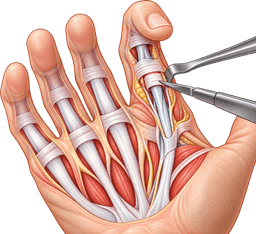
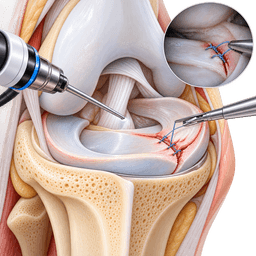
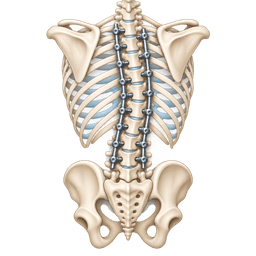
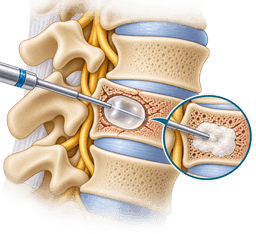
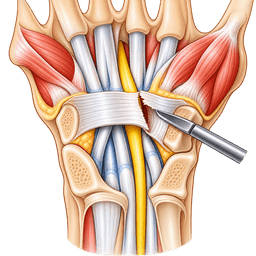
- Carpal Tunnel Release
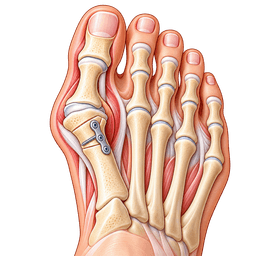
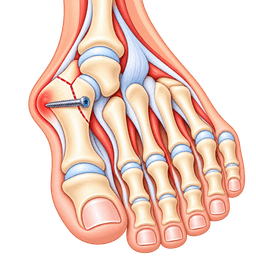
- Bunion Surgery
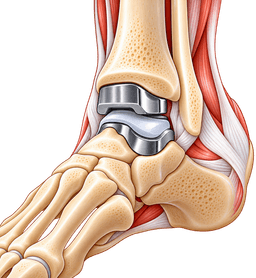
- Total Ankle Replacement
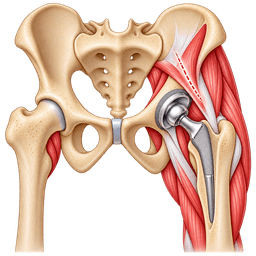
- Anterior Hip Replacement
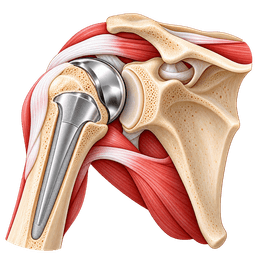
- Partial Shoulder Replacement
- Robotic Hip Replacement
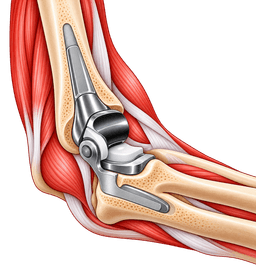
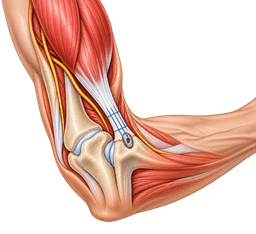
- Distal Biceps Repair
- Shoulder Arthroscopy
- Knee Arthroscopy
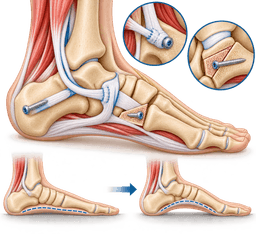
- Flatfoot Reconstruction
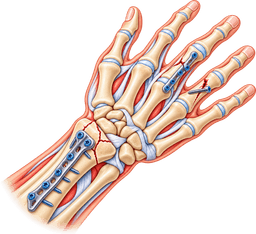
- Hand / Wrist Fracture Surgery
- Forefoot Surgery
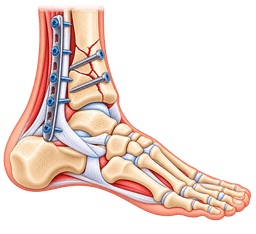
- Foot & Ankle Fracture Surgery
- Cartilage Restoration
- MPFL Reconstruction
International patients at Çankaya Hospital for Orthopedic Care
Çankaya Hospital for Orthopedic Care says it is well organised to treat international patients, and Orthopedics Abroad adds a structured process on top of that. The hospital's English pages say its group employs an International Patients Coordinator who organises the airport transfer, accommodation, hospitalization and billing procedures of international patients. All doctors are described as fluent in English, with some French and German spoken. The pages do not describe interpreters for other languages, a VIP room offer or a remote consultation service. So ask about each.
How the process works through Orthopedics Abroad
First, send your records through the quote form: MRI, X-ray or CT images, operation reports, medication lists and recent blood tests. Our coordinators check that the file is complete using the medical record review guide before it is passed on. The hospital's surgeons then decide whether your case fits their practice and propose a plan; any change to the plan after examination in Ankara should be explained in writing.
Next come travel and stay. Read the travel and accommodation guide and the hospital admission guide. The group's pages say planned operations are usually performed within one week. The group says most arthroscopic procedures mean one night in hospital while knee and hip replacements mean two or three nights. These are the group's typical figures. So your own stay may differ.
What to organise before travel
| Step | What to prepare | Who helps |
|---|---|---|
| Records | Imaging on disc or link, reports, allergy and medication list | Orthopedics Abroad coordinator |
| Surgical plan | Procedure, implant type, surgeon, expected hospital nights | Hospital surgical team |
| Travel | Flights, airport transfer, a companion if possible | Hospital coordinator and you |
| Stay | Hotel near Çankaya for check-ups and physiotherapy | Hospital coordinator |
| Return home | Discharge papers, implant labels, home exercise plan, local follow-up | You and your home doctor |
Questions to settle in writing
Before you book flights, ask the coordinator to confirm the operation and side, the implant brand, the expected nights in hospital, what the hospital quote covers, and who answers your messages after you fly home. A written list protects you if a plan changes after examination. Keep the implant labels handed over after surgery, because the group says they are given to the patient.
Ask also how photos, wound checks and physiotherapy reports will be shared with your home clinician. The sites do not describe a formal remote follow-up service. Agree on it before you leave Ankara.
What a typical journey looks like
A typical journey has five stages. First, you send records. Second, the surgeon reviews them and proposes a plan. Third, you travel and are examined in Ankara. Fourth, surgery takes place. This is followed by 1 to 3 nights in hospital for the usual operations the group describes. Fifth, you recover, attend a check and fly home when the surgeon agrees.
Each stage has a decision point. If the plan changes at stage three, you can pause and ask questions. The English site says the wait for planned surgery is less than 1 week. So keep your schedule flexible and avoid booking a fixed return flight before the plan is final.
Honest limits
Orthopedics Abroad is a coordination platform. It is not Çankaya Hospital for Orthopedic Care, and the hospital is available through our network, not owned by it. We do not set medical decisions or promise outcomes. Ask the hospital in writing which services are covered by its quote and which are not, and use the questions to ask before surgery abroad. After you return, follow the follow-up guide and arrange a local check-up. Emergencies and acute trauma should be treated close to home first.
Is Çankaya Hospital for Orthopedic Care right for your orthopedic surgery?
the hospital may suit stable adults and families who need a planned joint, sports or spine operation and who value a team that repeats the same procedures often. The decision should rest on your case, not on a ranking. Here is what to weigh.
Cases that fit the published scope
The sites emphasise hip and knee replacement, robotic-arm assisted surgery, arthroscopy and sports medicine, with spine, foot and ankle, pediatric and trauma work alongside. A patient with advanced knee osteoarthritis or hip osteoarthritis, a ligament or cartilage injury, or hip impingement matches this scope. See also patellar instability and rotator cuff tear.
Points to check before choosing
- Case complexity. If you have heart disease, diabetes, a previous infection or a revision operation, ask how the hospital's internal medicine, cardiology and anaesthesia teams will review you before surgery.
- Surgeon fit. Ask which surgeon will perform your operation, how many of your procedure he or she performs each year and who covers if that surgeon is unavailable.
- Implants. The sites say implants are chosen for quality and published track record; ask for the brand, model and bearing type in writing.
- Intensive care. The English pages give no intensive care details. Ask what happens if you need closer monitoring.
- Language. English is stated; for other languages ask what support is really available.
- Follow-up. Plan wound checks, physiotherapy and imaging with your home doctor.
Questions a family member can ask
Companions often carry the practical load. Ask who will meet you at the airport, who will help with the first walk after surgery and which hospital staff speak your language on the ward. Ask how pain is controlled at night, because the group describes nerve blocks and patient-controlled pumps but your own plan may differ.
Ask whether physiotherapy can continue in your home country and whether the surgeon will talk to your local physiotherapist. Good communication matters more than any single device. If you are comparing several centres, the questions to ask before surgery abroad give you one checklist for all of them.
Who should look elsewhere or wait
Anyone with an open fracture, sudden severe pain with fever, loss of limb sensation or another emergency should go to the nearest emergency department. Treatment abroad is for stable or planned patients. If your condition is not in the hospital's published scope, ask for a written opinion before travelling. Our treatment planning guide and the hospital directory help you compare options without ranking them.
Getting to Çankaya Hospital for Orthopedic Care in Ankara
Çankaya Hospital for Orthopedic Care is in the Çankaya district, the central part of Ankara, and most visitors arrive by air to the capital and continue by road. The hospital address is Bülten Sokak No:44. Read the city overview at Ankara to see how the capital works for patients.
From the airport, bus station and train station
The English contact page gives public-transport directions. From the airport, it suggests the Havaş or EGO bus to the Kızılay stop and then a city bus with one of the numbers it lists, or an EGO service. From the AŞTİ intercity bus station it points to the Ankaray and Kızılay stop. From the train station to Kızılay metro station, again followed by a city bus. These instructions are written for patients and relatives arriving from out of town. If you would rather not use public transport after surgery, ask the International Patients Coordinator about a private transfer; the English site says the coordinator organises airport transfers for international patients.
Staying nearby
The fellowship page says there are many hotels within walking distance of the hospital. This suggests that a companion can stay close by without long journeys. We do not publish distances or prices here. So ask the coordinator for current options that suit your mobility, such as a lift, a walk-in shower and a ground-floor entrance. Our companion guide and the travel and accommodation guide list what to check.
A realistic week in Ankara
Plan for a few days before surgery for examination and tests, 1 to 3 nights in hospital, and some days afterwards for checks. The exact schedule is set by your surgeon. A companion can help with meals, errands and the first walks.
Çankaya Hospital for Orthopedic Care is in a central district, so pharmacies, cafés and shops are usually close. After a joint replacement, many patients rest at the hotel between physiotherapy sessions and check-ups. Ask the coordinator whether the hotel has a lift and a walk-in shower.
Moving around the city
Çankaya is a busy central district of the capital with shops, offices and restaurants. Pavements can be uneven. So a patient on crutches may prefer short taxi rides to long walks. Ask the coordinator which taxi or transfer arrangement is easiest for your first days and who to call if you need help at night.
Season and recovery
Ankara has an inland climate with cold winters and hot dry summers. So spring and autumn are usually easier for walking with crutches or a stick. If you travel in winter, plan for icy pavements; in summer, plan for heat and hydration. Your surgeon decides when you may fly; read flying after surgery and the rehabilitation guide. Staying a few days after discharge for a wound check is common sense, but the exact length depends on your operation. So ask the surgical team rather than assume.
Sources for this Çankaya Hospital for Orthopedic Care guide
Peer-reviewed guidance and institutional sources used to write and review this page.
- 01Çankaya Hospital for Orthopedic Care: home page
Çankaya Hospital for Orthopedic Care, 2026
https://cankayahospital.com/
- 02Why Us
Çankaya Hospital for Orthopedic Care, 2026
https://cankayahospital.com/why-cankaya-hospital-for-orthopedic-care/
- 03Orthopedic Surgery International Visiting Fellowship Program
Çankaya Hospital for Orthopedic Care, 2026
https://cankayahospital.com/orthopedic-surgery-international-visiting-fellowship-program/
- 04
- 05
- 06Joint Commission International accreditation
Joint Commission International, 2026
https://www.jointcommissioninternational.org/
- 07Özel Çankaya Hastanesi: Hakkımızda
Özel Çankaya Hastanesi, 2026
https://cankayahastanesi.com.tr/tr/hakkimizda/
- 08Orthopedic surgery information
American Academy of Orthopaedic Surgeons, 2026
https://orthoinfo.aaos.org/
Çankaya Hospital for Orthopedic Care: frequently asked questions
Does the hospital treat international patients?
Which orthopedic treatments does Çankaya Hospital for Orthopedic Care offer?
Is Çankaya Hospital for Orthopedic Care accredited?
How are Çankaya Ortopedi and the hospital related?
Does the hospital use robotic surgery?
What languages are spoken?
How do I send my records?
Can I have a remote consultation?
How long should I stay in Ankara after surgery?
Is the hospital suitable for emergencies?
Are implants of good quality used?
How many operations does the hospital perform?
Where is the hospital?
Other partner hospitals
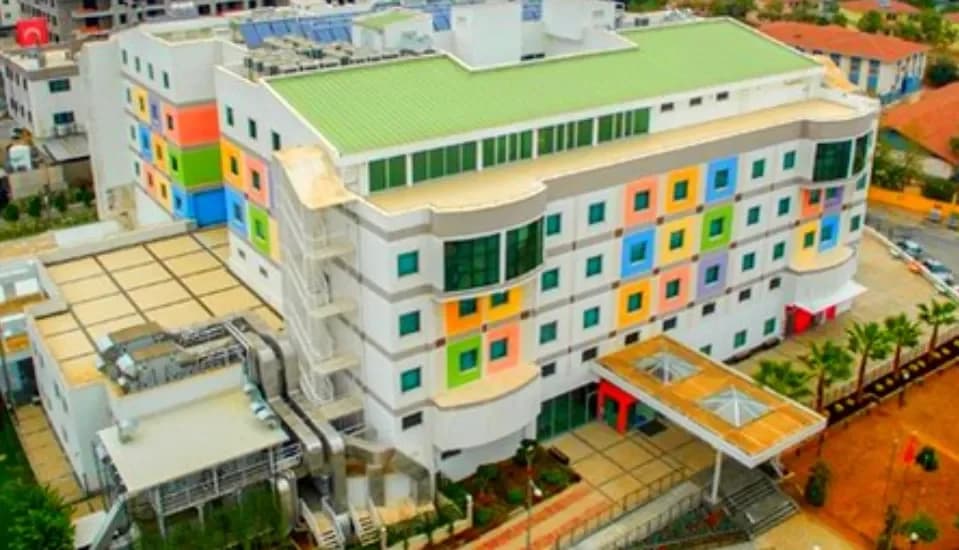
Antalya Yaşam Hospital
Private hospital in Muratpaşa, Antalya, with an orthopedics and traumatology department
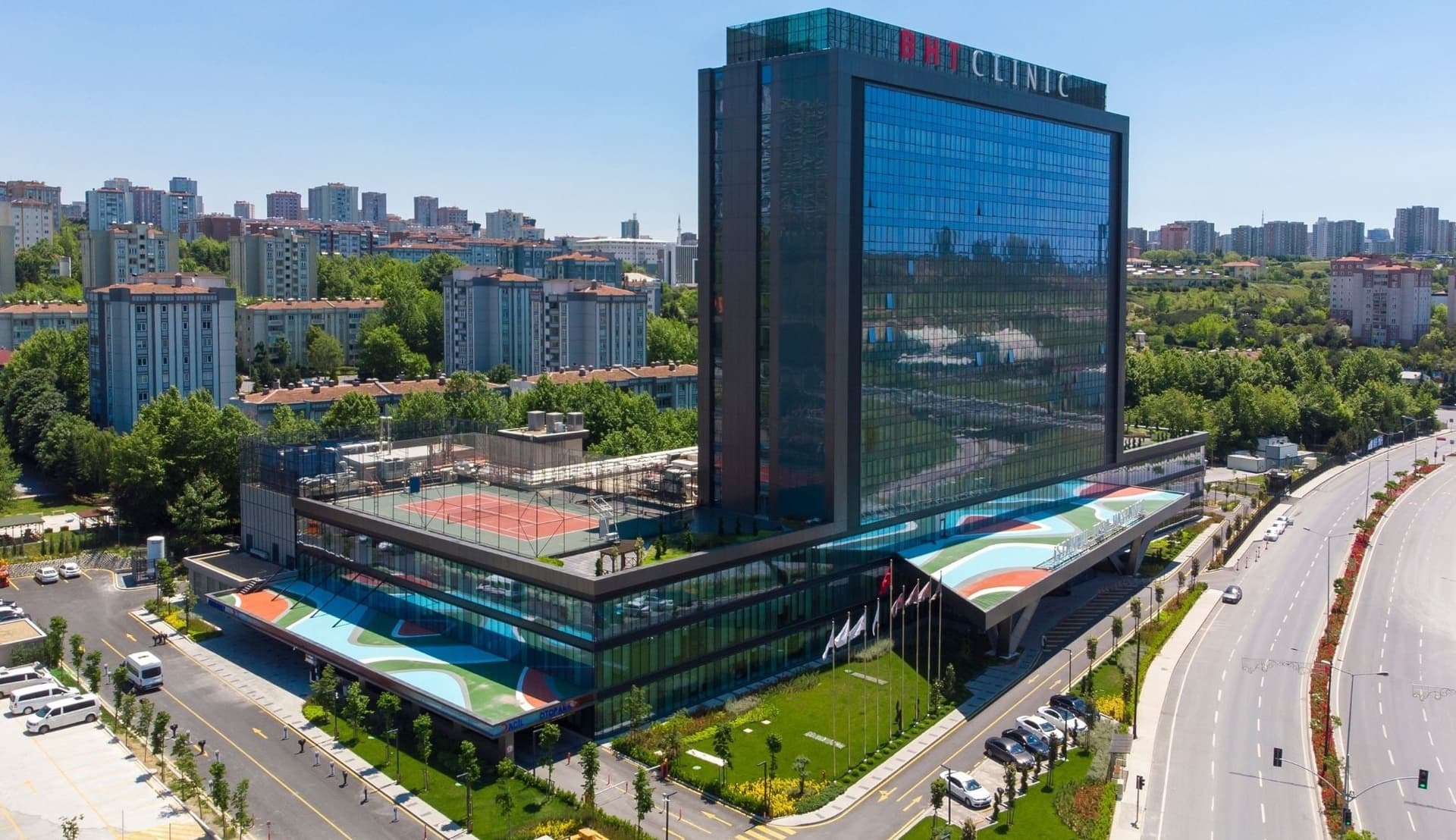

BHT Clinic Istanbul Tema Hospital
Large private hospital in Atakent, Küçükçekmece, with an orthopedics and traumatology unit
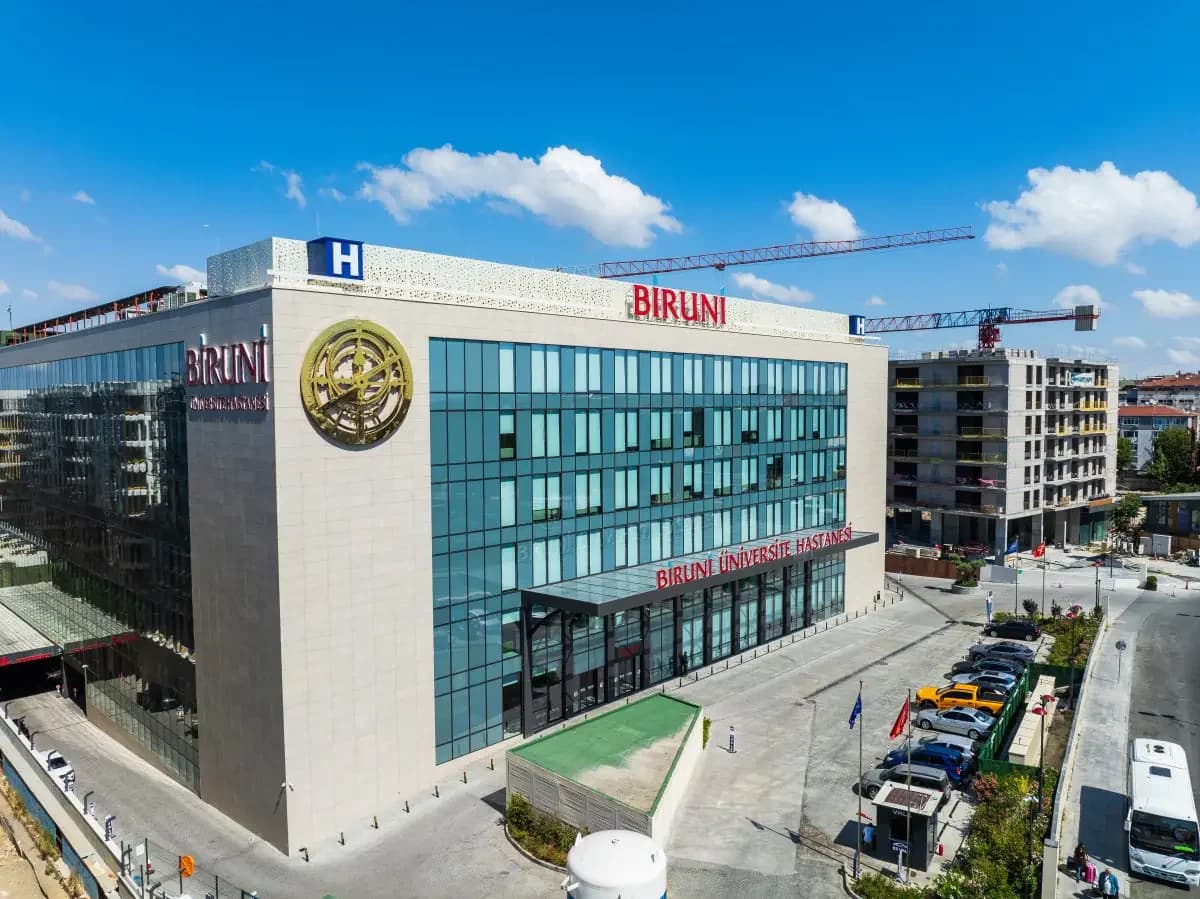

Biruni University Hospital
University hospital in Küçükçekmece, Istanbul, with a published orthopedics and traumatology department