
Overview
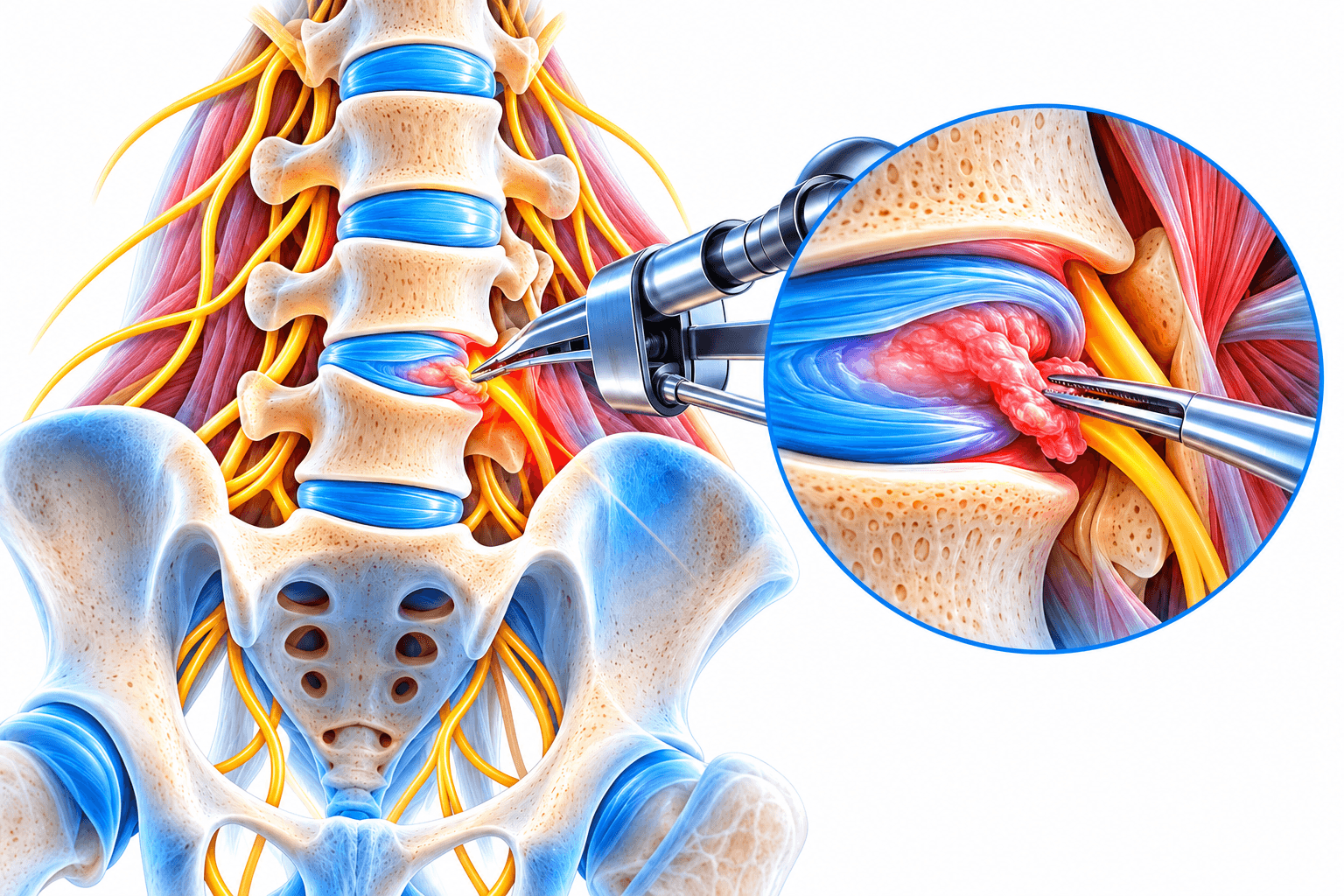
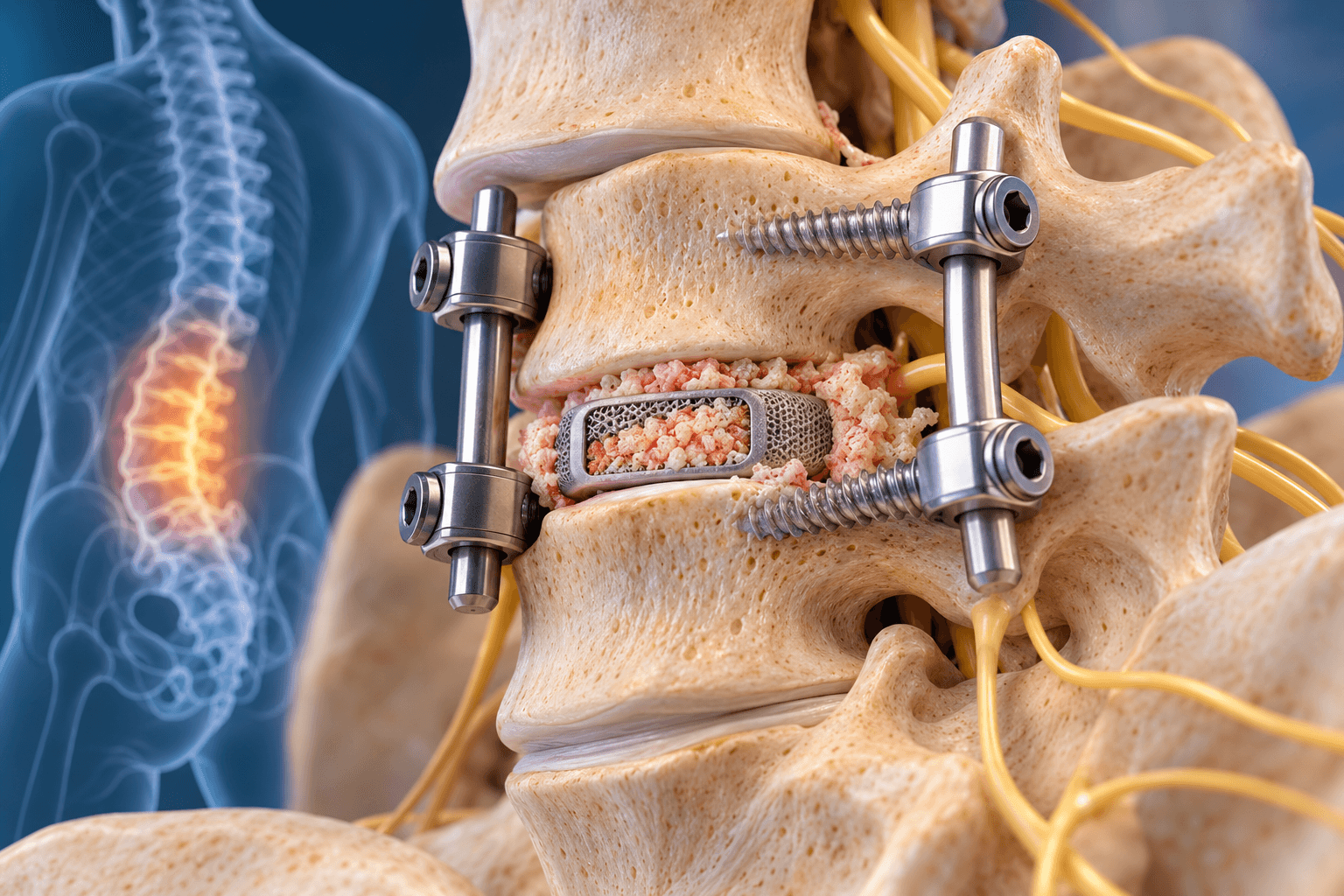
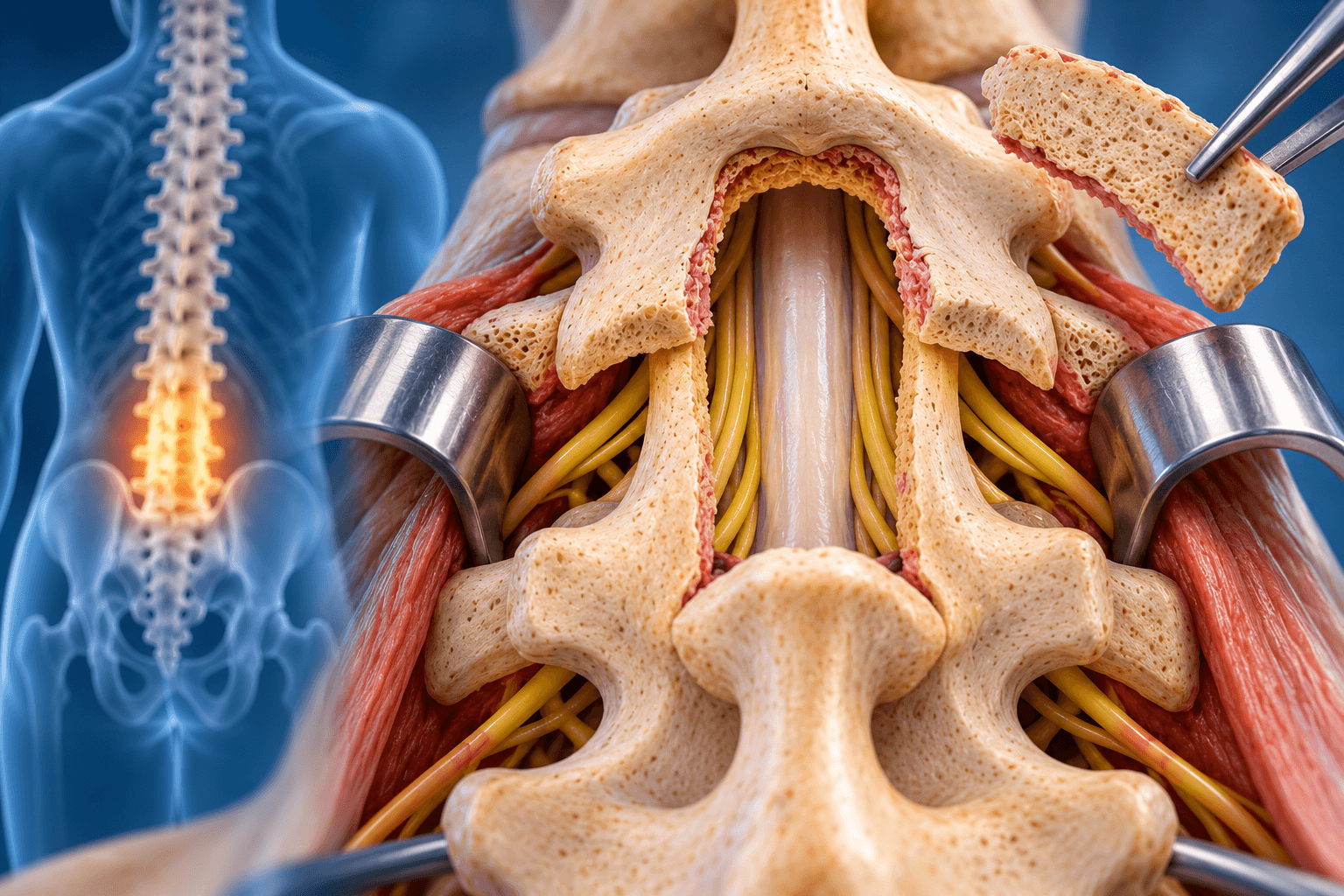
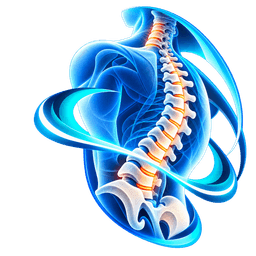
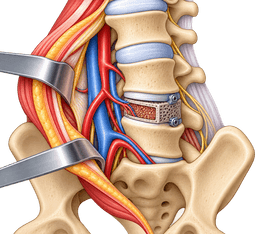
ALIF is a spinal fusion of the spine in which the surgeon reaches the front of the spine through the abdomen with a vascular-access surgeon, removes the entire disc and places a large lordotic cage, sometimes supplemented with screws from the back. It is most often recommended for Degenerative Disc Disease, Spondylolisthesis.
The procedure is performed through a anterior retroperitoneal approach under general and typically takes about 150 minutes. Most patients stay 3 nights in hospital. The implants used are anterior interbody cage with integrated screws or plate.
Partner surgeons in Turkey perform this operation regularly in accredited hospitals, and Orthopedics Abroad coordinates imaging review, surgical planning, travel and follow-up so the medical pathway is the same as it would be at home.
Conditions treated
Who it's for
- Degenerative Disc Disease
- Spondylolisthesis
Good candidates
Good candidates for alif have symptoms that clearly limit daily activities, imaging that confirms the diagnosis and have completed an appropriate course of non-operative treatment. General health, bone quality, body weight, smoking status and expectations are all reviewed during the medical record assessment before a surgical date is offered. Patients with uncontrolled diabetes, active infection or unmanaged cardiac disease are optimised first.
How the operation is performed
ALIF is carried out through a anterior retroperitoneal approach. In summary, the surgeon reaches the front of the spine through the abdomen with a vascular-access surgeon, removes the entire disc and places a large lordotic cage, sometimes supplemented with screws from the back. The operation lasts approximately 150 minutes under general.
Recovery
You spend about 3 nights in hospital and begin guided rehabilitation immediately. Expect the main recovery phase to last around 20 weeks, with continued improvement for up to a year. Return to desk work is usually possible within 3 to 7 weeks, and more physical activity is reintroduced in stages agreed with your physiotherapist. A written rehabilitation protocol is provided before you fly home.
Day 0–1
Stand and walk with support
Week 3–7
Desk work, light activity
Week 20+
Full activity as cleared
Risks and how they are managed
All surgery carries risk. Partner hospitals follow enhanced-recovery and infection-prevention protocols, and your surgeon will discuss the risks specific to your case before consent.
- Failure of fusion (pseudarthrosis)
- Adjacent-segment degeneration
- Screw malposition or hardware failure
- Infection (superficial or deep)
- Blood clots (DVT / pulmonary embolism)
- Bleeding or haematoma
- Anaesthetic complications
- Nerve or blood-vessel injury near the operative site
- Persistent pain or stiffness
Alternatives
- Comprehensive physiotherapy and core programme
- Pain management and injections
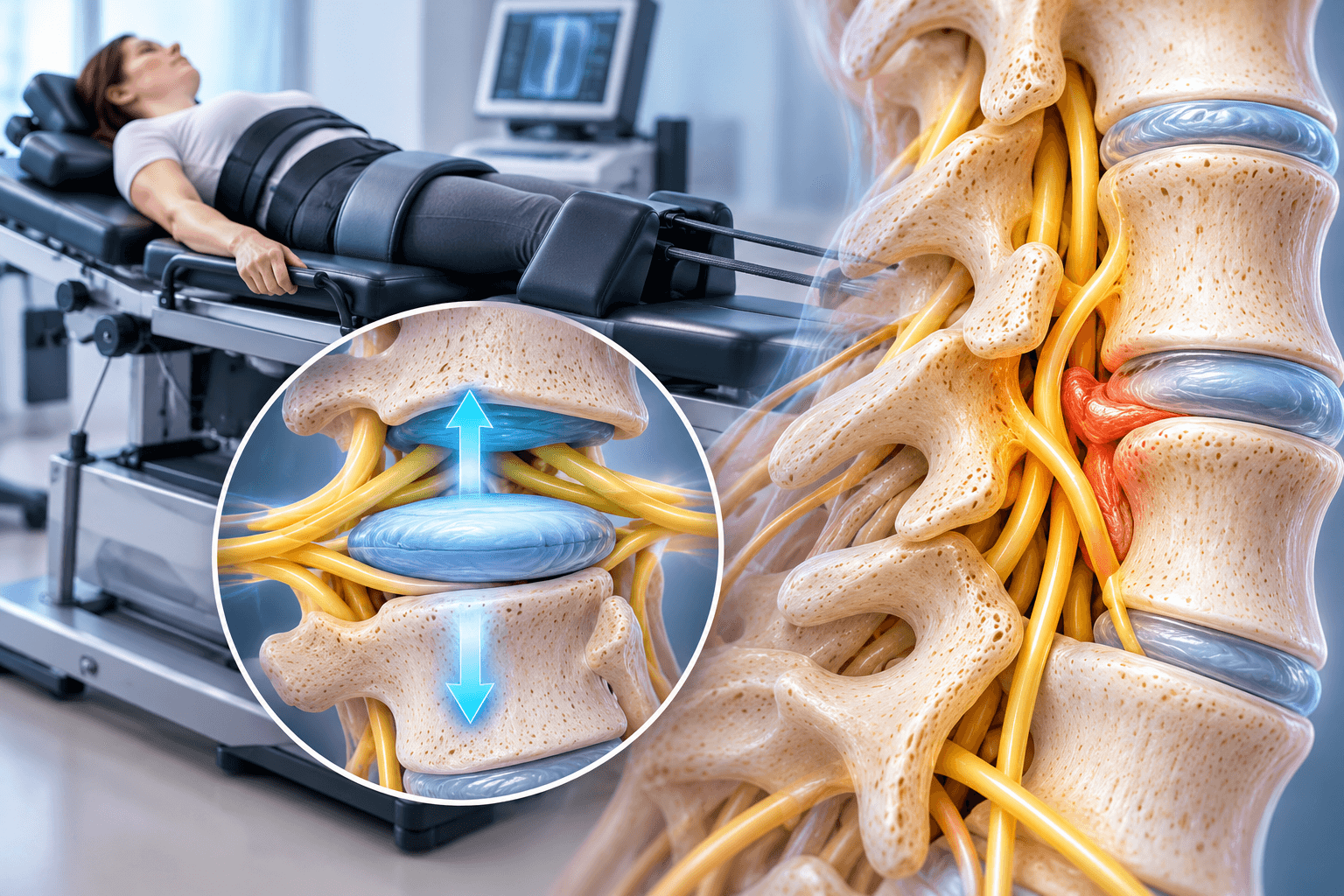
- Decompression alone when stable
- Microdiscectomy in selected cases
- Laminectomy in selected cases
What Anterior lumbar interbody fusion costs
The contracted Turkey partner package next to approved self-pay benchmarks. Benchmarks are 20th–80th percentile ranges of approved records, normalised to USD.
Turkey package
$12,000 – $19,000
United States self-pay
$60,500 – $137,550
United Kingdom self-pay
$23,300 – $63,050
Germany self-pay
$20,400 – $56,100
Typical self-pay range by country
Surgeons who perform Anterior lumbar interbody fusion
All surgeonsSurgeon profiles for this procedure are being added.
Hospitals offering this procedure
Antalya Yaşam Hospital
Private hospital in Muratpaşa, Antalya, with an orthopedics and traumatology department
BHT Clinic Istanbul Tema Hospital
Large private hospital in Atakent, Küçükçekmece, with an orthopedics and traumatology unit
Biruni University Hospital
University hospital in Küçükçekmece, Istanbul, with a published orthopedics and traumatology department
Çankaya Hospital for Orthopedic Care
Çankaya Hospital for Orthopedic Care is an orthopedic hospital in central Ankara with robotic-arm assisted surgery