

Outer Knee Pain: IT Band, Lateral Meniscus or Arthritis?
Outer knee pain can arise from several causes including IT band syndrome, lateral meniscus tears, or arthritis. This article explains symptoms, diagnosis, and treatment options.
Key takeaways
- 1Outer knee pain can result from IT band syndrome, meniscus tears, or arthritis.
- 2Pain on the outside of the knee without swelling is common in IT band syndrome.
- 3Treatment starts with rest and physiotherapy before considering injections or surgery.
- 4Arthroscopy is often used for meniscus tears, while arthritis may require knee replacement.
- 5Seek urgent care if you experience severe swelling, inability to move the knee, or signs of infection.

What causes pain on the outside of the knee?
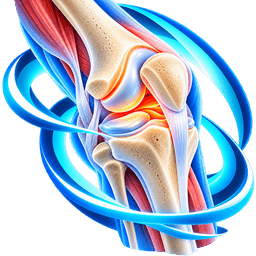
Outer knee pain—sometimes called pain on the outside of the knee, pain exterior knee, outside knee pain, or outside of knee pain—is a common complaint that can affect people of any age. The pain is usually felt on the lateral (outer) side of the knee. Several different conditions can cause this type of pain. Understanding the possible causes can help you speak to your doctor and get the right diagnosis.
The most common causes of pain on the outside of the knee include:
- IT band syndrome (iliotibial band syndrome): This is irritation or inflammation of a thick band of tissue that runs along the outside of your thigh and attaches just below the knee. It is common in runners and cyclists.
- Lateral meniscus injury: The meniscus is a wedge-shaped cartilage in the knee. The lateral meniscus sits on the outer side of the knee and can be torn by twisting injuries or wear and tear over time.
- Osteoarthritis: Arthritis is a condition where the cartilage in the knee joint wears down. When it affects the outer part of the knee, it can cause pain and stiffness on that side.
Other less common causes include:
- Lateral collateral ligament (LCL) injury: The LCL is a ligament on the outside of the knee that can be sprained or torn during sporting injuries or falls.
- Bursitis: Bursae are small fluid-filled sacs that reduce friction in the knee. Inflammation of the bursa near the outside of the knee can cause pain.
- Tendonitis: Tendons attach muscles to bones. Overuse or injury to tendons on the outer side of the knee can lead to pain.
- Referred pain: Sometimes pain from the hip, lower back, or other structures can be felt on the outside of the knee even when the knee itself is not injured.
Each of these causes can present in slightly different ways. For example, IT band syndrome usually causes a sharp or burning pain on the outer side of the knee, especially during activities like running. A lateral meniscus tear might cause a catching or locking feeling in the knee, along with pain. Arthritis tends to cause a dull, aching pain and stiffness, especially after rest or in the morning.
Pain on the outside of the knee can come on suddenly after an injury, or develop slowly over time. Some people notice it only during certain activities, while for others it may be constant. The presence or absence of swelling, instability, or locking can help narrow down the diagnosis.
It is important to see a healthcare professional for proper diagnosis if you have ongoing or severe pain. They will ask about your symptoms, examine your knee, and may order tests such as X-rays or MRI scans if needed. This article does not replace a medical consultation.
Most cases of outside knee pain can be managed with rest, physiotherapy, and simple pain relief. However, some conditions—such as a meniscus tear or severe arthritis—may require injections or surgery if symptoms do not improve with conservative treatment. Early diagnosis and treatment can help you recover faster and prevent further damage.
What is IT band syndrome and how does it cause lateral knee pain?
IT band syndrome (iliotibial band syndrome) is a common cause of lateral knee pain, especially in people who are active or who run regularly. The iliotibial (IT) band is a thick band of tissue that runs from your hip, down the outside of your thigh, and attaches just below the outside of your knee.
IT band syndrome happens when this band becomes irritated or inflamed. This usually occurs because of repeated bending and straightening of the knee, which causes the IT band to rub against the bony part of the femur (thigh bone) near the knee. Over time, this friction can lead to pain and inflammation.
The main symptoms of IT band syndrome are:
- Pain on the outside of the knee: The pain is usually sharp or burning and is located just above the outer part of the knee joint.
- Pain that worsens with activity: Activities such as running, cycling, or going up and down stairs can make the pain worse.
- No significant swelling: Unlike some other knee injuries, pain on the outside of the knee with no swelling is typical for IT band syndrome. The area may feel tender, but visible swelling is uncommon.
- Pain after running: Many people notice pain on the outside of the knee after running, especially if they increase their mileage or run on sloped surfaces.
- Tightness or snapping: Some people feel a sense of tightness or even a snapping sensation on the outside of the knee.
IT band syndrome is most common in athletes, especially runners, cyclists, and people who do repetitive knee bending. It can also affect people who suddenly increase their activity level, run on uneven ground, or have muscle imbalances or poor running technique.
The pain usually comes on gradually, getting worse with continued activity. If you rest, the pain often improves, but it tends to return when you start exercising again. The lack of swelling helps distinguish IT band syndrome from other injuries like ligament tears or joint inflammation, which often cause visible swelling.
Diagnosis is usually based on your symptoms and a physical examination. Your doctor may press along the outside of your knee to find the tender area. Imaging tests are rarely needed unless another injury is suspected.
Treatment for IT band syndrome focuses on reducing inflammation, relieving pain, and addressing the underlying cause. This may include:
- Resting from activities that cause pain
- Applying ice to the sore area
- Physiotherapy, including stretches and exercises to improve flexibility and strength
- Correcting any training errors, such as running on uneven surfaces or increasing distance too quickly
- Using proper footwear and orthotics if needed
- Gradually returning to activity as symptoms improve
Most people recover with simple measures, but it can take several weeks for symptoms to fully settle. Rarely, injections or surgery may be considered if pain is severe and does not improve with conservative treatment.
If you have persistent outside of knee pain or pain on the outside of the knee after running that does not improve with rest, it is important to see a healthcare professional. Early treatment can prevent the problem from becoming chronic and help you return to your normal activities.
How does a lateral meniscus tear cause pain on the outside of the knee?
A lateral meniscus tear is a leading cause of pain on the outside of the knee, also called lateral knee pain. The meniscus is a C-shaped piece of cartilage that sits between the thigh bone (femur) and shin bone (tibia) in your knee. Each knee has two menisci: the medial (inner) and the lateral (outer). The lateral meniscus cushions the outer part of your knee and helps distribute weight, absorb shock, and stabilise the joint.
A tear in the lateral meniscus can happen suddenly, such as during a sports injury, or develop gradually as the cartilage becomes weaker with age. Common ways the meniscus tears include:
- Twisting your knee while your foot is planted
- Sudden stops or changes in direction (common in football, basketball, or tennis)
- Deep squatting or heavy lifting
- Degenerative changes in older adults, where the cartilage frays over time
When the lateral meniscus tears, the damaged cartilage can catch between the bones or move abnormally. This causes irritation and inflammation in the joint, leading to pain and swelling. You may feel a sharp pain at the moment of injury, sometimes with a popping sound. In other cases, especially with gradual wear and tear, the pain may build up over weeks or months.
Symptoms of a lateral meniscus tear often include:
- Pain on the outside of the knee, especially when twisting, squatting, or turning
- Swelling, which can develop within hours of the injury
- A feeling that the knee is catching or locking (where it gets stuck and won't move smoothly)
- The knee giving way or feeling unstable
- Stiffness and trouble straightening the knee fully
- Tenderness along the outer joint line (where the femur and tibia meet)
The severity of symptoms depends on the size and location of the tear. Small tears may cause only mild discomfort, while larger or displaced tears can make it difficult to walk, climb stairs, or bend your knee. Swelling is more likely with meniscus tears than with some other causes of pain exterior knee, such as iliotibial (IT) band syndrome.
It is important to distinguish a lateral meniscus tear from IT band syndrome, as both can cause pain on the outside of the knee but require different treatments. IT band syndrome often develops gradually with repetitive activities like running, while a meniscus tear may follow a single injury or twisting event. The table below compares key features:
| Symptom | IT Band Syndrome | Lateral Meniscus Tear |
|---|---|---|
| Location of pain | Outside of knee, just above joint | Outside of knee, at joint line |
| Onset | Gradual, with activity | Sudden (injury) or gradual (degeneration) |
| Swelling | Rare | Common |
| Locking/catching | No | Possible |
| Giving way | No | Possible |
| Worse with | Running, repetitive bending | Twisting, squatting, turning |
If you have pain on the outside of your knee after a twist, sports injury, or sudden movement, or if your knee feels unstable, it is important to see a healthcare professional. Early diagnosis can prevent further cartilage damage and help guide treatment. Diagnosis usually involves a physical exam, and sometimes an MRI scan to confirm the tear and its location.
Treatment for a lateral meniscus tear depends on your age, activity level, and the type of tear. Many small or stable tears will improve with rest, ice, compression, elevation (the RICE method), and physiotherapy to strengthen the muscles around your knee. Non-steroidal anti-inflammatory drugs (NSAIDs) may help with pain and swelling. If the tear is large, causes locking, or does not improve with conservative care, you may need further intervention such as a knee arthroscopy to trim or repair the damaged cartilage. For more about surgical options, see the section on when surgery makes sense.
In summary, a lateral meniscus tear causes outside of knee pain by disrupting the normal cushioning and movement of the joint. It can lead to swelling, instability, and mechanical symptoms like catching or locking. Early assessment and tailored treatment help prevent long-term problems and get you back to activity safely.
Can arthritis cause outer knee pain?
Yes, arthritis can cause outer knee pain, especially in people over 50 or those with a history of joint problems. Arthritis is a condition where the smooth cartilage covering the ends of your bones gradually wears away. The most common type that affects the knee is osteoarthritis. When osteoarthritis involves the outer (lateral) compartment of the knee, it often leads to pain on the outside of the knee, sometimes called lateral knee pain.
Cartilage acts as a cushion and allows smooth movement in the knee. As it wears down, the bones start to rub against each other. This causes pain, swelling, stiffness, and sometimes changes in the shape of the joint. The pain can be felt on the outside of the knee if the outer compartment is affected more than the inner one. This is called lateral compartment osteoarthritis.
Common arthritis in knee symptoms include:
- Pain that worsens with activity, such as walking, climbing stairs, or standing for long periods
- Stiffness, especially after rest or when waking up
- Swelling or a feeling of fullness in the knee
- Grinding, popping, or crackling sounds (crepitus) when moving the joint
- Reduced movement or difficulty fully straightening or bending the knee
- Tenderness along the joint, often more noticeable on the outside if the lateral compartment is affected
Many people with knee arthritis also experience knee pain at night or discomfort when trying to sleep. This can happen because the joint lining is inflamed, or the lack of movement while sleeping makes the joint stiffen up. Throbbing knee pain at night is a common reason people with arthritis seek medical advice.
Unlike meniscus tears or IT band syndrome, arthritis pain usually develops slowly over months or years. The pain can start in one part of the knee, such as the outside, and may gradually spread as the condition progresses. You might notice your knee becoming less stable, or see changes in its shape (such as bowing outwards or inwards). In more advanced cases, the knee may feel weak or give way.
It is important to note that arthritis symptoms can overlap with other causes of outside knee pain. For example, both arthritis and a meniscus tear can cause swelling, stiffness, and reduced movement. However, arthritis pain is usually more constant, and you may notice it during everyday activities, not just during exercise or after an injury. The pain often improves with rest and worsens with prolonged activity.
Other types of arthritis, such as rheumatoid arthritis (an autoimmune condition) or gout (caused by uric acid crystals), can also affect the knee. These are less common than osteoarthritis but may cause more severe swelling, redness, warmth, and pain. If your knee is very red, hot, or swollen, or if you feel unwell with fever, seek medical attention promptly.
If you are experiencing ongoing pain on the outside of your knee, especially if you are over 50, have a family history of joint problems, or notice swelling and stiffness, it is important to get a clear diagnosis. Early treatment can help slow the progression of arthritis and manage your symptoms. For more information on knee arthritis symptoms and how they compare to other causes, see our detailed guide on symptoms of arthritis in knee.
| Feature | Arthritis | Lateral Meniscus Tear | IT Band Syndrome |
|---|---|---|---|
| Age group | Usually over 50 | Any age (often younger athletes or older adults) | Usually younger, active adults |
| Onset | Gradual, over months/years | Sudden (injury) or gradual (degeneration) | Gradual, with repetitive activity |
| Swelling | Common | Common | Rare |
| Stiffness | Common, especially after rest | Possible | Uncommon |
| Night pain | Common | Sometimes | Rare |
| Locking/catching | Rare | Possible | No |
| Redness/warmth | Possible (if inflamed) | Uncommon | No |
Remember, not all joint pain means arthritis. But if you are in a higher risk group, or your pain is constant and affects your daily life, arthritis is a common reason for outside of knee pain. Early assessment and the right management can make a big difference. If you want to learn more about how arthritis symptoms compare to other causes of lateral knee pain, see our guide on symptoms of arthritis in knee.
What does pain on the outside of the knee after running indicate?
Pain on the outside of the knee after running is often a sign of an overuse injury or irritation in the structures along the outer part of your knee. The most common cause is IT band syndrome, but other issues like early arthritis, a lateral meniscus tear, or even muscle imbalances can also cause pain exterior knee after running.
IT band syndrome is especially common in runners. The iliotibial (IT) band is a thick band of tissue running from your hip down to the outside of your knee. When you run, the IT band moves over a bony area called the lateral femoral epicondyle. Repetitive bending and straightening can cause the band to rub against the bone, leading to irritation and inflammation. This results in a sharp or burning pain on the outside of your knee, often worsening with continued running or going downhill.
Early arthritis can also cause outer knee pain after running, especially if you are over 40 or have a history of knee injuries. Arthritis develops when the smooth cartilage in the knee begins to wear away. You might notice stiffness, mild swelling, or aching pain that gets worse with activity. If you are concerned about arthritis, you might find it useful to read about arthritis in knee symptoms and how it develops over time.
Other possible causes include:
- Lateral meniscus tear: A tear in the cartilage on the outer side of the knee can cause pain, especially after twisting motions or running on uneven surfaces.
- Tendon irritation: The tendons on the outside of the knee, such as the biceps femoris tendon, can become inflamed from overuse.
- Muscle weakness or tightness: Weak hip muscles or tight leg muscles can change the way your knee moves, increasing stress on the outer knee.
Activity affects symptoms in different ways. In IT band syndrome, pain usually starts after a certain distance or time running and may stop when you rest. With arthritis or a meniscus tear, pain may linger even after you finish running. Swelling is not always present, so you can have pain on the outside of the knee with no swelling.
If you have pain exterior knee after running, it is important to:
- Rest from activities that trigger pain.
- Apply ice to reduce discomfort.
- Try gentle stretching and strengthening exercises for your hips and legs.
- Consider changing your running shoes or adjusting your training routine.
See a healthcare provider if:
- The pain does not improve with rest.
- You have difficulty walking or notice instability.
- You experience locking, catching, or giving way of the knee.
- You develop swelling, redness, or fever.
Early assessment and treatment can help you recover and return to running safely. Ignoring persistent pain can lead to longer recovery or more serious injuries.
How is outer knee pain diagnosed?
Diagnosing outer knee pain begins with a careful assessment by a healthcare professional. Getting the right diagnosis is essential for choosing the best treatment and avoiding further injury. The process usually includes your medical history, a physical examination, special tests, and sometimes imaging studies.
1. Medical history
- Your doctor will ask about your symptoms: When did the pain start? Is it sharp, dull, or aching? Does it get worse with activity or at rest?
- They will want to know about any injuries, your activity level, and if you have noticed swelling, locking, or instability.
- Family history of joint problems or arthritis may also be discussed.
2. Physical examination
- The doctor will inspect your knee for swelling, redness, or changes in shape.
- They may gently press on different parts of your knee to find exactly where it hurts.
- They will check your range of motion (how well you can bend and straighten your knee) and watch how you walk.
- Strength and flexibility of the muscles around your knee and hip are often tested.
3. Special tests
- There are specific movements and tests doctors use to check for problems like an IT band syndrome, lateral meniscus tear, or ligament injuries.
- For example, the Ober’s test checks for IT band tightness, while the McMurray test helps detect meniscus tears.
4. Imaging studies
- X-rays are used to rule out bone fractures or signs of arthritis. They do not show soft tissues like cartilage or tendons well.
- MRI (magnetic resonance imaging) gives detailed images of the soft tissues in your knee, such as the meniscus, ligaments, and tendons. It is often used if a tear or other soft tissue injury is suspected.
- Ultrasound can help look at tendons and the IT band. It is sometimes used when MRI is not available.
Most cases of pain on the outside of the knee can be diagnosed through physical examination and your history alone. Imaging is usually reserved for cases where the diagnosis is unclear, if your symptoms are severe, or if you are not improving with conservative care.
| Step | What it Checks | When Needed |
|---|---|---|
| History | Symptoms and risk factors | Every case |
| Examination | Location, movement, swelling | Every case |
| Special tests | Specific injuries | If needed |
| X-ray | Bones, arthritis | If bone or arthritis suspected |
| MRI | Soft tissues | If tear or unclear cause |
Accurate diagnosis of outer knee pain helps ensure you get the right treatment. If you have ongoing pain, or if your symptoms are severe or getting worse, it is important to get a proper medical assessment. This is especially true if you notice new swelling, redness, fever, or cannot put weight on your leg.
It is also helpful to keep track of your symptoms and what makes them better or worse. This information can help your doctor find the cause of your pain on the outside of the knee more quickly and accurately.
What are the treatment options for lateral knee pain?
Lateral knee pain treatment depends on the underlying cause, how severe your symptoms are, and your personal activity level. The most common causes of pain on the outside of the knee—such as iliotibial (IT) band syndrome, a lateral meniscus tear, or arthritis—often respond well to non-surgical, or conservative, treatments. These approaches aim to relieve pain, improve knee function, and prevent the injury from getting worse.
Conservative treatments for lateral knee pain
- Rest: Take a break from activities that make your knee hurt, such as running, jumping, or squatting. Avoiding these movements gives your knee time to heal and prevents further irritation.
- Ice: Apply an ice pack or frozen peas to the outside of your knee for 15–20 minutes, three to four times daily. Ice helps reduce pain and mild swelling, especially after activity.
- Compression: A knee sleeve or elastic bandage can support the joint and may help with comfort. Make sure it is not too tight, as this can affect circulation.
- Elevation: Raising your leg above heart level, such as by propping it up on pillows, can help with swelling. However, swelling is often minimal with outer knee pain.
- Pain relief: Over-the-counter pain medicines like paracetamol or ibuprofen can help manage pain. Always use as directed and check with a pharmacist if you have other health conditions or take other medicines.
- Physiotherapy: A physiotherapist can guide you through specific stretches and strengthening exercises. These may target the IT band, thigh (quadriceps), hip muscles, and core. Physiotherapy helps restore movement, improve muscle balance, and support proper knee alignment.
- Activity modification: Changing your exercise routine or daily activities can help. For example, runners may need to reduce mileage, change shoes, or run on softer surfaces.
- Supportive devices: Sometimes, using a cane, walking stick, or knee brace can help offload pressure from the painful area, especially if you have arthritis.
Specific approaches by cause
- IT band syndrome: Treatment focuses on stretching the IT band, strengthening the hip and gluteal muscles, and correcting running or walking technique. Foam rolling along the outer thigh may help release tension. Most cases improve with physiotherapy, rest, and gradual return to activity. Addressing training errors and footwear can prevent recurrence.
- Lateral meniscus tear: Small or stable tears can often be managed with rest, physiotherapy, and avoiding movements that twist or deeply bend the knee. If you experience locking, catching, or your knee gives way, further treatment may be needed. Injections or surgery are considered if symptoms persist or interfere with daily life.
- Arthritis: Conservative care includes weight management, regular low-impact exercise (such as cycling or swimming), and sometimes supportive devices. Physiotherapy helps maintain joint movement and muscle strength. Swelling is not always present, especially in early arthritis. For more on arthritis in knee symptoms and how they change over time, see our detailed guide.
Injections for lateral knee pain
- Corticosteroid injections: These injections reduce inflammation and pain inside the knee joint or around the IT band. The benefit is usually temporary, lasting from a few weeks to a few months. They may be offered if pain is severe or if other treatments have not worked.
- Hyaluronic acid injections: These are sometimes used to lubricate the knee joint in osteoarthritis. Research shows mixed results; some people notice less pain, while others do not.
- Injections are generally reserved for people whose pain limits their activity or sleep, or who cannot take pain medicines. They do not cure the underlying problem but may help you participate in physiotherapy or daily tasks.
When surgery is considered
Surgery is rarely the first step for outside knee pain. It is usually considered only if:
- You have a meniscus tear with mechanical symptoms, like locking, catching, or giving way of the knee.
- Conservative care for arthritis has failed, and pain remains severe or limits your ability to walk or do daily activities.
- Other causes, such as loose fragments or ongoing instability, do not improve with non-surgical treatment.
For more on what surgery involves and when it is recommended, see the next section below.
| Condition | Conservative Care | Injections | Surgery |
|---|---|---|---|
| IT band syndrome | Rest, ice, physiotherapy, stretching | Rarely needed | Very rarely |
| Lateral meniscus tear | Rest, physiotherapy, avoid twists | Sometimes for pain | If symptoms persist or locking |
| Arthritis | Exercise, weight loss, pain relief | Sometimes helpful | If severe pain, function loss |
Most people with outside knee pain and no swelling improve with rest, exercise, and time. If your pain continues, gets worse, or you develop new symptoms such as swelling, locking, or giving way, see a healthcare professional for further assessment. Early treatment can prevent problems from becoming long-term.
For more on symptoms that may suggest arthritis, including knee pain at night or throbbing knee pain when sleeping, see our related articles.
When does outer knee pain require surgery?
Surgery for outer knee pain is only considered when other treatments have failed, or if there are specific structural problems in the knee. Most people recover well with physiotherapy, rest, and changes to activity. However, surgery becomes an option if pain continues or if you have symptoms that affect your daily life.
You might need surgery if you have a lateral meniscus tear with mechanical symptoms. Mechanical symptoms are signs that something is physically blocking the normal movement of your knee. These include:
- Locking (your knee gets stuck and cannot fully straighten)
- Catching or clicking with pain
- The knee giving way (feeling unstable or buckling)
In these cases, a procedure called knee arthroscopy may be recommended. Arthroscopy is a minimally invasive surgery using small cuts and a camera to repair or remove the damaged meniscus tissue. Recovery is usually faster than with open surgery, and most people can return to light activities within a few weeks. For more information about this type of surgery, see our guide: Knee arthroscopy, ACL and meniscus in Turkey.
For people with severe arthritis on the outside of the knee, surgery may be offered if pain does not improve with physiotherapy, medicines, or injections. If knee pain stops you from walking, sleeping, or doing daily tasks, your doctor may discuss knee replacement. This operation replaces the damaged joint surfaces with artificial parts, helping reduce pain and improve movement. There are two main types of knee replacement:
- Partial knee replacement: Only the damaged part of the knee is replaced. Recovery is often faster and the knee may feel more natural.
- Total knee replacement: The whole knee joint is replaced. This is usually done if arthritis affects more than one part of the knee.
To understand the differences between these surgeries and what recovery is like, read our article on partial knee replacement recovery time and timelines.
Surgery is not suitable for everyone. Your age, activity level, overall health, and personal goals all play a role in the decision. A specialist will help you weigh the risks and benefits. Sometimes, surgery is not recommended if you have medical conditions that increase your risk, or if your symptoms are mild and manageable.
In summary, surgery for outside knee pain is usually only needed if:
- You have a meniscus tear causing locking, catching, or instability
- You have severe arthritis and non-surgical care has failed
- Other rare problems, such as loose fragments or ongoing instability, are present
Always discuss your options with a healthcare professional before deciding on surgery. They will help you understand what to expect and whether surgery is likely to help your symptoms.
What is knee arthroscopy and how does it help with outer knee pain?
Knee arthroscopy is a minimally invasive surgery used to diagnose and treat problems inside the knee, including outer knee pain and lateral knee pain. In this procedure, a surgeon inserts a small camera and instruments through tiny cuts in the skin. This allows them to see and treat issues such as a torn lateral meniscus, cartilage damage, or loose fragments that may be causing pain on the outside of your knee.
For people whose lateral knee pain treatment has not worked with physiotherapy, rest, or injections, knee arthroscopy can be considered. It is most commonly used for meniscus tears and some types of cartilage problems, especially when pain or locking of the knee limits daily activities.
During the operation, the surgeon can trim or repair a torn meniscus, smooth damaged cartilage, or remove loose pieces. This usually takes less than an hour. Most people return home the same day.
Recovery after knee arthroscopy is typically faster than with open surgery. You may be able to walk with crutches within a day or two. Many people return to work or light activities in one to two weeks, but full recovery for sports or heavy work can take several weeks. Physiotherapy is important to regain strength and movement.
Outcomes for knee arthroscopy are generally good for the right problems, such as meniscus tears. However, it is not usually effective for advanced arthritis, where the joint surfaces are badly worn.
If you want to learn more about traveling for this procedure, see our guide to Knee arthroscopy, ACL and meniscus in Turkey.
What are the differences between partial and total knee replacement?
Partial and total knee replacement are two main surgical procedures for treating severe arthritis that causes outer knee pain. The core difference is how much of your knee joint is replaced and which parts are preserved.
In a partial knee replacement, only the damaged compartment of the knee—such as the outer (lateral) side—is replaced with a metal and plastic implant. The rest of your knee joint, including healthy cartilage, bone, and the main ligaments, are left as they are. This approach is possible only if your arthritis or damage is limited to one part of the knee. For example, if you have outer knee pain due to arthritis that only affects the lateral compartment, you may be a candidate for this surgery. The main benefit is that your knee feels more natural after surgery because most of your original knee remains.
In contrast, a total knee replacement involves removing and replacing the entire surface of your knee joint. This includes the inner (medial), outer (lateral), and front (patellofemoral) compartments. The ends of your thigh bone (femur) and shin bone (tibia) are resurfaced with artificial materials. This surgery is usually recommended if arthritis affects more than one compartment, or if there is significant knee deformity, instability, or ligament damage. The aim is to provide reliable pain relief and restore function, but the knee will feel less like your natural joint.
| Feature | Partial Knee Replacement | Total Knee Replacement |
|---|---|---|
| Area treated | Only damaged part (e.g., lateral side) | Entire knee joint |
| Who is a candidate? | Arthritis limited to one compartment | Arthritis in two or more compartments |
| Operation time | Usually shorter | Usually longer |
| Hospital stay | Often shorter (usually 1–2 days) | May be longer (2–4 days) |
| Recovery time | Faster (see below) | May take longer |
| Function after surgery | Often more natural knee movement | Good pain relief, less natural feel |
| Risk of complications | Usually lower | May be higher due to larger surgery |
| Revision surgery risk | May be higher over long term if arthritis spreads | Lower risk of further surgery for arthritis |
Partial knee replacement recovery is usually quicker than total knee replacement. Most people stand and walk with support within a day or two of surgery. You may return to daily activities, such as walking and shopping, within two to six weeks. Sports or more demanding activities can take several months. The partial knee replacement recovery timeline is shorter because the operation is less invasive and your ligaments are preserved.
After total knee replacement, recovery is slower. You will likely need crutches or a walker for several weeks. Most people can drive and do light activities within six weeks, but full recovery can take three to six months or longer. The knee may feel stiffer or less natural compared to a partial replacement, but pain relief is usually excellent.
Not everyone with outer knee pain or arthritis is suitable for partial knee replacement. If your arthritis is widespread, affects more than one compartment, or if your ligaments are unstable, a total knee replacement is often advised. Your orthopedic surgeon will assess your symptoms, knee structure, and activity needs to recommend the best option.
To learn more about the pros, cons, and detailed recovery times, visit our article on partial knee replacement recovery time.
How can I manage outer knee pain at home?
You can often manage outer knee pain at home, especially if you have pain on the outside of the knee with no swelling or if your symptoms are mild. Home care aims to reduce pain, support healing, and prevent further injury. Most cases from minor injuries, overuse, or conditions like iliotibial band (IT band) syndrome respond well to these steps.
Here are practical ways to manage outside knee pain at home:
- Rest: Avoid activities that make your pain worse, such as running, jumping, squatting, or climbing stairs. Give your knee time to heal.
- Ice: Apply an ice pack or a bag of frozen peas to the outside of your knee for 15–20 minutes, three to five times a day. This helps reduce pain and any mild swelling.
- Elevation: Prop your leg up on a cushion or pillow when sitting or lying down. This can ease discomfort and help with mild swelling.
- Compression: Use a light elastic bandage or knee sleeve to support the knee. Do not wrap it too tightly, as this can reduce blood flow.
- Pain relief: Over-the-counter medicines like paracetamol or ibuprofen can help manage pain. Always follow the instructions and check with a pharmacist if you have any medical conditions or take other medicines.
- Gentle movement: Try gentle stretching and straightening exercises to keep your knee mobile. Avoid deep bends, twisting, or high-impact moves. If pain increases, stop and rest.
- Footwear: Wear supportive shoes with good cushioning, especially if you walk or stand a lot. Avoid high heels or worn-out trainers.
- Weight management: If you carry extra weight, losing even a small amount can reduce pressure on your knee and help with pain over time.
For pain on the outside of the knee with no swelling, these steps are often enough. If your pain is mild and improves within a few days, you can start to return to normal activities gradually. Begin with low-impact exercises like cycling or swimming before returning to running or sports.
It is important to listen to your body. If you try to return to activity and your pain comes back, take another break and try again more slowly. Pushing through pain can make the injury worse.
Do not ignore symptoms that persist or get worse. If your pain has not improved after one to two weeks, or if you develop swelling, locking, giving way, or cannot put weight on your leg, see your doctor. These could be signs of a more serious problem, such as a ligament injury or meniscus tear, which may need further assessment.
Managing outside knee pain at home is safe for most mild cases. However, always seek medical advice if you are unsure, if your symptoms change, or if you have other health concerns.
When should I see a doctor for lateral knee pain?
You should see a doctor for lateral knee pain if your pain does not improve with rest, interferes with your daily life, or if you notice any warning signs. While many cases of pain on the outside of the knee get better with self-care, some symptoms mean you need prompt medical assessment. Recognising these signs helps prevent further injury or detect serious problems early.
See a doctor or seek urgent care if you experience any of the following:
- Sudden severe pain, especially after a fall or injury
- Inability to put weight on your leg or walk
- Obvious deformity in your knee or leg (it looks out of place)
- Locking (when your knee gets stuck and cannot move) or frequent giving way
- Severe swelling or bruising that appears quickly
- Signs of infection (fever, redness, warmth, or the knee feels hot)
- Numbness, tingling, or weakness below the knee
Here is a table of symptoms and when to seek care:
| Symptom | Action |
|---|---|
| Severe pain after a fall or accident | See a doctor immediately |
| Cannot walk or bear weight | Seek urgent care |
| Knee looks misshapen or out of place | See a doctor straight away |
| Fever and hot, swollen knee | Seek urgent care |
| Knee locks or gives way repeatedly | Book a medical assessment soon |
| Pain lasting more than 2 weeks without improvement | See your GP or an orthopaedic specialist |
| Night pain or pain that wakes you from sleep | Arrange a medical review |
Persistent pain on the outside of the knee at night or when sleeping can be an early sign of arthritis or another underlying problem. If you have knee pain at night or notice throbbing knee pain at night, do not ignore it. These symptoms may signal arthritis in the knee, especially if you are over 50 or have other knee pain when sleeping. Early assessment can help you get the right treatment and prevent further joint damage.
Other reasons to see a doctor include pain that limits your work, sport, or daily activities, or if you have a history of knee problems and symptoms have changed. Your doctor may recommend further tests, such as an X-ray or MRI, to find the cause and guide treatment.
Remember, this article does not replace a medical consultation. If you are worried about your symptoms, it is always safer to get checked by a healthcare professional.
When surgery makes sense
Surgery for outer knee pain is usually considered only after other treatments have not worked. You may be a candidate for surgery if you have a meniscus tear causing ongoing pain, clicking, locking, or if your knee gives way. People with severe arthritis, especially when pain limits daily activities and does not improve with physiotherapy or injections, may also benefit from surgery.
Knee arthroscopy is a minimally invasive procedure. It uses small cuts and a camera to look inside the knee. The surgeon can repair or remove damaged tissue, such as a torn meniscus or loose cartilage. Recovery is often quicker than with open surgery, but it is not suitable for everyone.
Knee replacement is an option for those with advanced arthritis. In this surgery, the worn surfaces of the knee joint are replaced with artificial parts. This can relieve pain and improve movement when other treatments have failed.
Many people choose Turkey for knee surgery due to high-quality care, experienced surgeons, and shorter waiting times. Costs are also transparent and often lower than in other countries. For more details, see our page on knee arthroscopy, acl and meniscus in turkey.
48h
Free X-ray or MRI review by an orthopedic surgeon within 48 hours
Upload your scans and reports. A partner surgeon in the right subspecialty tells you whether surgery is justified, which procedure fits, and what a fixed-price package in Turkey would cost.
Sources
Peer-reviewed guidance and institutional sources used to write and review this page.
- 01
- 02Meniscal Tears
Mayo Clinic, 2023
https://www.mayoclinic.org/diseases-conditions/meniscus-tear/symptoms-causes/syc-20354888
- 03
Frequently asked questions
Can outer knee pain occur without swelling?
How long does it take to recover from IT band syndrome?
Is surgery always needed for a lateral meniscus tear?
Can arthritis cause pain only on the outside of the knee?
What exercises help with outer knee pain?
When should I consider knee replacement surgery?
Related articles
Keep reading: the next step in the same body area.

Early Symptoms of Knee Arthritis: What It Feels Like
Discover the early symptoms of arthritis in the knee, how it feels, and what causes it to help you recognise signs and seek timely care.
Medically reviewed by Prof. Dr. Elif Kaya · Updated 11 Oct 2026 · 26 min read
Inner Knee Pain: Causes by Symptom and the Treatments That Work
Inner knee pain can have many causes, from injury to arthritis. This article explains symptoms, diagnosis, and treatments that can help you find relief.
Medically reviewed by Prof. Dr. Elif Kaya · Updated 13 Oct 2026 · 25 min read
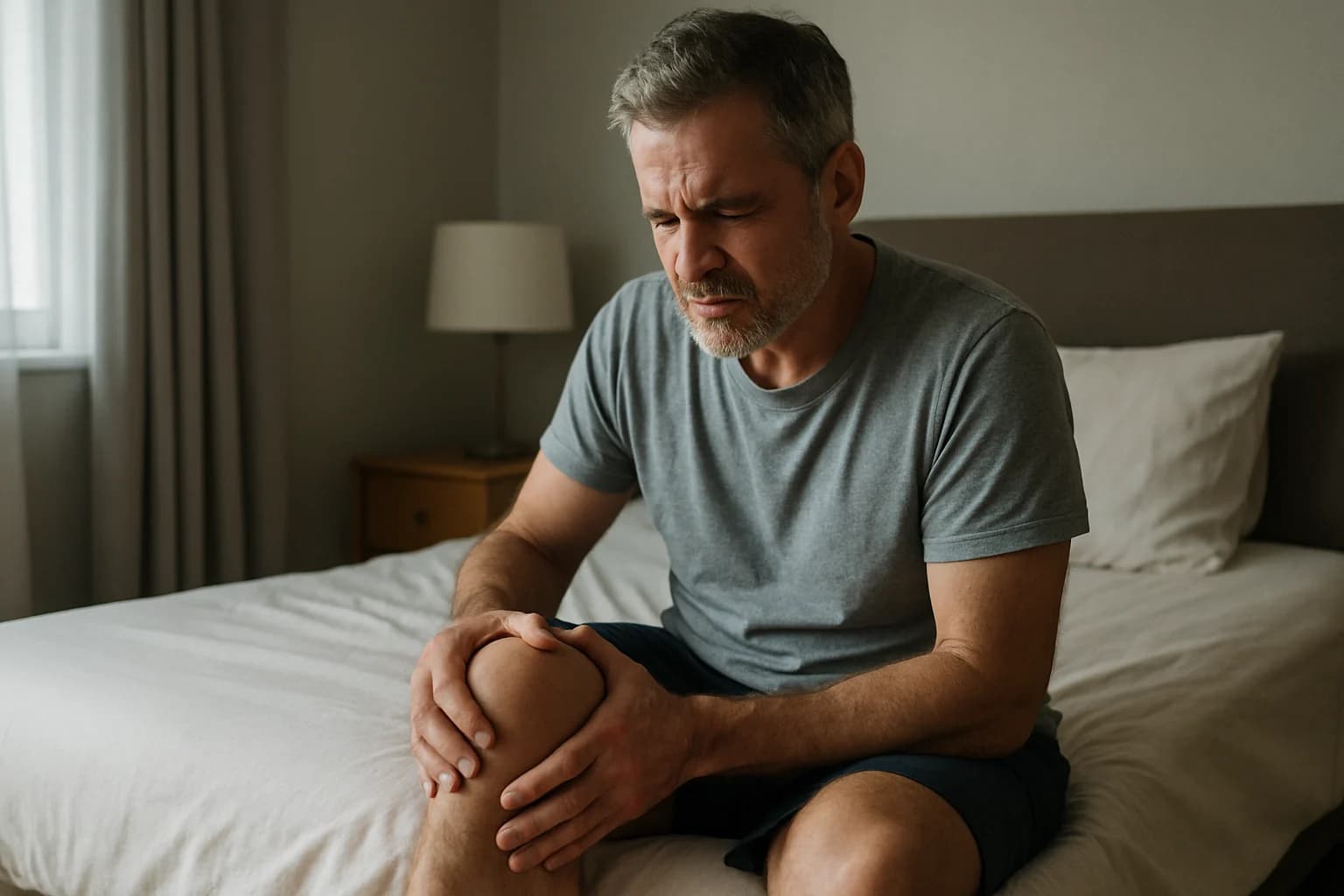
Knee Pain at Night: Why It Happens and When It Signals Arthritis
Knee pain at night can disrupt sleep and signal underlying issues like arthritis. This guide explains causes, symptoms, relief methods, and when to seek treatment.
Medically reviewed by Op. Dr. Can Yildiz · Updated 8 Oct 2026 · 22 min read
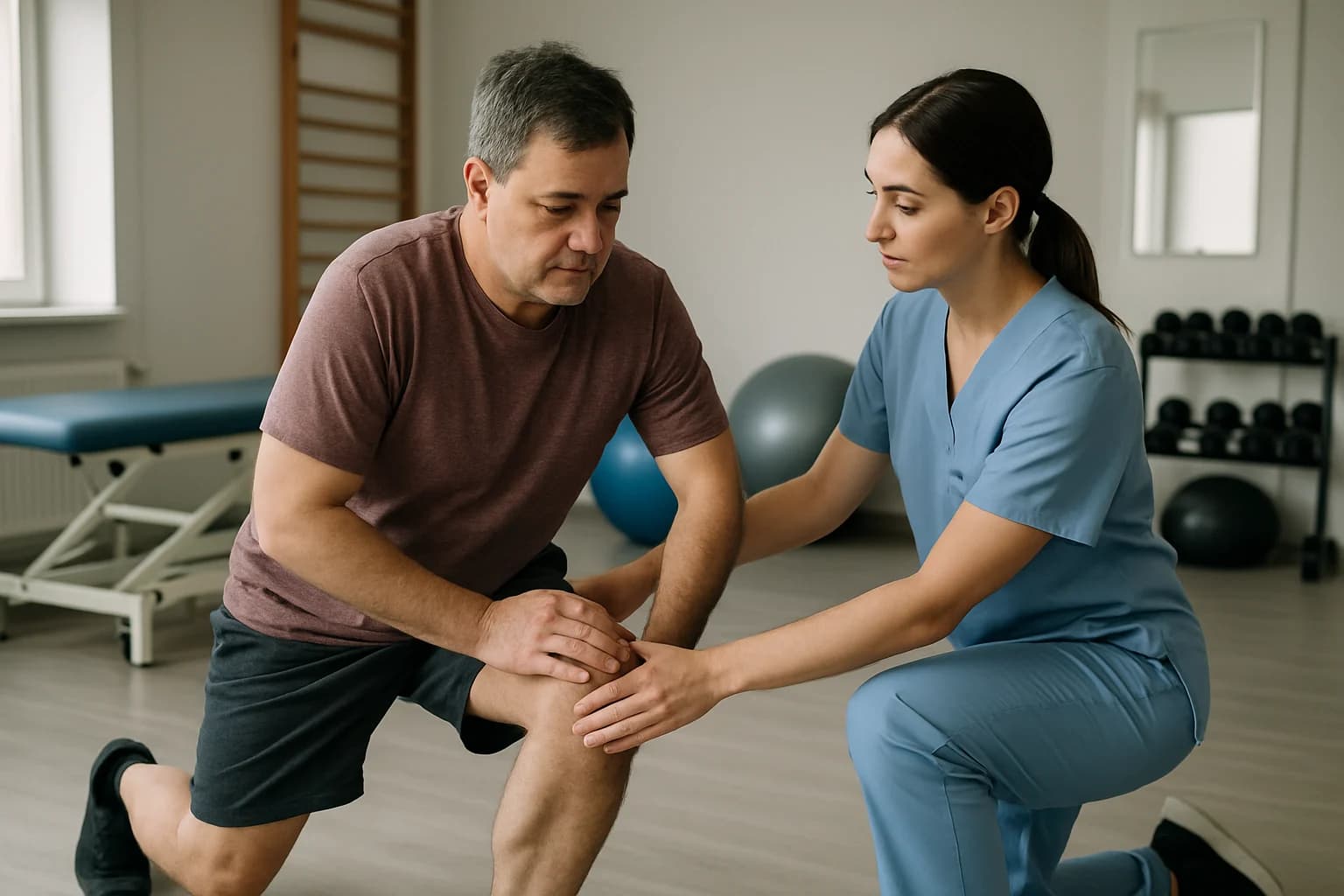
Partial vs Total Knee Replacement: Which One Do You Need?
Explore the key differences between partial and total knee replacement, including recovery timelines and durability, to help you decide the right treatment for your knee pain.
Medically reviewed by Prof. Dr. Elif Kaya · Updated 10 Oct 2026 · 26 min read
Medical information on this page is educational and does not replace a consultation with a qualified clinician. .