

Inner Knee Pain: Causes by Symptom and the Treatments That Work
Inner knee pain can have many causes, from injury to arthritis. This article explains symptoms, diagnosis, and treatments that can help you find relief.
Key takeaways
- 1Inner knee pain often results from medial (inside) knee joint issues such as arthritis or ligament injuries.
- 2Most cases improve with conservative treatments like rest, physiotherapy, and pain relief medicines.
- 3Pain on the inside of the knee without swelling can still indicate serious problems needing medical assessment.
- 4Partial knee replacement is a surgical option for inner knee arthritis when other treatments fail.
- 5Seek urgent care if you experience severe pain, swelling, inability to move the knee, or signs of infection.
What causes inner knee pain?
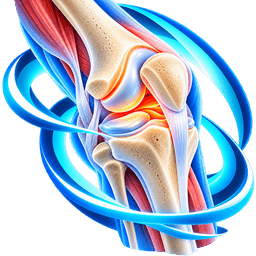
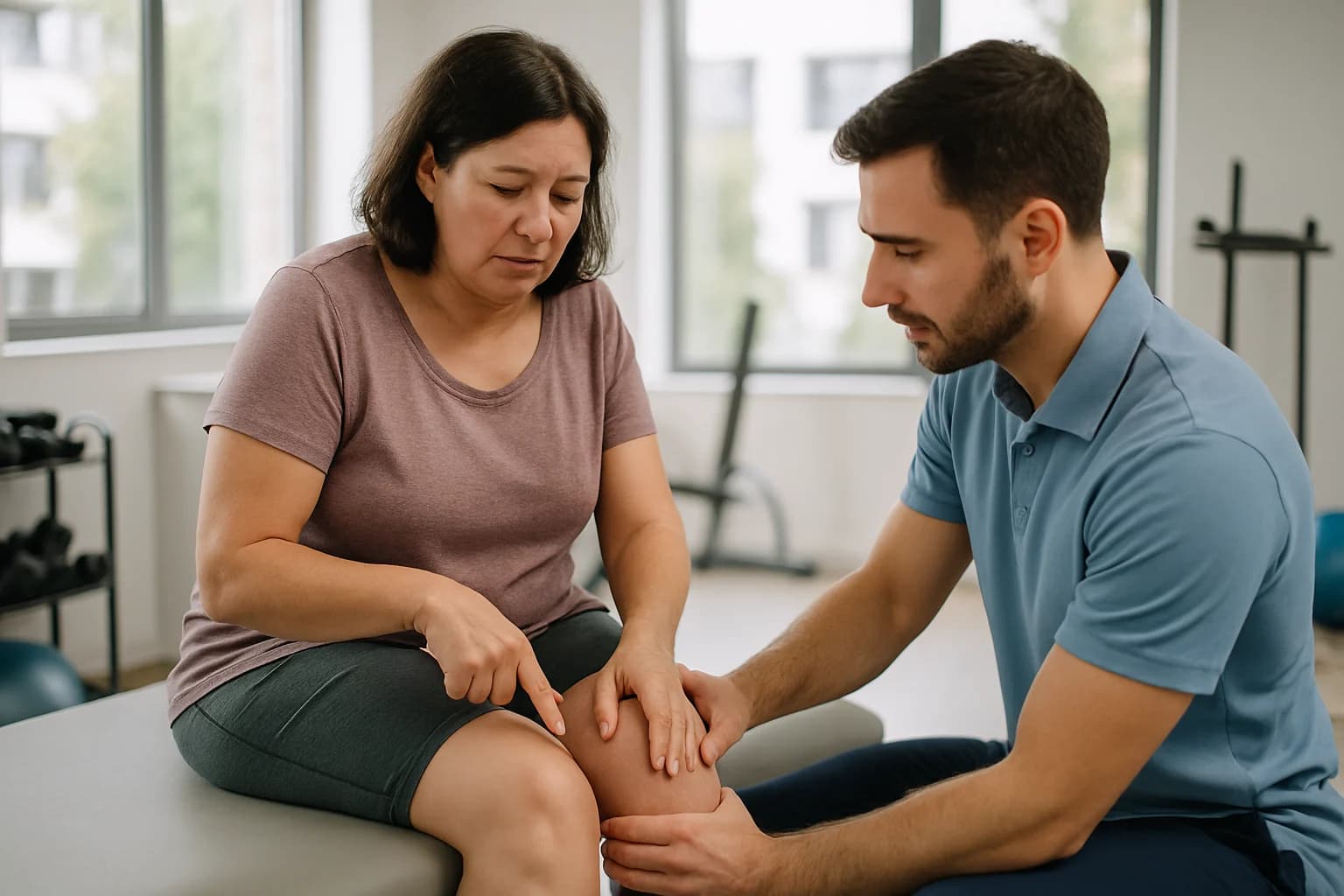
Inner knee pain is pain felt on the inside (medial side) of your knee joint. This is a common problem, especially in adults. Pain on inside of knee joint can happen suddenly after an injury or build up slowly from wear and tear. The causes range from minor strains to serious injuries or arthritis. Understanding the source helps you get the right treatment.
Most cases of medial knee pain come from problems with the soft tissues and bones that make up the inside part of your knee. The main causes include:
- Medial meniscus injury: The meniscus is a wedge-shaped piece of cartilage that cushions the inside of your knee. A tear in the medial (inner) meniscus often causes sharp or catching pain on the inner side of your knee, especially when twisting or squatting. Meniscus tears can happen in sports or with age-related wear.
- Medial collateral ligament (MCL) sprain: The MCL is a strong band of tissue on the inner side of your knee. It keeps your knee stable. A sudden blow to the outside of the knee can stretch or tear the MCL, causing pain, tenderness, and sometimes swelling on the inside of the knee.
- Inner compartment (medial) knee osteoarthritis: Osteoarthritis is a type of joint wear and tear. When it affects the inside (medial) compartment of the knee, it causes aching, stiffness, and sometimes a grinding feeling inside the knee. This is a leading cause of chronic (long-term) pain in adults, especially over age 50.
- Pes anserine bursitis: A bursa is a small fluid-filled sac that helps reduce friction. The pes anserine bursa sits just below the inside of your knee, where tendons attach. Inflammation here (bursitis) can cause pain and tenderness just below the joint, often worse when climbing stairs or getting up from a chair.
Other possible causes of pain on inside of knee include:
- Tendon injuries: Strain or overuse of the tendons that attach on the inside of your knee (such as the hamstring tendons) can cause aching or sharp pain, especially with activity.
- Plica syndrome: The plica is a fold of tissue inside the knee that can become irritated, often from overuse. This usually causes a catching or snapping sensation along with pain on the inner side of the knee.
- Fractures: A break in the bones forming the inside of your knee (such as the tibia or femur) is rare but can cause severe pain, swelling, and inability to walk.
- Referred pain: Sometimes, pain felt on the inside of the knee actually comes from hip or lower back problems. This is less common but important to consider if you have pain in multiple joints.
Common causes of inner knee pain by tissue type
| Tissue Type | Examples of Causes | What You Might Feel |
|---|---|---|
| Bone | Fracture, osteoarthritis | Deep ache, grinding, severe pain if broken |
| Cartilage | Meniscus tear, osteoarthritis | Sharp pain, catching, locking, swelling |
| Ligament | MCL sprain or tear | Inner knee tenderness, instability, swelling |
| Tendon | Pes anserine bursitis, hamstring strain | Pain below inner knee, worse with stairs or activity |
| Bursa | Pes anserine bursitis | Local swelling, tenderness below knee |
| Soft tissue fold | Plica syndrome | Snapping or catching feeling, pain inside knee |
Some causes of knee pain in the inside of the knee are more likely at certain ages or after certain injuries. For example, meniscus tears and arthritis are more common as you get older, while ligament injuries are often seen in younger, active people or athletes. Overuse, poor footwear, or sudden increases in activity can also trigger inside knee pain.
Most cases of pain on inner side of knee get better with rest and simple treatments. But if you have severe pain, can't move your knee, or the pain keeps coming back, you should see a doctor. Early diagnosis and treatment can prevent the problem from getting worse.
What does knee pain on the inside of the knee joint feel like?
Knee pain on the inside of the knee joint is usually felt as discomfort or soreness along the inner edge of your knee. This is the area closest to your opposite leg. The pain can start suddenly, especially if you have had an injury, or it can build up slowly over time. Many people notice this pain when walking, climbing stairs, or bending the knee.
Most often, pain on inside of knee is described as either sharp or dull. A sharp pain might be sudden and intense, especially if you twist your knee or make a quick movement. A dull pain is more of a constant ache, which might get worse with use or at the end of the day. Some people feel pain only during certain activities, like squatting, kneeling, or getting up from a chair.
You might also notice:
- Stiffness, especially after sitting for a while or first thing in the morning
- Tenderness to the touch on the inner side of the knee
- A feeling of weakness or instability, as if your knee might give way
- Clicking or popping sensations when moving the knee
- Pain that gets worse with activity and improves with rest
- Occasional locking, where the knee gets stuck or will not straighten fully
In many cases, pain on inner side of knee occurs without obvious swelling. This is especially true in overuse injuries or early arthritis. Swelling may develop if there is a more severe injury, like a ligament tear or meniscus (cartilage) injury, but mild to moderate pain often happens with no visible swelling at all.
The pain can be present all the time or only with certain movements. For example, some people feel pain when walking downhill or going down stairs, as these movements put extra strain on the inside of the knee. Others may feel pain after exercise or at night.
Sometimes, you might have pain that comes and goes. This can be confusing, but it is common with conditions like early arthritis or a minor cartilage tear. The pain may flare up with activity, then settle down with rest or ice.
It is also possible to have pain on inside of knee that is mild but persistent. You might ignore it at first, but over time, it can become more noticeable and start to affect your daily activities. If you find yourself changing how you walk or move to avoid pain, or if you are unable to do things you used to enjoy, it is important to seek advice.
In summary, pain on the inside of the knee joint can:
- Be sharp, dull, constant, or come and go
- Occur with or without swelling
- Be worse with certain movements or after activity
- Lead to stiffness, clicking, or instability
These symptoms can have many causes. Understanding exactly how and when the pain occurs can help your doctor find the underlying problem. If you have severe pain, cannot put weight on your leg, or notice your knee is deformed, seek urgent medical care.
| Type of Pain | Common Causes | When It Happens |
|---|---|---|
| Sharp pain | Injury, meniscus tear | Sudden movement, twisting |
| Dull ache | Arthritis, overuse | After activity, at rest |
| Pain without swelling | Early arthritis, tendon strain | With movement, after use |
| Pain with clicking | Cartilage or meniscus issue | When bending or straightening |
Remember, this article does not replace a consultation with a healthcare professional. If you are unsure about your symptoms or they do not improve, see a doctor for assessment.
What is medial knee pain and how is it different?
Medial knee pain is the medical term for pain that occurs on the inner side of your knee. The word "medial" means "towards the middle of the body". So, inside knee pain or pain in the inner knee are other ways to describe the same thing. This area is different from the outer (lateral) or front (anterior) parts of your knee.
Understanding the exact location of your pain is important. The knee joint is complex and made up of several parts. Pain on the inside of the knee often points to problems with the structures found on the medial side, such as the medial meniscus (a type of cartilage), the medial collateral ligament (MCL), or the joint lining. Pain in other areas, like the outside or front of the knee, usually has different causes.
Here is how the main types of knee pain differ:
| Location | Common Causes | Typical Symptoms |
|---|---|---|
| Medial (inner side) | Arthritis, meniscus tear, MCL injury | Pain with twisting, going downstairs, tenderness on inside |
| Lateral (outer side) | IT band syndrome, lateral meniscus tear | Pain on outer edge, worsens with activity |
| Anterior (front) | Patellofemoral pain, tendonitis | Pain with kneeling, squatting, stairs |
Medial knee pain can feel sharp or dull, and may be linked to activities that put stress on the inner side of the joint. For example, turning quickly or carrying heavy loads can cause or worsen this pain. In contrast, pain on the outer or front of the knee might be related to running, jumping, or kneeling.
It is important to tell your doctor exactly where you feel pain, as this guides diagnosis and treatment. For example:
- Pain on inner side of knee: Often due to medial meniscus tear, MCL injury, or inner compartment arthritis.
- Pain on outside of knee: More likely IT band syndrome or lateral meniscus injury.
- Pain in front of knee: Often patellofemoral pain syndrome or tendon problems.
Medial knee pain can be caused by:
- Sudden injuries, such as a twist or fall
- Gradual wear and tear, as seen in osteoarthritis
- Overuse from repetitive movements
- Weakness in the muscles that support the knee
Because the medial side of the knee bears a lot of body weight, it is a common site for joint problems as people age. Activities like walking, climbing stairs, or standing for long periods can make pain in the inner knee worse.
If your pain is on the inside of your knee, your doctor will look for specific signs during the exam. They may press along the joint line to find the most tender spot, test the ligaments, and check for swelling or instability. Imaging tests, like X-rays or MRI, may be used to confirm the diagnosis.
In summary, medial knee pain is pain felt on the inner side of the knee. It is different from pain on the outer or front part of the knee, and the location helps your doctor find the cause. If you are unsure where your pain is coming from, or if it does not improve, it is best to seek medical advice.
What causes pain on inside of knee with no swelling?
Pain on the inside of your knee without swelling can be caused by several conditions. Even if you do not see obvious swelling, the pain can still be serious and affect daily life. Common causes include early arthritis, tendon irritation, and nerve-related problems. It is important to see a doctor if the pain does not go away, gets worse, or affects your ability to walk.
Early arthritis is one of the most common reasons for inside of knee pain without swelling. Arthritis means inflammation or wear of the joint. In the early stages, the cartilage (smooth covering at the ends of bones) begins to wear down. This can cause pain, stiffness, or aching on the inner side of your knee, especially after activity. Swelling is not always present in the early stages. You may notice pain when climbing stairs, walking long distances, or getting up from a chair.
Tendon irritation or tendinopathy is another cause of pain on the inside of the knee. Tendons are strong bands that connect muscle to bone. The pes anserinus tendon, located just below the inner knee, can become irritated from overuse, poor stretching, or sudden increases in activity. This is called pes anserine tendinopathy. The pain is often sharp or aching and felt on the lower inner knee, but the area usually does not swell. You might find the pain worse when going up stairs or after sitting for a long time.
Nerve-related pain can also cause pain inside the knee with no swelling. Sometimes, a nerve that runs along the inner knee can be irritated or trapped, leading to burning, tingling, or shooting pain. This can happen after an injury, surgery, or from pressure on the nerve as you move. The pain may come and go and can be made worse by certain activities or positions. Swelling is not usually present with nerve pain.
Other possible causes of pain on inside of knee no swelling include:
- Meniscus tear: The meniscus is a shock-absorbing cartilage in the knee. A small tear can cause pain without swelling, especially with twisting movements.
- Ligament strain: Mild strains of the medial collateral ligament (MCL), which supports the inner knee, may cause pain but not always swelling.
- Referred pain: Sometimes pain from the hip or lower back can feel like it is coming from the inner knee. This is called referred pain and often has no swelling at the knee itself.
It is important to remember that inside of knee pain can have many causes. Not all knee problems cause swelling. Swelling usually means there is more damage or inflammation, but pain alone can be a sign of early or mild injury. If you have pain that lasts more than a week, interferes with your daily life, or gets worse over time, you should see a doctor for a proper diagnosis. They can help find the cause and recommend the right treatment.
Some people may try to ignore pain if there is no swelling, but this can delay healing and sometimes make the problem worse. Early treatment often leads to a better recovery. Treatment can include rest, ice, simple pain relief, gentle exercise, and physiotherapy. In some cases, further tests or specialist care are needed, especially if pain does not improve.
In summary, pain on the inside of your knee without swelling is common and can result from early arthritis, tendon problems, nerve irritation, or minor injuries. Pay attention to how the pain changes and seek medical advice if you are unsure. Early assessment helps prevent more serious injury and gets you back to your normal activities sooner.
How is inner knee pain diagnosed?
Diagnosing inner knee pain starts with a careful examination by your doctor. They will ask about your symptoms, such as when the pain started, what makes it better or worse, and if you have had any injuries. This helps them understand if your knee pain in the inside of the knee is due to an injury, arthritis, or something else.
Clinical examination
The doctor will look at your knee and feel for tender spots. They may ask you to move your knee or walk, checking for stiffness, weakness, or changes in how you move. They will compare both knees to see if there are differences. Some common tests include:
- Bending and straightening your knee to check range of motion
- Pressing on the inside of the knee to find where it hurts most
- Gently twisting or moving your lower leg to test ligaments and cartilage
- Looking for swelling, bruising, or warmth
If your pain started after a fall, twist, or sports injury, the doctor will look for signs of ligament or cartilage damage. If it is a slow, nagging ache, they may check for signs of arthritis or overuse.
Imaging tests
Sometimes, your doctor will need more information to find the cause of your inner knee pain. Imaging tests can help:
- X-rays: These show the bones in your knee. They help diagnose arthritis, fractures, or changes in the joint shape. X-rays do not show soft tissues like ligaments or cartilage well.
- MRI (magnetic resonance imaging): This scan uses magnets to make detailed pictures of your knee. MRI is the best way to see soft tissues like the meniscus (cartilage), ligaments, and tendons. It can show tears, strains, or swelling inside the joint.
- Ultrasound: This uses sound waves to look at soft tissues around the knee, such as bursae (fluid-filled sacs) or tendons. It is sometimes used if a cyst or swelling is suspected.
Blood tests and other investigations
Blood tests are not always needed for knee pain. However, your doctor might order them if they suspect an infection, gout (a type of arthritis caused by uric acid crystals), or an immune condition like rheumatoid arthritis. Blood tests can check for signs of inflammation or infection in your body.
In rare cases, your doctor may take a small sample of joint fluid using a needle (joint aspiration) if they think there is an infection or crystal arthritis.
Comparison of Diagnostic Methods
| Test | What it shows | When it is used |
|---|---|---|
| Clinical examination | Movement, pain location, swelling, stability | First step for all knee pain |
| X-ray | Bones, arthritis, fractures | Suspected arthritis, injury, or fracture |
| MRI | Soft tissues (meniscus, ligaments, tendons) | Suspected ligament/cartilage injury, unclear cause |
| Ultrasound | Tendons, bursae, cysts | Suspected soft tissue swelling or cyst |
| Blood tests | Inflammation, infection, uric acid | Suspected infection or inflammatory arthritis |
| Joint aspiration | Fluid analysis for infection or crystals | Unexplained swelling, suspected infection/gout |
What to expect at your appointment
You do not need any special preparation for most tests. Wear loose clothing so your knee is easy to examine. Tell your doctor about any past injuries, medical conditions, or medicines you take. Bring a list of your symptoms and any questions you have.
Most people with pain in the inner knee or inside knee pain will not need all these tests. Your doctor will choose what is right for you based on your history, examination, and how your knee feels. If the cause is not clear, or if you have severe or long-lasting pain, more tests may be needed to make the right diagnosis.
Remember, getting the right diagnosis is the key to finding the best treatment. If you are worried about your pain inside knee, do not wait—see your doctor for a full assessment.
What treatments work for pain inside knee?
The most effective treatment for pain inside knee depends on what is causing your symptoms, how long you have had them, and how much they affect your daily life. Most people with inside knee pain, also called medial knee pain, can manage well without surgery. Doctors recommend starting with conservative (non-surgical) treatments. These focus on reducing pain, restoring movement, and stopping the problem from getting worse.
Conservative treatments for inside knee pain
- Rest and activity changes: Avoid or reduce activities that trigger your pain, like running, twisting, or deep squatting. At the same time, try to keep your knee moving gently to avoid stiffness. Activities such as walking on flat ground or cycling at low resistance are usually safe, but always listen to your body.
- Ice and heat: Applying an ice pack to the inner (medial) side of your knee for 15–20 minutes at a time, several times a day, can reduce pain and swelling after injury or flare-up. For chronic pain or stiffness, some people find gentle heat (like a warm towel) helps relax the muscles around the joint. Never put ice or heat directly on bare skin.
- Pain relief medicines: Over-the-counter painkillers, such as paracetamol, or nonsteroidal anti-inflammatory drugs (NSAIDs) like ibuprofen, can help manage pain. NSAIDs also reduce inflammation. Use these medicines only as directed on the package, and check with your doctor or pharmacist if you have other health conditions or take other medicines.
- Physiotherapy (physical therapy): A physiotherapist can design an exercise programme tailored for you. This usually includes strengthening the muscles at the front of your thigh (quadriceps), back of your thigh (hamstrings), and inside of your thigh (adductors). Stronger muscles support your knee and reduce strain on the inner side. Flexibility and balance exercises are also important to restore normal movement and prevent future injury.
- Weight management: If you are overweight, losing even a small amount of weight can greatly reduce the load on your knee joint. For every kilogram of weight lost, the stress on your knee with each step drops significantly. This is especially important if you have arthritis, as it can slow the progression of joint damage and improve pain.
- Supportive devices: Using a knee brace can provide stability and take pressure off the painful area, especially if you have ligament injuries or mild arthritis. Shoe inserts (orthotics) can help correct alignment problems in your foot or leg that may be contributing to pain on inside of knee. Your physiotherapist or doctor can advise if these are suitable for you.
- Activity modification: Sometimes, changing how you do certain activities—like using handrails on stairs or avoiding uneven ground—can help you stay active while protecting your knee.
Injections for inside knee pain
- Corticosteroid injections: These injections deliver a strong anti-inflammatory medicine directly into your knee joint. They are most useful if you have swelling or inflammation from arthritis or bursitis. The pain relief can last from a few weeks to a few months, but repeated injections may weaken the joint over time and are not recommended as a long-term solution.
- Hyaluronic acid injections: This treatment is sometimes offered for knee osteoarthritis. Hyaluronic acid is a substance naturally found in joint fluid; it acts as a lubricant and shock absorber. Injections may help some people move more easily and feel less pain, but research shows the benefit is modest and not everyone improves. These injections are not suitable for everyone and are rarely used for other causes of pain in the inner knee.
Other non-surgical options
- Taping or strapping: Some people with pain on inner side of knee find temporary relief from special taping techniques. A physiotherapist can show you how to do this safely.
- Assistive devices: If walking is difficult, using a walking stick in the opposite hand can reduce pressure on your painful knee. Crutches may be needed for a short period after an injury.
Progression of treatments for pain inside knee
- Rest, ice, and activity changes
- Pain relief medicines (paracetamol or NSAIDs)
- Physiotherapy and weight management
- Supportive devices (braces, orthotics, taping)
- Injections (corticosteroid or hyaluronic acid, if needed)
- Surgery (only if other treatments fail and symptoms are severe)
Most people with knee pain in the inside of the knee improve with these non-surgical treatments. You may need to combine several approaches. Recovery time depends on the cause: mild injuries can settle in days to weeks, but arthritis or tendon problems may need several months of consistent care. See your doctor if pain does not improve after 4–6 weeks, or sooner if it gets worse.
| Treatment | When to Use | Expected Benefit |
|---|---|---|
| Rest and ice | Immediately after pain starts, or after injury | Reduces pain and swelling |
| Pain medicines | For ongoing discomfort | Manages pain and inflammation |
| Physiotherapy | After acute pain settles, or for chronic pain | Improves strength, flexibility, and joint function |
| Weight management | Anytime, especially with arthritis | Reduces stress on knee, slows joint damage |
| Supportive devices | If instability or alignment issues | Improves stability, offloads painful area |
| Injections | If other treatments do not work | Short-term pain relief |
| Surgery | If all else fails, or if severe damage | Long-term improvement in selected cases |
Pain on inside of knee no swelling is often less urgent, but still deserves attention if it limits what you can do. Even if there is no swelling, the same step-by-step approach applies. Always talk to a doctor before starting any new treatment, especially if you have other health conditions or if your symptoms change.
Remember, the best treatment for pain inside knee is based on your age, activity level, and the specific problem. A doctor or physiotherapist can help you find the right plan for your needs.
When does pain on inner side of knee need surgery?
Pain on inner side of knee usually needs surgery only if non-surgical treatments do not help. Most people get better with rest, physiotherapy, medicines, or injections. But if your pain is severe, ongoing, or stops you from normal activities, surgery may be considered.
The most common reason for surgery is inner (medial) compartment osteoarthritis. This is when the cartilage on the inside of your knee wears away, causing pain, stiffness, and loss of movement. Surgery may also be needed for large meniscus tears or ligament injuries that do not heal with other treatments.
The main surgical option for severe arthritis limited to the inner knee is partial knee replacement in Turkey. In this operation, only the damaged part of your knee joint is replaced, not the whole knee. This can reduce pain and improve movement if other treatments have failed. Your surgeon will help you decide if you are a good candidate for this procedure.
| When to Consider Surgery | Examples |
|---|---|
| Pain does not improve with treatment | After months of physiotherapy and injections |
| Severe arthritis in inner knee | Cartilage wear seen on X-rays |
| Major injury not healing | Large meniscus tear or unstable ligament |
If you are thinking about surgery, ask your doctor about the risks and benefits, and what recovery involves. Surgery is not right for everyone, but it can offer lasting relief if other approaches have not worked.
What is partial knee replacement and how does it help inner knee pain?
Partial knee replacement is a surgical operation that replaces only the damaged inner (medial) part of your knee joint. It is an option for people with inner knee pain caused mainly by arthritis or wear in just one part of the knee. In this procedure, the surgeon removes the damaged bone and cartilage from the inside of your knee and replaces it with metal and plastic parts. The rest of your knee, including the healthy bone, cartilage, and ligaments, stays untouched.
You may be a candidate for partial knee replacement if:
- Your pain inside the knee is mostly on the inner (medial) side.
- You have tried non-surgical treatments like physiotherapy, pain medicines, and injections, but still have pain.
- Your knee is stable and the damage is limited to one compartment.
- You can bend and straighten your knee well.
This surgery is not right for everyone. If you have widespread arthritis, severe deformity, or weak ligaments, a full knee replacement may be better. Your doctor will check your knee with an exam and scans to decide if you are suitable.
Partial knee replacement has several benefits. Because only part of the knee is replaced, the operation is usually less invasive than a total knee replacement. This often means:
- Smaller cuts and less damage to healthy tissue
- Quicker recovery and less pain after surgery
- Better movement and a more natural-feeling knee
- Lower risk of some complications, such as blood loss or infection
However, like any operation, there are risks. These include infection, blood clots, stiffness, or the need for another surgery later if arthritis develops in other parts of the knee.
Many patients now choose to have partial knee replacement in Turkey. Turkey is known for its well-trained surgeons, modern hospitals, and high-quality care. Wait times are often shorter than in the UK or Europe, and costs are clearly listed so you can plan ahead. Always check that your clinic is properly accredited and that your surgeon has experience with knee procedures.
Partial knee replacement can give lasting relief from inner knee pain and help you return to normal activities. Your doctor can help you decide if it is the right option for you.
How long does recovery take after treatment for inner knee pain?
Recovery after treatment for inner knee pain depends on the cause and the type of treatment you receive. Most people with pain inside knee start to feel better within weeks to months, but the timeline can vary. Conservative treatments (like rest, physiotherapy, or medicines) have different recovery times than surgery, such as partial knee replacement.
Conservative (Non-surgical) Recovery
If your inside knee pain is managed without surgery, your recovery usually involves:
- Resting your knee and avoiding activities that worsen pain
- Applying ice to reduce discomfort
- Taking pain relief medicines, as advised by your doctor
- Starting physiotherapy to strengthen muscles and improve movement
Most people notice improvement in 2–6 weeks with regular physiotherapy. You may return to normal daily tasks as pain lets you. Sports or heavy activities may take longer—often 6–12 weeks or more, depending on the injury or condition.
Recovery After Partial Knee Replacement
If you have surgery for inner knee pain, recovery is more structured. After a partial knee replacement, you usually:
- Stay in hospital for 1–3 days
- Start walking (with help) on the day of or day after surgery
- Begin physiotherapy straight away, focusing on movement and strength
- Use crutches or a frame for a few weeks
Most people can walk without aids within 2–6 weeks. Driving and returning to work (if your job is not too physical) often happens in 4–6 weeks. Full recovery, including swelling going down and normal movement returning, takes about 3–6 months. High-impact sports may need 6 months or longer before you can return safely.
Table: Typical Recovery Timelines for Inner Knee Pain Treatments
| Treatment | Return to Daily Activities | Full Recovery | Return to Sport |
|---|---|---|---|
| Rest, Ice, Physio | 2–6 weeks | 6–12 weeks | 6–12+ weeks |
| Injections (e.g. steroid) | 1–4 weeks | 4–12 weeks | 6–12+ weeks |
| Partial Knee Replacement | 2–6 weeks | 3–6 months | 6+ months |
Why physiotherapy matters
Physiotherapy is crucial in recovering from pain inside of knee. It helps you:
- Regain strength in your thigh and calf muscles
- Restore normal knee movement
- Reduce swelling and stiffness
- Learn safe ways to move and avoid future injuries
Your physiotherapist will set exercises and milestones. Stick to your plan and let them know if you have trouble or increased pain. Most people see steady progress, but recovery can be slower if you have other health problems or if you stop exercising too soon.
Returning to work and activities
When you can return to work depends on your job and recovery. Office work may be possible after 2–4 weeks for non-surgical cases, or 4–6 weeks after partial knee replacement. Jobs that involve standing, lifting, or heavy activity may need 8–12 weeks or longer. Always check with your doctor before returning to work or sports.
Managing setbacks and complications
Some people recover slower than expected. Common reasons include:
- Returning to activity too soon
- Not following physiotherapy advice
- Developing stiffness, swelling, or infection after surgery
If your pain in the inner knee is not improving, or if you have new symptoms (such as fever, sudden swelling, or severe pain), contact your doctor. Early help can prevent small problems from becoming serious.
Summary
Most people with inner knee pain improve within weeks to months, depending on treatment. Surgery, like partial knee replacement, takes longer to recover from but can offer lasting relief. Physiotherapy and a gradual return to activity are key to a good recovery. Always follow your care plan and ask your doctor if you are unsure about your progress.
When should I see a doctor about inner knee pain?
You should see a doctor about inner knee pain if your pain does not improve with rest and simple home care, or if it is severe. Pain on inside of knee joint can be caused by injuries, arthritis, or other conditions that sometimes need medical treatment. Getting an early diagnosis can help you recover faster and stop the problem from getting worse.
Most medial knee pain is not an emergency, but there are some warning signs—called "red flags"—that mean you should get help straight away. These include:
- Sudden, severe pain after a fall, twist, or direct blow
- Not being able to put any weight on your leg
- Knee looks deformed, out of place, or has a visible lump
- Large swelling or bruising that appears quickly
- Fever with knee pain and swelling
- Knee feels hot to touch, red, or you feel generally very unwell
- Numbness, tingling, or weakness in your leg or foot
If you have any of these symptoms, seek urgent care. These could be signs of a broken bone, ligament rupture, joint infection, or a blood clot. Early treatment can prevent serious complications and improve your chances of a full recovery.
Even if you do not have these red flags, you should book a routine appointment with your GP or a specialist if:
- Pain lasts for more than a week, even after rest and simple treatments
- You cannot move your knee fully, or your knee keeps giving way or locking
- Pain wakes you up at night or makes it hard to do daily activities (like walking, climbing stairs, or driving)
- You have a history of knee problems, arthritis, or previous knee surgery
- You notice a clicking, popping, or catching sensation that does not go away
- You are worried or unsure about your symptoms
Seeing a doctor early can help you get the right diagnosis and start the best treatment. Sometimes, what feels like a minor problem—such as inside of knee pain without swelling—can get worse if ignored. Your doctor will ask about your symptoms, examine your knee, and may order tests like an X-ray or MRI scan if needed. This helps rule out serious problems and guides your treatment plan.
| Symptom | What to Do |
|---|---|
| Severe pain after injury | See a doctor urgently (A&E/ER) |
| Cannot walk or bear weight | Seek urgent care |
| Knee looks deformed or out of place | Go to A&E/ER immediately |
| Fever and knee swelling | See a doctor immediately |
| Persistent pain for over a week | Book a GP appointment |
| Night pain or sleep disturbed | See your doctor soon |
| Repeated giving way or locking | See a specialist |
Remember: This article does not replace a consultation. If you are worried, or if your symptoms change or worsen, it is always safer to get checked by a healthcare professional. Early assessment can help you avoid long-term problems and get you back to normal life sooner.
When surgery makes sense
Partial knee replacement is suitable for people with significant arthritis or damage limited to the inner (medial) part of the knee. You may be a candidate if your pain is mainly on the inside, you have tried other treatments like physiotherapy and medicines, and your knee is not badly deformed. Your doctor will confirm this with an examination and X-rays.
During the operation, only the damaged inner section of your knee joint is replaced with an artificial part. The healthy bone, ligaments, and cartilage in the rest of your knee are left alone. This means a smaller operation and often a faster recovery than total knee replacement.
Many people choose Turkey for partial knee replacement because it offers high-quality care, experienced surgeons, and modern facilities. Wait times are often shorter than in other countries, and costs are clearly explained before you decide. If you want to learn more about treatment options, see our page on partial knee replacement in turkey.
48h
Free X-ray or MRI review by an orthopedic surgeon within 48 hours
Upload your scans and reports. A partner surgeon in the right subspecialty tells you whether surgery is justified, which procedure fits, and what a fixed-price package in Turkey would cost.
Sources
Peer-reviewed guidance and institutional sources used to write and review this page.
- 01
- 02
- 03Medial Knee Pain
American Academy of Orthopaedic Surgeons (OrthoInfo), 2021
https://orthoinfo.aaos.org/en/diseases--conditions/medial-knee-pain
- 04Partial Knee Replacement
Mayo Clinic, 2023
https://www.mayoclinic.org/tests-procedures/partial-knee-replacement/about/pac-20385272
- 05Meniscal Tears
Cochrane Library, 2020
https://www.cochranelibrary.com/cdsr/doi/10.1002/14651858.CD010675.pub2/full
Frequently asked questions
Can inner knee pain go away on its own?
Is inner knee pain always caused by arthritis?
What exercises help with pain on inside of knee?
Can I walk if I have pain inside my knee?
When is surgery necessary for medial knee pain?
How long does it take to recover from partial knee replacement?
Related articles
Keep reading: the next step in the same body area.
Early Symptoms of Knee Arthritis: What It Feels Like
Discover the early symptoms of arthritis in the knee, how it feels, and what causes it to help you recognise signs and seek timely care.
Medically reviewed by Prof. Dr. Elif Kaya · Updated 11 Oct 2026 · 26 min read
Outer Knee Pain: IT Band, Lateral Meniscus or Arthritis?
Outer knee pain can arise from several causes including IT band syndrome, lateral meniscus tears, or arthritis. This article explains symptoms, diagnosis, and treatment options.
Medically reviewed by Prof. Dr. Elif Kaya · Updated 14 Oct 2026 · 28 min read
Knee Pain at Night: Why It Happens and When It Signals Arthritis
Knee pain at night can disrupt sleep and signal underlying issues like arthritis. This guide explains causes, symptoms, relief methods, and when to seek treatment.
Medically reviewed by Op. Dr. Can Yildiz · Updated 8 Oct 2026 · 22 min read
Partial vs Total Knee Replacement: Which One Do You Need?
Explore the key differences between partial and total knee replacement, including recovery timelines and durability, to help you decide the right treatment for your knee pain.
Medically reviewed by Prof. Dr. Elif Kaya · Updated 10 Oct 2026 · 26 min read
Medical information on this page is educational and does not replace a consultation with a qualified clinician. .