

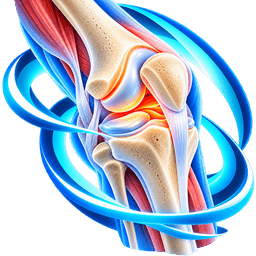
Early Symptoms of Knee Arthritis: What It Feels Like
Discover the early symptoms of arthritis in the knee, how it feels, and what causes it to help you recognise signs and seek timely care.
Key takeaways
- 1Early symptoms of arthritis in knee are pain, stiffness, swelling, and reduced movement, often worsening after activity.
- 2Knee arthritis often feels like a dull ache, stiffness, or grinding, and may include swelling or a feeling of instability.
- 3Age, joint injury, obesity, and genetics are common causes of knee arthritis symptoms.
- 4Early diagnosis and conservative treatments can help manage symptoms and slow progression.
- 5Seek urgent care if you have sudden severe pain, rapid swelling, inability to move the knee, or fever.

What are the early symptoms of arthritis in the knee?
The early symptoms of arthritis in knee usually start gradually and can be easy to overlook at first. Most people notice mild pain, stiffness, or swelling in the knee joint. These early knee arthritis symptoms tend to come and go, sometimes getting worse after activity and easing with rest. Recognising these signs early can help you seek treatment and manage the condition better.
Arthritis in the knee means inflammation and gradual wear of the cartilage (the smooth tissue covering the ends of bones in your joint). This can be caused by osteoarthritis (the most common type, which is due to wear and tear), rheumatoid arthritis (an autoimmune condition), or other less common types. The most common early symptoms are similar regardless of the type, but the speed and pattern of symptoms may vary.
Common early symptoms of knee arthritis
- Pain: Usually a dull ache inside or around the knee joint. It may be worse with activity (such as walking, climbing stairs, or standing for long periods) and better with rest.
- Stiffness: You may notice your knee feels stiff, especially first thing in the morning or after sitting for a while. This stiffness often lasts less than 30 minutes at first, but may become more persistent over time.
- Swelling: The knee may look or feel puffy, especially after use. Swelling is caused by extra fluid in the joint.
- Reduced range of motion: It might become harder to fully bend or straighten your knee. Everyday actions like squatting, kneeling, or getting in and out of chairs can feel more difficult.
Other possible early signs
- Warmth: The knee may feel warm to the touch, a sign of inflammation.
- Clicking or grinding: You might hear or feel a crunching or grinding sensation (called crepitus) when you move your knee.
- Feeling of instability: The joint can sometimes feel like it might "give way" or not support your weight as well as before.
- Fatigue around the joint: The muscles around your knee may tire more quickly.
How early knee arthritis symptoms change over time
At first, these symptoms may only appear during or after activity. For example, you might notice pain at the end of a long walk or after climbing stairs. As the condition progresses, you may develop pain with less activity, or even at rest. Stiffness can also last longer and become more noticeable. Some days may be better than others, and symptoms can fluctuate with changes in weather or activity levels.
It is common to have periods where symptoms seem to improve, followed by times when they flare up. Over time, untreated arthritis in the knee can lead to more constant pain and further loss of function.
Summary table: Typical early knee arthritis symptoms
| Symptom | What it feels like | When it happens |
|---|---|---|
| Pain | Dull ache, sometimes sharp with movement | After activity, relieved by rest |
| Stiffness | Tight or hard to move joint | Morning or after sitting |
| Swelling | Puffy, sometimes warm | After use or with flare-ups |
| Reduced motion | Harder to bend or straighten | With activity or after rest |
| Grinding/clicking | Crunching feeling or sound | During movement |
Remember, not everyone will have all these symptoms, and they can vary from person to person. If you notice these knee arthritis symptoms, especially if they are persistent or worsening, it is a good idea to speak to your doctor for further assessment.
What does arthritis in the knee feel like?
Many people ask, what does arthritis in the knee feel like? The answer can vary, but most describe a mix of dull aching, stiffness, and sometimes sharp pain during certain movements. The sensations often depend on the type and stage of arthritis, as well as your activity level.
Common sensations with knee arthritis
- Aching pain: The most typical feeling is a deep, aching discomfort inside or around the knee. You may notice it after walking, climbing stairs, or standing for a long time. Sometimes, the ache is present even when you are resting.
- Stiffness: Your knee may feel stiff, especially in the morning or after you have been sitting. It can feel like the joint is "stuck" and takes a few minutes to loosen up once you start moving.
- Grinding or crunching: Some people notice a grinding, crunching, or grating sensation inside the knee when they move it. This is called crepitus and happens because the smooth cartilage is wearing away, allowing the bones to rub together.
- Catching or locking: Occasionally, the knee may feel like it "catches" or gets stuck briefly during movement. In some cases, it may even lock, making it hard to straighten or bend for a moment.
- Instability or weakness: Your knee might feel less steady or as if it could give way. You may feel less confident putting weight on it, especially on uneven ground or stairs.
How does knee arthritis pain change with activity?
For many people, knee arthritis pain gets worse with activity and better with rest. For example, your knee might feel fine when sitting, but start to ache or feel sore after a walk, a round of golf, or a busy day. Sometimes, you may notice a sharp pain with certain movements, such as twisting or squatting. After resting, the pain often eases, but the joint may feel stiff at first when you get up again.
Examples of what knee arthritis can feel like
- "It feels like a dull toothache in my knee after a long day."
- "My knee is stiff and hard to bend every morning, but it loosens up after I move around."
- "Sometimes I hear and feel a crunch when I go up stairs."
- "It catches or gives way when I try to stand up quickly."
- "The pain gets worse if I overdo it, but resting helps."
What does knee arthritis feel like at rest?
In early arthritis, you may only notice symptoms with activity. As the condition progresses, pain and discomfort can appear even when you are sitting or lying down. Night pain is a sign that arthritis may be getting worse, especially if it keeps you from sleeping or makes you wake up.
Summary: Sensations of knee arthritis
| Sensation | What it feels like | When it is noticed |
|---|---|---|
| Aching pain | Deep, dull ache | After activity, sometimes at rest |
| Stiffness | Hard to move or bend | Morning/after sitting |
| Grinding | Crunching/grating inside joint | During movement |
| Catching/locking | Joint gets stuck or catches | With certain movements |
| Instability | Feeling of giving way | When walking or on stairs |
If you experience these symptoms, especially if they are getting worse or affecting your daily life, see your doctor for an assessment. Early diagnosis and treatment can help you manage the condition and stay active longer.
What causes arthritis in the knee?
The most common cause of arthritis in the knee is the gradual breakdown of the joint’s cartilage. Cartilage is a smooth, rubbery tissue that covers the ends of the bones in your knee, acting as a cushion and allowing the joint to move smoothly. When this cartilage wears away or becomes damaged, the bones begin to rub against each other. This leads to pain, swelling, and stiffness. This process is called osteoarthritis, and it is the most frequent type of knee arthritis.
However, there are several reasons why cartilage damage and knee arthritis develop. Understanding these causes can help you recognise your own risk and take steps to protect your knees.
- Ageing: The risk of knee arthritis rises as you get older. Cartilage naturally becomes thinner and less able to repair itself with age. Most people with knee arthritis are over 50, but it can start earlier, especially if other risk factors are present.
- Previous injury: Damage from a past injury—such as a broken bone, ligament tear, or meniscus injury—can change the way your knee moves and make it more likely that arthritis will develop later. This is known as post-traumatic arthritis and can occur years after the original injury.
- Obesity: Carrying extra weight puts more pressure on your knees. For every step you take, your knees bear a force several times your body weight. This extra load speeds up cartilage wear and can make symptoms worse if arthritis develops.
- Repetitive stress: Jobs or activities that involve frequent kneeling, squatting, heavy lifting, or repetitive bending can lead to small injuries in the knee over time. These micro-injuries may not cause problems right away but can add up, increasing the risk of arthritis. Athletes and people with physically demanding jobs are especially at risk.
- Genetics: Some people inherit genes that make their cartilage more likely to break down. If your parents or siblings have had knee arthritis, you have a higher chance of developing it yourself.
There are also less common causes of knee arthritis, which involve different disease mechanisms:
- Rheumatoid arthritis: This is an autoimmune disease, meaning the body’s immune system mistakenly attacks the lining of the joint (the synovium). This causes swelling, pain, and eventually damage to cartilage and bone. Rheumatoid arthritis can affect people of any age and often involves both knees.
- Gout: Gout is caused by a build-up of uric acid crystals in the joint, leading to sudden attacks of severe pain and swelling. Over time, repeated attacks can damage the cartilage and cause arthritis.
- Psoriatic arthritis: Linked to the skin condition psoriasis, this type of arthritis can cause joint pain, swelling, and stiffness, sometimes affecting the knees.
- Other rare types: Infections, certain metabolic diseases, or conditions like haemochromatosis (iron overload) can also lead to knee arthritis.
Most cases of knee arthritis develop slowly over many years, with a combination of ageing, wear-and-tear, and other risk factors. Some causes, such as genetics or past injuries, cannot be changed. However, you can reduce your risk by:
- Maintaining a healthy weight
- Staying physically active with joint-friendly exercises
- Protecting your knees from injury
- Managing other health conditions, such as diabetes or gout
If you are concerned about the early symptoms of arthritis in knee, knowing the causes can help you understand your own risk factors and seek help sooner. Early intervention can slow joint damage and help you stay active longer.
How can I tell if my knee arthritis is getting worse?
Recognising when your knee arthritis is getting worse can help you seek timely treatment and adjust your daily activities. The main signs that arthritis in your knee is progressing include increased pain, swelling, stiffness, and reduced ability to move your joint. These changes often happen gradually, but sometimes symptoms can worsen more quickly after an injury, illness, or a period of increased activity.
Here are the most common knee arthritis symptoms that suggest the condition is advancing:
- Pain that becomes more frequent or severe, sometimes even at rest or during the night
- Stiffness that takes longer to ease in the morning or after sitting for a while
- Swelling that is more noticeable or lasts longer
- Difficulty bending or straightening your knee completely
- A sense that your knee is unstable, weak, or might give way
- Grinding, catching, or popping sensations (called crepitus) with movement
- Trouble walking, climbing stairs, or getting up from a chair
- Visible changes in knee shape, such as enlargement or a bowing appearance
In the early stages, symptoms may come and go, often triggered by activity or long periods of standing. As arthritis progresses, symptoms can become more constant and start to affect your sleep, work, or ability to exercise. You might notice you are avoiding activities you once enjoyed or relying on painkillers more often.
Comparing early and advanced symptoms can help you understand where you are in the progression of knee arthritis:
| Symptom | Early Knee Arthritis | Advanced Knee Arthritis |
|---|---|---|
| Pain | Intermittent, usually after activity | Constant, may disturb sleep or occur at rest |
| Stiffness | Short-lived, improves with movement | Persistent, limits range of motion |
| Swelling | Occasional, mild | Frequent, more pronounced and longer lasting |
| Mobility | Mostly normal, mild trouble with stairs or squatting | Noticeably limited, may need a walking aid |
| Knee shape | Normal | May appear misshapen, enlarged, or bowed |
It is important to note that the rate at which arthritis symptoms worsen varies from person to person. Some people have slow progression over many years, while others may notice a rapid decline. If you find your symptoms are interfering with your daily life or not responding to usual treatments, it could be a sign that your arthritis is getting worse.
Red flag symptoms—such as sudden severe pain, marked swelling, redness, fever, or inability to move your knee—require urgent medical attention. These could signal an infection, a blood clot, or another serious problem.
Regular monitoring with your doctor, keeping a symptom diary, and having periodic knee X-rays can help track changes. Early intervention can help manage symptoms and slow further joint damage. If you are unsure whether your arthritis is worsening, a healthcare professional can help you decide on the next steps.
What does arthritis in the knee look like?
Arthritis in the knee can cause several visible changes in the joint and surrounding area. In the early stages, you may not see much on the outside, but as the condition progresses, some changes can become more obvious. The most common visible sign is swelling, which may make your knee look puffy or larger than usual. This swelling is caused by inflammation inside the joint and may come and go, especially after activity.
You might also notice mild redness or warmth around the knee, which happens when the joint is inflamed. However, redness is less common unless the inflammation is severe. Over time, some people develop changes in the shape of the knee. The joint may look slightly misshapen or develop a bony bump, especially if the cartilage has worn away unevenly.
Another change is muscle wasting. This means the muscles around your knee, especially the thigh muscles, may become thinner or weaker. This happens because pain and stiffness can make you use your leg less often, causing the muscles to shrink. In advanced cases, the knee may look more bent or bowed, which is called a deformity. The joint may not appear straight, and you might see a curve inward or outward.
Here are some observable changes of arthritis in the knee you might notice:
- Swelling or puffiness around the knee joint
- Redness or warmth to touch over the knee
- Bony bumps or hard areas around the knee
- Visible changes in the shape of the knee, such as bowing
- Muscle thinning above or below the knee
- Difficulty fully straightening or bending the knee
Not everyone with knee arthritis will have these visible signs, especially in the early stages. Sometimes, the only changes are what you feel, rather than what you see. If you notice new or worsening swelling, redness, or changes in the shape of your knee, it is a good idea to talk to your doctor for a proper assessment.
When should I see a doctor about knee arthritis symptoms?
You should see a doctor if your knee pain, swelling, or stiffness lasts more than a few weeks, or if these symptoms start to affect your daily life. Early medical advice is important because it can lead to a diagnosis and treatment plan that may slow the progression of arthritis and help you stay active. Many people delay seeking help, hoping symptoms will resolve on their own, but ongoing or worsening symptoms often mean your knee needs professional assessment.
Some symptoms of arthritis in knee that suggest you should book an appointment include:
- Pain that does not improve with rest or simple pain relief (such as paracetamol or ibuprofen)
- Swelling that lasts more than a few days, or keeps returning
- Stiffness that makes it hard to bend or straighten your knee
- Grinding, catching, or a feeling of instability in the joint
- Difficulty walking, climbing stairs, or doing usual activities
- Noticeable changes in the shape or size of your knee, such as swelling or a bowed appearance
There are also urgent red flag symptoms that mean you should seek immediate medical attention. These include:
- Sudden, severe knee pain that comes on quickly
- Rapid swelling or inability to move your knee at all
- Redness and warmth in the knee, especially if you also have a fever or feel generally unwell (possible joint infection)
- An injury with a popping sound and inability to bear weight on the leg
- Numbness, tingling, or weakness in your leg or foot
| When to see a doctor | When to seek urgent care |
|---|---|
| Ongoing pain, swelling, or stiffness (more than a few weeks) | Sudden severe pain or swelling |
| Difficulty with daily activities (walking, stairs, work) | Redness, warmth, fever, or feeling unwell |
| Grinding, catching, or instability in the knee | Injury with popping sound and inability to bear weight |
| Changes in knee shape or size | Numbness, tingling, or weakness in the leg |
If you notice any of the urgent symptoms above, go to your nearest emergency department or call for medical help. These could be signs of infection, a blood clot, or serious injury. For most people with ongoing or worsening knee arthritis symptoms, seeing your GP or an orthopedic specialist is the best next step. They can confirm the diagnosis, arrange X-rays or other tests, and discuss treatment options. This article does not replace a consultation with a healthcare professional. If you are unsure, it is always better to seek advice earlier rather than later.
How is early knee arthritis diagnosed?
Doctors diagnose early symptoms of arthritis in the knee by combining your medical history, a physical examination, and imaging tests. The process starts with your doctor asking about your knee pain—when it began, how it feels, and if it gets worse with activity. They will also want to know if you have had any injuries, family history of arthritis, or other health problems that might affect your joints.
During the physical examination, the doctor checks for typical arthritis in knee symptoms. These include swelling, tenderness, warmth, and reduced movement in your knee. The doctor may gently press on your knee to see if it hurts, and move your leg to check how well your knee bends and straightens. They will also look for signs of weakness or muscle loss, which can occur if you have been avoiding using your knee due to pain.
One of the key steps in diagnosing knee arthritis is ruling out other causes of knee pain, such as ligament injuries, meniscus tears, or inflammation from other conditions. Your doctor may compare both knees to check for differences, or ask you to walk or squat to see how your knee moves.
Imaging tests help confirm the diagnosis. The most common test is an X-ray. X-rays can show changes in the knee joint that are typical of arthritis, such as:
- Narrowing of the space between the bones—this means cartilage is wearing away
- Bone spurs (osteophytes)—these are small bony growths caused by joint damage
- Changes in the shape of the joint or bone alignment
In early knee arthritis, X-ray changes may be mild or even absent. If your symptoms are clear but the X-ray looks normal, your doctor may suggest an MRI (magnetic resonance imaging) scan. MRI can show cartilage and soft tissues in more detail, which helps spot early signs of arthritis not visible on X-ray.
Sometimes, blood tests are done to rule out other types of arthritis, like rheumatoid arthritis or infections. These tests can help check for inflammation, certain antibodies, or signs of other medical conditions.
Doctors confirm a diagnosis of knee arthritis by putting together all this information: your symptoms, what they find on examination, and the results of your scans. Early knee arthritis symptoms—such as pain, stiffness, and swelling—combined with even small changes on X-ray or MRI, are often enough for a diagnosis. If your doctor is unsure, they may monitor your symptoms over time and repeat tests if needed.
It is important to remember that the symptoms of arthritis in knee joints do not always match up with what is seen on X-rays. Some people have a lot of pain with minimal changes on imaging, while others have more changes but less pain. Your doctor will focus on your symptoms and how they affect your life, not just your scan results.
If you are worried about early symptoms of arthritis in your knee, or have noticed joint pain, stiffness, or swelling, seeing your doctor early can help you get the right diagnosis and start treatment before the condition progresses.
What non-surgical treatments help early knee arthritis symptoms?
Many people with early knee arthritis symptoms can manage their condition without surgery. Non-surgical treatments focus on reducing pain, improving knee function, and slowing the progression of arthritis. These approaches work best when started early, before severe joint damage occurs.
The main options for managing arthritis in knee symptoms without surgery include:
- Weight management: Carrying extra weight puts more stress on your knee joints. Even a small amount of weight loss can ease pain and slow down joint damage.
- Physiotherapy (physical therapy): A physiotherapist can teach you exercises to strengthen the muscles around your knee, improve flexibility, and help you move more comfortably. Physiotherapy can also improve balance and reduce the risk of falls.
- Exercise: Regular, low-impact exercise—like swimming, cycling, or walking—keeps your joints moving and reduces stiffness. Exercise also helps maintain a healthy weight and boosts your mood.
- Pain relief medications: Simple painkillers such as paracetamol and non-steroidal anti-inflammatory drugs (NSAIDs) can help manage pain when needed. Topical NSAID gels may be useful for mild symptoms.
- Lifestyle changes: Using supportive footwear, avoiding high-impact activities, and pacing yourself during the day can all help reduce knee pain. Applying heat or cold packs to the knee may also provide short-term relief.
- Aids and supports: Knee braces or supports, walking sticks, or shoe inserts can sometimes help take pressure off your knee and make walking easier.
- Education and self-management: Learning about your condition and how to manage flare-ups is key. Many people benefit from joining support groups or arthritis education programmes.
The table below compares common non-surgical treatments for early knee arthritis symptoms:
| Treatment | How it helps | Who it is for |
|---|---|---|
| Weight loss | Reduces pressure on the knee, eases pain, slows joint wear | Anyone with overweight or obesity |
| Physiotherapy | Strengthens muscles, improves movement, reduces pain | Most people with knee arthritis |
| Exercise | Keeps joints flexible, supports weight management, boosts mood | All people with knee arthritis |
| Pain relief (medications) | Reduces pain, helps you stay active | People with mild to moderate pain |
| Lifestyle changes | Reduces strain on joints, helps manage symptoms day to day | Anyone with knee arthritis |
| Braces/supports | Stabilises the knee, can reduce pain during activity | People with instability or pain during movement |
| Education/self-management | Improves understanding, helps you cope with symptoms | All people with knee arthritis |
Not every treatment is right for everyone. Your doctor or physiotherapist can help you choose the best options for your situation. For example, some people may need extra support to lose weight, while others may focus more on exercise or pain relief. It is important to start slowly and build up your activity, especially if you have not exercised in a while.
Non-surgical treatments for early knee arthritis symptoms are most effective when used together. For example, combining exercise with weight management and pain relief can provide better results than any single approach alone. Staying active, following your treatment plan, and asking for help when you need it are the keys to managing knee arthritis and maintaining your quality of life.
If your symptoms do not improve with these treatments, or if they start to interfere with your daily life, speak to your doctor. They can discuss other options, including medications or injections, and decide if you need to see a specialist.
Can injections help with arthritis in the knee?
Injections can help relieve some arthritis in knee symptoms, but they are not a cure. They are used to reduce pain and swelling when other treatments, like exercise and pain tablets, are not enough. The two most common types of injections for knee arthritis are corticosteroids and hyaluronic acid.
Corticosteroid injections contain a strong anti-inflammatory medicine. Doctors inject this directly into the knee joint to reduce swelling and pain. Relief can be quick, sometimes within days, and may last a few weeks to a few months. However, repeated use can have side effects, such as thinning of nearby tissues, and may become less effective over time. These injections are not suitable for everyone, especially if you have certain medical conditions.
Hyaluronic acid injections are sometimes called viscosupplementation. Hyaluronic acid is a substance found naturally in joint fluid. Injections aim to improve joint lubrication, making it easier for the knee to move. Some people report relief from pain and stiffness, but the benefit is often modest. Major guidelines do not recommend these injections for everyone, as studies show mixed results on how well they work, especially compared to simpler treatments.
Other types of injections, such as platelet-rich plasma (PRP) or stem cell therapies, are being researched. At present, there is not enough strong evidence to recommend these for routine care of knee arthritis.
Injections may be considered if:
- Other treatments (like exercise or pain tablets) have not helped enough
- You have knee arthritis symptoms that limit your daily activities
- You are not ready or suitable for surgery
It is important to know that any injection only treats symptoms. It does not stop the underlying arthritis or repair the damaged cartilage. Relief is usually temporary. Your doctor will discuss the risks and benefits with you, and whether injections are right for your situation. Injections work best as part of a broader plan, including exercise, weight management, and other non-surgical treatments.
| Injection Type | How It Works | How Long It Lasts | Main Limitations |
|---|---|---|---|
| Corticosteroid | Reduces inflammation | Weeks to months | Temporary, possible side effects |
| Hyaluronic acid | Improves joint lubrication | Variable (weeks to months) | Modest benefit, mixed evidence |
Always discuss your options with your doctor. Injections are only one tool for managing symptoms of arthritis in knee. They are not suitable for everyone and do not replace a full treatment plan.
When does knee arthritis require surgery?
Surgery for knee arthritis is usually considered only after other treatments have not helped enough. If your early symptoms of arthritis in knee—such as pain, swelling, and stiffness—become severe and last for months despite trying physiotherapy, pain medicines, and steroid injections, it may be time to discuss surgery with your doctor.
You may need surgery if:
- Pain or stiffness stops you from walking, climbing stairs, or sleeping well.
- Your knee gives way, locks, or feels unstable.
- You struggle with daily tasks, such as getting dressed or shopping.
- Your quality of life is low despite trying all recommended non-surgical treatments.
The main surgical option is total knee replacement. In this operation, a surgeon removes the damaged cartilage and bone from your knee and replaces them with smooth artificial surfaces. This can relieve pain and help you move more easily. Some people may be suitable for partial knee replacement if only part of the joint is affected.
Surgery is not for everyone. Doctors will look at your age, general health, weight, and how much arthritis shows on X-ray. Most people who have knee replacement are over 60, but younger people with severe symptoms can be considered if other options have failed. If your pain is mild or your X-rays show only early changes, surgery is usually not advised.
Some people choose to have knee surgery in Turkey because of high-quality care, shorter waiting times, and clear cost options. If you want more details about the procedure, recovery, and what to expect, see our full guide to Knee replacement in Turkey.
| When to consider surgery | When not to consider surgery |
|---|---|
| Severe pain and stiffness most days | Mild symptoms managed by exercise or tablets |
| Difficulty with daily activities | Symptoms only during heavy activity |
| Non-surgical treatments have failed | Have not tried physiotherapy or injections yet |
| Major impact on quality of life | Symptoms do not affect daily life |
How can I manage knee arthritis symptoms day to day?
You can manage arthritis in knee symptoms and early knee arthritis symptoms at home with some practical steps. These approaches aim to reduce pain, improve your knee’s function, and help you stay active. While they do not cure arthritis, they can make a real difference in your daily comfort and mobility.
Pace your activities
Try to balance activity and rest. Avoid doing too much at once, especially activities that strain your knee, like heavy lifting or long walks. Take breaks when you need them. Spread out tasks during the day to avoid overloading your joint. If you notice more pain after certain activities, adjust how you do them or take more frequent rests.
Use supports if needed
Simple supports like walking sticks, braces, or knee sleeves can help reduce pressure on your joint. A cane or stick is most helpful if used in the hand opposite your sore knee. Braces and sleeves provide gentle support and warmth. Discuss with a doctor or physiotherapist which type of support is right for you, as not all are suitable for every person or every stage of arthritis.
Try heat and cold therapy
Applying a warm towel, heat pack, or hot water bottle can help soothe stiff or aching knees. Use heat before activity to relax the joint. For swelling or after activity, a cold pack or bag of frozen peas wrapped in a towel may help reduce inflammation. Always protect your skin and use heat or cold for 10–20 minutes at a time.
Exercise gently and regularly
Regular exercise is one of the best ways to manage knee arthritis symptoms. Focus on gentle, low-impact activities that keep your knee moving without causing extra pain. Good options include:
- Walking at a comfortable pace
- Swimming or water aerobics
- Cycling on a stationary bike
- Gentle stretching and strengthening exercises
Strengthening the muscles around your knee, especially your quadriceps (front thigh muscles), helps support the joint and reduce pain. A physiotherapist can show you safe exercises tailored to your needs.
Watch your weight
Carrying extra weight puts more pressure on your knees. Even a small weight loss can help reduce symptoms and slow arthritis progression. Aim for a healthy weight through balanced eating and regular activity.
Manage pain safely
Over-the-counter pain tablets, such as paracetamol, can help. Topical anti-inflammatory gels may also provide relief for some people. Always check with your pharmacist or doctor before starting new medicines, especially if you take other tablets or have health conditions.
Look after your overall wellbeing
Living with arthritis can affect your mood and sleep. Try to stay connected with friends and family, and ask for help when you need it. Relaxation techniques, such as deep breathing or meditation, can help you cope with pain and stress.
If your early knee arthritis symptoms get worse or start to affect your quality of life, talk to your doctor. They can review your treatment plan and suggest other options to keep you moving comfortably.
What are the long-term outlook and complications of knee arthritis?
The long-term outlook for knee arthritis depends on how early it is diagnosed and how well it is managed. Arthritis is a progressive condition, which means it tends to get worse over time. Early symptoms of arthritis in knee, such as pain, stiffness, and swelling, may start off mild but can slowly become more severe if not treated properly.
If knee arthritis symptoms continue to progress, you may notice an increase in pain and difficulty moving your knee. Everyday activities like walking, climbing stairs, or even standing up from a chair can become more challenging. Over time, the joint may become less stable and more prone to giving way.
Complications from arthritis in the knee can include:
- Joint deformity: The shape of your knee may change as the cartilage and bone wear down. This can lead to a bow-legged or knock-kneed appearance.
- Reduced mobility: As the joint becomes stiffer and more painful, it can limit your ability to move and stay active.
- Muscle weakness: Reduced use of the knee can cause the surrounding muscles to weaken, making movement even harder.
- Disability: In severe cases, knee arthritis symptoms can make it difficult or impossible to work, drive, or look after yourself without help.
- Chronic pain: Ongoing pain can affect your mood, sleep, and overall quality of life.
It is important to recognise early knee arthritis symptoms and seek medical advice as soon as possible. Early management—such as exercise, weight control, and pain relief—can slow the progression of arthritis and reduce the risk of complications. People who start treatment early often experience less pain and better function in the long run.
Some people may eventually need surgery, such as a knee replacement, if their arthritis becomes severe and non-surgical treatments no longer work. However, most people can manage their symptoms for many years with a combination of lifestyle changes and medical care.
Remember, everyone’s experience with knee arthritis is different. The key is to monitor your symptoms, follow your treatment plan, and talk to your doctor if you notice any changes. This approach can help you stay active and maintain your independence for as long as possible.
| Potential Complication | How It May Affect You |
|---|---|
| Joint Deformity | Visible changes in knee shape, may affect walking |
| Reduced Mobility | More difficulty with daily activities |
| Muscle Weakness | Loss of strength in the leg, harder to move |
| Chronic Pain | Pain may persist even at rest |
| Disability | May need help with self-care or mobility |
For more information on managing your symptoms and when surgery might be needed, continue reading or speak with your healthcare provider.
When surgery makes sense
If you have severe knee arthritis that does not improve with non-surgical treatments, you may be a candidate for knee replacement surgery. This operation is usually recommended when pain, stiffness, and swelling seriously affect your daily life and other options have not helped.
During knee replacement surgery, the damaged parts of your knee joint are removed and replaced with artificial components. These parts are designed to move like a normal knee and reduce pain. The operation is done under anaesthesia and typically takes one to two hours. Most people stay in hospital for two to four days, depending on recovery and overall health.
After surgery, physiotherapy starts within 24 hours to help you regain strength and movement. Most people walk with support (like crutches or a walker) within a few days. You can expect to return to most daily activities within six to twelve weeks, though full recovery and improvement in strength, swelling, and stiffness may take up to one year. Studies show that over 80% of people who have knee replacement report significant pain relief and better mobility within a year after surgery.
Surgery is not for everyone. Doctors consider your age, general health, weight, and the severity of arthritis on X-ray. Most people who have knee replacement are over 60, but younger people with severe symptoms may be considered if all other treatments have failed. If your pain is mild, or X-rays show only early changes, surgery is usually not advised. Risks include infection, blood clots, and stiffness, but these are uncommon when proper precautions are taken.
Some people choose to have knee surgery in Turkey because of high-quality care, experienced surgeons, and modern facilities. Waiting times are often shorter compared to other countries, and you can find clear information about costs before you travel. To learn more about the procedure, see our guide to Knee replacement in Turkey.
| When to consider surgery | When not to consider surgery |
|---|---|
| Severe pain and stiffness most days | Mild symptoms managed by exercise or tablets |
| Difficulty with daily activities | Symptoms only during heavy activity |
| Non-surgical treatments have failed | Have not tried physiotherapy or injections yet |
| Major impact on quality of life | Symptoms do not affect daily life |
48h
Free X-ray or MRI review by an orthopedic surgeon within 48 hours
Upload your scans and reports. A partner surgeon in the right subspecialty tells you whether surgery is justified, which procedure fits, and what a fixed-price package in Turkey would cost.
Sources
Peer-reviewed guidance and institutional sources used to write and review this page.
- 01
- 02
- 03
Frequently asked questions
Can early arthritis in the knee be reversed?
Is knee pain always caused by arthritis?
How long does it take for knee arthritis symptoms to develop?
Are there exercises that help with knee arthritis?
When is surgery the best option for knee arthritis?
Can diet affect knee arthritis symptoms?
Related articles
Keep reading: the next step in the same body area.

Outer Knee Pain: IT Band, Lateral Meniscus or Arthritis?
Outer knee pain can arise from several causes including IT band syndrome, lateral meniscus tears, or arthritis. This article explains symptoms, diagnosis, and treatment options.
Medically reviewed by Prof. Dr. Elif Kaya · Updated 14 Oct 2026 · 28 min read
Inner Knee Pain: Causes by Symptom and the Treatments That Work
Inner knee pain can have many causes, from injury to arthritis. This article explains symptoms, diagnosis, and treatments that can help you find relief.
Medically reviewed by Prof. Dr. Elif Kaya · Updated 13 Oct 2026 · 25 min read

Partial vs Total Knee Replacement: Which One Do You Need?
Explore the key differences between partial and total knee replacement, including recovery timelines and durability, to help you decide the right treatment for your knee pain.
Medically reviewed by Prof. Dr. Elif Kaya · Updated 10 Oct 2026 · 26 min read
Signs You Need a Knee Replacement (and When It’s Too Early)
This article explains the signs you need knee replacement, helping you understand when surgery is necessary and when it might be too early.
Medically reviewed by Op. Dr. Can Yildiz · Updated 8 Oct 2026 · 26 min read
Medical information on this page is educational and does not replace a consultation with a qualified clinician. .