

Partial vs Total Knee Replacement: Which One Do You Need?
Explore the key differences between partial and total knee replacement, including recovery timelines and durability, to help you decide the right treatment for your knee pain.
Key takeaways
- 1Partial knee replacement replaces only the damaged part of the knee, preserving healthy tissue.
- 2Total knee replacement replaces the entire knee joint and is for more extensive damage.
- 3Recovery time is generally shorter after partial knee replacement compared to total knee replacement.
- 4Partial knee replacements typically last 10 to 15 years, but this varies by patient.
- 5Surgery choice depends on damage extent, patient age, activity level, and overall health.
What is the difference between partial knee replacement vs total knee replacement?
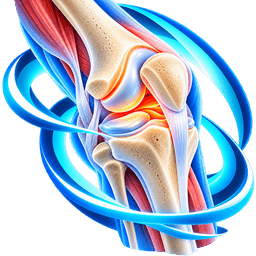
The key difference between partial knee replacement vs total knee replacement is how much of the knee joint is replaced. In a partial knee replacement (also known as unicompartmental knee replacement), only the damaged part of your knee is replaced. Usually, this means just one of the three compartments: the inside (medial), the outside (lateral), or the front (patellofemoral) of your knee. Most often, it is the medial compartment that is affected and replaced.
In contrast, a total knee replacement involves removing the surfaces of all three compartments and replacing them with artificial parts (prostheses). This means more of your own bone, cartilage, and ligaments are removed compared to a partial knee replacement. The whole joint is resurfaced, including the ends of your thigh bone (femur), shin bone (tibia), and sometimes the kneecap (patella).
Partial knee replacement is considered less invasive. The operation uses a smaller incision (cut) and removes less bone and tissue. Because more of your natural knee structures are left in place, your knee can feel more normal after recovery. You also keep the main ligaments that control the stability and movement of your knee, which can help your joint feel more like your own.
With total knee replacement, the surgery is more extensive. The surgeon removes the damaged surfaces from all parts of the knee and replaces them with metal and plastic components. This is necessary when arthritis or injury affects more than one compartment, or when the knee is unstable or has severe deformity.
Here is a table to help you compare the two procedures:
| Feature | Partial Knee Replacement | Total Knee Replacement |
|---|---|---|
| Area Replaced | One compartment | All compartments |
| Invasiveness | Less invasive | More invasive |
| Bone and Ligament Preservation | Most bone and ligaments kept | More bone and ligaments removed |
| Typical Candidates | Limited arthritis, stable knee | Widespread arthritis, unstable knee |
| Recovery Time | Usually quicker | Usually longer |
| Durability | May not last as long | Usually longer lasting |
| Knee Feel | Often more natural | Less natural, but stable |
What you may notice if you are a candidate for partial knee replacement is that your pain and stiffness are mainly in one area of the knee. Your knee should still have a good range of movement, and your ligaments should be healthy. If you have pain all around the knee, or the joint feels unstable or deformed, you may need a total knee replacement instead.
Partial knee replacement can offer a quicker recovery, less pain after surgery, and a more natural feeling in your knee. However, it is only suitable if the rest of your knee is healthy. Total knee replacement is a better choice if arthritis or damage affects your whole knee, or if you have problems with knee alignment or stability.
Both types of surgery aim to relieve pain and restore movement. Your choice between partial knee replacement vs total knee replacement depends on the pattern of your knee damage, your age, your level of activity, and your goals. Your orthopedic surgeon will use X-rays, a physical exam, and your medical history to recommend the best option for you. It is important to ask questions and understand what each surgery involves, as well as the possible risks and benefits.
Remember, all surgery carries some risks and requires time for recovery. In the next sections, we will explain who is a candidate for each procedure, what to expect during recovery, and how long each type of knee replacement typically lasts.
Who is a candidate for partial knee replacement?
People who are candidates for partial knee replacement usually have arthritis or damage limited to only one compartment of the knee. This is different from total knee replacement, which is used if damage is widespread across the whole joint.
To be considered for partial knee replacement, you should meet several criteria:
- Arthritis limited to one compartment: Most often, this is the inside (medial) part of the knee. X-rays or scans are used to confirm this.
- Good knee movement: You should be able to straighten and bend your knee almost fully.
- Stable ligaments: The main ligaments in your knee (especially the anterior cruciate ligament, or ACL) must be healthy. Weak or torn ligaments make partial replacement less suitable.
- No severe deformity: If your knee is very bowed or knocked, a full replacement may be needed.
- Realistic expectations: You should understand what the surgery can do and what it cannot. Partial replacement can relieve pain and improve function, but it may not be perfect.
Your weight, age, and activity level are also considered. Partial knee replacement is not only for older adults. Younger, active people with localised arthritis can also benefit if they meet the criteria. However, very heavy people or those with severe knee stiffness may be better suited to total knee replacement.
Partial knee replacement is often compared with total knee replacement at this decision point. Your orthopaedic surgeon will do a full assessment, including physical examination and imaging (like X-rays or MRI), to decide if you are a good candidate. If you have pain mainly on the inner side of your knee, can walk well, and your knee is not badly deformed, you may be suitable for partial knee replacement.
People who do not meet these criteria, or who have arthritis in more than one compartment, are usually advised to consider total knee replacement instead. In the next section, we will look at who needs a total knee replacement and why.
Who needs a total knee replacement?
Total knee replacement is usually advised when you have severe arthritis or damage in more than one part of your knee. If pain, stiffness, or swelling affect your whole knee, or if the joint is deformed or unstable, total knee replacement may be the best option. This surgery is also recommended when other treatments have not worked, and your symptoms make daily activities difficult.
The decision between partial knee replacement vs total knee replacement depends mainly on how much of your knee is affected. If only one compartment is damaged, a partial knee replacement may work. But if two or all three compartments (the inside, outside, and under the kneecap) have arthritis or injury, a total knee replacement is often needed.
You may need a total knee replacement if:
- You have pain most days, even while resting or at night.
- Your knee is stiff, swollen, or looks deformed (for example, bowed legs or knock-knees).
- You find it hard to walk, climb stairs, or do basic daily activities like getting out of a chair.
- Non-surgical treatments such as physiotherapy, weight loss, medicines, or steroid injections have not relieved your symptoms.
- Previous surgeries, including partial knee replacement, have failed or the artificial parts have worn out.
- Your knee damage is caused by a disease like rheumatoid arthritis, which often affects the whole joint and leads to joint destruction.
- You have poor ligament function, severe bone loss, or a significant deformity of the knee.
Before recommending surgery, your surgeon will examine your knee, review X-rays, and ask about your symptoms and general health. They will consider how much your symptoms affect your life, whether you have tried all other treatment options, and if your knee is stable enough for a partial replacement. They may also consider your age, activity level, and any other medical conditions you have.
Total knee replacement is not only for older adults. People of all ages can need this surgery if their knee is badly damaged and other options are not suitable. However, younger, more active people may need to discuss the risks of needing another replacement (revision surgery) later in life, as artificial joints can wear out over time.
In summary, total knee replacement is chosen when the damage is too widespread for a partial knee replacement to help. It can relieve severe pain, improve movement, and allow you to return to daily activities. Your surgeon will discuss the risks, benefits, and expected outcomes with you to help you make an informed decision. If you have any of the symptoms above and are unsure what to do next, speak to your doctor or orthopedic specialist for a full assessment.
What is the recovery time for partial knee replacement?
The recovery time for partial knee replacement is generally shorter than for total knee replacement because the operation is less invasive and preserves more of your healthy knee tissue. Still, it is important to know that full recovery takes patience, commitment, and active participation in your rehabilitation.
Here is a detailed partial knee replacement recovery timeline to help guide your expectations:
- Hospital stay: Most people stay in hospital for 1–3 days after surgery. In some cases, you may be able to go home the same day if you are medically well and have good support at home. The hospital team will check your wound, manage your pain, and help you start moving safely.
- First walking: You will usually get out of bed and start walking with help (using crutches or a frame) within 24 hours of surgery. Early movement helps prevent complications like blood clots and stiffness. A physiotherapist will show you how to walk safely and start gentle exercises.
- Physiotherapy: Regular physiotherapy is key to a good recovery. Early exercises focus on bending and straightening your knee, as well as building up strength in your thigh and calf muscles. You may continue physiotherapy for several weeks or months, either at home or in a clinic. Doing your exercises every day will help you regain movement and reduce swelling.
- Return to daily activities: Most people can manage basic daily activities (such as washing, dressing, and walking short distances) within 2–6 weeks. You should avoid twisting, kneeling, or high-impact activities until your knee is stronger. If you live alone, you might need help with shopping, cleaning, or cooking for the first week or two.
- Driving: Many people can drive again after about 2–4 weeks, provided you can bend your knee comfortably, have good strength and control, and are not taking strong pain medicines. Always check with your surgeon before driving, and practise pressing the pedals safely before you return to the road.
- Back to work: If your job is mostly sitting, you may be able to return within 2–6 weeks. If your work involves standing, walking, or lifting, you may need 6–12 weeks or more before going back. Talk to your employer about a phased return if possible.
- Full recovery: Most people feel close to full recovery by 6–12 weeks. However, your knee may continue to improve in strength, flexibility, and balance for up to a year after surgery. Some mild swelling or stiffness is normal for several months.
Here is a summary table for partial knee replacement recovery time:
| Milestone | Typical Timeline |
|---|---|
| Hospital stay | 1–3 days |
| Walking with support | Day 1–2 |
| Daily activities | 2–6 weeks |
| Driving | 2–4 weeks |
| Back to work (desk job) | 2–6 weeks |
| Back to work (active job) | 6–12+ weeks |
| Full recovery | 6–12 weeks (may keep improving up to 1 year) |
Several factors affect your recovery time, including your age, overall health, motivation, and how well you follow your physiotherapy programme. People who are younger, active, and in good health often recover more quickly, but everyone heals at their own pace. It is normal to have some swelling, bruising, or mild discomfort for several weeks after surgery. Using ice, elevating your leg, and taking pain relief as advised can help manage these symptoms.
Potential setbacks can occur. For example, if you develop a wound infection, blood clot, or stiffness, your recovery may be slower. You should contact your doctor urgently if you experience any of the following:
- Severe pain that does not improve with medication
- High fever or chills
- Redness, warmth, or pus at the wound site
- Difficulty breathing or chest pain
- Sudden swelling or pain in your calf
In summary, most people return to light activities and work within 2–6 weeks, but full recovery from partial knee replacement can take 6–12 weeks or longer. Your knee will usually keep improving for several months. Following your surgeon’s and physiotherapist’s advice gives you the best chance of a strong, pain-free knee.
How long does a partial knee replacement last?
The lifespan of a partial knee replacement can vary, but most implants last at least 10–15 years. Many people find their partial knee replacement works well even longer. The durability of your implant depends on several factors, including your age, activity level, weight, and how well you follow your surgeon’s advice after surgery.
Partial knee replacement is also called unicompartmental knee replacement. The implant is designed to replace only the damaged part of your knee, which means less bone and tissue are removed compared to a total knee replacement. Because of this, the remaining healthy bone and ligaments help support the new joint, which may improve how it feels and moves.
However, partial knee replacements are not as durable as your natural knee. Over time, the implant can wear out or loosen. This is more likely if you are very active, are overweight, or if you put a lot of stress on your knee. High-impact activities like running or jumping can cause the implant to wear out faster. People who are younger or heavier tend to need revision surgery (a second operation) sooner than older or lighter people.
What happens if your partial knee replacement wears out? If your implant becomes loose or painful, or if new arthritis develops in other parts of your knee, you may need another operation. This is called revision surgery. In most cases, a worn-out partial knee replacement is converted to a total knee replacement. This operation is usually more complex than the first surgery but is generally safe and effective.
To help your partial knee replacement last as long as possible:
- Keep your weight in a healthy range
- Stay active with low-impact exercises (like walking, cycling, or swimming)
- Follow your rehabilitation programme closely
- Avoid high-impact sports or heavy lifting
- See your orthopedic surgeon for regular check-ups
If you have pain, swelling, or instability in your knee after a partial knee replacement, see your doctor promptly. Early treatment can help prevent further problems. Remember, most people enjoy many years of pain-free movement after a partial knee replacement.
| Factor | Effect on Implant Longevity |
|---|---|
| Age at surgery | Younger patients may need revision sooner due to longer use |
| Body weight | Higher weight increases stress on the implant |
| Activity level | High-impact activities can wear out the implant faster |
| Health of the rest of the knee | Arthritis in other compartments may develop over time |
What is the recovery time for unicompartmental knee replacement?
The recovery time for unicompartmental knee replacement, also known as partial knee replacement, is usually shorter than for total knee replacement. Most people can return to many normal activities within 6 weeks, but full recovery can take up to 3–6 months. The recovery timeline depends on your age, general health, and how well you follow your rehabilitation plan.
Here is a typical recovery timeline:
- Day 1–2: You will start moving your knee and walking with help, often with a walker or crutches. Most people can bear some weight on their knee right away.
- Week 1–2: You may go home from hospital within 1–3 days. You will continue gentle exercises to improve movement and strength. Swelling and pain should gradually decrease.
- Weeks 3–6: You may be able to walk with a cane or no aid, depending on your progress. You can usually return to light daily activities, such as shopping or driving, if you feel safe and your doctor agrees.
- Weeks 6–12: Most people can walk longer distances, climb stairs, and return to office work. You will continue physical therapy to improve strength and range of motion.
- 3–6 months: Full recovery is expected for most people. You should be able to return to most low-impact sports and activities.
During your recovery, you will work with a physical therapist. They will guide you through exercises to:
- Reduce swelling and pain
- Restore knee movement
- Strengthen muscles around your knee
- Improve balance and walking
It is normal to feel tired or have some discomfort for several weeks. Swelling may last for a few months. You should avoid high-impact activities like running or jumping, as these can damage your new knee.
Each person’s recovery is different. Some people recover faster, while others take longer. Factors such as age, weight, fitness, and other health conditions play a role. Following your rehabilitation programme closely gives you the best chance for a smooth recovery.
If you have sudden pain, redness, swelling, fever, or difficulty moving your knee, contact your surgeon or seek urgent medical care. These could be signs of a complication that needs quick attention.
| Milestone | Typical Time After Surgery |
|---|---|
| Walking with support | Same day or next day |
| Discharge from hospital | 1–3 days |
| Walking without aid | 2–6 weeks |
| Driving | 2–6 weeks |
| Return to work (office) | 2–6 weeks |
| Return to most activities | 3–6 months |
Sticking to your recovery plan and keeping in touch with your care team will help you get the best results from your unicompartmental knee replacement.
What are the risks and complications of partial and total knee replacement?
Both partial knee replacement and total knee replacement are major surgeries, so there are risks and possible complications with each. In general, partial knee replacement has a slightly lower risk of complications because the surgery is less invasive and preserves more of your natural knee. However, both procedures carry some similar risks. Your surgical team will take steps to minimise these risks, but it’s important to know what to watch for.
Common risks for both procedures
- Infection: This can occur at the incision site or deeper around the implant. Most infections can be treated, but severe cases may need further surgery.
- Blood clots: Blood clots (deep vein thrombosis) can develop in the legs after surgery. These can be dangerous if they travel to your lungs (pulmonary embolism).
- Implant problems: Both types of knee replacement can develop issues such as loosening, wear, or failure over time, which may require revision surgery.
- Stiffness and reduced movement: Sometimes the knee joint can become stiff, making it hard to bend or straighten the knee fully.
- Persistent pain: Some people continue to have pain after surgery, although most notice significant improvement.
- Nerve or blood vessel injury: Rarely, nerves or blood vessels near the knee can be damaged during surgery.
Risks specific to partial knee replacement vs total knee replacement
| Risk/Complication | Partial Knee Replacement | Total Knee Replacement |
|---|---|---|
| Infection | Lower risk | Higher risk |
| Blood clots | Lower risk | Higher risk |
| Implant loosening/wear | Possible (sometimes higher re-operation rate over time) | Possible |
| Stiffness | Less common | More common |
| Persistent pain | Possible | Possible |
| Injury to healthy knee parts | Less likely (more knee preserved) | More likely (entire knee replaced) |
Partial knee replacement tends to have a lower risk of infection, blood clots, and stiffness because the surgery is less extensive. However, if arthritis spreads to other parts of your knee after a partial replacement, you may need further surgery in the future. There is also a small risk that the partial implant will not last as long as a total knee replacement, though many patients get good results for years.
Total knee replacement is a bigger operation with a slightly higher risk of some complications, but it is less likely that you will need another surgery for the same knee in the future if your arthritis is widespread. Some people experience reduced range of motion or ongoing pain, but most are satisfied with the outcome.
Some risks are rare but serious. These include blood vessel injury, nerve injury, or severe infection requiring removal of the implant. Your surgeon will discuss your personal risk factors with you before surgery.
When to seek urgent care
- Sudden or severe pain, swelling, or redness in your calf or knee
- Fever above 38°C or chills after surgery
- Difficulty breathing or chest pain
- Bleeding that does not stop
- Loss of feeling or movement in your foot
If you notice any of these signs, seek urgent medical attention. This article is for information only and does not replace a consultation with your healthcare team.
How do I decide between partial knee replacement vs total knee replacement?
Deciding between partial knee replacement and total knee replacement involves several factors. The choice depends on the extent of your knee damage, your overall health, your activity goals, and your expectations for recovery. Your orthopedic surgeon will help guide you, but understanding these factors can help you make an informed decision.
Extent and location of knee damage
If your arthritis or damage is limited to just one compartment (section) of your knee, partial knee replacement may be an option. This surgery replaces only the damaged part, preserving more of your natural knee. If the damage affects more than one compartment, or if your ligaments are unstable, total knee replacement is usually recommended. Your surgeon will use X-rays and an examination to determine this.
Your age and activity level
Partial knee replacement is often considered for adults over 50 who are not very physically demanding on their knees, but age alone does not exclude you. Younger, more active patients may wear out a partial knee replacement faster, but some still benefit from it. If you want to return to high-impact sports or heavy labour, total knee replacement may be more durable in the long run.
Recovery expectations
Partial knee replacement usually means a quicker recovery and less pain after surgery. You may spend less time in hospital and return to daily activities sooner. Total knee replacement has a longer recovery, but may be better if you have more severe arthritis. Consider your work, home support, and how much time you can devote to rehabilitation when deciding.
Risks and benefits
- Partial knee replacement: Less invasive, keeps more of your own knee, often feels more natural, and usually has a lower risk of complications. However, there is a chance you may need further surgery if arthritis develops in other parts of the knee.
- Total knee replacement: More extensive, but treats all areas of the knee. Lower chance of needing repeat surgery if arthritis is widespread, but recovery is longer and there is a slightly higher risk of some complications.
Surgeon’s advice and your preferences
Your surgeon will consider your knee anatomy, medical history, and lifestyle before making a recommendation. Some knees are simply not suitable for partial replacement. It’s important to discuss your goals, hobbies, and concerns openly. Ask your surgeon about the pros and cons of each option for your specific case.
Comparing partial vs total knee replacement
| Factor | Partial Knee Replacement | Total Knee Replacement |
|---|---|---|
| Extent of damage | One compartment | Multiple compartments |
| Recovery time | Shorter (weeks) | Longer (months) |
| Hospital stay | Shorter | Longer |
| Natural knee preserved | Yes | No |
| Risk of further surgery | Higher if arthritis spreads | Lower |
| Complication risk | Lower overall | Higher overall |
| Best for | Localised damage, stable ligaments | Widespread arthritis, ligament issues |
What should you do next?
Talk to your orthopedic surgeon about your knee symptoms, X-rays, and personal goals. If you are interested in partial knee replacement in Turkey, you can read more about the procedure and what to expect. Remember, the best choice is the one that matches your knee condition and helps you return to the activities you enjoy.
Always try non-surgical treatments first, unless your pain and mobility are severe. Surgery is a big step, but it is highly effective when chosen for the right reasons. Your doctor is there to help you weigh the pros and cons.
What non-surgical treatments should I try before knee replacement?
Before considering partial knee replacement vs total knee replacement, doctors recommend trying non-surgical treatments. These approaches aim to reduce pain and improve function without surgery. They are called "conservative" or "non-operative" treatments. Most people are advised to try these options for several months unless the knee is severely damaged.
Physiotherapy
Physiotherapy (physical therapy) is one of the most effective non-surgical treatments. A physiotherapist can teach you exercises to strengthen the muscles around your knee. Stronger muscles take pressure off the joint and may improve your ability to walk, climb stairs, and do daily activities. Regular exercise also helps keep your knee flexible and can reduce stiffness.
Weight management
Carrying extra weight puts more stress on the knee joint. Losing even a small amount of weight can reduce pain and slow the progression of knee arthritis. A dietitian or your doctor can help you find a healthy eating plan. Combining weight loss with exercise provides the best results.
Pain relief medications
Medicines can help control knee pain. Paracetamol or non-steroidal anti-inflammatory drugs (NSAIDs), such as ibuprofen, are often used. These medicines can be taken as tablets or applied as creams. Always use pain medicines as directed by your doctor and do not exceed recommended doses.
Knee injections
Corticosteroid injections can help reduce swelling and pain inside the knee. The effects can last from a few weeks to several months. Hyaluronic acid injections are sometimes used, but research shows mixed results for long-term benefit. Injections are not a permanent solution and are usually only used if other options do not help enough.
Other non-surgical options
- Using a walking stick or cane can reduce pressure on your knee and improve balance.
- Knee braces or shoe inserts (orthotics) may help support the joint or improve alignment.
- Applying ice or heat may relieve pain and stiffness for some people.
Trying these non-surgical treatments is important before moving to surgery. For some people, these measures control symptoms well enough to delay or avoid surgery. If non-surgical options no longer help and knee pain affects your quality of life, your doctor may discuss partial knee replacement vs total knee replacement as the next step.
What should I expect during the knee replacement surgery?
During knee replacement surgery, the damaged parts of your knee are removed and replaced with artificial components. The process is similar for both partial knee replacement vs total knee replacement, but there are key differences.
Anaesthesia and preparation
Before surgery, you will meet the anaesthesia team. Most knee replacements use either spinal anaesthesia (numbing from the waist down) or general anaesthesia (you are asleep). You will also receive medicines to prevent infection and blood clots. The surgical team will clean and prepare your knee.
The surgical procedure
| Type of Surgery | What Happens |
|---|---|
| Partial Knee Replacement | Only the damaged part of the knee (usually one compartment) is removed and replaced. The rest of your knee joint, including healthy bone, cartilage, and ligaments, is left untouched. This means a smaller incision and less disruption to your knee. |
| Total Knee Replacement | The entire knee joint is resurfaced. Damaged bone and cartilage from the thigh bone (femur), shin bone (tibia), and sometimes the kneecap (patella) are removed. All surfaces are replaced with artificial components, and the incision is usually larger. |
Hospital stay and immediate care
After surgery, you will be moved to a recovery area. Nurses will monitor your vital signs and pain levels. You may have a bandage and a drain to remove extra fluid. Most people stand or walk with help on the same day or the next day after surgery.
For partial knee replacement, the hospital stay is often shorter, sometimes only 1–2 days. For total knee replacement, you may stay 2–4 days. You will start gentle exercises with a physiotherapist soon after surgery. Early movement helps reduce complications and speeds up recovery.
Your care team will teach you how to look after your new knee, including wound care and recognising signs of infection or blood clots. You will need someone to help you at home for the first week or two after surgery.
Both types of surgery are major procedures that require careful planning and support for recovery. Your surgeon will discuss the details based on your individual situation and health.
What is the rehabilitation process after knee replacement surgery?
The rehabilitation process after knee replacement surgery is a key part of your recovery. Whether you have a partial knee replacement or a total knee replacement, rehabilitation is designed to help you regain strength, movement, and confidence in your new joint. Most people start physiotherapy (guided exercise and movement therapy) within hours of surgery, and continue for several months. The main goals are to reduce pain, restore joint movement, and build muscle strength to support your knee.
After partial knee replacement, recovery and rehabilitation are usually faster than after total knee replacement. Because less bone and tissue are disturbed, you can often start moving your knee sooner and with less discomfort. In most cases, you will use a walker, crutches, or a frame for the first few days to a week. Many people with a partial knee replacement can walk independently within 2–3 weeks, though this varies by individual.
In hospital, a physiotherapist will guide you through:
- Gentle exercises to improve knee flexibility (bending and straightening)
- Strengthening exercises for your thigh (quadriceps) and calf muscles
- Strategies to reduce swelling and prevent blood clots (such as ankle pumps and elevating your leg)
- Practising safe walking, standing, and using stairs
- Advice on how to get in and out of bed or a chair safely
Your partial knee replacement recovery time and rehabilitation pathway may look like this:
| Time after surgery | What to expect |
|---|---|
| Day 1–2 | Stand and walk with support, begin gentle exercises, learn safe techniques for moving and caring for your knee |
| Week 1 | Gradually increase walking distance, practise climbing stairs, reduce pain medications, start to manage daily activities |
| Weeks 2–3 | Walk independently or with a cane, drive if safe, resume light household tasks, continue strengthening exercises |
| Weeks 4–6 | Return to most daily activities, keep up with physiotherapy, focus on balance and coordination |
| 3–6 months | Regain full strength and flexibility, return to low-impact sports (such as swimming, cycling, or golf) if advised by your surgeon |
The partial knee replacement recovery timeline is usually shorter than for total knee replacement. Most people feel much better within 6 weeks and can do most normal activities. However, it is common to have some mild stiffness, swelling, or aching for several months. Full recovery, including regaining all strength and function, can take up to 6 months or more, and your knee may continue to improve for up to a year.
To improve your recovery, it helps to:
- Follow your physiotherapist’s exercise plan closely and do your exercises every day
- Use ice packs and elevate your leg to reduce swelling
- Keep the wound clean and dry to prevent infection
- Wear compression stockings if advised to help prevent blood clots
- Attend all follow-up appointments to monitor your progress and catch any problems early
Most people do not need to stay in hospital for long, but you will need help at home in the first week or two, especially if you live alone. Arrange for family, friends, or a home care service to assist with shopping, cleaning, and meals if possible.
If you notice severe pain, fever, redness at the wound, or difficulty moving your knee, contact your doctor immediately. These could be signs of a complication and may need urgent care. Remember, everyone’s recovery is different, but sticking to your rehabilitation programme gives you the best chance of a strong, pain-free knee that lasts for many years.
Can I return to sports or active hobbies after knee replacement?
Most people can return to some sports or active hobbies after knee replacement, but your options depend on the type of surgery you have and how well you recover. Both partial knee replacement and total knee replacement can reduce pain and improve movement, but they affect your activity level in different ways.
Partial knee replacement usually preserves more of your natural knee structure. This includes your ligaments (the tissues that connect bones), cartilage (the smooth tissue covering the ends of bones), and some bone. Because of this, your knee may feel more like your own after surgery. People who have partial knee replacement often regain better balance, agility, and a more natural range of movement. Many return to low-impact sports like swimming, cycling, golf, hiking, and brisk walking within 2–3 months. Some can even return to recreational doubles tennis, gentle skiing, or dancing. However, not everyone will be able to do this, and it depends on your fitness before surgery, your age, and how well your knee heals.
Total knee replacement involves replacing the whole knee joint with artificial parts. This usually gives excellent pain relief and lets you walk, climb stairs, and do daily activities more easily. However, the joint may not feel as natural, and some movements—like kneeling or squatting—can be harder. High-impact sports such as running, singles tennis, football, or basketball are not recommended after total knee replacement. These activities put a lot of stress on the artificial joint and can cause it to wear out sooner or even loosen. You can still enjoy low-impact activities like walking, swimming, cycling, gentle dancing, and golf.
The table below shows a general guide to recommended activities after each type of knee replacement:
| Activity | Partial Knee Replacement | Total Knee Replacement |
|---|---|---|
| Walking | Yes | Yes |
| Swimming | Yes | Yes |
| Cycling | Yes | Yes |
| Golf | Yes | Yes |
| Doubles Tennis | Possible | No |
| Running | No | No |
| Singles Tennis | No | No |
| Skiing (gentle) | Possible | No |
| Contact Sports | No | No |
Doctors recommend these steps to safely return to activity:
- Start with gentle, low-impact activities once your surgeon approves.
- Build strength and balance with regular physiotherapy exercises.
- Avoid sudden twisting, jumping, or heavy impact on your knee.
- Listen to your body: stop if you feel pain, swelling, or instability.
- Set realistic goals based on your health, age, and activity history.
Your ability to return to sports after knee replacement also depends on your weight, general health, and previous activity level. Always discuss your goals with your surgeon before surgery, so you know what to expect. Remember, the main aim of knee replacement is to relieve pain and restore everyday movement—not to return to high-level or contact sports.
What are the benefits of having partial knee replacement surgery in Turkey?
There are several benefits to having partial knee replacement surgery in Turkey compared to your home country. Many patients choose Turkey for orthopedic care because of the combination of skilled surgeons, advanced hospitals, and faster access to treatment.
Turkey is known for its expertise in orthopedic surgery, including both partial knee replacement vs total knee replacement. Surgeons are often internationally trained and work in hospitals with modern equipment and high safety standards. Many hospitals in Turkey are accredited by international organisations, which means they meet strict quality requirements. This helps patients feel confident about the care they will receive.
A major advantage of surgery in Turkey is the much shorter waiting time. In some countries, you may wait several months or longer for a knee replacement. In Turkey, most patients can schedule their operation within a few weeks. This means less time living with pain, stiffness, or difficulty walking, and a quicker return to daily life.
Cost is another important benefit. Hospitals in Turkey usually offer clear, fixed-price packages that include surgery, hospital stay, and follow-up care. This makes it easier to plan your finances and avoid unexpected bills. For up-to-date price ranges, you can check the site's cost guides.
In addition, many patients value the personalised approach to care in Turkey. Doctors often spend more time explaining procedures and answering questions. You may also have access to private rooms and comfortable recovery settings, which can help you heal both physically and emotionally.
Travelling for surgery can feel daunting, but many hospitals in Turkey have dedicated teams to help international patients with travel, accommodation, and language support. This can make the whole process smoother and less stressful.
If you want to learn more about whether this option is right for you, see Partial knee replacement in Turkey for details on what to expect and how to get started.
When surgery makes sense
Partial knee replacement is usually offered if your arthritis or damage affects only one part of the knee. Total knee replacement is needed if the damage is more widespread or you have tried other treatments without relief. Both surgeries involve removing damaged tissue and replacing it with artificial components, but partial knee replacement preserves more of your natural knee. This often means a quicker recovery and a knee that feels more natural.
In Turkey, many patients choose partial knee replacement for expert care, modern hospitals, and much shorter waiting times than in many other countries. Surgeons are experienced and use up-to-date techniques, with transparent costs and a focus on patient comfort. If you want to learn more about this option, see partial knee replacement in turkey.
48h
Free X-ray or MRI review by an orthopedic surgeon within 48 hours
Upload your scans and reports. A partner surgeon in the right subspecialty tells you whether surgery is justified, which procedure fits, and what a fixed-price package in Turkey would cost.
Sources
Peer-reviewed guidance and institutional sources used to write and review this page.
- 01
- 02Total Knee Replacement
OrthoInfo, AAOS, 2023
https://orthoinfo.aaos.org/en/treatment/total-knee-replacement/
- 03Knee Replacement Surgery Recovery
Mayo Clinic, 2023
https://www.mayoclinic.org/tests-procedures/knee-replacement/about/pac-20385274
Frequently asked questions
How long does it take to walk normally after partial knee replacement?
Can I have a partial knee replacement if I have arthritis in more than one part of my knee?
What activities should I avoid after knee replacement surgery?
Is partial knee replacement less painful than total knee replacement?
How long will I need physiotherapy after knee replacement?
Related articles
Keep reading: the next step in the same body area.
Signs You Need a Knee Replacement (and When It’s Too Early)
This article explains the signs you need knee replacement, helping you understand when surgery is necessary and when it might be too early.
Medically reviewed by Op. Dr. Can Yildiz · Updated 8 Oct 2026 · 26 min read

Outer Knee Pain: IT Band, Lateral Meniscus or Arthritis?
Outer knee pain can arise from several causes including IT band syndrome, lateral meniscus tears, or arthritis. This article explains symptoms, diagnosis, and treatment options.
Medically reviewed by Prof. Dr. Elif Kaya · Updated 14 Oct 2026 · 28 min read
Inner Knee Pain: Causes by Symptom and the Treatments That Work
Inner knee pain can have many causes, from injury to arthritis. This article explains symptoms, diagnosis, and treatments that can help you find relief.
Medically reviewed by Prof. Dr. Elif Kaya · Updated 13 Oct 2026 · 25 min read

Early Symptoms of Knee Arthritis: What It Feels Like
Discover the early symptoms of arthritis in the knee, how it feels, and what causes it to help you recognise signs and seek timely care.
Medically reviewed by Prof. Dr. Elif Kaya · Updated 11 Oct 2026 · 26 min read
Medical information on this page is educational and does not replace a consultation with a qualified clinician. .