

Microdiscectomy in Turkey
Microdiscectomy in Turkey is a keyhole-style spine operation that removes the part of a slipped disc pressing on a nerve root. It targets sciatica-type leg pain, takes about 60 minutes, and fits a 6-day trip with one hospital night.
Partner package
v2 · valid to 30 Jan 2027$5,000 – $8,000
Microdiscectomy - All-inclusive package
- In Turkey
- 6 days
- Hospital
- 1 nights
- Follow-up
- 12 months
Key takeaways
- 1Microdiscectomy removes the piece of disc that presses on a spinal nerve, using a small cut and a microscope, so leg pain from sciatica can settle.
- 2The operation takes about 60 minutes under general anaesthesia, and most patients go home from hospital after 1 night and walk the same day.
- 3A planned trip for microdiscectomy in Turkey takes about 6 days, which covers scan review, surgery, a wound check and clearance to fly.
- 4Most people improve their leg pain within days to weeks, while numbness and weakness can take months to recover and sometimes do not fully return.
- 5The main recovery phase lasts about 6 weeks, and many people return to desk work within 1 to 2 weeks.
- 6Many disc problems settle on their own within 6 to 12 weeks, so surgery suits people whose pain stays severe or whose nerves show weakness.
- 7New leg weakness, loss of bladder or bowel control or saddle numbness needs an emergency department at once, not a flight.
Microdiscectomy in Turkey: an overview
Microdiscectomy is a spine operation that removes the part of a damaged disc that presses on a nerve root. The surgeon works through a small cut in the lower back and uses a microscope for a clear, magnified view. This guide explains microdiscectomy in Turkey for adults, including who needs it and what the trip involves. It is general information, not personal medical advice.
What does microdiscectomy fix?
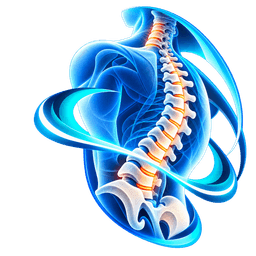
Between each pair of vertebrae sits a disc. It has a tough outer ring and a soft jelly-like centre. If the ring tears, the centre can push out and press on a nerve root. Doctors call this a herniated or slipped disc. In the lower back it often causes sciatica, which is sharp leg pain that runs below the knee, sometimes with tingling, numbness or weakness.
The surgeon removes only the piece that presses on the nerve and leaves the rest of the disc alone. You can read more about the causes on our pages for herniated disc, sciatica and lumbar radiculopathy.
Who needs it, and what are the alternatives?
Most disc herniations improve without surgery. In the first 6 to 12 weeks, many people recover with time, walking, painkillers, physiotherapy and sometimes an epidural steroid injection. Surgery enters the picture when leg pain stays severe, when the nerve loses strength or when imaging and symptoms match clearly. Related operations include laminectomy in Turkey, which widens a narrowed canal, and fusion, which joins vertebrae.
Some herniations cause emergencies. A large central disc can press on the nerves that control the bladder, bowel and legs. That needs surgery within hours, at the nearest hospital. Nobody should travel for it.
What does the Turkey pathway look like?
Our standard plan for microdiscectomy in Turkey takes about 6 days, including 1 hospital night. The operation takes about 60 minutes, and the main recovery phase lasts around 6 weeks. Our microdiscectomy procedure page gives a clinical summary, and a free record review tells you whether you fit the pathway.
Why patients choose microdiscectomy in Turkey
Patients choose microdiscectomy in Turkey for a short wait, a clear package and spine surgeons who treat disc herniations every week. The main reasons are access, technique and a single coordinated plan from scan review to follow-up. Below we explain how each applies to this operation.
Why do patients with sciatica look at Turkey?
Disc pain is hard to live with. Many people cannot sit, sleep or work for weeks, and they want a clear date for treatment. In some health systems the wait for a spinal operation runs for months, and private costs are high. Turkish private hospitals often offer a date within days or weeks of an approved scan review, and the operation needs only one hospital night.
That short stay suits people who must return to work or family quickly. It keeps the package simple and the trip compact.
What experience does the surgical team bring?
Our partner surgeons treat lumbar disc herniations often. Microdiscectomy needs fine hand skill and clear judgement about which fragment to remove and how much disc to leave. We can ask each surgeon how many cases they handle each year and how often the herniation returns, and you should ask too.
Our current partner hospitals for this procedure are in Istanbul and Ankara. Izmir and Antalya are available on request. If you search for microdiscectomy in Istanbul, expect hospitals with spine theatres, microscopes and intraoperative X-ray.
Which techniques do surgeons use?
Most surgeons use a microscope and a cut of about 2 to 3 centimetres, with a small retractor tube or blade to hold the muscles aside. Some use a full endoscope, a thin camera through an even smaller cut, and some use a tubular system. All three aim for the same result. Your surgeon picks the approach that suits your disc level, your anatomy and their experience.
Is it easy to arrange microdiscectomy in Turkey?
Yes, because your coordinator handles the steps. We review your MRI, answer within 48 hours and prepare a written fixed-price package with validity dates. You get an interpreter, airport and hospital transfers and 12 months of remote follow-up. Direct flights make the journey simple. Our guide on why patients choose Turkey adds background.
- Short wait for a date once your MRI is approved.
- Microscope or endoscope-assisted disc surgery with magnified vision.
- One hospital night and a compact trip.
- One coordinated plan, with remote follow-up for 12 months.
Accredited hospitals
JCI or equivalent accreditation with dedicated international patient departments.
High-volume surgeons
Fellowship-trained subspecialists who perform this operation weekly.
Fixed-price packages
Surgeon, implants, hospital stay, transfers and follow-up in one price.
Direct flights
Istanbul connects to 300+ destinations; Antalya and Izmir add coastal recovery.
What the microdiscectomy package in Turkey includes
Inclusions are contractually fixed with the partner hospital. Compare like with like when you evaluate other quotes.
Included
- Surgeon and anaesthetist fees
- Surgical consumables
- 1 night private room
- Pre-operative tests
- In-hospital physiotherapy
- Airport and hospital transfers
- Coordinator and translation
- 12-month remote follow-up
Not included
- Flights
- Hotel
- Companion costs
- Travel insurance
Other packages
- Microdiscectomy - Premium package$5,750 – $9,200
Microdiscectomy cost in Turkey compared with other countries
The microdiscectomy cost in Turkey depends on the technique, the number of levels, the room category and the length of stay. A Turkish package usually costs less than a private quote in the UK, US or Germany, for practical reasons and not because care is weaker. The live price comparison chart on this page shows current ranges, and our microdiscectomy cost guide explains the details.
What drives the cost of microdiscectomy?
The main driver is the technique. A microscope-assisted operation and a full endoscopic operation use different equipment. The second is the number of levels, since a second level adds time and supplies. The third is the length of stay. Most patients need one night, but a complication or a medical issue can add more.
Other elements include anaesthesia, the room category, scans, blood tests, physiotherapy and medicines at discharge. A clear quote lists each item.
How is a Turkey package built?
A typical package covers surgeon and hospital fees, one hospital night, general anaesthesia, routine tests, a post-operative check, physiotherapy advice, airport transfers, hotel nights, an interpreter, a coordinator and 12 months of remote follow-up. The written quote says what it includes, what it excludes and how long it stays valid.
Why is it lower in Turkey, and is that safe?
Staff and premises cost less in Turkey. Hospitals treat many spine patients, so teams and equipment work often. The exchange rate also helps patients who earn in pounds, euros, dollars or Gulf currencies. None of this means poorer sterile technique or weaker supplies. Still, a low price does not prove quality, and a very low price calls for questions.
What should you compare between quotes?
Quotes for herniated disc surgery in Turkey differ in what they include, so compare them line by line.
- The technique: microscope, tube or endoscope.
- The number of levels the quote covers.
- Hospital nights, room type and anaesthesia.
- Scans, tests and physiotherapy.
- Follow-up, and what happens if the disc herniates again.
Which costs can hide outside the quote?
Ask about extra nights, a second level found on the day, treatment for a complication, medicines beyond the discharge supply, flights, insurance and companion costs. We list these items clearly. You can ask for a personal quote on our quote page.
Typical self-pay range by country
Microdiscectomy in Turkey vs the UK, US and Germany
Turkey often offers faster access and a lower total cost for microdiscectomy, while the UK, US and Germany offer care close to home and familiar legal routes. Because most disc herniations settle with time, the best choice depends on your timing and symptoms. This section compares them fairly.
How do Turkey, the UK, the US and Germany compare?
| Factor | Turkey | UK | US | Germany |
|---|---|---|---|---|
| Waiting time | Often days to weeks after record approval | NHS waits vary, private slots are quicker | Usually short with insurance approval | Usually short |
| Cost structure | One package, lower in total | Private fees high, NHS free at point of care | Highest, with several bills | Moderate to high, mostly insured |
| Surgeon choice | Choice among partner surgeons | Limited on the NHS | Wide choice | Wide choice |
| Technology | Microscopes and endoscopes available | Modern in major centres | Modern and widespread | Modern and widespread |
| Aftercare logistics | Remote follow-up, local physiotherapy | Local follow-up | Local follow-up | Local follow-up |
| Legal and insurance | Cross-border claims are harder | Clear local routes | Clear local routes | Clear local routes |
When is staying home the better choice?
Stay home if your symptoms started recently, because most disc problems improve within 6 to 12 weeks without surgery. Stay home if your local team can operate soon, if you need an operation urgently or if you cannot sit through a flight. A flight adds sitting time, which can aggravate a disc.
How does timing shape the decision?
Waiting makes sense for many herniations. If your leg pain falls week by week, you may avoid surgery altogether. If pain stays severe after 6 to 12 weeks despite good care, surgery often brings faster relief than waiting longer. That is when planned microdiscectomy abroad becomes a real option.
How does aftercare differ?
At home, your surgeon sees you in person at each visit. After treatment abroad, your Turkish team follows you remotely for 12 months, and your local doctor and physiotherapist provide hands-on care. Plan for this before you book. Our guide to follow-up after returning home explains how it works.
What about legal and insurance matters?
If something goes wrong, rights differ between countries. Many home insurers do not cover complications after treatment abroad. Check your policy, buy suitable travel insurance and ask about revision terms in writing. Our spine surgery specialty page gives more context.
Is microdiscectomy in Turkey right for you?
You may be a good candidate for microdiscectomy in Turkey if MRI shows a disc pressing on the nerve that matches your leg pain, and if other treatment has not worked. You should not travel if you have an emergency nerve problem. This section covers both.
Who should not travel?
Some problems need an emergency department near you, not a trip. Do not travel if you have any of these.
- New or fast-worsening leg weakness, such as a foot that drags.
- Loss of bladder or bowel control, or trouble passing urine.
- Numbness in the saddle area between your legs, or new sexual dysfunction.
- Pain in both legs together with any of the above.
- Fever, a known spinal infection, or unstable heart or lung disease.
The first four can signal cauda equina syndrome, which needs urgent surgery within hours.
Who is a good candidate?
- An adult with leg pain below the knee that follows a nerve pattern.
- MRI that shows a herniation at the matching level and side.
- Severe pain that persists after 6 to 12 weeks of non-surgical care, or weakness that gets worse.
- Good enough health for general anaesthesia and a short flight.
- A plan for rehabilitation and local follow-up.
Which treatments come first?
Most doctors start with simple painkillers, nerve pain medicines, gentle walking, physiotherapy and sometimes an epidural steroid injection. Bed rest is no longer advised. Injections can give weeks of relief in some people, but they do not remove the disc fragment. Back pain alone, with no leg pain, is a weaker reason for surgery. If your canal is narrow rather than herniated, spinal decompression in Turkey may fit better.
What should you ask your surgeon?
- Which level and side will you treat, and how does the scan match my symptoms?
- Which technique will you use, and how often do you use it?
- How often does a disc come back after your operations?
- What happens if you find a tear in the nerve sleeve?
- When can I sit, drive and return to work?
- What exercise plan do you advise to protect the level?
Our guide to questions to ask before surgery abroad gives more ideas.
Best cities in Turkey for microdiscectomy
Microdiscectomy in Turkey takes place at our current partner hospitals in Istanbul and Ankara. Izmir and Antalya can be arranged on request. With a short one-night stay, the best city is usually the one with the simplest journey, since the operation itself is brief and most of the trip is travel and walking.
How do the four cities compare for sciatica surgery?
| City | Partner hospitals | Main advantage | Watch out for |
|---|---|---|---|
| Istanbul | Yes | Many direct flights, two airports | Long road transfers in traffic |
| Ankara | Yes | Compact, calm, university medical centres | Fewer direct routes, cold winters |
| Izmir | On request | Flat seafront for daily walks | Check the surgeon first |
| Antalya | On request | Warm climate, resort hotels | Summer heat, sandy paths |
Why do most patients pick Istanbul?
A disc patient dislikes sitting, and every connection adds sitting. Istanbul offers the most nonstop flights from Europe and the Gulf, landing at Istanbul Airport (IST) or Sabiha Gokcen (SAW). Your coordinator schedules the pick-up around the evening rush so the drive stays short. For city details, see Istanbul for spine and disc surgery.
Is Ankara a sensible alternative?
Yes, for patients who live near a route into the capital or who want a quiet stay. Ankara has several large university hospitals, and its hotels sit close to them. You may connect through Istanbul, which means extra time upright. The Ankara guide explains how arrivals work.
Can you recover by the sea?
You can, in the second or third week, once your surgeon clears gentle walking. Izmir and Antalya both offer flat promenades, which suit the 20 to 30 minute walks that help a healing disc. Keep away from beach sand and low loungers early on. We check the hospital and surgeon for these two cities with you before you decide.
What does the ride from the airport feel like?
Your driver waits at arrivals and takes you straight to the ward or hotel. Choose a car with a firm seat, and say so if you want a rest stop. After a one-night stay you return to the hotel the next day, so the second ride is short. Our overview of orthopedics in Turkey shows the wider network.
Hospitals offering microdiscectomy in Turkey
Antalya Yaşam Hospital
Private hospital in Muratpaşa, Antalya, with an orthopedics and traumatology department
BHT Clinic Istanbul Tema Hospital
Large private hospital in Atakent, Küçükçekmece, with an orthopedics and traumatology unit
Biruni University Hospital
University hospital in Küçükçekmece, Istanbul, with a published orthopedics and traumatology department
Surgeons for microdiscectomy in Turkey
Independent profiles with training, memberships, volumes and hospital affiliations.
Preparing for microdiscectomy in Turkey
Good preparation for microdiscectomy in Turkey means sending a clear MRI, finishing tests and arriving fit and calm. The better your records, the faster the surgeon can confirm the plan. This section lists what to send, what to do and how to set up your home.
Which records and scans should you send?
- MRI of the lumbar spine from the last few months, as image files and as the written report.
- Any X-rays or CT scans of the lower back.
- Nerve conduction tests, if your doctor ordered them.
- Your medicine list, including painkillers, nerve pain tablets, blood thinners and steroids.
- Letters about injections, physiotherapy and earlier spine surgery.
- A short note on when your pain began, where it spreads and any weakness or numbness.
Upload them for our medical record review. You receive a free answer within 48 hours.
Which tests happen before surgery?
The hospital repeats key tests on arrival. These include blood tests, a heart tracing for older patients and sometimes a fresh MRI, because discs can change in a few weeks. The surgeon examines your leg strength, reflexes and feeling. The anaesthetist reviews your health and any past reaction to anaesthesia.
What should you ask about medicines?
Always ask your surgeon before you stop or start any medicine. Blood thinners such as warfarin, apixaban, clopidogrel and aspirin matter most, because bleeding near a nerve is dangerous. Do not stop them on your own. Tell the team about anti-inflammatories, steroid injections, diabetes medicines and herbal products.
How can you get ready physically?
Stop smoking if you can, ideally several weeks before surgery, since smoking affects disc health and wound healing. Keep your weight steady, eat enough protein and treat skin problems and dental infections first. Prehabilitation helps within your pain limits: short, frequent walks, gentle core activation, hip stretches and practice at rolling out of bed. Our treatment planning guide explains how we sequence the steps.
How should you set up your home?
Prepare a firm chair, a raised toilet seat if needed, and a bed you can get out of easily. Keep items between waist and shoulder height. Clear the floor of rugs and cables. Plan help for shopping and lifting in the first 2 weeks.
What does the 4-week countdown look like?
- Four weeks before: send your MRI, finish your record review and ask your doctor about medicines.
- Three weeks before: book flights and travel insurance, and begin gentle walking.
- Two weeks before: complete blood tests, arrange your companion and stop smoking.
- One week before: set up your home, pack and confirm transfers.
- Travel week: carry your records, scans and medicines in your hand luggage.
Your microdiscectomy journey in Turkey: 6 days, step by step.
A typical timeline. Your coordinator adapts it to your flights, your surgeon's schedule and your recovery.
- Before you travel1Before you travel
Medical record review
You send your MRI and medicine list. The coordinator and surgeon review them within 48 hours, check that scan and symptoms match, and decide whether microdiscectomy fits.
- Before you travel2Before you travel
Travel planning
You agree dates, book flights and insurance, arrange a companion and prepare your home. You receive your written quote, itinerary and hospital details.
- Day 13Day 1
Arrival in Istanbul
A driver meets you at the airport and takes you to your hotel. You rest, stand and walk often, and meet your interpreter and coordinator.
- Day 24Day 2
Hospital assessment
You visit the hospital for blood tests and a nerve examination. The surgeon reviews your MRI, explains the plan and the risks, and answers your questions.
- Day 35Day 3
Surgery day
You fast, meet the anaesthetist and go to the operating room. The operation takes about 60 minutes under general anaesthesia, and you walk with help within hours.
- Day 46Day 4
Discharge
After one night in hospital, the surgeon checks your legs and wound and discharges you. You return to the hotel with a medicine plan and movement sheet.
- Day 57Day 5
Rest and check
You rest, take short walks and attend a wound check. The team confirms that you can travel and gives you your records.
- Day 68Day 6
Fly home
A driver takes you to the airport. You stand and walk during the flight, drink water and keep your records with you.
- Weeks 2 to 69Weeks 2 to 6
Remote follow-up
You report pain, walking and wound progress, and your local physiotherapist takes over. The team follows you for 12 months.
Your hospital stay for microdiscectomy in Turkey
You usually spend one night in hospital after microdiscectomy, and you stand and walk within hours. This section explains each step from admission to discharge. Your surgeon and anaesthetist decide the exact plan, and their instructions always come first.
What happens on admission?
You arrive on the morning of surgery after fasting for about 6 to 8 hours, or as the team tells you. A nurse checks your pulse, blood pressure and oxygen levels and confirms your name, the level and the side. The surgeon marks the skin, and you sign consent forms with an interpreter. Ask every question first.
Which anaesthesia will you have?
Microdiscectomy uses general anaesthesia, so you sleep through the operation. The anaesthetist places a breathing tube, monitors your heart and breathing and gives pain medicine as you wake. Some teams add local anaesthetic around the wound. Tell the team about past problems with anaesthesia, sleep apnoea or heart disease.
What does the surgeon do, step by step?
- You lie face down or in a kneeling position on a padded frame that keeps your belly free.
- An X-ray check confirms the correct level.
- The surgeon makes a cut of about 2 to 3 centimetres over the disc level.
- They move the back muscles aside with a small retractor, without cutting them.
- Under the microscope they open a small window in the ligament and, if needed, nibble a little bone.
- They move the nerve root gently aside, find the disc fragment and remove it with fine tools.
- They check that the nerve moves freely, control bleeding and close the layers with stitches.
The operation takes about 60 minutes, and a second level takes longer.
What happens in the first hours?
You wake in recovery, where nurses check your legs, breathing and pain. Tell them straight away about new weakness or numbness. Many patients notice that their leg pain is better as soon as they wake, though the back wound feels sore. You then move to your room and eat when you feel ready.
How do the team control pain and start movement?
You get regular paracetamol, and stronger medicine for a short time if needed. A physiotherapist teaches you to roll out of bed, stand without twisting and walk. You usually walk with help on the day of surgery, and short walks every hour help your recovery.
What are the discharge criteria?
- Your leg strength is stable or better.
- You walk safely without help or with a stick.
- Your pain is controlled by tablets.
- You pass urine and eat normally.
- Your wound looks dry and clean.
Our guides to hospital admission and surgery day give more detail.
Recovery after microdiscectomy in Turkey
The main recovery after microdiscectomy takes about 6 weeks, with gains continuing for up to a year. Leg pain often eases early, while strength, numbness and stamina return more slowly. This section sets out each phase in a table you can print. Follow your surgeon's instructions if they differ.
What does the recovery timeline look like?
| Phase | What you can do | What to avoid |
|---|---|---|
| Day 0 to 1 | Walk with help, rest on your side or back | Twisting, bending, lifting |
| Days 2 to 6 in Turkey | Short walks every hour, hotel rest, gentle breathing | Sitting for over 30 minutes, low sofas, lifting |
| Weeks 1 to 2 | Walks of 10 to 20 minutes, light home tasks, desk work for some | Lifting more than a kettle, forward bending |
| Weeks 2 to 6 | Longer walks, physiotherapy, driving when safe, stationary bike | Heavy lifting, running, twisting sport |
| Weeks 6 to 12 | Core and hip strengthening, swimming if cleared | High-impact sport, heavy gardening |
| Months 3 to 12 | Return to full activity as the surgeon allows | Ignoring new weakness or pain |
What is microdiscectomy recovery in Turkey like?
Microdiscectomy recovery in Turkey follows the same steps as at home, with a few extra days on site for checks. The early walking habit matters more than any single exercise.
How should you care for the wound?
Keep the dressing clean and dry, and follow the nurse's advice on showering, often after about 2 days. Do not soak in a bath or pool until the wound seals, usually 2 weeks. Stitches or clips come out around 10 to 14 days, or dissolve. Watch for redness, heat, swelling or fluid, and tell your coordinator.
What activity limits apply?
Walk early and often, but avoid bending, heavy lifting and twisting for 2 to 6 weeks. Bend at the knees and hips, not the waist. Change position every 30 minutes. Sitting is allowed in short blocks, but long drives and flights need breaks. Your surgeon sets the limits for you.
When can you return to work, drive and play sport?
Desk work is often possible after 1 to 2 weeks. Physical jobs may need 6 to 12 weeks, and your surgeon decides. You can drive when you can turn safely, brake hard without pain and no longer take sedating medicine, usually after 2 to 3 weeks. Running, golf, lifting and contact sport wait until your surgeon agrees, often 6 to 12 weeks or more.
When is it safe to fly home?
Most people fly home on day 5 or 6, after the wound check. Flying raises clot risk, so walk the aisle every hour, drink water and take an aisle seat. A cushion behind your lower back helps. Our guide to flying after surgery and our rehabilitation guide add detail.
Aftercare at home after microdiscectomy in Turkey
Aftercare for microdiscectomy continues at home through walking, physiotherapy and scheduled contact with your team. Your local doctor handles hands-on checks while your Turkish team follows you remotely for 12 months. This section explains the handover and the warning signs.
What does follow-up look like?
Typical contact comes at about 2 weeks, 6 weeks, 3 months and 12 months, but your surgeon sets the schedule. You send a short report on leg pain, back pain, strength and wound healing. Your coordinator may ask for photos of the scar or a new scan. Your local doctor sees you in person.
How do physiotherapy and exercise fit in?
Start local physiotherapy after about 2 to 6 weeks, or when your surgeon agrees. A good plan covers walking, core stability, hip and leg strength, hamstring flexibility and safe lifting. Build up gradually. A strong core protects the operated level for years. See our spine hub for related reading.
What should you expect from your wound and medicines?
Expect a small scar, tender at first. Take your pain medicines as directed and reduce them as pain falls. Constipation from strong painkillers is common, so eat fibre and drink water. Your surgeon decides when you restart blood thinners or anti-inflammatories.
What warning signs need urgent care?
- New or worsening leg weakness, or a foot that drags.
- Loss of bladder or bowel control, or numbness in the saddle area.
- Severe new pain that spreads into both legs.
- Fever, chills, or a wound that leaks, swells or turns red.
- A headache that worsens when you stand and eases when you lie down.
- Chest pain, sudden breathlessness or a painful swollen calf, which can mean a blood clot.
If you have any of these, go to your nearest emergency department, say you had spine surgery and then contact your coordinator.
What if the disc comes back?
A small number of patients, often in the first months or years, have the same disc herniate again. Pain that returns after a pain-free spell needs a new scan. Your local doctor can arrange it, and your Turkish team can advise. Many cases settle with treatment, and some need a second operation.
What records should you give your local doctor?
Take your operation note, the level and side treated, your discharge letter, scan files and your medicine list. Keep a digital copy. These papers help any doctor understand your spine within minutes.
Microdiscectomy in Turkey: results and success rates
Most people who have microdiscectomy for a herniated disc report much less leg pain, often within days or weeks. Success means leg pain relief and a return to normal life. It does not mean a spine that never hurts again. This section explains realistic expectations.
What does success look like?
Doctors measure success with a leg pain score, a disability questionnaire, strength testing and your use of painkillers. Leg pain responds best. Many patients walk comfortably, sleep through the night and return to work within weeks. Back pain also improves for many but less reliably.
Which symptoms improve first?
Leg pain usually improves first. Numbness and tingling can take months and sometimes stay in part. Weakness depends on how long the nerve was squeezed, and long-standing weakness may not fully recover. Acting before weakness becomes severe gives the nerve the best chance.
What affects the result?
- How long and how severely the nerve was squeezed.
- Whether scan and symptoms match precisely.
- Smoking, weight, diabetes and general health.
- Your rehabilitation, core strength and daily walking.
- The size of the tear in the disc ring.
How long do results last?
Many patients keep good relief for years. In general terms, a minority, often quoted at roughly 5 to 15 in every 100, have a recurrent herniation at the same level over time, and some of them need another operation. Regular exercise, a healthy weight and not smoking may lower the chance. If your problem proves to be a narrow canal instead, see spinal fusion in Turkey for the next level of care.
When might microdiscectomy not work?
The operation may fail to relieve pain that comes from the hip, the joint behind the disc or a nerve disease such as diabetic neuropathy. That is why careful examination and scan matching come first. A good surgeon will say no when the findings do not fit.
Is microdiscectomy in Turkey safe?
Microdiscectomy in Turkey is safe when a licensed hospital, an experienced surgeon and careful selection come together. Like any spine operation, it has real risks. This section explains how to check a provider, what the risks are and how teams manage them.
Is microdiscectomy in Turkey safe?
Turkish hospitals hold a licence from the Ministry of Health, and some also hold JCI (Joint Commission International) accreditation. Ask your coordinator which accreditation applies. Our partner hospitals are accredited partner hospitals, and the hospitals page shows the wider network. Is microdiscectomy in Turkey safe for you? A scan review and medical check answer that.
How do you check the surgeon?
Ask about spine training, yearly numbers of disc operations, the rate of tears in the nerve sleeve and the rate of repeat herniation. Ask about magnification and whether the team uses X-ray to confirm the level. Compare answers across profiles on our surgeons page. A confident surgeon gives clear numbers.
What do the best hospitals for microdiscectomy in Turkey have in common?
The best hospitals for microdiscectomy in Turkey publish their licence and accreditation, run a dedicated spine team, keep intensive care back-up and give you a written plan. They also record every product used and keep your imaging for review.
What are the real risks of microdiscectomy?
- A tear in the dura, the sac around the nerves, which can leak spinal fluid. Surgeons usually repair it at once, and you may need to lie flat for a day or two.
- Recurrent herniation at the same level.
- Infection of the wound or the disc space, which is uncommon.
- Bleeding or a blood collection that presses on nerves, which is rare and needs urgent surgery.
- Nerve irritation or injury, with weakness or numbness, which is rare.
- Blood clots in the legs or lungs, lowered by early walking.
- Anaesthetic complications and persistent back pain.
How do teams reduce infection and clots?
The team uses sterile drapes, skin cleaning and an antibiotic dose before the cut. Early walking, leg exercises and fluids cut clot risk, and higher-risk patients may get stockings or blood thinners. Hospitals record every product batch, so your records stay traceable.
Which red flags suggest a poor provider?
- Pressure to pay a deposit before a record review.
- No MRI review, or a plan that ignores your health problems.
- Promises of perfect results or no risk at all.
- Refusal to say which level, which technique or which surgeon.
- No written quote, no follow-up plan or no answer about complications.
When you feel ready, request a free record review and personal quote.
Travel and accommodation for microdiscectomy in Turkey
Microdiscectomy in Turkey is a short trip of about 6 days, but a flight still means sitting for hours with a healing disc. A nonstop route, an aisle seat and a helper make that easy. The sections below explain visas, flight times, airports, hotels, insurance and timing.
Which visa rules apply to you?
The rules differ by passport. Citizens of some countries enter Turkey without a visa, and others buy an e-Visa online. Look at the official Turkish e-Visa service or contact your embassy, and check passport validity at the same time. Sort this out before you reserve flights.
How far is the flight, and which airport?
Turkish Airlines flies nonstop from many cities in Europe, the Gulf and North America. A flight takes about 4 hours from London, 3 from Frankfurt, 4 to 5 from the Gulf and 10 from New York. Two airports serve Istanbul: Istanbul Airport (IST) and Sabiha Gokcen (SAW). The country uses GMT+3 all year.
What helps your back during the flight home?
Get up every 30 to 60 minutes and walk the aisle. A small rolled towel behind the waist keeps the curve of your lower back, and a short stroll before boarding loosens it. Keep tablets in your hand luggage. Request airport assistance for long corridors, and let your companion handle bags. The travel and accommodation guide has more tips.
Where is the best place to sleep?
Pick a hotel near the hospital with a lift, a firm bed and a shower you can step into. Hotel nights sit inside your package, and your coordinator suggests places that suit a disc patient. A chair with a firm seat and arms matters more than a sea view.
Do you need a companion?
Ideally yes. One person can carry cases, watch for warning signs and keep you company during the first days. The companion guide sets out their role.
How should you handle insurance, money, language and weather?
Buy cover that includes pre-existing conditions and surgical complications. Cards work in cities, and a little cash helps with taxis. Your interpreter speaks for you at the hospital, and hotel staff usually speak English. Mild spring and autumn weather suits travel best. Summer feels hot and winter pavements can be icy, so wear shoes with grip.
Would you like a view on your own scan? Send us your MRI for a free review.
Microdiscectomy in Turkey: your questions
Is microdiscectomy in Turkey safe?
How long do you stay in Turkey for microdiscectomy?
When can I fly home after microdiscectomy?
Is there an age limit for microdiscectomy?
How do I choose a hospital for microdiscectomy in Turkey?
Does microdiscectomy hurt?
Can a herniated disc heal without surgery?
What happens if something goes wrong when I am back home?
Do I need a companion?
When can I return to work and sport after microdiscectomy in Turkey?
Can the disc herniate again after microdiscectomy?
Is microdiscectomy better done at home or abroad?
Sources for microdiscectomy in Turkey
Peer-reviewed guidance and institutional sources used to write and review this page.
- 01
- 02
- 03Lumbar herniated disc
AAOS OrthoInfo, 2025
https://orthoinfo.aaos.org/en/diseases--conditions/herniated-disk-in-the-lower-back/
- 04
- 05Turkey travel advice
UK Foreign, Commonwealth and Development Office, 2025
https://www.gov.uk/foreign-travel-advice/turkey
- 06Turkey e-Visa application system
Republic of Turkey Ministry of Foreign Affairs, 2025
https://www.evisa.gov.tr/en/
- 07Hospital accreditation standards
Joint Commission International, 2025
https://www.jointcommissioninternational.org/
- 08Travelling abroad for medical treatment
NHS, 2025
https://www.nhs.uk/using-the-nhs/healthcare-abroad/going-abroad-for-treatment/
Your microdiscectomy in Turkey plan, reviewed by a surgeon.
- 01Upload imaging after you submit; we send a secure link.
- 02A subspecialist reviews and confirms the plan within 48 hours.
- 03You receive a written opinion and a fixed package price with validity dates.
- 04No fee, no obligation.
Prefer to talk? Open the full contact page.
Benchmark prices are estimates from approved records and are not quotes. Turkey partner prices are contracted with validity dates and may change between versions. Medical information on this page is educational and does not replace a consultation with a qualified clinician. .