





Foot & Ankle Fracture Surgery in Turkey
Foot & ankle fracture surgery in Turkey is a planned operation that sets broken bones back in place and holds them with plates and screws. For people who are medically stable, it covers delayed or secondary repair, and an acute break needs urgent care close to home.
Partner package
v2 · valid to 30 Jan 2027$4,000 – $8,000
Foot & Ankle Fracture Surgery - All-inclusive package
- In Turkey
- 7 days
- Hospital
- 2 nights
- Follow-up
- 12 months
Key takeaways
- 1A new fracture needs urgent treatment close to where it happened, and nobody should travel abroad for emergency trauma care, so Turkey suits planned or delayed surgery only.
- 2Planned fracture surgery covers a fracture that healed badly, did not heal, needs staged reconstruction, or has a hardware problem, once you are stable and cleared to fly.
- 3The operation takes about 90 minutes under general or spinal anaesthesia and uses plates, screws or a syndesmosis fixation, followed by 2 nights in hospital.
- 4Most patients who plan this surgery spend about 7 days in Turkey, which covers assessment, surgery, a first dressing check and clearance to fly.
- 5You usually stay off the foot for 6 weeks or more, and the main recovery phase lasts about 12 weeks while the bone heals.
- 6Cast treatment can work for stable, undisplaced breaks, and your surgeon explains why your situation needs an operation instead.
- 7Risks include infection, wound problems, slow bone healing, hardware pain, clots, stiffness and arthritis years later in the damaged joint.
Foot & ankle fracture surgery in Turkey: an overview
Foot and ankle fracture surgery is an operation that puts broken bones in the foot or ankle back into line and holds them with plates, screws or other fixation until they heal. This page explains foot & ankle fracture surgery in Turkey for planned situations, and describes a 7-day trip with 2 hospital nights. It is general information, not personal medical advice, and your own surgeon's instructions always come first.
Important: an acute fracture is an emergency. If you have just broken a foot or ankle, go to the nearest emergency department. Do not travel for urgent trauma care. Early treatment protects the skin, the blood supply and the bone, and a delay of days can make surgery harder. The Turkey pathway on this page applies to planned or delayed situations, such as a bone that healed in a poor position, a break that did not heal, a staged reconstruction or a problem with earlier hardware, once you are medically stable and cleared to fly.
What does fracture surgery fix?
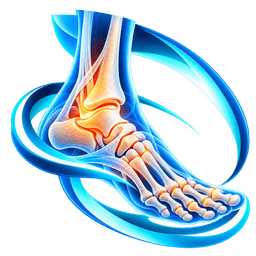
The ankle is a hinge made of the shin bone, the thin outer bone (fibula) and the talus. Ligaments hold the three bones together. A twisting injury can break one, two or three of these bones and tear the ligaments between them, which loosens the joint. The foot has 26 bones, and breaks of the heel, the midfoot or the long bones of the forefoot can also need surgery. Your surgeon restores the joint surface and the bone length so you can walk on a stable foot.
In planned cases, the surgery may correct a malunion, where a bone healed crooked, or a nonunion, where it never joined. It may also remove or replace hardware that hurts, or rebuild a joint after a poor first repair. Read about ankle fracture for the condition itself.
What are the alternatives?
Not every break needs an operation. A stable, undisplaced fracture often heals in a cast or boot, and surgery adds risk without much benefit. Pain relief, a brace, physiotherapy and injections can ease the symptoms of a healed, stiff foot. If arthritis follows an old fracture, options include ankle fusion and total ankle replacement. Your surgeon explains which route suits your foot.
What does the Turkey pathway look like?
Most people spend about 7 days in Turkey. You arrive on day 1, meet the surgeon and have tests, then have surgery and stay 2 nights in hospital. The operation lasts about 90 minutes. You then start first steps with crutches, attend a dressing check and fly home when the surgeon agrees. Main recovery lasts about 12 weeks. We coordinate records, hotel, transfers and 12 months of remote follow-up. The foot and ankle fracture surgery procedure guide covers the surgical details.
Why patients choose foot & ankle fracture surgery in Turkey
Patients who need planned fracture surgery in Turkey often have a complex problem: a crooked bone, a stuck healing process or a painful implant. They choose Turkey for quick access to an experienced trauma and foot surgeon, a clear plan and one transparent package. This is a reconstruction, so the surgeon's judgement matters most. The sections below explain what we offer and where the limits are.
Why do patients pick a trauma and foot surgeon in Turkey?
Turkish hospitals treat many fractures from road accidents, falls and sport, so trauma surgeons see a wide range of injuries. A surgeon who handles delayed and secondary cases often knows how to read old scans, plan a bone cut and protect weak skin. Volume does not prove quality, so ask how many fracture reconstructions the surgeon performs each year and how often a second operation is needed. Our surgeons page explains how we select teams.
Which techniques and implants do teams use?
Our partner surgeons use modern fixation. Plates and screws hold the ankle bones, including shaped plates for the outer ankle bone. A syndesmotic fixation, using a screw or a flexible suture-button, holds the shin bone and fibula together when the ligament between them is torn. In the foot, small plates, screws and wires fix the heel, midfoot and forefoot bones. For a bone that healed crooked, the surgeon cuts it again, resets it and fixes it. Bone graft may fill gaps. X-ray guidance checks every step.
Is it safe to have fracture surgery abroad?
It can be, for planned surgery, when you choose a licensed hospital, a surgeon with clear experience and a team that plans follow-up. Planned fracture reconstruction abroad carries the same risks as at home, and they depend on bone health, smoking, diabetes and the state of your skin. We help you check each of these, and we say plainly when staying home is wiser. Read our guide to questions to ask before surgery abroad.
Why does one coordinated pathway help?
- One coordinator gathers your old operation notes, scans and medicine list.
- An interpreter joins you at the consent talk and at discharge.
- A written package states what the price covers and how long it stays valid.
- Direct flights from many European and Gulf cities take 3 to 5 hours.
- Remote follow-up continues for 12 months, with X-ray review and wound photos.
Related care for the same area includes ankle fusion in Turkey and Achilles tendon repair in Turkey, which patients sometimes need after a severe injury.
Accredited hospitals
JCI or equivalent accreditation with dedicated international patient departments.
High-volume surgeons
Fellowship-trained subspecialists who perform this operation weekly.
Fixed-price packages
Surgeon, implants, hospital stay, transfers and follow-up in one price.
Direct flights
Istanbul connects to 300+ destinations; Antalya and Izmir add coastal recovery.
What the foot & ankle fracture surgery package in Turkey includes
Inclusions are contractually fixed with the partner hospital. Compare like with like when you evaluate other quotes.
Included
- Surgeon and anaesthetist fees
- Implant and consumables
- 2 nights private room
- Pre-operative tests
- In-hospital physiotherapy
- Airport and hospital transfers
- Coordinator and translation
- 12-month remote follow-up
Not included
- Flights
- Hotel
- Companion costs
- Travel insurance
Implant assumption
plates, screws, syndesmotic fixationOther packages
- Foot & Ankle Fracture Surgery - Premium package$4,600 – $9,200
Foot & ankle fracture surgery cost in Turkey compared with other countries
The cost of foot & ankle fracture surgery in Turkey depends mostly on what went wrong with the first repair. A crooked ankle bone that needs one cut and one plate sits at the lower end, while a nonunion with old hardware, infection checks and graft sits higher. Either way, most planned cases cost less than the same work at home. Open the price comparison chart on this page for current figures, and read the foot and ankle fracture surgery cost guide for the detail behind them.
Why do two fracture cases get such different quotes?
Secondary fracture work varies more than most operations. Removing a broken plate takes extra theatre time. A cut through a malunion needs precise planning from a CT scan. A nonunion often needs fresh bone graft, taken from your hip or from a bank. Scar tissue slows the surgeon, and a syndesmosis needing a suture-button adds implants. The more steps, the longer you sit in theatre, and the larger the bill. A fair quote waits for your old scans and operation notes.
What does an all-in Turkey package contain?
Ankle fracture surgery cost in Turkey, and foot fracture surgery in Turkey, normally covers the following items under one agreement.
- Surgeon, theatre and X-ray guidance for the planned repair.
- Anaesthesia and the anaesthetist's fee.
- Plates, screws, suture-buttons and graft, as the plan requires.
- 2 nights on the ward with nursing and tablets.
- Pre-operative CT, blood tests and ECG.
- Splint, boot, crutches and the first physiotherapy session.
- Hotel stay, transfers, a coordinator and an interpreter.
- 12 months of remote review with scan reading.
The offer comes in writing, with an end date for the price.
What explains the lower price in Turkey?
Pay scales, building costs and many consumables run lower in Turkey than in Western Europe or North America. Private hospitals there treat many foreign patients, which keeps operating rooms in steady use and spreads fixed costs. A good exchange rate helps visitors too. Still, a cheap quote can hide a weak team, so treat it as one factor among several. Our Turkey orthopedics overview sets out how the private sector works.
Which lines should you check on each quote?
- Does it name the repair planned: plate, osteotomy, nonunion repair or syndesmosis fixation?
- Does it list the implants, the graft source and removal of old hardware?
- Does it assume 2 ward nights and the rest of your 7 days in a hotel?
- Does it include the CT scan that guides the plan?
- What happens, and who pays, if the bone fails to heal again?
Which extras can appear later?
Check for costs outside the package: a delayed flight because of swelling, extra nights, additional scans, wheelchair or scooter hire, tablets beyond the discharge box and treatment of a wound that opens. Because scarred skin heals slowly, ask about wound care in particular. Written answers before any deposit protect both sides.
Typical self-pay range by country
Foot & ankle fracture surgery in Turkey vs the UK, US and Germany
Planned fracture surgery in Turkey differs from surgery in the UK, US or Germany mainly in waiting time, cost structure and follow-up, while the operation itself is the same. For an acute break, the comparison does not apply, because emergency care happens where you are. The table below covers planned or delayed surgery only.
| Factor | Turkey | UK (NHS or private) | US | Germany |
|---|---|---|---|---|
| Waiting time | Often weeks once records are reviewed | Often long on the NHS for secondary surgery, shorter in private care | Usually short, depends on insurance approval | Usually short to moderate |
| Cost structure | One package, set in advance | Separate surgeon, hospital and physio bills if private | Several bills, large variation | Mostly insurance based |
| Surgeon choice | Wide choice among private trauma and foot surgeons | Limited on the NHS, often the original team | Wide, depends on network | Wide choice |
| Technology | Modern plates, screws, CT and X-ray guidance | Similar | Similar | Similar |
| Aftercare | Remote follow-up plus your local clinic | Same team follows you | Same team follows you | Same team follows you |
| Legal position | Turkish law and courts apply | Familiar local routes | Familiar local routes | Familiar local routes |
How do waiting times and surgeon choice compare?
Corrective surgery after a poor fracture result often waits in a long queue at home, and pain and limping continue in the meantime. Private care at home is faster but costs more. In Turkey, a record review usually leads to a surgical date within a few weeks, depending on the surgeon's diary. You can also compare more than one surgeon and ask each to explain the plan.
When is staying at home the better choice?
Staying home is the right choice for any new break, for people with open wounds or active infection, and for anyone whose original surgeon could fix the problem soon. It also suits people who need many in-person checks, because this surgery needs a cast, a no-weight period and scans over several months. If your first operation was local, the same team knows your anatomy.
What about insurance and legal rights?
Most home insurers and public health systems do not pay for planned surgery abroad. Check your travel insurance for complications, and ask whether it covers a flight home. If something goes wrong, your local health service will usually treat urgent problems, but it may not redo the operation. Read our guide on follow-up after returning home before you decide.
Is foot & ankle fracture surgery in Turkey right for you?
An acute fracture needs urgent care where it happened, and nobody should travel for emergency trauma surgery. Good candidates for foot & ankle fracture surgery in Turkey are medically stable people with a planned or delayed problem, such as a bone that healed badly, did not heal or needs staged reconstruction, and who are cleared to fly. The lists below help you check where you stand.
Who is a good candidate for planned fracture surgery abroad?
- Your original fracture healed in a poor position, and it causes pain, a limp or instability.
- A bone has not joined after months, which doctors call nonunion, and scans confirm it.
- Earlier hardware causes pain, or it failed or loosened.
- Your surgeon plans a staged reconstruction, and the skin and swelling are now settled.
- You have an old ankle fracture and your doctors have confirmed that it is stable enough to travel.
- You can stay off the foot for 6 weeks or more and use crutches or a knee scooter.
Who must not travel for this surgery?
Do not travel if you have a fresh fracture, a wound that will not close, signs of infection, a fever, a recent clot, unstable heart disease or uncontrolled diabetes. Do not travel if your skin around the injury is blistered, very swollen or dying, if the foot is cold or numb, or if you have not yet been cleared to fly. People who smoke should stop first, because nicotine slows bone healing. A bone infection needs specialist treatment at home before any planned reconstruction.
Which treatments should you try first?
For a healed but stiff or sore foot, start with physiotherapy, a supportive shoe, an insole or ankle brace, weight loss and pain relief. A steroid injection can calm a painful joint for a while. A stable, undisplaced break should heal in a cast or boot, and surgery is not needed. These steps do not fix a crooked bone, but they help many people avoid more surgery. See our treatment planning guide for how we sequence options.
What should you ask your surgeon?
- What exactly went wrong with the first healing, and how will you fix it?
- Which plate, screws or fixation will you use?
- Will you remove old hardware, and will you need a graft?
- How many fracture reconstructions do you perform each year?
- How long will I stay off weight, and when can I drive?
- What happens if the bone does not heal again?
Best cities in Turkey for foot & ankle fracture surgery
Partner hospitals for this surgery operate today in Istanbul, Ankara and Izmir, and Antalya is available on request. After a reconstruction, the useful city is the one where hospital, hotel and airport sit close together, where lifts work and where you can keep a swollen foot up.
Why look at ankle fracture surgery in Istanbul first?
Many people compare options for ankle fracture surgery in Istanbul because of its flights and its large pool of trauma and foot surgeons. Istanbul Airport (IST) handles most long-haul routes, and Sabiha Gokcen (SAW) suits budget carriers. Staying in a hotel next to the hospital cuts the ride to a few minutes. Roads are busy, so allow extra time before appointments. See our Istanbul page.
How do the other cities compare?
- Ankara: a quieter capital that hosts big university hospitals, good for a plain, focused stay. See the Ankara page.
- Izmir: a mild Aegean setting with an easy airport and a flat seafront, where you can rest outdoors. See the Izmir page.
- Antalya: a resort city with warm weather, available on request, though sand and slopes defeat crutches.
What matters for a damaged, scarred foot?
Skin that took the original injury heals slowly, so keep the first fortnight simple: short transfers, a clean room and little walking. Heat swells a repaired foot, so ask for air conditioning in summer. Your coordinator confirms which surgeon operates on your dates and which city fits best.
How do you get around between airport, ward and hotel?
A driver waits at arrivals and knows the hospital entrance. Choose a vehicle with a high seat and room to extend the leg. When you fly home, request wheelchair help from the entrance to the aircraft door, and carry your scans and discharge letter in hand luggage.
Hospitals offering foot & ankle fracture surgery in Turkey
Antalya Yaşam Hospital
Private hospital in Muratpaşa, Antalya, with an orthopedics and traumatology department
BHT Clinic Istanbul Tema Hospital
Large private hospital in Atakent, Küçükçekmece, with an orthopedics and traumatology unit
Biruni University Hospital
University hospital in Küçükçekmece, Istanbul, with a published orthopedics and traumatology department
Surgeons for foot & ankle fracture surgery in Turkey
Independent profiles with training, memberships, volumes and hospital affiliations.
Preparing for foot & ankle fracture surgery in Turkey
Preparing for planned fracture surgery in Turkey is mostly about gathering the history of your injury, because the surgeon must understand what the first repair did before planning the next. Give yourself 4 weeks. These notes are general, and your own surgeon's instructions come first.
Which injury records matter most?
- The very first X-rays or CT from the day of the break, plus every later image.
- The operation note and implant sticker sheet from any earlier surgery.
- Letters about wound problems, antibiotics, swabs or bone infection.
- Recent standing X-rays of both feet and ankles.
- Photos of the foot, showing the shape and every scar from the front, side and back.
- Your medicine list, allergies and any heart, lung, diabetes or circulation history.
Upload them through our free medical record review, and expect an answer within 48 hours.
Which tests does the team add?
Expect blood tests that include infection markers such as CRP, an ECG and a pulse and skin check. A new CT often helps plan the cut or graft. Diabetes calls for a recent HbA1c result. A vitamin D level is useful, because deficiency can stall a nonunion. The anaesthetist may order extra tests for heart or lung disease.
How do you handle medicines and lifestyle?
Ask the surgeon before you change any medicine, above all blood thinners, aspirin and anti-inflammatory tablets, which can interfere with bone healing. Stop smoking and vaping about 4 to 6 weeks ahead, as nicotine is a leading cause of nonunion. Treat any skin breakdown or infection near the foot, and see the dentist about sore teeth.
How do you ready your body and home?
Rehearse getting around on crutches or a scooter before you fly, including a bathroom trip at night. Build strength in the arms, trunk and good leg. Place a bed and a toilet on one floor, clear the floor of rugs and put a stool in the shower. Pack loose trousers, one supportive shoe and plenty of tablets in your cabin bag.
What is the plan for the final 4 weeks?
- Week 4: send every scan and note, book the review call and stop nicotine.
- Week 3: complete blood tests and any dental or skin treatment, and ask your doctor about a fitness-to-fly letter.
- Week 2: book flights and insurance, and practise walking with your aid.
- Week 1: confirm the driver and hotel, pack, line up help at home and follow any medicine change your surgeon gave you.
Your foot & ankle fracture surgery journey in Turkey: 7 days, step by step.
A typical timeline. Your coordinator adapts it to your flights, your surgeon's schedule and your recovery.
- Before you travel1Before you travel
Records and fitness check
You send every scan since the injury, old operation notes and your medicine list. The surgeon judges whether planned surgery fits, confirms that you are stable and cleared to fly, and we give you a written plan.
- Before you travel2Before you travel
Booking and home set-up
You fix the dates, arrange travel cover and a helper, and organise ground-floor living at home. Your coordinator reserves hotel and driver and lists any tests to finish locally.
- Day 13Day 1
Landing and settling in
Your driver collects you from the airport and takes you to the hotel near the hospital. You rest the foot on pillows, drink water and go over the next day with your coordinator.
- Day 24Day 2
CT, blood tests and consent
The surgeon examines the foot, orders a fresh CT or X-ray if needed and talks through the repair. Blood tests and an ECG follow, and you sign consent with an interpreter.
- Day 35Day 3
Operation day
The operation takes about 90 minutes under general or spinal anaesthesia. You wake with a padded splint, and nurses check toes and circulation through the night.
- Day 46Day 4
First moves on crutches
Physiotherapy starts with crutch or scooter practice, stairs and toilet transfers. The surgeon checks the X-ray and the wound, and the splint may change.
- Day 57Day 5
Moving to the hotel
If pain, swelling and mobility look safe after the second night, you leave hospital. You take your medicines, a written plan and advice on clot prevention.
- Day 68Day 6
Raised-leg rest day
You keep the leg above heart level while the nurse checks the splint and toes. Your coordinator confirms flights and airport help, and the surgeon answers questions.
- Day 79Day 7
Flight clearance
The surgeon gives permission to fly if swelling and pain allow. You travel with wheelchair help, and a local clinician sees you the following week.
- After you fly10After you fly
Weeks 2 to 12 at home
Stitches come out around week 2, and X-rays at the times your surgeon sets show how the bone heals. We review images remotely for 12 months.
Your hospital stay for foot & ankle fracture surgery in Turkey
Planned fracture surgery in Turkey keeps you on the ward for 2 nights. You check in on the day of the operation or the evening before, and you go to your hotel once the foot, the pain and your mobility look safe. This section walks through that stay in order.
How does admission work?
On arrival, the nurse checks your wristband, allergies and fasting. The anaesthetist reviews your tests and explains the options. The surgeon marks the limb and confirms the plan against your CT scan and old operation notes. Leg pumps or stockings start straight away. Any blood thinner follows the plan agreed before travel. Our hospital admission guide describes each check.
Which anaesthetic will you get?
General anaesthesia or a spinal injection with sedation suit most people, and some teams add a nerve block for pain relief in the first hours. Your anaesthetist picks the combination after reviewing your heart, lungs, back and wishes.
How does the surgeon repair a late fracture problem?
- A tourniquet goes on the thigh, and the surgeon confirms the leg with X-ray.
- The surgeon opens through or beside the old scar, then removes loose or painful hardware.
- Scar tissue and dead bone ends come out until bleeding bone appears.
- For a crooked bone, the surgeon cuts it, turns it back into line and holds it with a plate. For a nonunion, they pack graft into the gap before fixing it.
- If the tibia and fibula separate at the ankle, a screw or suture-button restores the gap.
- The team tests stability under X-ray, closes the skin in layers and applies a padded splint.
About 90 minutes is typical, though hardware removal and grafting can add time.
What follows in the first two days?
You rest with the leg high. Nurses watch toe colour, warmth and feeling every hour or two at first. Regular tablets, the nerve block if you had one and stronger medicine on request control pain. A physiotherapist visits on day one and teaches hopping-free transfers on crutches. Clot prevention continues with injections or tablets.
What are the discharge criteria?
You leave when tablets control pain, the toes stay warm, you transfer safely with your aid and you hold written instructions. A tight, blistered or oozing wound can extend the stay, and the coordinator then rebooks hotel and flights.
Recovery after foot & ankle fracture surgery in Turkey
After planned fracture surgery in Turkey, the main recovery takes about 12 weeks, and a repaired bone needs 6 to 12 weeks to heal fully. The table gives a typical pattern, and the exact stages depend on the bone, the fixation and your surgeon.
| Stage | Foot status | Allowed | Not yet |
|---|---|---|---|
| First 2 weeks | Splint, no weight | Elevation, toe movement, short crutch trips | Wet dressing, standing for long, any weight |
| Weeks 2 to 6 | Cast or boot, no weight | Stitch removal, hip and knee exercise | Driving, putting the foot down |
| Weeks 6 to 10 | Boot, partial weight if X-rays show healing | Gentle ankle movement, supervised steps | Walking barefoot, twisting, rough ground |
| Weeks 10 to 12 | Shoe, full weight | Strength and balance work | Running, jumping, heavy lifting |
| 3 to 6 months | Normal footwear | Longer walks, swimming, cycling, graded sport | Impact sport before clearance |
How strict is the no-weight rule?
Surgeons usually insist on about 6 weeks without weight, and longer after a nonunion repair, a graft or a corrective cut. Putting weight down early can bend a plate or reopen a gap. Crutches or a scooter carry you through that time. Line up help with shopping and meals, and hire a wheelchair for airports.
How do you look after the wound?
Keep the splint or cast dry with a waterproof cover. Elevate the leg above heart level for most of the first fortnight. Skin that took the original injury needs extra patience, since it heals more slowly. Swelling may linger for months and rises after long days. Call your surgeon if the wound leaks, smells or turns red.
When can you return to work, the car and sport?
Seated work can restart within 3 to 5 weeks if the leg stays raised. After an operation on the right foot, expect no driving for 8 to 12 weeks or more, and check your insurer's rules. Walking, swimming and cycling return around 3 to 4 months. Whether you run again depends on your joint and your surgeon's view.
When is it safe to fly home?
Most people fly between day 5 and day 7 once the surgeon agrees. A lower-leg operation plus sitting still raises clot risk, so wear compression socks, drink water, flex your toes and use any prescribed medicine. Take an aisle seat. Our flying after surgery guide and rehabilitation guide explain more.
Aftercare at home after foot & ankle fracture surgery in Turkey
After you land, a local clinician takes over your day-to-day care while your Turkish surgeon follows your progress remotely for 12 months. The plan below is typical only, and your surgeon sets the real timetable.
Which checks belong in your diary?
- Week 2: wound inspection and stitch removal.
- Week 6: X-ray to see whether the bone is bridging, and a decision on starting weight.
- Week 12: X-ray and a walking check in a shoe.
- Months 6 and 12: review of joint function, swelling and the metalwork.
You send the images and wound photos, and the surgeon reads and answers them.
What should local physiotherapy cover?
Choose a therapist with foot and ankle experience and hand over the protocol from Turkey. During the no-weight weeks, the work stays above the knee and in the toes. Once weight starts, expect ankle range of motion, calf strength, walking pattern and balance. Our follow-up guide lists the papers to bring.
When should you get urgent help?
- A hot, swollen, painful calf, sudden breathlessness or chest pain. Call the emergency number.
- Fever, red streaks, pus or a wound that opens.
- A white, blue, cold or numb foot inside the cast.
- Severe new pain after a fall, or a visible change in foot shape.
What happens if the bone or the wound misbehaves?
Contact your local doctor and your coordinator on the same day. A wound problem often needs antibiotics and dressings. A loose screw, a gap in the bone or an infection may call for scans and sometimes another operation. The written package states what it covers. We pass records to the clinician of your choice.
Which documents do you take home?
Leave Turkey with the operation note, implant details, X-rays, a discharge letter and the rehabilitation plan. Give copies to your family doctor and therapist, and store a set for any later foot care.
Foot & ankle fracture surgery in Turkey: results and success rates
Most people who have planned fracture surgery in Turkey report a more stable, straighter foot and less pain, although old injuries can leave stiffness and some ache. Success means a healed bone in a good position, a stable joint and walking with less pain. The notes below set out realistic expectations.
How do surgeons measure success?
Surgeons check follow-up X-rays or CT scans for bone healing, the alignment of the bones and the smoothness of the joint surface. They ask about pain, walking distance, swelling and return to work or sport. Scored questionnaires for foot and ankle function help track progress. A stable, comfortable foot matters more than a perfect picture.
What can you realistically expect?
Most people walk much better once the bone has healed and the swelling falls. Some stiffness at the ankle is common, and swelling can last for 6 months or longer. A scar from the original injury stays visible. Old cartilage damage cannot be undone, so some ache may remain, especially after long days or in cold weather.
What affects the result?
- The damage to cartilage and skin from the original injury.
- Smoking and diabetes, which raise the chance of slow bone healing.
- The quality of the new fixation and the alignment achieved.
- Infection, which can delay recovery and sometimes needs more surgery.
- How well you keep to the no-weight period and the rehabilitation plan.
Can arthritis develop later?
Yes, arthritis can develop after any fracture that crosses a joint, even if surgery restores the position well. Doctors call this post-traumatic arthritis. It can appear years later and depends on the cartilage damage at the time. Many people stay comfortable for a long time. If arthritis becomes painful, options include injections, bracing, ankle fusion or ankle replacement.
What if a bone does not heal again?
Slow or failed bone healing is uncommon, but it happens more in smokers and in people with diabetes or old infection. You may feel ongoing pain or movement at the fracture. Treatment may include a longer cast, a bone stimulator or more fixation and graft. Early X-ray review is the best way to spot it, which is why follow-up matters.
Is foot & ankle fracture surgery in Turkey safe?
Planned foot and ankle fracture surgery in Turkey can be safe when the hospital is licensed, the surgeon has real experience of delayed and secondary cases and the follow-up plan is clear. A fresh fracture is an emergency, and nobody should travel for it. This section covers checks, protection and risks.
What can you check about the hospital and surgeon?
The Turkish Ministry of Health licenses private hospitals, and some hold JCI accreditation as well. Ask to see both. For the surgeon, ask about training in trauma or foot and ankle surgery, yearly numbers of corrective and nonunion operations, and typical complication rates. Our hospitals page explains our partner selection.
How do teams guard against infection and clots?
Antibiotics before the cut, skin cleaning, sterile theatre routines and careful handling of scarred skin cut infection risk. Compression socks, early toe movement, fluids and clot medicine reduce clots. Every plate and screw has a label with brand and batch, and you receive that record. Previous infection needs special attention, so the surgeon may send tissue for culture.
Which problems can this operation cause?
- Infection in the skin or bone, which may require antibiotics or more surgery.
- A bone that heals late or not at all.
- A bone that heals in a poor position again.
- Poor wound healing, more likely over scars, in smokers and with poor circulation.
- Plates or screws that irritate and need removal later.
- Clots in the leg or lung.
- Nerve irritation, numbness and stiffness.
- Arthritis in the injured joint, sometimes years afterwards.
Your surgeon reviews your personal risks before you consent.
What should make you walk away?
- Encouragement to fly out soon after a new injury instead of using emergency care at home.
- No named surgeon, licence or case numbers on request.
- A deposit demanded before anyone reads your scans.
- A promise of a perfect result or a very short stay.
- No plan for imaging, complications or follow-up.
If you want to go ahead, request a free quote and record review, and ask every question in writing.
Travel and accommodation for foot & ankle fracture surgery in Turkey
A planned fracture operation turns a flight and a hotel stay into a logistics task, because the leg cannot take weight for weeks. Look for short transfers, lifts and help with bags. These notes cover entry rules, flights, lodging and cover for a typical 7-day stay.
Do entry rules apply to you?
That depends on your nationality. Many visitors enter visa-free or buy an online e-Visa, but you should confirm current rules on the official e-Visa website or with a Turkish consulate. Check passport validity too. Do not rely on forum posts for this.
What is the flight like?
Journey times run about 4 hours from London, 3 from Frankfurt, 4 to 5 from the Gulf and about 10 from New York. Istanbul has two airports, Istanbul Airport (IST) and Sabiha Gokcen (SAW), and Turkey keeps GMT+3 all year round. If your old fracture still hurts, request airport assistance on the way out as well.
How do you manage the flight home with a repaired foot?
Ask for wheelchair help from the entrance to the cabin door. Sit on an aisle if you can, with the operated leg towards it. Keep crutches within reach, since staff may stow them. Take a small bag on your lap, wear a loose trouser leg and a slip-on shoe on the good foot, and ask a steward to place your luggage overhead.
What suits a hotel for this recovery?
Choose a hotel near the hospital with a working lift, a shower you can sit in and a bed you can reach without strain. A companion helps with luggage, food and dressings. Pack tablets in hand luggage, and note where the nearest pharmacy (eczane) is. Interpreters join your hospital talks, and many hotel staff speak English.
What about cover, money and the season?
Buy travel insurance that covers surgical complications and a medical flight home, and read its small print. Carry a card and some cash for taxis. Hot summer days swell a healing foot, so spring and autumn often suit better. Read the travel and accommodation guide and the companion guide before booking.
Foot & ankle fracture surgery in Turkey: your questions
Should I fly to Turkey after breaking my foot or ankle?
Is foot & ankle fracture surgery in Turkey safe?
How many days will I spend in Turkey?
How soon after the operation may I board a flight?
Does age rule me out of ankle fracture surgery in Turkey?
What should I ask when choosing a hospital for ankle fracture surgery abroad?
Can surgery fix a fracture that never healed?
Which language does the team speak?
Is it wise to bring a companion?
Is the pain bad after the operation?
What can I expect from ankle fracture recovery in Turkey for work and sport?
Does every broken ankle need an operation?
Who helps if something goes wrong once I am home?
Sources for foot & ankle fracture surgery in Turkey
Peer-reviewed guidance and institutional sources used to write and review this page.
- 01Ankle Fractures (Broken Ankle)
AAOS OrthoInfo, 2025
https://orthoinfo.aaos.org/en/diseases--conditions/ankle-fractures-broken-ankle/
- 02
- 03
- 04
- 05Turkey travel advice
UK Foreign Commonwealth and Development Office, 2025
https://www.gov.uk/foreign-travel-advice/turkey
- 06
- 07
- 08
Your foot & ankle fracture surgery in Turkey plan, reviewed by a surgeon.
- 01Upload imaging after you submit; we send a secure link.
- 02A subspecialist reviews and confirms the plan within 48 hours.
- 03You receive a written opinion and a fixed package price with validity dates.
- 04No fee, no obligation.
Prefer to talk? Open the full contact page.
Benchmark prices are estimates from approved records and are not quotes. Turkey partner prices are contracted with validity dates and may change between versions. Medical information on this page is educational and does not replace a consultation with a qualified clinician. .