

Understand the condition before the treatment.
Clear explanations of symptoms, causes and diagnosis, and an honest view of when surgery is considered. Each page links only to medically relevant procedures.
Hip
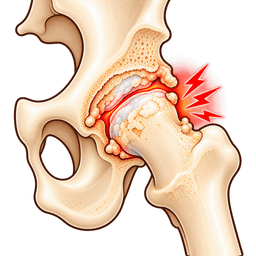
Hip
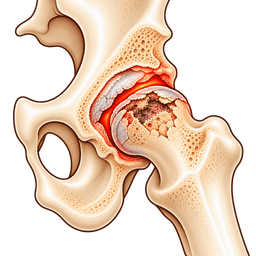
Hip Osteoarthritis
Hip osteoarthritis is the gradual loss of the smooth cartilage that lines the ball-and-socket hip joint. It causes groi…
Hip
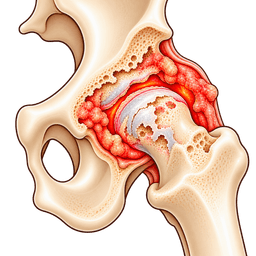
Avascular Necrosis of the Hip
Avascular necrosis of the hip happens when the blood supply to the top of the thigh bone is reduced, so part of the bon…
Hip
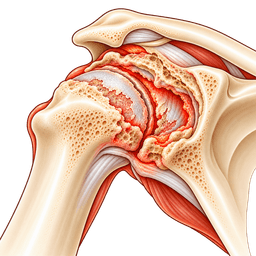
Rheumatoid Arthritis of the Hip
Rheumatoid arthritis of the hip is an autoimmune inflammation of the hip joint lining that erodes cartilage and bone. I…
Hip
Post-Traumatic Hip Arthritis
Post-traumatic hip arthritis is joint wear that develops after an injury to the hip, such as a socket fracture, a dislo…
Hip
Hip Dysplasia
Hip dysplasia means the socket of the hip is too shallow to hold the ball of the thigh bone securely. The joint then ov…
Hip
Femoroacetabular Impingement
Femoroacetabular impingement is a hip condition in which the ball and the socket are shaped so that they pinch against…
Hip
Hip Labral Tear
A hip labral tear is a rip in the ring of soft cartilage that lines the rim of the hip socket. It can cause groin pain,…
Hip
Hip Bursitis
Hip bursitis is irritation and swelling of a small fluid-filled cushion (bursa) beside the hip, most often over the bon…
Hip
Hip / Femoral Neck Fracture
A hip fracture is a break in the top of the thigh bone (femur), most often just below the ball of the hip joint. It usu…
Unsure about your diagnosis? Get a second opinion.
A subspecialist reviews your imaging and reports and tells you plainly whether surgery is indicated.