



Laminectomy in Turkey
Laminectomy in Turkey is a spine operation that removes the bony roof and thickened ligament behind a tight spinal canal. It frees squeezed nerves and eases leg pain and walking limits. A typical plan takes 7 days, with 2 hospital nights.
Partner package
v2 · valid to 30 janv. 2027$6,000 – $9,500
Laminectomy - All-inclusive package
- In Turkey
- 7 days
- Hospital
- 2 nights
- Follow-up
- 12 months
Key takeaways
- 1Laminectomy removes the lamina, the bony arch at the back of a vertebra, plus thickened ligament, so a narrowed spinal canal gives the nerves more room.
- 2The operation usually takes about 90 minutes under general anaesthesia, and most patients stay 2 nights in hospital before they walk out with a physiotherapist's plan.
- 3A planned trip for laminectomy in Turkey takes about 7 days, which covers scan review, surgery, hospital nights, a wound check and clearance to fly.
- 4Leg pain and walking distance often improve first, while numbness and weakness can take months to settle, and some changes stay.
- 5The main recovery phase lasts about 8 weeks, and most people return to desk work within 1 to 3 weeks if they feel ready.
- 6Physiotherapy, medicines and injections come first, and surgery suits people whose symptoms limit life despite them or whose nerves show progressive damage.
- 7New leg weakness, loss of bladder or bowel control or saddle numbness needs an emergency department at once, not a flight.
Laminectomy in Turkey: an overview
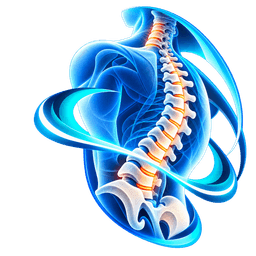
Laminectomy is a spine operation that removes part or all of the lamina, which is the flat bony arch at the back of a vertebra, together with thickened ligament. This opens up the spinal canal and takes pressure off the nerves. This guide explains laminectomy in Turkey for adults, including who needs it and what the trip involves. It is general information, not personal medical advice.
What does laminectomy fix?
Your spinal cord and nerve roots travel through a bony tunnel called the spinal canal. With age, discs flatten, joints grow bony spurs and the ligament at the back of the canal thickens. The tunnel narrows, and doctors call this spinal stenosis. In the lower back it often squeezes the bundle of nerves that run to your legs.
The result is leg pain, heaviness, tingling or weakness when you stand or walk. Many patients must stop and lean forward on a trolley or bench to ease it. Laminectomy lifts off the bone and ligament that press on the nerves. You can read about the condition in our pages on spinal stenosis and lumbar radiculopathy.
How does it differ from other spine operations?
A laminectomy takes away bone and ligament from the back of the spine. A microdiscectomy removes a disc fragment, and a fusion joins vertebrae with screws and rods. Some patients need laminectomy alone. Others need a fusion too, if a vertebra slips or the spine is out of line. Your surgeon decides from your scans.
Alternatives for stenosis include time, activity changes, physiotherapy, nerve pain medicines and epidural steroid injections. Surgery comes into view when these no longer control the symptoms, or when the nerves show clear damage.
What does the Turkey pathway look like?
Our standard plan for laminectomy in Turkey takes about 7 days, including 2 hospital nights. The operation takes roughly 90 minutes. The main recovery phase lasts about 8 weeks, with gains continuing for up to a year. Patients with sudden severe nerve problems need emergency care at home, not travel. Our laminectomy procedure page gives a clinical summary, and a free record review tells you whether you fit the pathway.
Why patients choose laminectomy in Turkey
Patients choose laminectomy in Turkey for a short wait, a coordinated pathway and spine teams that decompress narrowed canals every week. The reasons are access, experience and a single clear plan from scan review to follow-up. Below we explain how each one applies to this operation.
Why do patients with stenosis look at Turkey?
Walking limits are hard to live with. Some people cannot shop, queue or take a dog out for ten minutes. In some health systems the wait for a decompression can run to many months, and private costs are high. Turkish private hospitals often offer a date within weeks of an approved scan review, so you can plan around work and family.
The operation needs only two hospital nights for most patients. That keeps the trip short and the package clear, and it helps people who cannot spend weeks abroad.
What experience does the surgical team bring?
Spinal decompression is a core operation for Turkish spine surgeons. Our partner surgeons treat lumbar stenosis often, and they use magnification, either loupes or an operating microscope. Careful technique lowers the risk of a tear in the sleeve around the nerves. We can ask each surgeon how many decompressions they do each year, and you should ask too.
Many teams also use nerve monitoring when they fuse the spine, and an X-ray check to confirm the correct level. Our current partner hospitals for this procedure are in Istanbul and Ankara. Izmir and Antalya are available on request.
Which techniques are common?
Surgeons choose between a full open laminectomy, a limited window cut called a laminotomy and a tube-based minimally invasive approach. Some leave the midline structures in place and decompress from one side, which can protect stability. Your surgeon explains why the chosen route suits your canal shape. If your spine is slipping or leaning, they may add screws and rods, as in spinal fusion in Turkey.
Is it easy to arrange laminectomy in Turkey?
Yes, because your coordinator handles the steps. We review your MRI, answer within 48 hours, and prepare a written fixed-price package with validity dates. You get an interpreter, airport and hospital transfers and 12 months of remote follow-up. Direct flights from many European and Gulf cities keep travel simple. Our guide on why patients choose Turkey adds background.
- Short wait for an operating date after your records are approved.
- Surgeons who decompress narrowed canals every week.
- One coordinated plan from MRI review to remote follow-up.
- A clear written quote that lists what you pay for.
Accredited hospitals
JCI or equivalent accreditation with dedicated international patient departments.
High-volume surgeons
Fellowship-trained subspecialists who perform this operation weekly.
Fixed-price packages
Surgeon, implants, hospital stay, transfers and follow-up in one price.
Direct flights
Istanbul connects to 300+ destinations; Antalya and Izmir add coastal recovery.
What the laminectomy package in Turkey includes
Inclusions are contractually fixed with the partner hospital. Compare like with like when you evaluate other quotes.
Included
- Surgeon and anaesthetist fees
- Surgical consumables
- 2 nights private room
- Pre-operative tests
- In-hospital physiotherapy
- Airport and hospital transfers
- Coordinator and translation
- 12-month remote follow-up
Not included
- Flights
- Hotel
- Companion costs
- Travel insurance
Other packages
- Laminectomy - Premium package$6,900 – $10,950
Laminectomy cost in Turkey compared with other countries
The laminectomy cost in Turkey depends on the number of levels treated, whether a fusion is added, the room category and the length of stay. A Turkish package is usually lower than a private quote in the UK, US or Germany, but the reasons are practical and do not mean weaker care. The live price comparison chart on this page shows current ranges, and our laminectomy cost guide explains the details.
What drives the cost of laminectomy?
The first driver is the number of levels. Decompressing one level costs less than three, because the operation runs longer and needs more supplies. The second driver is fusion. If your surgeon adds screws and rods, the implants and extra operating time raise the cost. The third is the approach: open, tube-based or endoscopic.
Other elements include general anaesthesia, the room category, 2 hospital nights, scans, blood tests, physiotherapy and any drain or brace. A transparent quote lists each item and states which ones depend on findings during surgery.
How is a Turkey package built?
A typical package covers surgeon and hospital fees, two hospital nights, anaesthesia, routine tests, scans, inpatient physiotherapy, airport transfers, hotel nights, an interpreter, a coordinator and 12 months of remote follow-up. The written quote says what it includes and excludes, and it carries a validity date.
Why is it lower in Turkey, and is that safe?
Staff, premises and many running costs are lower in Turkey. Hospitals treat a steady flow of spine patients, and the exchange rate helps patients who earn in pounds, euros, dollars or Gulf currencies. None of this means weaker infection control or poorer supplies. Be balanced, though. A low quote proves nothing about quality, and a very low quote deserves questions.
What should you compare between quotes?
Quotes for spinal stenosis surgery in Turkey differ in what they include, so compare them line by line.
- The number of levels, and whether a fusion could be added.
- The approach and the magnification the surgeon uses.
- Hospital nights, room type and anaesthesia.
- Scans and nerve monitoring.
- Follow-up, and the plan if you need help after you fly home.
Which costs can hide outside the quote?
Ask about extra nights, medicines beyond the discharge supply, additional levels found during surgery, fusion hardware if your plan changes and treatment for a complication. Ask about flights, insurance and hotel upgrades. We list these items clearly. You can ask for a personal quote on our quote page.
Typical self-pay range by country
Laminectomy in Turkey vs the UK, US and Germany
Turkey often offers faster access and a lower total cost for laminectomy, while the UK, US and Germany offer care close to home and familiar legal routes. The right choice depends on your symptoms, your fitness and your support at home. This section compares them fairly, including when staying home is better.
How do Turkey, the UK, the US and Germany compare?
| Factor | Turkey | UK | US | Germany |
|---|---|---|---|---|
| Waiting time | Often weeks after record approval | NHS waits can be long, private slots vary | Usually short with insurance approval | Usually short |
| Cost structure | One package, lower in total | Private fees high, NHS free at point of care | Highest, with several bills | Moderate to high, mostly insured |
| Surgeon choice | Choice among partner surgeons | Limited on the NHS | Wide choice | Wide choice |
| Technology | Microscopes, navigation and monitoring available | Modern in major centres | Modern and widespread | Modern and widespread |
| Aftercare logistics | Remote follow-up, local physiotherapy at home | Local follow-up | Local follow-up | Local follow-up |
| Legal and insurance | Cross-border claims are harder | Clear local routes | Clear local routes | Clear local routes |
When is staying home the better choice?
Stay home if your nerve symptoms are changing fast, if your local team can operate within a reasonable time, or if you have heart or lung disease that needs close monitoring. Also stay home if your insurance pays for care at home and you cannot manage a flight so soon after surgery. A trip adds travel strain to a healing back.
How does waiting time shape the decision?
Stenosis usually progresses slowly, so a short delay rarely harms you. A long wait does hurt your life, though, because walking limits spread to shopping, family trips and sleep. That is why many patients ask about planned laminectomy in Turkey. Severe or fast-changing weakness is different, and it needs urgent care at home.
How does aftercare differ?
At home, your surgeon sees you in person at every visit. After treatment abroad, your Turkish team follows you remotely for 12 months, and your local doctor and physiotherapist provide hands-on care. Plan for this before you book. Our guide to follow-up after returning home explains how it works.
What about legal and insurance matters?
If something goes wrong, your rights differ from country to country. Many home insurers do not cover complications after treatment abroad. Check your policy, buy suitable travel insurance and ask about revision terms in writing. Our spine surgery specialty page gives wider context.
Is laminectomy in Turkey right for you?
You may be a good candidate for laminectomy in Turkey if MRI confirms a tight canal that matches your leg symptoms, and if other treatments have not given you a useful life. You should not travel if you have an emergency nerve problem or you are too unwell to fly. This section covers both.
Who should not travel?
Some problems need an emergency department near you, not a trip. Do not travel if you have any of these.
- New or fast-worsening leg weakness, such as a foot that drags.
- Loss of bladder or bowel control, or trouble passing urine.
- Numbness in the saddle area between your legs.
- Fever, severe unrelenting back pain or a known infection.
- Unstable heart or lung disease, or uncontrolled diabetes or blood pressure.
The first three can mean serious pressure on the nerves and need surgery within hours or days, close to home.
Who is a good candidate?
- An adult with leg pain, heaviness or walking limits that match MRI findings.
- Symptoms that persist after several months of physiotherapy, medicines and, where suitable, injections.
- Pain that stops you walking more than a short distance.
- A clear plan for rehabilitation and for local follow-up.
- Good enough health for general anaesthesia and a short flight.
Which treatments come first?
Most doctors try conservative care for at least 3 to 6 months. This means walking programmes, physiotherapy, a stationary bike (leaning forward often eases symptoms), nerve pain medicines, weight control and sometimes an epidural steroid injection. Injections help some people for weeks or months, but they do not widen the canal. If these steps fail, laminectomy becomes an option. If your pain comes from a disc fragment, microdiscectomy in Turkey may fit better.
What should you ask your surgeon?
- Which levels need treatment, and why?
- Do you expect laminectomy alone, or a fusion too?
- Which technique will you use, and how often do you use it?
- How do you manage a tear in the nerve sleeve?
- How long until I can walk, drive and work?
- What is the plan if my spine needs more surgery later?
Our guide to questions to ask before surgery abroad gives more ideas.
Best cities in Turkey for laminectomy
Laminectomy in Turkey runs through Istanbul and Ankara for now, because those two cities hold our current partner hospitals for this operation. Izmir and Antalya stay available on request. The right base depends on how far you can sit in a car, how cold the season is and what your surgeon wants to see at the first review.
Where does each city fit a spinal stenosis patient?
- Istanbul: partner hospitals, two airports and the most direct flights. The fewest connections suit a stiff, aching back.
- Ankara: partner hospitals and a large university medical scene. Inland, calm and compact.
- Izmir: on request. An Aegean port with long, flat seafront paths.
- Antalya: on request. A Mediterranean resort with a long warm season and many step-free hotels.
Is Istanbul the easiest choice after a decompression?
For most people, yes. Direct flights into Istanbul Airport (IST) or Sabiha Gokcen (SAW) spare you a connection, and a connection means more standing, more sitting and more lifting. The city is huge, though. A drive from airport to hospital can take well over an hour in heavy traffic, so your coordinator books arrivals outside rush hour. Read more on laminectomy in Istanbul and spine care there.
When does Ankara work better?
Ankara suits patients who prefer a quiet, hospital-centred week with little sightseeing temptation. Distances are short, and the pace is slower. In winter, frost and icy pavements raise the risk of a fall while your leg or foot is still numb or weak, so ask your coordinator about the weather before you book. Our Ankara city page lists the practical details.
What about a seaside week in Izmir or Antalya?
A coastal base becomes useful once your wound is dry and your surgeon allows daily walks. Flat promenades are ideal for the nerve-recovery phase. Soft sand, steep hotel stairs and low pool loungers are not. We confirm the hospital and surgeon for these cities before you commit to anything.
How do you move between airport, hospital and hotel?
A driver meets you at arrivals and takes you to the hospital or hotel. Ask for a car rather than a low minibus, because getting out of a deep seat pulls on a fresh surgical wound. Request a stop every 45 minutes on longer drives so you can stand and stretch. The Turkey orthopedics overview shows how the hospital network links these cities.
Hospitals offering laminectomy in Turkey
Antalya Yaşam Hospital
Private hospital in Muratpaşa, Antalya, with an orthopedics and traumatology department
BHT Clinic Istanbul Tema Hospital
Large private hospital in Atakent, Küçükçekmece, with an orthopedics and traumatology unit
Biruni University Hospital
University hospital in Küçükçekmece, Istanbul, with a published orthopedics and traumatology department
Surgeons for laminectomy in Turkey
Independent profiles with training, memberships, volumes and hospital affiliations.
Preparing for laminectomy in Turkey
Good preparation for laminectomy in Turkey means sending a clear MRI, finishing your tests and arriving fit and calm. The better your records, the faster the surgeon can confirm the plan. This section lists what to send, what to do and how to set up your home.
Which records and scans should you send?
- MRI of the lumbar spine, ideally from the last 12 months, as image files and as the written report.
- Standing X-rays of the lower back, including flexion and extension views if you have them, which show slipping.
- CT scan or nerve conduction tests, if your doctor ordered them.
- Your medicine list, including blood thinners, steroids and nerve pain tablets.
- Letters about injections, physiotherapy and earlier spine surgery.
- Recent blood tests and a note about heart, lung or diabetes problems.
Upload them for our medical record review. You receive a free answer within 48 hours.
Which tests happen before surgery?
The hospital repeats key tests on arrival. These include blood tests, a heart tracing for older patients, a chest check when needed and, sometimes, a fresh MRI or X-ray. The anaesthetist reviews your health, your medicines and any past reaction to anaesthesia.
What should you ask about medicines?
Always ask your surgeon before you stop or start any medicine. Blood thinners such as warfarin, apixaban, clopidogrel and aspirin matter most, because spinal bleeding can press on nerves. Do not stop them on your own, since stopping can be dangerous if you have a stent or an irregular heartbeat. Tell the team about anti-inflammatories, diabetes medicines and herbal products too.
How can you get ready physically?
Stop smoking if you can, ideally several weeks before surgery, because smoking slows healing. Aim for a steady weight, good sleep and enough protein. Treat skin problems on the back and dental infections first. Prehabilitation helps: short daily walks, a stationary bike with a forward lean, gentle core activation and hip stretches, all within your pain limits. Our treatment planning guide explains how we sequence the steps.
How should you set up your home?
Prepare a firm chair with arms, a raised toilet seat if you need one, and a place to sleep that suits side lying. Put daily items between waist and shoulder height. Move rugs and clear paths. Arrange help with shopping, cooking and lifting for the first two weeks.
What does the 4-week countdown look like?
- Four weeks before: send your MRI, finish your record review and ask your doctor about blood thinners.
- Three weeks before: book flights and travel insurance, and begin gentle prehabilitation.
- Two weeks before: complete blood tests, stop smoking and arrange your companion.
- One week before: set up your home, pack and confirm transfers.
- Travel week: carry your records, medicines and scan files in hand luggage.
Your laminectomy journey in Turkey: 7 days, step by step.
A typical timeline. Your coordinator adapts it to your flights, your surgeon's schedule and your recovery.
- Before you travel1Before you travel
Medical record review
You send your MRI, X-rays and medicine list. The coordinator and surgeon review them within 48 hours, confirm the levels and decide whether laminectomy alone fits.
- Before you travel2Before you travel
Travel and fitness planning
You agree the dates, book flights and insurance, arrange a companion and prepare your home. You receive your written quote, itinerary and hospital details.
- Day 13Day 1
Arrival in Istanbul
A driver meets you at the airport and takes you to your hotel. You rest, walk a little and meet your interpreter and coordinator.
- Day 24Day 2
Hospital assessment
You visit the hospital for blood tests, a heart check and a fresh scan if needed. The surgeon examines your legs, reviews the images and explains the plan and the risks.
- Day 35Day 3
Admission and surgery
You fast, meet the anaesthetist and go to the operating room. The operation takes about 90 minutes under general anaesthesia, and you wake in recovery.
- Day 46Day 4
First day after surgery
A physiotherapist helps you stand and walk. The team checks your legs, your wound and your pain, and reviews your medicines.
- Day 57Day 5
Discharge
After the second night, the surgeon checks your wound and legs and discharges you. You return to the hotel with a medicine plan and a movement sheet.
- Day 68Day 6
Rest and check
You rest, walk short distances and attend a wound check. The team confirms that you can travel and gives you your records.
- Day 79Day 7
Fly home
A driver takes you to the airport. You move often during the flight, drink water and keep your records with you.
- Weeks 2 to 1210Weeks 2 to 12
Remote follow-up
You report pain, walking and wound progress, and your local physiotherapist takes over. The team follows you for 12 months.
Your hospital stay for laminectomy in Turkey
You usually spend two nights in hospital after laminectomy, and you walk on the first day. This section explains each step from admission to discharge. Your surgeon and anaesthetist decide the exact plan, and their instructions always come first.
What happens on admission?
You arrive on the morning of surgery after fasting for about 6 to 8 hours, or as the team tells you. A nurse checks your pulse, blood pressure and oxygen levels and confirms your name and the levels to treat. The surgeon marks the skin, and you sign consent forms with an interpreter. Ask every question first.
Which anaesthesia will you have?
Laminectomy uses general anaesthesia, so you sleep through the operation. The anaesthetist places a breathing tube, monitors you closely and gives pain medicine as you wake. Some teams add a local anaesthetic around the wound to reduce soreness. Tell the team about past problems with anaesthesia, sleep apnoea or heart disease.
What does the surgeon do, step by step?
- You lie face down on a padded frame that keeps your belly free, which lowers bleeding.
- An X-ray check confirms the correct level.
- The surgeon makes a midline cut of about 3 to 8 centimetres, depending on the number of levels.
- They move the back muscles to each side to reach the lamina.
- Using a drill and fine bone tools, they remove the lamina and the thick ligament, often with a microscope or loupes.
- They check that the nerve sac and roots lie free and pulse, and widen the side channels where each nerve leaves.
- They control bleeding, sometimes leave a small drain and close the layers with stitches.
The operation lasts about 90 minutes for one or two levels, and longer for more.
What happens in the first hours?
You wake in recovery, where nurses check your legs, breathing and pain every few minutes at first. Tell them straight away about new weakness or numbness. You then move to your room, and you can drink and, soon after, eat. A urine catheter, if used, comes out early.
How do the team control pain and start movement?
You get regular paracetamol, plus stronger medicine for the first days, and nerve pain tablets if needed. Many people notice that leg pain eases quickly, while the wound feels sore. A physiotherapist teaches you to roll like a log, sit up from your side and stand without twisting. You usually walk with help on the first day.
What are the discharge criteria?
- Your leg strength is stable or better.
- You walk safely, with a frame or stick if needed.
- Your pain is controlled by tablets.
- You pass urine and open your bowels normally, or the team is happy with your progress.
- Your wound looks dry, and any drain is out.
Our guides to hospital admission and surgery day give more detail.
Recovery after laminectomy in Turkey
The main recovery after laminectomy takes about 8 weeks, with gains continuing for up to a year. Leg pain often eases early, while strength and stamina return more slowly. This section sets out each phase in a table you can print. Follow your surgeon's instructions if they differ.
What does the recovery timeline look like?
| Phase | What you can do | What to avoid |
|---|---|---|
| Days 1 to 2 in hospital | Stand, walk with help, rest on your side or back | Twisting, bending, lifting, long sitting |
| Days 3 to 7 in Turkey | Short walks every hour, gentle breathing, hotel rest | Sitting for over 30 minutes, lifting, low sofas |
| Weeks 1 to 2 | Walks of 10 to 20 minutes, light home tasks, desk work for some | Lifting more than a kettle, bending and twisting |
| Weeks 2 to 6 | Longer walks, stationary bike, physiotherapy, driving when safe | Heavy lifting, running, twisting sport |
| Weeks 6 to 8 | Core and hip strengthening, swimming if cleared | High-impact activity, heavy gardening |
| Months 3 to 12 | Return to full activity as the surgeon allows | Ignoring new weakness or pain |
What is laminectomy recovery in Turkey like?
Laminectomy recovery in Turkey follows the same steps as at home, with a few extra days on site for checks. Early walking is the single most useful habit.
How should you care for the wound?
Keep the dressing clean and dry, and follow the nurse's advice on showering, often after about 2 days with a waterproof dressing. Do not soak in a bath or pool until the wound seals, typically 2 to 3 weeks. Stitches or clips come out around 10 to 14 days, or dissolve. Watch for redness, heat, swelling or fluid, and tell your coordinator.
What activity limits apply?
Walk early and often, but avoid bending, lifting and twisting for the first 2 to 6 weeks. Use your legs, not your back, to pick things up. Change position every 30 minutes. A brace is not routine after simple laminectomy, but your surgeon may advise one. Sleep on your side with a pillow between your knees if that feels better.
When can you return to work, drive and play sport?
Desk work is often possible after 1 to 3 weeks, if you can sit and stand as needed. Heavier work needs 6 to 12 weeks, and your surgeon decides. You can drive when you turn your trunk safely, brake hard without pain and no longer take sedating medicine, usually after 2 to 4 weeks. Golf, running and lifting wait for your surgeon's agreement.
When is it safe to fly home?
Most people fly home on day 6 or 7, after the wound check. Flying raises clot risk, so walk the aisle every hour, drink water, wear compression stockings if advised and take an aisle seat. Our guide to flying after surgery and our rehabilitation guide add detail.
Aftercare at home after laminectomy in Turkey
Aftercare for laminectomy continues at home through walking, physiotherapy and scheduled contact with your team. Your local doctor handles hands-on checks while your Turkish team follows you remotely for 12 months. This section explains the handover and the warning signs.
What does follow-up look like?
Typical contact comes at about 2 weeks, 6 weeks, 3 months and 12 months, but your surgeon sets the schedule. You send a short report on leg pain, walking distance, strength and wound healing. Your coordinator may ask for photos of the scar or a new scan. Your local doctor sees you in person.
How do physiotherapy and exercise fit in?
Start local physiotherapy after about 2 to 6 weeks, or when your surgeon agrees. A good plan covers walking, core stability, hip and leg strength, balance and safe lifting. Build up walking distance step by step, since this is the best guide to progress. Avoid deep forward bends under load. See our spine hub for related reading.
What should you expect from your wound and medicines?
Expect a scar of a few centimetres, tender at first. Take your pain medicines as directed and reduce them as pain falls. Nerve pain medicines may continue for weeks. Constipation from strong painkillers is common, so eat fibre and drink water. Your surgeon decides about blood thinners and anti-inflammatories.
What warning signs need urgent care?
- New or worsening leg weakness, or a foot that drags.
- Loss of bladder or bowel control, or numbness in the saddle area.
- A severe headache when you stand that eases when you lie down, which can mean a fluid leak.
- Fever, chills, or a wound that leaks, swells or turns red.
- Chest pain, sudden breathlessness or a painful swollen calf, which can mean a blood clot.
If you have any of these, go to your nearest emergency department, say you had spine surgery and then contact your coordinator.
How do the teams handle complications?
Your Turkish team reviews your reports and advises your local doctors. If you need urgent care at home, your local hospital treats you and we send records on request. Ask about revision terms in writing, since they vary. Our follow-up guide lists the handover documents.
What records should you give your local doctor?
Take your operation note, the levels treated, your discharge letter, scan files before and after surgery and your medicine list. Keep a digital copy. These papers let any doctor understand your spine within minutes.
Laminectomy in Turkey: results and success rates
Most people who have laminectomy for stenosis report better leg pain and a longer walking distance. Success means more freedom to stand and walk, with less pain, not a spine that feels twenty years younger. This section explains realistic expectations.
What does success look like?
Many patients notice that leg pain eases within days or weeks. Walking distance often grows over the following months. Doctors measure success with a pain scale, a disability questionnaire, a walking test and your use of painkillers. Back pain improves less reliably than leg pain.
Which symptoms improve first?
Leg pain and heaviness usually improve first. Numbness and tingling can take months and sometimes stay. Weakness depends on how long the nerve was squeezed, and long-standing weakness may not fully recover. Early surgery for progressive weakness gives nerves the best chance.
What affects the result?
- How long and how severely the nerves were squeezed.
- The number of levels and whether the spine is stable.
- Smoking, weight, diabetes and general health.
- Your rehabilitation and daily walking.
- How closely the scan findings match your symptoms.
How long do results last?
Many patients keep good relief for years, since the removed bone and ligament do not grow back in the same form. Stenosis can recur at the same level or appear at neighbouring levels as the spine ages, and a minority of patients need further surgery over the years. Slippage can follow if the spine is unstable, which is why surgeons check for it before they operate. See spinal decompression in Turkey for related options.
When might laminectomy not work?
The operation may fail to relieve pain that comes from a hip, a joint, a disc or nerve disease such as diabetic neuropathy. This is why careful examination and scan matching come first. A good surgeon will say no when the findings do not fit.
Is laminectomy in Turkey safe?
Laminectomy in Turkey is safe when a licensed hospital, an experienced surgeon and careful selection come together. Like any spine operation, it has real risks. This section explains how to check a provider, what the risks are and how teams manage them.
Is laminectomy in Turkey safe?
Turkish hospitals hold a licence from the Ministry of Health, and some also hold JCI (Joint Commission International) accreditation. Ask your coordinator which accreditation applies. Our partner hospitals are accredited partner hospitals, and the hospitals page shows the wider network. Is laminectomy in Turkey safe for you? A scan review and medical check answer that.
How do you check the surgeon?
Ask about spine training, yearly numbers of decompressions, the rate of tears in the nerve sleeve and the rate of reoperation. Ask what magnification and nerve monitoring they use. Compare answers across profiles on our surgeons page. A confident surgeon gives clear numbers and plain answers.
What do the best hospitals for laminectomy in Turkey have in common?
The best hospitals for laminectomy in Turkey publish their licence and accreditation, run a dedicated spine team, keep intensive care back-up and give you a written plan. They also record every product used and keep your imaging for review.
What are the real risks of laminectomy?
- A tear in the dura, the sac around the nerves, which can leak spinal fluid. Surgeons repair most tears at once, and you may lie flat for a day or two.
- Infection of the wound or deeper, which is uncommon.
- Bleeding or a blood collection that presses on nerves, which is rare and needs urgent surgery.
- Nerve injury, weakness or numbness, which is rare.
- Spinal instability or slipping after bone removal, which may need a fusion later.
- Blood clots in the legs or lungs, lowered by early walking and clot prevention.
- Anaesthetic complications and persistent pain.
How do teams reduce infection and clots?
The team uses sterile drapes, skin cleaning and an antibiotic dose before the cut. Early walking, leg exercises, fluids and, for higher-risk patients, stockings or blood thinners cut clot risk. Hospitals record every implant or product batch, so your records stay traceable.
Which red flags suggest a poor provider?
- Pressure to pay a deposit before a record review.
- No MRI review, or a plan that ignores your health problems.
- Promises of perfect results or no risk at all.
- Refusal to say which levels, which technique or which surgeon.
- No written quote, no follow-up plan or no answer about complications.
When you feel ready, request a free record review and personal quote.
Travel and accommodation for laminectomy in Turkey
Laminectomy in Turkey means a flight within days of an operation on your spine, so the trip needs more care than a holiday. Choose a direct route, ask for help with your bag, and keep a companion close. The notes below cover entry rules, flight times, airports, hotels, insurance and timing.
What entry rules apply to your passport?
Entry depends on nationality. Some travellers walk in visa-free, while others apply for an e-Visa online before departure. Check the government e-Visa portal or your embassy for your own passport, and confirm how long your passport must remain valid. Do this before you pay for flights.
Which flights and airports suit a back patient?
Turkish Airlines connects Istanbul with many European, Gulf and North American cities, often without a stop. Expect roughly 3 hours from Frankfurt, 4 from London, 4 to 5 from the Gulf and about 10 from New York. Istanbul Airport (IST) handles most long-haul traffic, and Sabiha Gokcen (SAW) sits on the Asian side. Turkey stays on GMT+3 all year, so jet lag is mild from Europe.
How do you sit on the plane without hurting your spine?
Take an aisle seat, stand and walk for a few minutes every hour, and do your ankle pumps in between. Pack your pain tablets in hand luggage, and take them on schedule rather than waiting for pain. Ask airport staff for a wheelchair or buggy through the long terminals. A companion should lift every case, because your surgeon will forbid heavy lifting for weeks. Our travel and accommodation guide adds a packing list.
What should your hotel room have?
Look for a lift, a firm mattress, a bathroom with a walk-in shower and a sturdy chair with arms. Your package covers the hotel nights, and your coordinator proposes places close to the hospital. Avoid rooms up a flight of steps and beds that sag in the middle.
Who should come with you?
One adult companion makes a real difference. They carry luggage, spot new weakness or fever, and help you rise from bed. The companion guide explains what to expect from the hospital stay.
What about insurance, cash, language and weather?
Take travel insurance that names pre-existing conditions and surgical complications. Cards work well in big cities, but a little cash helps in taxis and small shops. Your interpreter covers hospital conversations, and hotel reception staff usually speak English. Spring and autumn feel mild. Summer heat tires you, and winter ice is a hazard, so pack shoes with good grip.
Want a plan for your own scan results? Send us your MRI for a free review.
Laminectomy in Turkey: your questions
Is laminectomy in Turkey safe?
How long do you stay in Turkey for laminectomy?
When can I fly home after laminectomy?
Is there an age limit for laminectomy?
How do I choose a hospital for laminectomy in Turkey?
Does laminectomy hurt?
What is the difference between laminectomy and spinal fusion?
What happens if something goes wrong when I am back home?
Do I need a companion?
When can I return to work and sport after laminectomy in Turkey?
Will laminectomy cure my spinal stenosis?
Is laminectomy better done at home or abroad?
Sources for laminectomy in Turkey
Peer-reviewed guidance and institutional sources used to write and review this page.
- 01
- 02Lumbar spinal stenosis
AAOS OrthoInfo, 2025
https://orthoinfo.aaos.org/en/diseases--conditions/lumbar-spinal-stenosis/
- 03
- 04
- 05Turkey travel advice
UK Foreign, Commonwealth and Development Office, 2025
https://www.gov.uk/foreign-travel-advice/turkey
- 06Turkey e-Visa application system
Republic of Turkey Ministry of Foreign Affairs, 2025
https://www.evisa.gov.tr/en/
- 07Travelling abroad for medical treatment
NHS, 2025
https://www.nhs.uk/using-the-nhs/healthcare-abroad/going-abroad-for-treatment/
Your laminectomy in Turkey plan, reviewed by a surgeon.
- 01Upload imaging after you submit; we send a secure link.
- 02A subspecialist reviews and confirms the plan within 48 hours.
- 03You receive a written opinion and a fixed package price with validity dates.
- 04No fee, no obligation.
Prefer to talk? Open the full contact page.
Benchmark prices are estimates from approved records and are not quotes. Turkey partner prices are contracted with validity dates and may change between versions. Medical information on this page is educational and does not replace a consultation with a qualified clinician. .