Key takeaways
- 1Elbow arthroscopy looks inside the joint through 2 to 5 small cuts, and the surgeon can treat loose bodies, bone spurs, stiffness, inflamed lining and some cartilage injuries in the same sitting.
- 2The operation usually takes about 60 minutes and is most often a day case, with 0 hospital nights.
- 3Most people return to desk work within 1 to 2 weeks, regain most movement by 6 weeks and need 3 to 4 months before sport or heavy lifting feels comfortable.
- 4The elbow is a tight, crowded joint with nerves close to the skin, so elbow arthroscopy is more demanding than knee or shoulder arthroscopy and is best done by a surgeon who performs it regularly.
- 5Elbow arthroscopy risks include temporary nerve numbness, stiffness, fluid leaking from a portal and, rarely, infection or a lasting nerve injury.
- 6It helps best for mechanical symptoms such as locking and catching, and for stiffness caused by spurs, and it is less predictable for widespread arthritis.
- 7Planned elbow arthroscopy in turkey can suit stable patients who send full scans and can stay for 5 to 7 days before flying home.
Overview
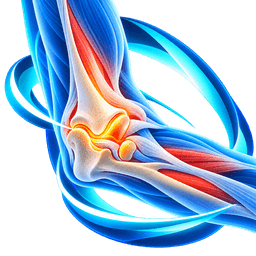
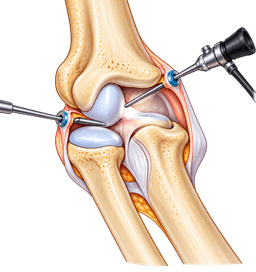
Elbow arthroscopy is a keyhole operation in which the surgeon looks inside the elbow joint with a small camera and treats problems with fine instruments, instead of opening the joint with a large cut. It usually takes about 60 minutes and most people go home the same day. The same procedure can be called arthroscopic elbow surgery or, informally, an elbow scope.
What is elbow arthroscopy?
An arthroscope is a thin metal tube holding a lens and a light. It connects to a video screen, so the surgeon sees the cartilage, the lining of the joint and the bone surfaces magnified many times. Through other small cuts, called portals, the surgeon passes a shaver, a burr, a small grasper or a radiofrequency probe.
The joint is filled with sterile saline so the soft tissues float away from the bone and the view is clear. Because the cuts are about 5 to 10 mm long, there is less scarring and usually a faster early recovery than with open surgery.
Why is elbow arthroscopy more difficult than other joints?
The elbow is small. A healthy joint holds only about 20 to 25 mL of fluid, and the capsule is tight. The ulnar nerve, the median nerve, the radial nerve and its deep branch, and the main artery of the arm all lie within a few millimetres of the working area. A slip can matter more than in the knee.
For this reason, surgeons mark the nerves on the skin, fill the joint to push the capsule away from them, and choose portal positions with care. Experience counts, and it is reasonable to ask how many elbow scopes your surgeon performs each year.
What problems does elbow arthroscopy treat?
Common targets are loose pieces of bone or cartilage that catch and lock the joint, bony spurs at the tip of the olecranon or coronoid that block full movement, and a stiff elbow after injury. It is also used to remove inflamed lining in inflammatory arthritis, to treat cartilage lesions such as osteochondritis dissecans in young throwers, and to wash out an infected joint.
Some surgeons also treat tennis elbow that has not settled by releasing the damaged tendon origin through the scope, and they may check for an associated plica. For golfer's elbow, the scope is mainly used to look for other causes of pain inside the joint. Early arthritis is covered on the elbow osteoarthritis page.
How does elbow arthroscopy work?
The surgeon inserts the camera through one portal and works through a second. They inspect the joint in a fixed order: the front compartment, the radial head and capitellum, and then the back compartment with the olecranon and its fossa. Loose bodies are found and removed, spurs are trimmed with a burr, scar bands are cut and inflamed lining is shaved away.
When stiffness is the problem, the surgeon cuts the tight front capsule and clears the bone blocks that stop straightening or bending. The aim is to restore a functional arc of motion, often described as around 30° to 130°, which covers most daily tasks.
Is elbow arthroscopy major surgery?
No, it counts as minor to moderate surgery. The cuts are small and no implant is needed. Yet it still needs an anaesthetic, a nerve block and a rehabilitation plan, and a complex stiffness release is a bigger job than a simple loose-body removal. The scope also cannot fix every problem, and the surgeon may switch to an open approach if the findings require it.
What is the difference between elbow arthroscopy and open surgery?
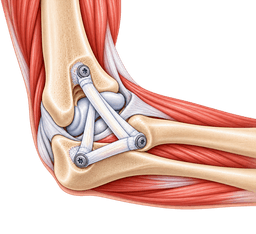
Open surgery gives the surgeon direct access and a wide view, which is needed for fractures, ligament reconstruction and replacement. Keyhole surgery avoids a large wound, leaves less scar tissue and permits earlier movement, but it is limited to what small instruments can reach. See elbow fracture surgery and total elbow replacement for examples where open surgery is chosen. You can browse the full elbow section for other options.
Who should think twice about elbow arthroscopy?
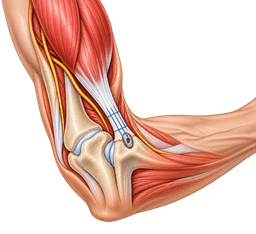
People whose pain is mostly from widespread, advanced arthritis, from referred neck pain or from an irritated nerve may not gain much. Elbow arthroscopy is not a cleaning procedure that cures arthritis. If numbness in the little finger is the main complaint, ulnar nerve decompression may be the right operation instead. For a torn biceps tendon, see distal biceps repair, which needs a different approach.
You can read about elbow arthroscopy in turkey and the elbow arthroscopy cost guide when you are ready to compare options.
Conditions treated
Who it's for
- Locking, catching or a sudden sharp pain in the elbow caused by a loose body, confirmed on a CT scan or MRI.
- A stiff elbow that cannot fully straighten or bend after an injury, where a bony spur or scar blocks movement but the joint surface is still reasonably healthy.
- Early to moderate osteoarthritis with spurs and mechanical symptoms, such as pain at the end of straightening in a manual worker.
- Osteochondritis dissecans of the capitellum in an adolescent or young adult thrower, where a fragment is loose or unstable.
- Tennis elbow that has failed 6 to 12 months of structured treatment, when a surgeon recommends a tendon release.
- Inflamed joint lining, or synovitis, from inflammatory arthritis that has not responded to medicines and injections.
- A suspected infection inside the joint that needs urgent washout, which is an emergency and is done close to home.
- Persistent pain at the back of the elbow caused by impingement of the olecranon in throwers.
Good candidates
Good candidates for elbow arthroscopy have a clear mechanical problem that matches the scan, symptoms that have not settled with sensible non-surgical care, and realistic expectations. A person with a locked elbow caused by a loose body is a very different case from a person with an aching joint and normal imaging.
Who is a good candidate for elbow arthroscopy?
The best candidates are people with locking, catching, a blocked end range of motion or a painful spur, where examination and imaging point to the same cause. Stiffness after injury is also a typical reason, especially when the cartilage is still good. Younger throwers with a cartilage defect are another group.
Who may need open surgery instead?
Severe stiffness with scarred nerves, a previous ulnar nerve transposition, major deformity or marked bone loss may be safer through an open approach. Surgeons may also advise open surgery for complex fractures or ligament problems. People with advanced arthritis and a poor surface may be offered replacement or other reconstruction options rather than a scope.
Who should not have elbow arthroscopy?
Elbow arthroscopy is generally avoided when there is an active skin infection around the elbow, when the main complaint is nerve-related, when the scan is normal and the cause of pain is unclear, and when a patient cannot take part in exercises afterwards. People who expect a keyhole operation to cure severe arthritis should also hear a frank discussion first.
| Situation | Surgery likely appropriate | Non-surgical first | Not advised |
|---|---|---|---|
| Locked elbow with loose body | Yes, usually soon | Rarely helpful | Waiting for months while the joint stays locked |
| Stiff elbow after injury | Yes, if therapy fails | Supervised stretching for 3 to 6 months | Aggressive forced manipulation |
| Tennis elbow, long-standing | Sometimes | Yes, at least 6 to 12 months | Surgery in the first weeks |
| Advanced arthritis | Limited role | Yes, medicine and injections | Expecting full cure |
| Numb little finger only | No, other operation | Splint and activity change | Scope for the wrong problem |
How is the decision made?
The surgeon takes a history, tests the range of motion and nerve function, and reviews X-rays, CT or MRI. A diagnostic injection is sometimes used to separate joint pain from tendon pain. The conversation covers what the scan shows, what the surgery can and cannot change and how many months of rehabilitation to expect. Our treatment planning guide shows how we support this step.
Before surgery
Preparation for elbow arthroscopy concentrates on getting the diagnosis right, mapping the nerves and bone, and arranging help at home. Most people can proceed within a few weeks of the decision, and there is no need for a long fitness programme beforehand, unless your general health calls for it.
What imaging and tests are needed?
Standard X-rays show spurs, joint space and old fractures. A CT scan with fine slices is excellent for showing loose bodies and bone blocks, and the surgeon can plan portals and cuts from it. MRI shows cartilage, tendon and lining. Some surgeons add an ultrasound to check for tendon tears or ulnar nerve position.
Blood tests, an ECG and a chest check are done according to your age and health. People with inflammatory arthritis may need a medicine plan, since some drugs are paused around surgery.
How should I prepare for elbow arthroscopy?
- Do gentle range-of-motion work if your surgeon agrees, because a loose, less swollen elbow is easier to operate on.
- Stop smoking, since nicotine delays wound healing and increases infection risk.
- Tell the team about blood thinners, anti-inflammatory tablets, steroids and allergies.
- Take photographs of your elbow position at full straightening and full bending to compare progress afterwards.
- Prepare a recliner or stack of pillows, a set of easy clothing and ice packs.
What should I send for a remote review?
Send X-rays and CT or MRI images in their original format, along with the written reports, a short history of injuries and treatments, current medicines and any previous elbow operations. Include measured movement if a therapist has recorded it. Our medical record review guide lists what is helpful, and you can ask for a personal quote at any time.
Which medicines and habits need attention?
Some arthritis drugs, blood thinners and supplements such as fish oil or high-dose vitamin E change bleeding or healing, so ask which to pause and for how long. Alcohol in the 24 hours before surgery is best avoided. If you use a brace or strap for tendon pain, bring it. Shave nothing near the elbow yourself, because small skin nicks raise infection risk, and report any rash or insect bite on the arm before the date.
How do I plan work and home life?
Most desk workers need 1 to 2 weeks off, although heavy manual workers need 6 to 12 weeks off or light duties. If your dominant arm is operated on, plan help with dressing, cooking and writing for the first week. Book therapy sessions before surgery so that exercises begin on day 1 or 2. If you take care of children, line up assistance for lifting.
What if I plan surgery abroad?
Arrange travel only for planned surgery, and only when your elbow is stable and there is no sign of infection or a locked joint that needs urgent washout. Allow a few days before the operation for tests and at least 5 to 7 days afterwards. Read the travel and accommodation guide and our list of questions to ask before surgery abroad.
How the operation is performed
The surgeon inflates the joint with saline, makes 2 to 5 small portals around the elbow, inspects every compartment with the camera and treats the problem with a shaver, burr, grasper or probe. Closure uses 1 stitch or a strip per portal, and a soft dressing is applied. The operation usually takes about 60 minutes.
How is anaesthesia given for elbow arthroscopy?
General anaesthesia combined with a regional nerve block is typical, so you are asleep and the arm is numb for several hours. A nerve block alone with sedation is possible in selected patients. The choice depends on position, length of the operation and your own preference. A block makes the first evening much more comfortable, though it also hides early nerve warning signs, so the team checks nerve function once it wears off.
How are you positioned?
Three positions are common. In the lateral decubitus position you lie on your side with the arm held over a padded bar. In the prone position you lie face down with the arm hanging off a support. In the supine position you lie on your back with the arm suspended in a holder. Each gives good access to the back of the elbow, and surgeons choose the one they know best. A tourniquet on the upper arm is usually inflated for much of the case.
What happens in an elbow arthroscopy step by step?
- The skin is marked with the bony landmarks, the ulnar nerve and the planned portals.
- Saline is injected into the joint through the soft spot, a small depression at the back of the lateral elbow, to distend the capsule.
- The first portal is made, usually on the inner side for the front compartment, and the camera is inserted.
- A second portal is created from inside out or outside in, under direct vision, to protect the nerves.
- The surgeon inspects the joint in a set sequence and takes pictures.
- Loose bodies are grasped and removed, spurs are burred down, scar bands are cut and inflamed lining is shaved.
- For stiffness, the tight front capsule is released and bone blocks are cleared until full movement is possible.
- The joint is washed, portals are closed and a dressing and sling or soft splint are applied.
How long does elbow arthroscopy take?
A diagnostic look and a loose-body removal can take 30 to 45 minutes. A stiffness release or a throwing-athlete procedure often runs 60 to 90 minutes. The typical figure is about 60 minutes of operating time. The total day-case visit lasts around 4 to 7 hours from arrival to discharge.
Which portals are used?
Portals are named by their position. Anteromedial and anterolateral portals give access to the front of the joint, and the proximal versions are safer for nerves because they lie higher on the arm. The posterior and posterolateral portals reach the back compartment and the olecranon fossa. The soft spot portal is used for the radiocapitellar joint. Surgeons select portals according to the problem, and they use the safest ones for the nerves.
| Procedure | Main steps | Typical time | Main caution |
|---|---|---|---|
| Loose body removal | Find and grasp fragments, trim the bed | 30 to 45 minutes | Missed fragments in the back or front |
| Osteophyte trimming | Burr spurs at olecranon and coronoid | 45 to 60 minutes | Over-resection or a nerve near the burr |
| Contracture release | Capsulectomy, bone clearing | 60 to 90 minutes | Nerve injury and persistent swelling |
| Cartilage lesion treatment | Debridement, microfracture or fixation | 60 to 90 minutes | Slow recovery of the surface |
| Tennis elbow release | Release of damaged tendon origin | 30 to 45 minutes | Damage to lateral ligament |
How is the elbow kept safe from nerve injury?
Before any cut, the surgeon draws the course of the ulnar nerve on the skin and checks whether it slips forward when the elbow bends. Filling the joint lifts the capsule away from the nerves at the front. Portals are made with a blunt trocar and only through the skin first. Some surgeons use proximal portals, which sit higher and farther from the nerves, and they avoid forceful shaver work near the capsule.
Why does the scope sometimes change the plan?
The camera sometimes shows more than a scan did, such as a thin cartilage flap or scar behind the radial head. A good team discusses these possibilities with you in advance, signs a consent that covers them and keeps changes within the agreed plan. If the findings call for a different operation, the surgeon usually stops and explains rather than extending the case.
How does the surgeon decide what to do inside the joint?
The surgeon follows what the camera shows. If a loose body sits in the front, they remove it. If a spur blocks the olecranon in a thrower, they trim it. If cartilage is worn, they smooth it and may stimulate bone marrow to encourage a repair layer. If the findings are more serious than the scan suggested, they will have discussed in advance whether to stop or continue.
What happens at the end of the operation?
Fluid is expressed from the joint, portals are closed with a single stitch or strips, and a local anaesthetic is often injected for comfort. A bulky dressing keeps the elbow stable, and some surgeons insert a small drain for stiffness cases. You wake in recovery with the arm raised and numb.
Hospital stay
Elbow arthroscopy is nearly always a day case, with 0 hospital nights. You arrive fasted, have the operation, rest in recovery for 1 to 2 hours and are usually home the same afternoon or evening with a dressing, a sling and written instructions. An overnight stay is a precaution for people with other health problems or for a long stiffness release.
What happens on the day of surgery?
You meet the anaesthetist and surgeon, the elbow is marked and a checklist is completed. After the operation the nurse checks colour, warmth and finger movement every 15 minutes in the first hour. Many patients are surprised how soon they can eat and drink, and they leave the ward within 2 to 3 hours of waking.
How is pain controlled after elbow arthroscopy?
The block usually lasts 8 to 12 hours, and local anaesthetic in the joint adds comfort. Start tablets before the numbness fades: paracetamol, an anti-inflammatory if safe for you and a short course of a stronger painkiller for the first 2 to 3 days. Elevate the elbow on a pillow above the heart and use ice through a cloth for 20 minutes at a time.
When can you go home?
You can leave once you are awake, eating, passing urine and in good control of pain, and the hand is warm with normal colour and movement. A physiotherapist or nurse teaches you the first exercises, usually gentle elbow bending and straightening, forearm turning and finger movement. You also receive wound advice and a number to call.
How is the wound looked after?
Keep the dressing clean and dry for the first 48 hours, then replace it with a light plaster as advised. Small portal wounds may leak a pink watery fluid, which is the joint fluid and blood-stained saline, for 1 to 3 days. This is expected, but increasing redness, heat or cloudy discharge needs a call. Stitches are removed at around 10 to 14 days.
What should international patients know?
International patients can travel for planned elbow arthroscopy when scans are complete and the diagnosis is firm. Plan 5 to 7 days in the destination, covering a wound check and the first therapy sessions, and carry your report and images home. Short flights are usually acceptable after about a week if swelling is controlled; see flying after surgery. Learn about hospital admission, surgery day, our partner hospitals, surgeon profiles and the orthopedics in turkey overview.
Recovery
Recovery after elbow arthroscopy takes about 6 weeks for the wounds and early movement to settle, and 3 to 4 months before heavy lifting and sport feel normal. The pace depends on what was done: loose-body removal recovers fastest, while a stiffness release asks for several weeks of daily exercises to keep the gains.
What should I expect in the first week?
The elbow feels tight and swollen, and the forearm may look bruised. A dull ache is usual and settles over 3 to 7 days. Movement starts at once in most cases, because early motion keeps scar from limiting the range. Keep the arm high, move the fingers, wrist and shoulder, and use ice. Expect a little leakage from the portals in the first days.
How does physiotherapy help after elbow arthroscopy?
Therapy is the main driver of a good result. In the first 2 weeks you work on bending, straightening and forearm rotation, with a focus on gaining the last few degrees. From about 2 to 4 weeks you add gentle strengthening and begin using the arm for light daily tasks. After 4 to 6 weeks, grip, triceps and biceps work and shoulder control are built up. Our rehabilitation guide explains how a plan is set out, and follow-up after returning home covers remote reviews.
After a stiffness release, some surgeons use a continuous passive motion machine or a splint at night for 4 to 6 weeks to hold the gains. Follow those instructions closely.
What does normal healing look like at 2, 6 and 12 weeks?
At 2 weeks the portals are healed, swelling is falling and you can use the hand for light tasks. At 6 weeks most patients have close to their final range of motion and have returned to desk work or light duties. At 12 weeks strength is returning, mild morning stiffness may remain, and sport or manual work is being phased in.
| Activity | Typical time | Notes |
|---|---|---|
| Desk work | 1 to 2 weeks | Elevate the arm and take movement breaks |
| Driving | 2 to 3 weeks | Only with full control and no pain |
| Light lifting under 2 kg | 4 to 6 weeks | Increase gradually |
| Gym and swimming | 6 to 8 weeks | Avoid heavy presses and pulls at first |
| Throwing and racket sport | 3 to 4 months | Staged programme with strength checks |
| Heavy manual work | 2 to 3 months | Depends on the original problem |
What can I do to protect my results at home?
Set a daily routine: warm the elbow in a shower, do 3 to 4 short exercise sessions, then ice for 15 minutes. Record your measured straightening and bending in a notebook every week, so a plateau is spotted early. Avoid sleeping on the operated arm, and do not push the elbow past the point of sharp pain. If movement stalls for 2 weeks, ask your therapist to review the programme.
Why do some people keep a bit of swelling?
The elbow joint reacts strongly to surgery. Capsule swelling, fluid and scar can persist for 3 to 6 months, particularly after stiffness release or arthritis work. A warm elbow after exercise does not mean something is wrong, but increasing pain, redness or fever does.
How should I manage sleep and daily life?
Sleep propped up on 2 or 3 pillows for the first week, with the arm resting on a cushion at heart height. Dress the operated arm first and undress it last. Shower with a waterproof cover once the surgeon permits. Use the other hand for tasks, but let the operated hand do light activities such as holding a phone, because use within comfort keeps movement alive.
What are the warning signs?
Contact your team for fever, spreading redness, pus, a wound that keeps leaking after 3 days, a hand that becomes pale, cold or blue, new numbness or weakness in the fingers that does not clear as the block wears off, or severe pain that tablets do not control. A calf that becomes swollen and painful needs urgent attention too.
Can I fly after elbow arthroscopy?
Short flights are usually fine after about 7 days, if the wounds are dry and swelling is under control. Keep the arm raised, avoid lifting luggage and move your fingers. Check your surgeon's advice and read our flying after surgery guide.
Recovery timeline
- Rest and elevate1Rest and elevate
Days 0–3
Keep the elbow raised on pillows above heart height, take regular painkillers and use ice through a cloth. Start finger, wrist and shoulder movement straight away. Gentle bending and straightening within comfort begins as taught. Expect a pink fluid on the dressing. Keep the dressing dry until the team advises otherwise.
- Early motion2Early motion
Days 4–14
Swelling and pain begin to fall. Continue gentle range-of-motion work several times a day. The dressing is replaced by a light plaster and stitches come out around day 10 to 14. Desk work and light typing may restart. Driving is not yet safe. Avoid carrying anything heavier than a cup.
- Gain movement3Gain movement
Weeks 2–4
Aim for full extension and flexion, with forearm rotation in both directions. Some people use a night splint to hold the straightening. Light daily tasks return. Add gentle isometric strengthening for the triceps and biceps. Driving may restart when you have control and comfort at the wheel.
- Light strengthening4Light strengthening
Weeks 4–6
The wounds are healed and most of the range of motion is back. Begin bands and light weights of about 1 to 2 kg, with careful control. Return to light duties at work is usual. Swimming and cycling on flat ground may start if the elbow is comfortable and not swollen.
- Build strength5Build strength
Weeks 6–12
Progress to heavier resistance and functional exercises such as pushing, pulling and carrying. Shoulder and core work support the elbow. Gym training resumes without heavy lifts. A throwing programme starts in athletes after strength checks.
- Return to sport and heavy work6Return to sport and heavy work
Months 3–4
Heavy manual work, racket sports and throwing return in stages as strength nears the other arm. Slight stiffness at the extremes may remain. Keep stretching, and report any new locking, since a fresh loose body needs assessment.
- Final gains7Final gains
Months 4–12
Swelling and ache gradually fade. Some people keep a small loss of the last degrees of straightening. Maintain exercise habits to protect the result, and attend scheduled reviews with your surgeon.
Outcomes and success rates
Most people who have elbow arthroscopy for mechanical symptoms report less pain, less catching and better movement afterwards. Success is defined by the symptom treated: a locked joint that moves freely, a stiff elbow that gains useful range or a thrower who returns to sport. Results are less predictable when the surgery is done for generalised arthritis pain.
What does a successful elbow arthroscopy look like?
For loose bodies, success means that the locking stops and the joint moves smoothly. For stiffness, success is a gain in functional movement, often to within the 30° to 130° arc that covers most daily tasks. For cartilage lesions, success is pain-free throwing or work. The elbow rarely becomes perfect, but most patients are satisfied if the main symptom has gone.
What is the elbow arthroscopy success rate?
Studies suggest most patients with mechanical symptoms from loose bodies or spurs improve and are satisfied. For stiffness, most gain several tens of degrees of movement, although a part of the gain can be lost if therapy lapses. Outcomes after arthroscopy for arthritis and tennis elbow vary more between studies. Your surgeon can give a realistic expectation for your diagnosis.
What factors improve results?
- A diagnosis that matches the scan and the symptoms.
- Removal of the full cause, such as every loose body and the bone block.
- Early movement and committed physiotherapy.
- Control of swelling and sensible activity pacing.
- Avoiding smoking and managing diabetes or inflammatory disease.
What factors reduce results?
Advanced arthritis, severe long-standing stiffness, previous elbow surgery and heavy scarring reduce the chance of a large gain. Missed therapy is a major reason for loss of movement. Throwers who return to full loading too early may experience recurrence, so the staged programme matters.
What do patients usually say afterwards?
Satisfaction is generally good when the symptoms treated were mechanical. People often describe the end of a nagging catch, a longer reach to the back pocket or being able to straighten the arm to carry a shopping bag. Disappointment is more likely when the expectation was a pain-free arthritic joint. A frank pre-operative talk and a clear goal, such as regaining 20° of straightening, make the result easier to judge.
How long do the benefits last?
For loose body removal, the benefit usually lasts, unless the underlying arthritis creates new fragments. After a stiffness release, much of the improvement tends to hold if you keep moving the elbow. In arthritis, symptoms can return as the disease progresses, and further surgery may be considered. Some patients need a second look in time.
When is revision needed?
Repeat surgery is considered for recurrent locking, return of stiffness or persistent pain with a clear target on scans. Larger problems may call for open release, elbow ligament reconstruction or another operation. A second scope is not the default answer to every setback. It depends on a clear mechanical reason.
Implants and technology
Elbow arthroscopy uses a compact set of tools: a small-diameter arthroscope, a fluid pump, shavers, burrs, graspers and radiofrequency probes. No implant is normally left behind. Good imaging and careful fluid control make it possible to work safely in a joint that holds only a few millilitres.
What does the arthroscope look like?
Most elbow scopes use a 2.7 mm or 4 mm rod-lens telescope with a 30° or 70° angled lens. The smaller sizes fit the tight space, and the angled lens lets the surgeon see around corners. The camera is high definition, and the screen allows the surgeon and the team to see the same view.
How is fluid pressure managed?
Saline is delivered by gravity or by a pump that keeps pressure low. Too much pressure can force fluid into soft tissue and cause swelling around the nerves, and too little leads to a dark, bloody view. The team monitors this carefully, and a tourniquet is used for a clear field. Many surgeons keep the case time short for that reason.
Which instruments remove bone and tissue?
Motorised shavers, with a suction port, remove inflamed lining and soft scar. A burr smooths bone and shaves spurs. Small baskets and graspers pick out loose bodies, and radiofrequency probes seal bleeding vessels and shrink tissue. Retractors can protect the nerves in front of the capsule during a stiffness release.
Are there implants or anchors?
Mostly, no. In selected cartilage operations small pins, screws or bioabsorbable fixation may secure a fragment, and microfracture picks stimulate a repair layer without any hardware. If a stabilising or tendon operation is combined, anchors may be used. Ask your surgeon what will remain in the elbow.
How is the operating room set up?
A tower holds the camera, light source and fluid pump, and the screen faces the surgeon. The arm is held by a padded positioner or suspended with traction of 2 to 3 kg. A sterile drape isolates the field, and the team checks the tourniquet pressure and time. Everything is arranged so the surgeon can switch quickly to an open approach if needed.
Does imaging help during the operation?
Preoperative CT and MRI guide the plan, and a fluoroscopy C-arm can confirm the position of a pin or the extent of bone removal. Some centres use 3D models of the elbow from CT to rehearse a complex stiffness release. There is no robot or navigation system in routine use for elbow arthroscopy.
Risks and how they are managed
All surgery carries risk. Partner hospitals follow enhanced-recovery and infection-prevention protocols, and your surgeon will discuss the risks specific to your case before consent.
- Temporary nerve numbness: the ulnar, radial, median or skin nerves can be stretched, bruised or affected by the nerve block and fluid. Most cases settle in days to weeks. Safe portal placement and low fluid pressure lower the risk.
- Lasting nerve injury: a cut or burned nerve is rare but serious, and the reason the surgeon marks nerves and distends the joint. Surgeons with elbow experience have lower rates.
- Stiffness: scar tissue can limit movement, particularly after a stiffness release or heavy swelling. Early exercises, night splints and prompt review reduce it.
- Portal drainage: fluid can leak from a portal for several days, and a persistent leak, called a fistula, is uncommon. Good closure and rest of the arm help it to close.
- Infection: a joint infection is rare after planned arthroscopy. Skin preparation, antibiotics and dry wounds lower the risk, and early treatment protects the joint.
- Bleeding and swelling: a bruise is common, and a large blood collection is rare. A tourniquet and careful haemostasis limit it.
- Persistent pain: some people remain sore, especially with arthritis, or because the cause of pain was not entirely inside the joint. A clear diagnosis before surgery lowers the chance.
- Missed or recurrent loose bodies: fragments hiding in corners may be missed, or new ones form in arthritis. CT planning and a thorough inspection reduce this.
- Complex regional pain syndrome: a rare pain and swelling disorder of the arm after surgery or injury. Early movement and prompt treatment help.
- Anaesthetic and clot risks: nausea, nerve-block problems and blood clots are uncommon in arm surgery. The anaesthetist reviews your health and plans accordingly.
Alternatives
- Activity change and physiotherapy: rest from provoking movements, stretching and strengthening are the first step for most elbow complaints, particularly stiffness and tendon pain.
- Anti-inflammatory medicines and injections: short-term pain relief for arthritis flare-ups or tendon problems. Steroid injections are used with caution, because they can weaken tendons.
- Bracing and splints: a counterforce strap for tennis elbow or a night splint for stiffness can help while therapy continues.
- Open surgery: chosen when the problem needs wide access, for example heavy contracture, complex fractures or major ligament surgery. It takes longer to heal but treats larger problems.
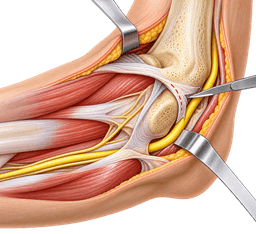
- Ulnar nerve surgery: when the main problem is numbness and tingling in the ring and little fingers rather than a joint problem, a nerve operation is appropriate; see <a href='/procedures/ulnar-nerve-decompression'>ulnar nerve decompression</a>.
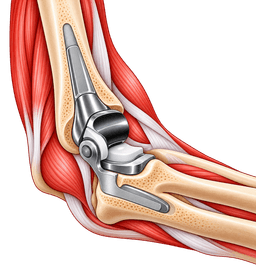
- Joint replacement or fusion-type options: considered for severe arthritis with a destroyed joint surface and persistent pain, such as <a href='/procedures/total-elbow-replacement'>total elbow replacement</a>.
What elbow arthroscopy costs
The contracted Turkey partner package next to approved self-pay benchmarks. Benchmarks are 20th–80th percentile ranges of approved records, normalised to USD.
Turkey package
$3,000 – $5,500
United Kingdom self-pay
$4,300 – $12,900
Germany self-pay
$3,750 – $11,250
Typical self-pay range by country
Surgeons who perform elbow arthroscopy
All surgeonsHospitals offering this procedure
Antalya Yaşam Hospital
Private hospital in Muratpaşa, Antalya, with an orthopedics and traumatology department
BHT Clinic Istanbul Tema Hospital
Large private hospital in Atakent, Küçükçekmece, with an orthopedics and traumatology unit
Biruni University Hospital
University hospital in Küçükçekmece, Istanbul, with a published orthopedics and traumatology department
Çankaya Hospital for Orthopedic Care
Çankaya Hospital for Orthopedic Care is an orthopedic hospital in central Ankara with robotic-arm assisted surgery
Sources and references
Peer-reviewed guidance and institutional sources used to write and review this page.
- 01Elbow Arthroscopy
American Academy of Orthopaedic Surgeons (OrthoInfo), 2023
https://orthoinfo.aaos.org/en/treatment/elbow-arthroscopy/
- 02
- 03
- 04
- 05
- 06