

Shoulder Arthritis Treatment: From Injections to Replacement
Learn about arthritis in shoulder treatments, from pain relief injections to physical therapy and when surgery like shoulder replacement may be necessary.
Key takeaways
- 1Shoulder arthritis causes joint pain and stiffness, often worsening over time.
- 2Initial arthritis in shoulder treatments focus on pain relief and improving movement.
- 3Injections can reduce inflammation but are not a permanent cure.
- 4Surgery, such as shoulder replacement, is considered when conservative treatments fail.
- 5Choosing surgery in Turkey offers quality care with shorter waiting times and transparent costs.

What is shoulder arthritis and how does it affect me?
Shoulder arthritis is a condition where the cartilage, which is the smooth tissue covering the ends of bones, wears away in your shoulder joint. The most common types are osteoarthritis (caused by wear and tear over time) and rheumatoid arthritis (an autoimmune condition where your immune system attacks the joint lining). Less common forms include post-traumatic arthritis (due to injury), and rotator cuff tear arthropathy (arthritis after a long-term rotator cuff tear).
When you have arthritis in the shoulder, the cartilage breaks down. This means the bones in your shoulder rub against each other. Without the smooth cartilage, movement is painful and stiff. You might notice pain deep in the joint, especially when you move your arm, lift objects, or try to reach overhead.
Common symptoms of shoulder arthritis include:
- Pain – often felt at the back or top of the shoulder, especially with movement.
- Stiffness – your shoulder feels tight, and you may struggle to reach or lift your arm.
- Grinding or clicking – you may hear or feel a crunching sound when moving the shoulder.
- Weakness – it may be hard to lift or carry things.
- Loss of movement – you may not be able to move your arm as far as before.
Symptoms often develop slowly and get worse over time. Early on, you may only notice pain after activity. As arthritis progresses, pain can become constant, even at rest or during sleep. Everyday tasks, like getting dressed or brushing your hair, may become difficult.
Shoulder arthritis can affect people in different ways. Some manage with mild discomfort, while others find it limits their daily life. The impact depends on which type of arthritis you have, how much cartilage is lost, and your overall health. If you have other joint problems, such as arthritis in your knees or hips, you may notice it affects your independence even more.
Shoulder arthritis does not only affect older adults. Younger people can develop it after injuries or due to certain medical conditions. If you notice ongoing pain or stiffness in your shoulder, it is important to see a doctor for assessment. Early diagnosis and treatment can help manage symptoms and slow down joint damage.
What causes arthritis in the shoulder?
Arthritis in the shoulder happens for several reasons. The most common cause is ageing. As you get older, the cartilage in your shoulder joint naturally wears down. This process is called degenerative joint disease or osteoarthritis. It is more common in people over the age of 50, but younger people can develop it too, especially after injury.
Other causes include:
- Previous injuries: A broken bone (fracture), shoulder dislocation, or severe sprain can damage the cartilage. Even after healing, these injuries can lead to arthritis years later. This is called post-traumatic arthritis.
- Inflammatory conditions: Rheumatoid arthritis and similar diseases cause the immune system to attack the joint lining, leading to swelling, pain, and cartilage loss. These conditions can affect people at any age.
- Rotator cuff tears: The rotator cuff is a group of muscles and tendons that stabilise your shoulder. If you have a large, long-standing tear, the joint can become unstable and develop arthritis (called rotator cuff tear arthropathy).
- Genetics: Some people are more likely to get arthritis because of the genes they inherit from their family.
- Overuse or repetitive movements: Jobs or sports that require repeated overhead movements may increase wear on the joint over time.
All these causes have a common result: cartilage breakdown in the shoulder joint. Cartilage acts as a cushion between the bones. When it wears away or is damaged, the bones rub together, causing pain and inflammation. Over time, this can lead to bone spurs (small bony growths), further limiting movement.
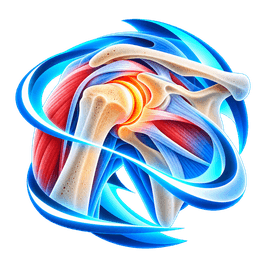
The main joint affected by arthritis in the shoulder is the glenohumeral joint. This is a ball-and-socket joint where the top of your arm bone (humerus) meets the shoulder blade (scapula). The acromioclavicular (AC) joint, where the collarbone meets the shoulder blade, can also develop arthritis, but glenohumeral arthritis is usually more disabling.
Understanding the cause of your shoulder arthritis helps your doctor choose the right treatment. For example, if arthritis follows a rotator cuff tear, the treatment plan may be different than for osteoarthritis from ageing. If you have a history of shoulder injury, mention it to your doctor, as it may affect your diagnosis and management.
What is glenohumeral shoulder joint arthritis?
Glenohumeral shoulder joint arthritis is a condition where the main ball-and-socket joint of your shoulder becomes worn or inflamed. The glenohumeral joint is the largest joint in your shoulder. It is formed where the round head of your upper arm bone (the humerus) fits into a shallow socket on your shoulder blade (the glenoid). This structure lets you move your arm in almost any direction—lifting, reaching, throwing, or rotating.
Arthritis in this joint most often means that the smooth, slippery cartilage covering the ends of the bones has started to break down. Cartilage is a tough tissue that lets your bones glide smoothly over each other. When it wears away, the bones begin to rub directly against each other. This causes pain, swelling, and stiffness. You might feel grinding, clicking, or catching when you move your arm, especially during overhead or twisting movements.
The main types of arthritis that can affect the glenohumeral joint are:
- Osteoarthritis: This is the most common type. It is caused by gradual wear and tear of the cartilage, usually with age or after an old injury.
- Rheumatoid arthritis: This is an autoimmune disease, where your immune system attacks the lining of your joints, causing inflammation and cartilage damage.
- Post-traumatic arthritis: This happens after a shoulder injury, such as a fracture or dislocation, even years later.
Common symptoms of glenohumeral shoulder joint arthritis include:
- Pain deep in the shoulder, often worse with movement or at night.
- Stiffness—your shoulder may feel tight or hard to move.
- Weakness—you may struggle to lift objects or reach overhead.
- Grinding, catching, or popping—you may hear or feel these as you move your arm.
- Swelling—the joint may look or feel swollen, though this is less obvious than in other joints like the knee.
The shoulder is unique because it relies heavily on muscles and tendons, especially the rotator cuff, for stability. When arthritis develops, these tissues have to work harder to keep the joint steady. Over time, this can lead to muscle fatigue, tendon irritation, or even tears.
There are two main joints in the shoulder that can develop arthritis: the glenohumeral joint and the acromioclavicular (AC) joint. The AC joint sits at the top of your shoulder, where the collarbone meets the shoulder blade. Glenohumeral arthritis usually causes more severe movement problems, while AC joint arthritis often causes pain at the very top of the shoulder, especially with reaching across your body.
| Shoulder Joint | Location | Main Movements | Common Symptoms |
|---|---|---|---|
| Glenohumeral joint | Ball-and-socket (arm bone and shoulder blade) | Lifting, rotating, reaching | Pain deep in shoulder, stiffness, grinding |
| Acromioclavicular (AC) joint | Top of shoulder (collarbone and shoulder blade) | Raising arm above head, across body | Pain on top of shoulder, tenderness, swelling |
Glenohumeral shoulder joint arthritis is often more disabling than AC joint arthritis. It can make everyday tasks—like brushing your hair, reaching for a shelf, or putting on a coat—very difficult. The severity of your symptoms depends on how much cartilage has worn away and how much inflammation is present. If you notice ongoing pain, loss of movement, or weakness in your shoulder, it is important to see a doctor for assessment. Early diagnosis and treatment can help slow the progression, manage your symptoms, and keep you active.
How is arthritis in the shoulder diagnosed?
Doctors diagnose arthritis in the shoulder by looking at your symptoms, examining your shoulder, and using scans. Getting an accurate diagnosis is important because it guides which treatments will work best for you.
What happens during a medical history?
Your doctor will start by asking about your symptoms. They may ask when your shoulder pain started, how severe it is, and what makes it better or worse. They will want to know if your pain is sharp or dull, if you have stiffness, and if your shoulder feels weak or unstable. You will also be asked about your general health, any past injuries, and family history of joint problems.
What does a physical exam involve?
Next, your doctor will examine your shoulder. They will look for swelling, shape changes, or tenderness. They may move your arm to check your range of motion (how far you can move it) and see if certain movements cause pain. They may press on parts of your shoulder to find where it hurts most. Weakness or clicking sounds may also be checked. Both shoulders are often examined to compare them.
Which imaging tests are used for shoulder arthritis?
If your doctor suspects arthritis, they may order imaging tests. The most common is an X-ray. An X-ray shows the bones and can reveal signs of arthritis, such as loss of joint space (where cartilage has worn away), bone spurs (extra bone growths), or changes in bone shape.
Sometimes, an MRI scan (magnetic resonance imaging) is used. An MRI gives a more detailed picture of the soft tissues, including cartilage, tendons, and muscles. This can help if your symptoms are not clear or if your doctor suspects a tear or other problem besides arthritis.
Are other tests needed?
Blood tests are not usually needed for osteoarthritis, which is the most common type of shoulder arthritis. However, if your doctor thinks you may have an inflammatory type of arthritis (such as rheumatoid arthritis), they may order blood tests to look for signs of inflammation or specific antibodies.
Why is an accurate diagnosis important?
Getting the right diagnosis is key for effective treatment. Some treatments work best for certain types of arthritis, and others may not help at all if the problem is a tendon tear or another condition. Accurate diagnosis also helps rule out other causes of shoulder pain, such as frozen shoulder, rotator cuff injury, or infection.
- Summary: Diagnosing arthritis in the shoulder relies on your history, a physical exam, and imaging like X-rays. Accurate diagnosis is vital to choose the best treatment and rule out other causes of pain.
What non-surgical arthritis in shoulder treatments are available?
Most people with arthritis in shoulder treatments start with non-surgical (conservative) options. These aim to relieve pain, improve movement, and help you stay active. Surgery is usually only considered if these treatments do not help enough or if your quality of life is severely affected.
What are the main non-surgical treatments?
- Painkillers (analgesics): Simple painkillers like paracetamol can help control pain. They do not slow the arthritis, but can make daily activities easier.
- Anti-inflammatory drugs (NSAIDs): Non-steroidal anti-inflammatory drugs (such as ibuprofen) reduce both pain and swelling. They can be taken by mouth or applied as gels to the skin. NSAIDs can help you move more comfortably, but are not suitable for everyone, especially if you have stomach, kidney, or heart problems.
- Physical therapy: A physiotherapist can teach you exercises to strengthen the muscles around your shoulder, improve flexibility, and reduce pain. Common techniques include gentle stretching, range-of-motion exercises, and resistance training. Other treatments, such as applying heat or cold, ultrasound, or massage, may also be used to ease discomfort.
- Activity modification: Changing the way you use your shoulder can prevent pain from getting worse. This might include avoiding heavy lifting, repetitive overhead movements, or sudden jerks. Learning to use your other arm for some tasks, or breaking activities into smaller steps, can also help.
- Assistive devices: Sometimes, slings, braces, or shoulder supports can help rest the joint and reduce pain during flare-ups. Special tools—like long-handled reachers or adapted kitchen gadgets—can make daily tasks easier and less painful.
- Weight management: Although not specific to the shoulder, maintaining a healthy weight reduces overall joint strain and inflammation throughout your body.
- Education and self-management: Understanding your condition, pacing your activities, and learning pain management strategies can empower you to live better with arthritis.
How do these treatments compare?
| Treatment | Main Benefits | Limitations |
|---|---|---|
| Painkillers | Quick pain relief, easy to take | Do not treat inflammation or joint damage |
| Anti-inflammatory drugs (NSAIDs) | Reduce pain and swelling | Can cause stomach upset or other side effects if used long-term |
| Physical therapy | Improves movement and strength, teaches safe ways to use shoulder | Requires time and regular effort, may be uncomfortable at first |
| Activity modification | Reduces strain, may prevent worsening | May limit some daily activities or hobbies |
| Assistive devices | Make tasks easier, reduce pain during activities | May feel awkward to use at first, not always needed |
| Weight management | Reduces overall joint stress, supports general health | Requires ongoing lifestyle changes |
| Education/self-management | Helps you cope, reduces fear, improves long-term outcomes | Needs motivation and support |
How do these treatments work?
Painkillers and NSAIDs act on your body's pain and inflammation pathways. They help you feel more comfortable, but do not repair damaged cartilage. Physical therapy works by strengthening the muscles that support your shoulder, improving blood flow, and keeping the joint flexible. Stronger muscles can take pressure off the joint, while regular movement helps reduce stiffness and maintain function. Activity modification reduces the chance of further joint damage by avoiding painful or risky movements. Assistive devices provide extra support during activities that cause discomfort.
How long do non-surgical treatments take to work?
Painkillers and NSAIDs usually start to work within hours to days. Physical therapy takes longer—most people notice gradual improvement over several weeks to months, depending on how severe their arthritis is and how regularly they do their exercises. Activity modifications can bring some relief right away, but lasting improvement depends on making these changes part of your routine.
Are these treatments right for everyone?
Most people with shoulder arthritis benefit from trying these options first. However, some people cannot use certain medicines, especially if they have other health issues like ulcers, kidney disease, or heart problems. Always check with your doctor before starting new medication. Physical therapy is safe for most people, but your programme should be tailored to your needs and abilities. If you have severe pain, sudden swelling, or loss of movement, see a doctor to rule out other problems.
Can these treatments stop arthritis from getting worse?
Non-surgical treatments can help manage symptoms and keep you active, but they do not reverse cartilage damage. They may slow the progression in some people by reducing strain and inflammation. Staying active, maintaining a healthy weight, and following your treatment plan can help preserve your shoulder function for as long as possible.
When should you consider other options?
If your pain and stiffness do not improve after several months, or if your shoulder symptoms stop you from doing daily activities, your doctor may discuss other options. These include injections or surgery, which are covered in later sections of this article. Severe pain at rest, night pain that disturbs your sleep, or significant loss of movement are signs that you may need a different approach.
- Summary: Most people with arthritis in the shoulder start with painkillers, anti-inflammatory drugs, physical therapy, and activity changes. These treatments help manage pain and improve movement, but may not stop arthritis from progressing. If symptoms remain severe, further options are available.
When are injections used in shoulder arthritis treatment?
Injections are considered for arthritis in shoulder treatments when pain and stiffness do not improve enough with simple measures like painkillers, rest, and physical therapy. They are often a next step if you still struggle with daily activities or sleep despite these basic treatments. Injections aim to reduce pain and swelling in the shoulder joint, helping you move more easily and stay active. They are not usually the first step in shoulder arthritis treatment but are considered when non-surgical options are not enough or when symptoms flare up and limit your quality of life.
Types of injections for shoulder arthritis
The two main types of injections used for arthritis in the shoulder are corticosteroid injections and hyaluronic acid injections. In some cases, new treatments for shoulder arthritis—such as platelet-rich plasma (PRP) or biological injections—may be discussed, but these are not yet established as standard care and evidence for their effectiveness is still limited.
Corticosteroid injections
Corticosteroids are powerful anti-inflammatory medicines. When injected directly into the glenohumeral shoulder joint (the main ball-and-socket joint of the shoulder), they can quickly reduce pain and swelling. Most people notice relief within a few days, and the effect may last from a few weeks to several months. The main goal is to manage symptoms, especially during periods when pain is severe or restricts movement.
- Benefits: Rapid pain relief, reduced inflammation, improved movement, may delay the need for surgery.
- Risks: Temporary increase in pain after injection, risk of infection, possible weakening of tendons, and thinning of joint cartilage if used too often. Rarely, there may be a temporary rise in blood sugar, especially in people with diabetes.
Doctors usually recommend limiting corticosteroid injections to three or four per year in the same joint. Overuse can increase the risk of side effects, including joint damage and infection. If you have diabetes or another health condition, your doctor may take extra precautions before recommending steroid injections.
Hyaluronic acid injections
Hyaluronic acid is a natural component of joint fluid that helps lubricate and cushion the joint. Injections of hyaluronic acid aim to improve lubrication and reduce pain, especially in osteoarthritis (the most common type of shoulder arthritis). Relief may develop slowly over several weeks, and the effect can last for several months in some people. However, studies show mixed results for their effectiveness in the shoulder, and they are not always offered as standard care in the UK.
- Benefits: May improve joint movement and reduce pain for some people, with fewer side effects than steroids.
- Risks: Mild pain or swelling at the injection site, rare risk of infection or allergic reaction. Some people do not notice much benefit.
Other injection options
Some clinics offer newer treatments for shoulder arthritis, such as platelet-rich plasma (PRP) or other biological injections. These use your own blood or cells to try to promote healing. At present, there is not enough strong evidence to recommend these injections for routine use in shoulder arthritis. If you are interested in these options, ask your doctor about the latest research and whether they are appropriate for your situation.
How are injections given?
Shoulder injections are usually done in a clinic or outpatient setting. The skin over the joint is cleaned, and a needle is carefully guided into the joint space. Sometimes, ultrasound imaging is used to help the doctor place the injection accurately, especially if the joint is difficult to access due to swelling or anatomy. The procedure is quick and most people can go home soon after. You may be advised to rest your shoulder for a day or two, avoid heavy lifting, and watch for any signs of infection (such as redness, warmth, or fever).
| Injection Type | How it works | Typical Relief | Main Risks |
|---|---|---|---|
| Corticosteroid | Reduces inflammation in the joint | Weeks to months | Infection, tendon damage, cartilage thinning |
| Hyaluronic acid | Improves joint lubrication | Months (varies) | Pain, swelling, rare allergy |
| PRP/biological | Promotes healing (uncertain) | Unclear; research ongoing | Pain, swelling, cost, uncertain benefit |
Injections are just one part of arthritis in shoulder treatments. They are most effective when combined with physical therapy, home exercises, and activity changes. If injections no longer help, or if you develop severe symptoms such as constant pain, night pain, or loss of movement, surgery may be considered. Always discuss the risks and benefits of injections with your healthcare provider to decide if they are right for you.
- If you develop sudden severe pain, fever, redness, or swelling after an injection, seek urgent medical care, as this could be a sign of infection.
What are the new treatments for shoulder arthritis?
There is growing interest in new treatments for shoulder arthritis. Many people want to avoid surgery or find options beyond standard medicines and injections. Some emerging treatments include platelet-rich plasma (PRP) and stem cell therapy. These are sometimes called "regenerative" treatments, as they aim to help the body heal or repair damaged tissues. However, it is important to know that these options are not yet standard care for arthritis in shoulder treatments.
Platelet-rich plasma (PRP) therapy
PRP therapy uses your own blood. A sample is taken, and then spun in a machine to separate out the platelets. Platelets are cells that help with healing. The concentrated platelets are then injected into your shoulder joint. Early research suggests PRP may help with pain and movement in some joint conditions, but there is not enough strong evidence yet to recommend it for shoulder arthritis. Most guidelines advise using PRP only in clinical trials or after other treatments have failed.
- Potential benefits: Uses your own cells, low risk of allergic reaction, may help some people with pain.
- Risks: Discomfort at the injection site, rare infection, cost (often not covered by insurance).
Stem cell therapy
Stem cell therapy involves taking cells from your body (usually bone marrow or fat) and injecting them into the shoulder joint. The idea is that stem cells could help repair cartilage or reduce inflammation. However, this treatment is still experimental for arthritis in shoulder treatment. High-quality studies are limited, and it is not clear yet how well it works or who might benefit most. Most medical organisations do not recommend stem cell therapy for shoulder arthritis outside of research settings.
- Potential benefits: May help with pain and healing, uses your own cells.
- Risks: Infection, pain, uncertain long-term effects, high cost.
Other emerging options
Other new treatments are being studied, such as special growth factors, gene therapy, and advanced physical therapy technologies. These are still in the early stages of research. If you are interested in new or experimental treatments, talk with your doctor about what is available in your area and what is supported by evidence.
In summary, while new treatments for shoulder arthritis are promising, most are not yet proven or widely available. Standard arthritis in shoulder treatments like physical therapy, medicines, and injections remain the main options. Surgery may be needed if these do not control your symptoms.
What is the best treatment for arthritis in the shoulder?
The best treatment for arthritis in the shoulder depends on several personal factors. These include the type and severity of your arthritis, your age, overall health, and how much your symptoms affect your daily life. There is no single treatment that works for everyone, so your plan should be tailored to your needs.
Conservative treatments come first
For most people, shoulder arthritis treatment starts with non-surgical options. These are called conservative treatments. They aim to relieve pain, reduce inflammation, and help you keep your shoulder moving. The main conservative treatments include:
- Physical therapy: Special exercises can strengthen the muscles around your shoulder, improve flexibility, and reduce pain.
- Pain relief medicines: Paracetamol or nonsteroidal anti-inflammatory drugs (NSAIDs) may help control pain and swelling. Always follow your doctor's advice for medicines.
- Activity changes: Avoiding activities that trigger pain can help. Your doctor or therapist can give you advice on safe ways to stay active.
- Hot or cold packs: These may offer short-term relief for some people.
Most guidelines recommend trying these options for several months before considering other treatments. Many people find their symptoms improve enough to avoid surgery.
Injections for persistent pain
If pain and stiffness do not improve enough with simple measures, your doctor may suggest an injection. These are usually corticosteroid injections (powerful anti-inflammatory medicines) delivered directly into the shoulder joint. Injections can provide weeks or months of relief for some people, but the effect is usually temporary. They are used to help you stay active or take part in physical therapy.
New and emerging treatments
Some people ask about new treatments for shoulder arthritis, such as platelet-rich plasma (PRP) or stem cell injections. At present, strong evidence for these is lacking. Most guidelines do not recommend them outside of research studies. Your doctor can discuss whether any new treatments may be suitable for you.
Surgery as a last resort
If your arthritis is severe and other treatments have not helped, surgery may be considered. The main surgical options for arthritis in the shoulder are:
- Shoulder replacement: The damaged parts of the joint are replaced with artificial parts. This is usually recommended for severe arthritis causing significant pain and disability.
- Shoulder arthroscopy: A minimally invasive procedure where a camera and small instruments are used to clean out the joint or remove loose fragments. This is less common for advanced arthritis but may help some people with mild disease.
Your suitability for surgery depends on your age, activity level, the condition of your shoulder, and your overall health. Surgery is not the best option for everyone.
How doctors decide on the best treatment
Your treatment plan is based on:
- The type of arthritis you have (osteoarthritis, rheumatoid arthritis, post-traumatic, etc.)
- How severe your symptoms are
- How much pain and stiffness affect your daily life
- Your age, general health, and activity level
- Your response to earlier treatments
Doctors work with you to set goals and choose options that match your needs and expectations. You may need to try several treatments before finding what works best for you.
| Treatment Option | Who It May Help | Expected Benefits |
|---|---|---|
| Physical therapy | Mild to moderate arthritis | Improves strength and movement, reduces pain |
| Pain relief medicines | Most people | Controls pain and swelling |
| Injections | Persistent pain despite therapy | Temporary relief for weeks to months |
| Shoulder replacement surgery | Severe arthritis, failed other treatments | Reduces pain, improves function |
If you are unsure what is best for your situation, talk to your doctor or a shoulder specialist. They can help you understand your options and likely outcomes.
When does arthritis in the shoulder require surgery?
Surgery for arthritis in the shoulder is usually only considered when other treatments have not worked and your symptoms are severe. The main goal is to relieve pain and restore function when day-to-day life is badly affected.
When to consider shoulder surgery
You may be a candidate for surgery if:
- You have severe or constant shoulder pain, even at rest or at night
- Your pain and stiffness make it hard to dress, wash, or do daily tasks
- You have tried non-surgical treatments (medicines, physiotherapy, injections) for several months without enough relief
- Your shoulder function is significantly limited and you cannot use your arm as you need
- X-rays or scans show advanced arthritis (such as loss of joint space or bone changes)
If these problems are affecting your quality of life, your doctor may discuss surgical options. Surgery is rarely urgent for shoulder arthritis, but it can make a big difference when pain and disability become overwhelming.
Types of surgery for shoulder arthritis treatment
| Type of Surgery | What It Involves | Who It May Help |
|---|---|---|
| Shoulder arthroscopy | Small incisions, camera and tools used to clean out the joint | People with mild arthritis, loose bodies, or early disease |
| Shoulder replacement (arthroplasty) | Replacing damaged bone and cartilage with artificial parts | People with severe arthritis and pain not relieved by other treatments |
| Other procedures (rare) | Includes partial replacement or bone resurfacing | Selected cases based on age and joint damage |
Shoulder replacement is the most common surgery for advanced shoulder arthritis. There are two main types:
- Total shoulder replacement: Both the ball (top of the arm bone) and socket (shoulder blade) are replaced. This is suitable for most people with severe arthritis and intact shoulder tendons.
- Reverse shoulder replacement: The positions of the ball and socket are switched. This is used if your shoulder tendons (rotator cuff) are badly damaged.
Arthroscopy is less invasive and may help some people with mild arthritis, but it is not usually effective for advanced disease.
Who is not a candidate for surgery?
Surgery may not be suitable if:
- You have only mild symptoms controlled by other treatments
- You have an active infection or serious medical problems that make surgery risky
- You are unable to follow the recovery and rehabilitation programme
Your doctor will assess your overall health and discuss the risks and benefits before recommending surgery.
What to expect from surgery
Surgery can relieve pain and improve movement, but it is not a cure for arthritis. Recovery takes time, and you will need physiotherapy to regain strength and function. Most people see significant improvement in pain and quality of life after successful surgery, especially with shoulder replacement.
If you want to learn more about surgical options, including travelling for care, our guide to shoulder replacement in Turkey explains the process in detail.
Decision-making with your surgeon
The decision to have surgery is always individual. You and your surgeon should discuss:
- Your symptoms and how much they affect you
- Your goals and expectations from surgery
- The risks and benefits of each surgical option
- What recovery and rehabilitation will involve
It is important to have realistic expectations and understand that even with successful surgery, your shoulder may not feel completely normal. However, for many people with severe shoulder arthritis, surgery can offer lasting relief and a return to normal activities.
What does shoulder replacement surgery involve?
Shoulder replacement surgery is a treatment for severe arthritis in shoulder when other options have not helped. In this operation, a surgeon removes the damaged parts of your shoulder joint and replaces them with artificial parts, usually made of metal and plastic. This can relieve pain and improve movement if your shoulder arthritis is advanced.
The procedure is usually done under general anaesthesia, so you are asleep and do not feel pain. The surgeon makes a cut on the front or side of your shoulder. They remove the damaged cartilage and bone, then fit the new artificial joint parts (prosthesis). The two main types are total shoulder replacement (replacing both sides) and hemiarthroplasty (replacing just the ball).
After surgery, you usually stay in hospital for a few days. You will start gentle movements with help from a physiotherapist. Most people use a sling for several weeks. Full recovery takes several months, but most people see steady improvement in pain and use of the arm.
Shoulder replacement is usually considered for people with severe pain, stiffness, or loss of function from shoulder arthritis, especially if daily life is affected and other treatments have not worked. It is less common in younger people because artificial joints may wear out over time.
Many patients consider shoulder replacement in Turkey because of high-quality care, shorter waiting times, and clear cost information.
What is the recovery like after shoulder arthritis treatments?
Recovery after arthritis in shoulder treatments depends on the type of treatment you have. Each approach has its own timeline, effects, and expectations. Knowing what to expect at each stage can help you plan your daily life, set realistic goals, and feel more confident about your care.
Conservative (non-surgical) treatments
For most people with shoulder arthritis, conservative treatments are the first step. These include pain medicines (such as paracetamol or non-steroidal anti-inflammatory drugs), physical therapy, and activity changes. You may notice some relief from pain and stiffness within a few weeks of starting regular treatment. Physical therapy programmes typically last 6 to 12 weeks, with exercises designed to improve shoulder strength, flexibility, and function. Some stiffness or mild pain may remain, but many people are able to return to most daily activities, adjusting as needed to avoid movements that trigger pain.
- Regular home exercises are important for maintaining improvements gained in therapy.
- You may need to avoid or modify overhead lifting, heavy carrying, or repetitive movements.
- Flare-ups of pain or stiffness can still occur, especially after increased activity or changes in weather.
Injections
Injections, such as corticosteroids or hyaluronic acid, can provide rapid pain relief—sometimes within a few days. The effect may last from a few weeks up to several months, depending on the type of injection and your individual response. After an injection, you may be advised to rest your shoulder for 24 to 48 hours, avoiding strenuous activity and heavy lifting. Most people can return to gentle daily activities within a day or two. If you have significant pain, swelling, or redness after an injection, contact your doctor to check for possible complications.
- Repeated injections are usually limited to a few per year to reduce the risk of joint damage.
- Physical therapy is often recommended alongside injections to maintain mobility and strength.
- Some people may not respond to injections, or the benefit may wear off over time.
Shoulder replacement surgery
For severe arthritis in the shoulder, especially when pain and loss of movement affect your quality of life, shoulder replacement surgery may be considered. Recovery after shoulder replacement is more involved and takes longer than other treatments. You will usually stay in hospital for 2 to 4 days after surgery. At first, your arm will be supported in a sling to protect the new joint and limit movement while tissues heal. Gentle physiotherapy begins soon after surgery, focusing on regaining movement and preventing stiffness.
- Most people can return to light activities, such as eating, dressing, and desk work, within 6 to 12 weeks.
- Driving, lifting, and more vigorous activities are usually delayed until your surgeon or physiotherapist confirms it is safe.
- Full recovery, including strength and function, may take 6 months or longer. Some people continue to improve for up to a year.
| Treatment | When improvement starts | Back to normal activities | What to expect |
|---|---|---|---|
| Conservative care | Within weeks | Ongoing, as symptoms allow | Gradual improvement, some stiffness may remain |
| Injections | Days to a week | 1–2 days for light use | Relief may last weeks to months, repeat as advised |
| Surgery | Weeks to months | 6–12 weeks for light use; 6+ months for full recovery | Intensive physiotherapy, long-term improvement |
Everyone recovers at a different pace. Factors that affect recovery include your age, general health, how severe the arthritis was, the type of treatment, and how well you follow your rehabilitation plan. Good communication with your healthcare team and following their advice can help you get the best result. If you notice new or worsening pain, swelling, or reduced movement, contact your doctor to check for complications.
- If you develop chest pain, shortness of breath, sudden severe pain, or signs of infection (such as fever, redness, or warmth), seek urgent medical care.
How can I manage arthritis in the shoulder daily?
Managing arthritis in shoulder treatments on a daily basis involves a combination of practical self-care, lifestyle changes, and working with your healthcare team. These approaches aim to reduce pain, improve movement, and protect your shoulder joint from further damage. By making small adjustments, you can stay active and maintain your quality of life.
Keep moving and stay active
- Regular, gentle exercise helps maintain movement and strength. Try to move your shoulder each day within your comfort zone, even if it is just a few stretches or light movements.
- Activities like walking, swimming, or cycling are good for general health and do not put excess stress on the shoulder joint.
- Physical therapy exercises, taught by a specialist, can target specific muscles around the shoulder and improve flexibility. Ask your physiotherapist for a home exercise programme and follow it regularly.
- If pain increases during activity, stop and rest. It is normal to feel some discomfort, but sharp or sudden pain is a sign to ease off.
Pain management
- Use pain relief as advised by your doctor. Over-the-counter medicines such as paracetamol or anti-inflammatories can help, but always follow medical advice on how to use them safely.
- Heat packs or cold packs on the shoulder may ease pain and stiffness. Try each for 10–20 minutes to see what helps you most. Some people prefer heat for stiffness, others find cold more soothing for pain.
- Gentle massage or relaxation techniques, such as deep breathing or meditation, may help reduce discomfort and tension.
- Plan your day to pace activities. Break tasks into smaller steps and take regular breaks to avoid overworking the shoulder.
Protect your shoulder joint
- Avoid heavy lifting, pushing, or overhead activities that make pain worse.
- Use both hands for tasks when possible to share the load and reduce strain on the affected shoulder.
- Arrange your work or home set-up to minimise reaching, lifting, or awkward movements. Keep frequently used items within easy reach.
- Use supportive tools or aids, such as jar openers, long-handled reachers, or ergonomic kitchen utensils, to make daily tasks easier.
Other lifestyle tips
- Maintain a healthy weight to reduce strain on your joints. Even a small weight loss can ease symptoms if you are overweight.
- Eat a balanced diet with plenty of fruits, vegetables, lean proteins, and healthy fats. Some people find that foods rich in omega-3 fatty acids (such as oily fish) may help reduce inflammation.
- Get enough sleep and manage stress. Both can affect how you feel pain and cope with arthritis symptoms.
- Consider joining a support group or talking to others with shoulder arthritis for advice, encouragement, and tips on living well with the condition.
- Keep regular appointments with your healthcare team and let them know if your symptoms change.
These daily habits, along with your medical treatments, can help you live well with shoulder arthritis. If pain or stiffness gets suddenly worse, you lose movement, or you notice swelling, redness, or warmth in the joint, contact your doctor. These may be signs of a flare-up or another problem that needs medical attention.
When should I seek urgent care for shoulder arthritis symptoms?
Most people with arthritis in the shoulder can manage their symptoms safely at home or with regular care from a doctor. However, some symptoms can signal a serious problem that needs urgent medical attention. Recognising these “red flag” symptoms is important for your safety and can prevent long-term damage or even life-threatening complications.
Arthritis in the shoulder usually causes pain, stiffness, and gradual loss of movement. These symptoms develop slowly over months or years. But if your symptoms change suddenly, or you develop new symptoms, you should be alert for warning signs. Some problems, like an infection or a broken bone, can look similar to arthritis at first but need very different treatment. If you ignore these signs, your shoulder joint or general health could get much worse.
Seek urgent medical care if you experience any of the following:
| Red Flag Symptom | What it might mean |
|---|---|
| Sudden, severe shoulder pain | This can be a sign of a fracture (broken bone), infection, or a sudden injury to the joint. Arthritis pain is usually gradual—not sudden and severe. |
| Shoulder pain after a fall or accident | Even if you already have arthritis, a fall can cause a break or dislocation. These injuries need prompt treatment to heal properly. |
| Fever and chills with shoulder pain | This may signal a joint infection (called septic arthritis), which can damage the joint quickly and can be dangerous if not treated fast. |
| Red, hot, or swollen shoulder | These signs often mean infection or severe inflammation. Infections in the joint can spread rapidly and may need urgent antibiotics or surgery. |
| Loss of movement or feeling in the arm | This could be from nerve injury, a severe dislocation, or joint damage. If you cannot move your arm or have numbness, get help quickly. |
| Sudden weakness in the arm | Loss of strength may mean a nerve or blood flow problem. This can happen with a severe injury or a stroke, and needs urgent evaluation. |
| Chest pain, shortness of breath, or sweating | Sometimes, pain from the heart (such as a heart attack) is felt in the shoulder. If you have these symptoms, seek emergency care immediately. |
Other warning signs include rapid swelling, inability to use the arm, or pain that is much worse than usual. If you notice any of these, do not wait for your next routine appointment. Go to an urgent care centre or emergency department as soon as possible. Early treatment can protect your joint and your overall health.
This article is for general information only. It does not replace medical advice. If you are unsure or worried about your symptoms, always consult a doctor or seek medical help straight away.
When surgery makes sense
Shoulder replacement surgery is considered for people with severe arthritis in the shoulder who have tried other treatments without enough relief. You may be a candidate if you have:
- Pain that disrupts daily life or sleep
- Stiffness and loss of shoulder movement
- X-rays showing advanced joint damage
- No improvement from medicines, injections, or physical therapy
During surgery, the damaged parts of the shoulder joint are replaced with artificial components made from metal and plastic. There are different types of shoulder replacement, and your surgeon will choose the best one for your needs. The operation is done under anaesthesia and usually takes 1–2 hours.
Many people choose Turkey for shoulder replacement because of high-quality care, experienced surgeons, and modern hospitals. Waiting times are often much shorter than in the UK or Europe. Patients also value clear communication and transparent costs, which help with planning and peace of mind.
If you want to learn more about the process, see our guide to shoulder replacement in turkey.
48h
Free X-ray or MRI review by an orthopedic surgeon within 48 hours
Upload your scans and reports. A partner surgeon in the right subspecialty tells you whether surgery is justified, which procedure fits, and what a fixed-price package in Turkey would cost.
Sources
Peer-reviewed guidance and institutional sources used to write and review this page.
- 01
- 02Management of Shoulder Osteoarthritis
Cochrane Library, 2021
https://www.cochranelibrary.com/cdsr/doi/10.1002/14651858.CD010743.pub2/full
Frequently asked questions
Can shoulder arthritis get better without surgery?
How long do injections for shoulder arthritis last?
Are new treatments like stem cell therapy effective for shoulder arthritis?
What activities should I avoid with shoulder arthritis?
How long is recovery after shoulder replacement surgery?
Is shoulder replacement surgery safe?
Medical information on this page is educational and does not replace a consultation with a qualified clinician. .