


Anterior vs Posterior Hip Replacement: Which Approach Is Better?
This article compares anterior and posterior hip replacement methods, helping you understand the differences, benefits, risks, and which approach may be best for your hip surgery decision.
Key takeaways
- 1Anterior hip replacement uses a front approach and may allow faster recovery with less muscle cutting.
- 2Posterior hip replacement is the traditional method, offering good access and long-term results.
- 3No single hip replacement method is best for everyone; surgeon skill and patient factors matter most.
- 4Surgery choice depends on your health, hip condition, and lifestyle goals.
- 5If you have severe hip pain affecting daily life, surgery may be considered after conservative treatments fail.

What is anterior hip replacement and how does it work?
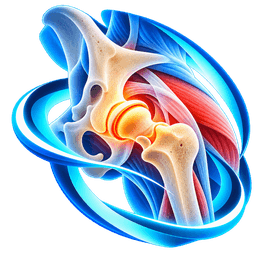
Anterior hip replacement is a type of hip replacement surgery where the surgeon reaches your hip joint from the front of your body. This method is also called anterior approach hip replacement, anterior method hip replacement surgery, or direct anterior hip replacement. Many surgeons and patients are interested in the differences between anterior vs posterior hip replacement because the approach can affect your recovery and experience.
In an anterior hip replacement surgery, the surgeon makes a small cut near the front of your hip. This area is just to the side of your groin. The key feature of the anterior approach is that it allows the surgeon to work between the major muscles, rather than cutting through them. This is often called a "muscle-sparing" technique. The surgeon gently moves the muscles aside to reach the hip joint, then removes the damaged bone and cartilage and replaces them with a new artificial hip joint.
The direct anterior hip replacement is often performed on a special operating table that helps position your leg and hip. This can make it easier for the surgeon to see your hip and place the new joint accurately. The use of this special table is one reason why not all surgeons offer the anterior approach—it requires specific training and equipment.
One of the main benefits of anterior hip replacement is that it usually causes less damage to the muscles and soft tissues around your hip. Because of this, patients often experience:
- Less pain right after surgery
- Quicker early recovery and return to walking
- Lower risk of the hip dislocating in some cases
- Smaller scar at the front of the hip
Most people who have the anterior approach can start walking with help—such as a walker or crutches—on the same day or the day after surgery. Many patients report that they can leave the hospital sooner, sometimes within one or two days. Everyday activities such as sitting, getting in and out of bed, and climbing stairs can be easier during the first few weeks.
However, anterior hip replacement is not always better for every patient. The approach can be technically challenging for the surgeon, especially in people who are very overweight, have unusual hip anatomy, or have had previous hip surgery. The incision is close to important nerves and blood vessels, which can increase some risks. The operation may also take longer than the posterior approach in some cases.
Most studies show that the long-term results of anterior and posterior hip replacement are similar. The main differences are seen in the first few weeks after surgery. After three to six months, most people have similar pain relief and hip function, no matter which approach was used.
In summary, anterior hip replacement is a muscle-sparing surgery done from the front of the hip. It can offer a faster early recovery for some patients, but it is not right for everyone. Your surgeon will consider your body, health, and their own experience before recommending the best approach for you.
What is posterior hip replacement and how does it differ?
Posterior hip replacement is the most common way to perform hip replacement surgery. In this approach, the surgeon accesses your hip joint from the back (posterior) side of the hip, near your buttocks. When comparing posterior vs anterior hip replacement, the main difference is where and how the surgeon reaches the hip joint.
During a posterior hip replacement, the surgeon makes a cut along the back of your hip. To reach the joint, some of the muscles and soft tissues at the back of the hip must be cut or detached. These muscles are repaired at the end of the operation, but they need time to heal. The surgeon removes the damaged bone and cartilage and replaces them with a new artificial hip joint, just as in the anterior approach.
The posterior approach has been used for many decades and is well understood by most orthopedic surgeons. It works for almost all patients, including those with complex hip shapes, previous hip surgery, or higher body weight. Surgeons can see the joint clearly and place the new hip accurately. Because of this, the posterior approach is still the standard method in many hospitals worldwide.
There are some differences in recovery and risks when you compare posterior vs anterior hip replacement:
- Some patients have more pain and muscle weakness in the first weeks after a posterior hip replacement, because the surgeon must cut through muscles.
- There is a slightly higher risk of the new hip dislocating in the first few months, because the muscles at the back of the hip need to heal.
- Patients may be asked to follow "hip precautions" for several weeks. These are rules to avoid certain movements that could stress the new joint, such as bending the hip too far or crossing the legs.
- Most people experience very good pain relief and improved hip function after recovery, which is similar to other methods.
In the first month after surgery, you may find it takes a little longer to return to normal activities compared to the anterior approach. However, by three to six months after surgery, most patients have similar results no matter which approach was used.
The posterior approach may leave a scar at the side or back of the hip. Some patients prefer this, as it is less visible from the front. The risk of nerve injury is lower than with the anterior approach, but there is a higher risk of dislocation in some patients, especially if hip precautions are not followed.
In summary, posterior hip replacement is a reliable and widely used method that allows the surgeon to see the hip joint clearly. It is suitable for most patients and has a long track record of success. The main differences compared to anterior hip replacement are in the first few weeks after surgery, with possible slower early recovery and a need for extra care to avoid certain movements while healing.
Anterior vs posterior hip replacement: which method is better?
When comparing anterior vs posterior hip replacement, neither method is clearly better for everyone. Both approaches have proven successful for most people needing a hip replacement. The best choice depends on your personal anatomy, your health, and your surgeon’s skill and experience with each method. Let’s look at how these approaches compare in key areas.
Recovery time
Many people ask about recovery time when considering hip replacement anterior vs posterior. Some studies suggest that the anterior approach may allow for a slightly quicker early recovery. This is because the surgeon works between muscles rather than cutting through them, which may mean less pain and a faster return to walking. However, after the first few months, most people recover equally well with either approach. Long-term results are very similar.
Risks and complications
Both anterior and posterior hip replacement have risks, as with any major surgery. The overall complication rates are low, and most problems are rare. With the anterior approach, there is a small risk of injury to nerves near the front of the hip, which can cause numbness or weakness. There is also a slightly higher chance of certain wound problems or numbness along the thigh. With the posterior approach, the main concern is a higher risk of hip dislocation (where the new joint comes out of place) in the first few months after surgery. However, modern techniques and implants have reduced this risk in both approaches.
Dislocation risk: posterior vs anterior hip replacement
Dislocation is a rare but serious complication after hip replacement. Studies show that the risk is slightly higher with the posterior approach, especially if you do not follow movement restrictions in the first months. Surgeons using the anterior approach may allow you to bend and move your hip more freely right after surgery. However, with careful surgical technique and patient education, the difference in dislocation risk is now quite small.
Patient satisfaction and function
Most people are satisfied with their hip replacement, no matter which method is used. Research has not found a major difference in long-term pain relief, walking ability, or quality of life between anterior and posterior hip replacement. Your outcome depends more on the skill of your surgeon and your own health than on the approach used.
Which method of hip replacement is the best?
There is no single best method of hip replacement for everyone. The right choice for you depends on factors like:
- Your body shape and size
- Your age and activity level
- Any previous hip surgery or deformity
- Your surgeon’s experience with each approach
Talk to your orthopedic surgeon about which method they recommend and why. A surgeon who is highly experienced in one approach may achieve better results with that method for you.
| Approach | Main Pros | Main Cons |
|---|---|---|
| Anterior |
|
|
| Posterior |
|
|
Summary: Anterior vs posterior hip replacement is a choice best made with your surgeon, based on your health and their expertise. Both methods are safe, effective, and offer excellent results for most people.
What are the risks and complications of anterior and posterior hip replacement?
Both anterior hip replacement surgery and posterior hip replacement are major procedures that carry some risks and possible complications. Most people recover well, but it is important to understand what could go wrong, and how these risks compare between the two methods.
General risks of hip replacement
- Infection: Any surgery can lead to an infection. This can happen at the skin incision or deeper around the new hip joint. Most infections are mild and treated with antibiotics, but a serious infection may require further surgery.
- Blood clots: After hip surgery, you are at higher risk for blood clots in your legs (deep vein thrombosis) or lungs (pulmonary embolism). You will usually receive medication and advice to reduce this risk.
- Bleeding: Some bleeding is normal, but rarely, you may need a blood transfusion.
- Dislocation: The new hip joint may come out of place, especially in the first few months. This risk depends partly on the surgical approach.
- Nerve injury: Nearby nerves can be stretched or damaged during surgery. This may cause numbness, weakness, or pain.
- Leg length difference: Sometimes, one leg may feel longer or shorter after surgery. This usually improves, but may need a shoe insert.
- Loosening or wear of the implant: Over years, the artificial hip can loosen or wear out, possibly needing revision surgery.
- Fracture: The bones around the new hip can break during or after surgery, especially if they are weak.
Risks more common with anterior hip replacement surgery
- Nerve injury: The lateral femoral cutaneous nerve, which supplies feeling to the outer thigh, is at higher risk during anterior method hip replacement surgery. Injury can cause numbness or tingling, which is often temporary but may be permanent in some cases.
- Wound healing problems: The incision at the front of the hip is close to skin folds, which may increase the risk of delayed healing or irritation.
- Femur fracture or implant issues: The anterior approach can make it harder to position the femoral stem (the part that goes into your thigh bone), especially in people with strong or thick bones. This may slightly increase the risk of a bone crack or implant misplacement.
Risks more common with posterior hip replacement
- Dislocation: Posterior hip replacement has a slightly higher risk of the new hip dislocating, especially in the early months after surgery. This is because the approach cuts through more of the muscles and tissues that stabilise the back of the hip.
- Muscle weakness: Cutting through the hip’s external rotator muscles can sometimes cause temporary weakness, though most people recover strength over time.
Comparing the two approaches
| Risk/Complication | Anterior Approach | Posterior Approach |
|---|---|---|
| Infection | Similar | Similar |
| Blood clots | Similar | Similar |
| Dislocation | Lower | Higher |
| Nerve injury (thigh) | Higher | Lower |
| Wound issues | Higher | Lower |
| Muscle weakness | Lower | Higher |
| Fracture risk | Slightly higher | Lower |
Most of these risks are low, and serious complications are uncommon. Your surgeon will discuss your personal risk profile based on your health and anatomy. If you notice severe pain, swelling, fever, or sudden difficulty moving your leg after surgery, seek urgent medical care. This article does not replace a consultation with a qualified doctor.
Who is a good candidate for anterior hip replacement surgery?
People who are good candidates for anterior hip replacement surgery, also called the anterior method hip replacement surgery, often share certain characteristics. The anterior approach is not suitable for everyone, but for some, it may offer specific benefits such as a quicker recovery and less muscle damage.
Factors that favour the anterior approach
- Body shape: People who are of average weight and not very muscular in the thighs or hips often do well with this method. Very muscular or obese patients may have a higher risk of wound problems with the anterior method.
- Hip anatomy: The shape and size of your hip bones can affect whether the anterior approach is safe and effective. Some people with complex hip deformities or previous hip surgeries may not be suitable.
- Surgeon experience: The anterior approach is technically demanding. Surgeons who perform this method often and are well-trained in it tend to get better outcomes and lower complication rates. If your surgeon is not experienced in this approach, another method may be safer.
- Desire for faster recovery: People who want to return to walking and daily activities quickly may benefit, as some studies suggest a faster early recovery with this approach. However, long-term recovery is similar for all methods.
- Low risk of osteoporosis: People with strong bones are less likely to have fractures during anterior hip replacement surgery. If you have osteoporosis (thinning of the bones), your surgeon may recommend a different approach.
When the anterior method may not be recommended
- Obesity: People with a high body mass index (BMI) may face a higher risk of wound healing problems and infection with the anterior approach.
- Very muscular thighs: Strong thigh muscles can make it harder to reach the hip joint from the front safely.
- Previous hip surgery or deformity: If you have had major surgery on the same hip, or if your hip bones are not shaped typically, the anterior approach may not be possible.
- Severe osteoporosis: Weak bones increase the risk of fracture during surgery, especially with the anterior method.
- Lack of surgeon experience: If your local surgeon does not perform many anterior hip replacements, a different approach may be safer and more reliable for you.
Choosing the right approach for you
The best method for hip replacement depends on your individual health, your hip structure, and your surgeon’s experience. It is important to have a detailed discussion with your orthopedic surgeon about your options. They will consider your medical history, lifestyle, and goals. If you are interested in anterior hip replacement surgery, ask your surgeon how often they perform it and what their results have been. Remember, a safe and successful outcome is more important than the type of surgical approach used.
If you have questions about traveling for surgery or want to compare approaches, Orthopedics Abroad can help you learn more about hip replacement in Turkey and what to expect.
This article does not replace a personal consultation. If you have severe hip pain, sudden swelling, fever, or trouble moving your leg, seek urgent medical care.
Who should consider posterior hip replacement?
Posterior hip replacement is often a good choice for many patients needing a hip replacement, especially those with certain medical or anatomical needs. The posterior approach gives the surgeon a clear view of the hip joint, making it easier to handle complex cases or unusual anatomy.
Doctors may recommend posterior hip replacement if you have:
- Complex hip problems: This includes severe hip deformities, previous hip surgeries, or significant bone loss. The posterior approach allows greater flexibility for the surgeon to adjust the hip implant and repair surrounding tissues.
- Strong, well-developed muscles: The posterior approach moves muscles at the back of the hip, which can be easier to repair in patients with good muscle tone.
- Obesity or a larger body size: In some people, the posterior approach provides better access to the joint, especially if the front of the hip is difficult to reach safely.
- Surgeon preference and experience: Many surgeons have more experience with the posterior approach. This can lead to safer surgery and better results, as the surgeon is more familiar with the technique.
- Anatomical variations: Some people’s hip shape or muscle layout makes the posterior approach safer or more effective.
The posterior hip replacement is the most widely used technique worldwide. Surgeons have decades of experience with it, and long-term results are well studied. This approach allows for a larger incision, which helps in complicated cases where more access is needed.
However, the posterior approach does have some downsides. It may have a slightly higher risk of hip dislocation in the first few months after surgery. Surgeons now use improved techniques and stronger implants to reduce this risk. After a posterior hip replacement, you may need to follow special precautions to avoid certain hip positions until the joint heals.
Most people recover well after posterior hip replacement, with pain relief and improved mobility. Your age, bone health, and other health conditions will affect your recovery and outcome.
In summary, you might be a good candidate for posterior hip replacement if:
- You have complex hip disease or unusual anatomy
- Your surgeon recommends it based on their experience
- You need a revision or second hip replacement
- You have a larger body size or strong muscles
Always discuss your individual situation with your orthopedic surgeon. They will help you choose the safest and most effective approach for your needs. If you are considering hip replacement abroad, ask your surgeon which method they recommend and why.
What is lateral hip replacement and how does it compare?
Lateral hip replacement is a surgical approach where the surgeon accesses your hip joint from the side of your body. This is also called the lateral or anterolateral approach. Unlike the anterior approach (from the front) or posterior approach (from the back), the lateral method involves making an incision along the outer edge of your hip.
During a lateral hip replacement, the surgeon typically needs to move or split the abductor muscles. These muscles run along the side of your hip and are responsible for moving your leg away from your body (abduction). The main aim is to reach the hip joint safely while protecting important nerves and blood vessels. However, because the abductor muscles are involved, there is a risk of temporary or even permanent weakness in these muscles after surgery.
The advantages of lateral hip replacement include:
- Excellent visibility of the hip joint for the surgeon, which can help in precise placement of the implant
- Lower risk of hip dislocation compared to the posterior approach, especially in the early weeks after surgery
- Can be a good choice for patients with certain bone shapes, muscle conditions, or previous surgeries
However, there are also disadvantages to the lateral approach:
- Higher risk of weakness in the hip abductor muscles, which can cause a limp or trouble with balance, especially in the first few months
- Some patients may experience a persistent limp, although this is uncommon and often improves with physiotherapy
- Recovery time and restrictions are similar to other approaches, but some people may take longer to regain full strength
- Not suitable for all patients, especially those with certain muscle or nerve conditions
When comparing lateral hip replacement to anterior and posterior approaches, it is important to understand the strengths and limitations of each method. Here is a comparison table to help you see the differences clearly:
| Approach | Main Access | Key Pros | Key Cons |
|---|---|---|---|
| Anterior | Front | Less muscle damage, quicker early recovery, lower risk of dislocation | Not suitable for all body types, technically demanding for surgeons |
| Posterior | Back | Most common, good for complex or revision cases, preserves abductor muscles | Slightly higher risk of early dislocation, may require more movement restrictions after surgery |
| Lateral | Side | Lower risk of dislocation, good joint visibility, can be used for certain hip shapes | Risk of muscle weakness or limp, possible longer time to regain normal walking |
Surgeons choose the approach based on your anatomy, overall health, and their own training and experience. The lateral approach is less common than anterior or posterior methods but is still used in some centres, especially for patients who may benefit from its specific advantages. If you have weak abductor muscles before surgery or certain bone shapes, your surgeon may suggest the lateral approach. Always discuss the risks and benefits of each method with your surgical team to choose the approach that is safest and most effective for you.
Why do some surgeons no longer perform anterior hip replacement?
Some surgeons choose not to perform anterior hip replacement because of certain challenges and risks involved. The anterior approach, also called direct anterior hip replacement, is technically complex. It requires special surgical skills and often different equipment compared to the more common posterior approach.
One main reason is technical difficulty. The anterior method hip replacement surgery involves working between muscles and nerves at the front of the hip, which can make it harder to see and access the joint. This can increase the risk of injury to nerves, such as the lateral femoral cutaneous nerve, which may cause numbness or tingling in the thigh after surgery. There is also a risk of damaging blood vessels or the muscles that lift your leg.
Another factor is the learning curve for surgeons. Studies show that it takes many operations to become skilled at the anterior approach. During this learning period, the risk of complications—such as fractures, wound healing problems, or implant misplacement—may be higher. Not every hospital has the facilities or equipment needed for anterior hip replacement, which can also limit its use.
Some surgeons are concerned about specific complications with the anterior approach. For example, wound healing problems are slightly more common at the front of the hip, and the risk of certain types of fractures may be higher in some patients. People who are overweight, very muscular, or have unusual hip anatomy may face higher complication rates with the anterior approach.
Patient selection is another challenge. The anterior method may not be suitable for everyone. People with severe hip deformities, previous hip surgery, or certain bone shapes may not be ideal candidates. In these cases, other approaches such as the posterior or lateral technique may be safer or easier.
Finally, some surgeons prefer the posterior approach because it is familiar, reliable, and supported by a long track record. It is less technically demanding for most surgeons, which can help keep complication rates low. As a result, you may hear some experts say, "why I no longer do anterior hip replacement"—not because it is ineffective, but because it is not the best fit for every surgeon or every patient. Always ask your surgeon about their experience and why they recommend one approach over another for you.
How long is recovery after anterior vs posterior hip replacement?
Recovery after anterior vs posterior hip replacement generally follows similar milestones, but there are some differences. Most people want to know how quickly they can return to normal activities, work, and exercise. The approach used can influence your early recovery, but long-term results are similar for both methods.
Hospital stay is usually short for both approaches. Many people spend 1 to 3 days in hospital after hip replacement, whether they have an anterior or posterior procedure. Some centres offer "enhanced recovery" programmes, aiming for discharge on the same or next day if you are healthy and have good support at home.
Early mobility is often slightly faster with anterior hip replacement. Because the anterior approach works between muscles rather than cutting through them, you may be able to walk with support (such as a frame or crutches) within hours of surgery. Posterior hip replacement patients also get up soon after surgery, but may take a little longer to walk comfortably. Over the first week, both groups usually need walking aids.
Rehabilitation is important whichever approach you have. You will start physiotherapy in hospital, focusing on gentle movement, strengthening, and walking safely. After discharge, you will continue exercises at home or with a physiotherapist. Most people can manage stairs and basic self-care within 1 to 2 weeks.
The return to normal activities can vary. Many people with anterior hip replacement feel ready to drive and perform light daily tasks after 2 to 4 weeks, sometimes a little sooner than those with posterior hip replacement. However, both groups are usually advised to avoid high-impact activities and heavy lifting for at least 6 weeks. Full recovery, including walking without aids and resuming low-impact sports, takes about 3 months for most people, regardless of approach.
Restrictions after surgery are sometimes less strict with the anterior approach. Surgeons may allow you to bend your hip, cross your legs, and sleep in any position sooner. With posterior hip replacement, you may be advised to avoid certain movements—like bending your hip more than 90 degrees or twisting—for 6 to 12 weeks to reduce the risk of dislocation. However, recent research suggests that strict precautions may not be necessary for everyone. Always follow your surgeon's advice on restrictions.
The table below compares recovery milestones for anterior and posterior hip replacement:
| Milestone | Anterior Approach | Posterior Approach |
|---|---|---|
| Hospital stay | 1–3 days | 1–3 days |
| Walking with support | Within 1 day | Within 1–2 days |
| Stairs/basic self-care | 1–2 weeks | 1–2 weeks |
| Return to driving | 2–4 weeks | 3–6 weeks |
| Walking unaided | 4–6 weeks | 4–6 weeks |
| Return to work | 4–8 weeks | 4–8 weeks |
| Full recovery | 3–6 months | 3–6 months |
Long-term outcomes are similar for both anterior and posterior hip replacement. Most people have less pain, better movement, and improved quality of life after either surgery. The choice of approach may affect your first few weeks, but after 6 to 12 months, most patients cannot tell the difference. Remember, your overall health, motivation, and the skill of your surgical team play a major role in your recovery speed.
Always contact your healthcare provider if you have severe pain, swelling, fever, or trouble moving your leg after surgery. These could be signs of a complication that needs urgent attention.
What should I expect during hip replacement surgery?
During hip replacement surgery, the goal is to replace your damaged hip joint with an artificial one. Whether you have anterior hip replacement surgery (from the front) or posterior hip replacement (from the back), the main steps are similar, but there are some differences in the details.
First, you will meet your anaesthesia team. Most hip replacements use either general anaesthesia (you are fully asleep) or spinal anaesthesia (numb from the waist down but awake). Your anaesthetist will discuss which option is best for you. The surgical team will also give you antibiotics to reduce the risk of infection.
Once you are in the operating theatre, the surgeon will make an incision (cut) in your skin. In anterior hip replacement surgery, the incision is made at the front of your hip. In posterior hip replacement, the incision is made at the back, near your buttocks. The choice of approach depends on your anatomy, your surgeon’s experience, and your specific needs.
After reaching the hip joint, the surgeon carefully removes the damaged parts of your hip, including the worn-out cartilage and bone. The artificial joint (prosthesis) is then placed into your hip. This new joint is usually made of metal, ceramic, or plastic parts. The surgeon checks that your new hip moves well and is stable before closing the incision with stitches or staples.
After surgery, you will be moved to a recovery area. Nurses and doctors will monitor you closely as you wake up. Pain control is a priority, and you may be given painkillers through a drip or as tablets. You will also be encouraged to start moving your ankle and foot soon after surgery to help prevent blood clots.
Most people stay in hospital for 1 to 3 days after hip replacement. You will work with physiotherapists to start gentle exercises and learn how to move safely with your new hip. The type of approach—anterior or posterior—can affect how soon you can walk and perform daily activities, but both methods aim for a safe and steady recovery.
Your care team will give you advice on wound care, pain management, and signs of complications to watch for. They will also help you plan your return home, including what equipment you might need and how to arrange follow-up appointments. Remember, your recovery is individual, and your team will support you throughout the process.
When does hip replacement surgery make sense?
Hip replacement surgery is usually considered when non-surgical treatments have not provided enough relief from severe hip pain, stiffness, or disability. Most people with hip problems will start with conservative care. This can include:
- Pain-relieving medicines such as paracetamol or anti-inflammatory drugs (NSAIDs)
- Physiotherapy to strengthen muscles and improve movement
- Walking aids like canes or walkers to reduce stress on the hip joint
- Lifestyle changes such as losing weight or adjusting activities
- Joint injections, such as steroid injections, for short-term relief
Your doctor will usually recommend hip replacement surgery only if:
- Your hip pain is severe and ongoing, making it hard to walk, sleep, or do daily tasks
- You have tried non-surgical treatments for several months without enough improvement
- Imaging (like X-rays) shows that your hip joint is badly damaged by osteoarthritis, rheumatoid arthritis, injury, or another condition
- Your mobility is limited and you find it difficult to walk, climb stairs, or get dressed
- Your quality of life is affected and you want to regain independence
Deciding whether to have hip replacement is a joint decision between you and your doctor. It is important to consider your overall health, your goals, and how much your hip symptoms affect your life. Some people are not good candidates for surgery, such as those with uncontrolled medical conditions, active infections, or certain heart or lung problems. Your doctor will assess your risks and help you decide if surgery is safe for you.
When it comes to which method of hip replacement is the best, there is no single answer. Both anterior hip replacement surgery and posterior hip replacement have strong track records. The choice will depend on several factors:
- Your age, weight, and general health
- The shape and condition of your hip bones and muscles
- Your previous surgeries or medical conditions
- The surgeon’s experience and comfort with each technique
- Your lifestyle, activity level, and personal preferences
The anterior approach (front of the hip) may allow a quicker early recovery and a lower risk of certain types of hip dislocation. It may also involve fewer restrictions on movement after surgery. However, it is not suitable for everyone. For example, people who are very overweight, very muscular, or have unusual hip anatomy may not be candidates for anterior hip replacement. The technique also requires specific training and experience from the surgeon.
The posterior approach (back of the hip) is the most common method worldwide. It gives the surgeon excellent access to the hip and is suitable for most patients, including those with complex hip problems or who need revision surgery. It may require more restrictions on movement in the first few weeks to reduce the risk of dislocation, but most people recover well and return to normal activities.
For some people, other approaches such as the lateral approach (side of the hip) may be recommended. This can be useful for certain bone shapes, muscle conditions, or if you have had previous hip surgery. Each approach has its own risks and benefits, and your surgeon will help you decide which is most appropriate for your situation.
Surgery abroad is becoming a popular option for many patients. Countries like Turkey offer hip replacement in Turkey with internationally trained surgeons, modern hospitals, and high standards of care. Many people choose surgery abroad due to shorter waiting times, transparent costs, and comprehensive care packages. If you are considering this option, make sure you:
- Understand exactly what is included in your treatment and care package
- Know how your recovery and follow-up will be managed after surgery
- Have clear communication with your surgical team before and after your procedure
- Check that the hospital and surgeon are fully accredited and experienced in the approach you need
Hip replacement can be life-changing. It can relieve pain, restore movement, and help you regain your independence and quality of life. The decision to have surgery, and which approach to use, should be made with your medical team after carefully considering your health, lifestyle, and goals. If you want to learn more about your options or how to arrange treatment abroad, see our guide to hip replacement in Turkey.
When surgery makes sense
Hip replacement surgery is usually recommended for people with severe hip pain and stiffness caused by arthritis, injury, or joint damage that does not improve with other treatments. Good candidates are those whose pain limits daily activities and quality of life. The operation involves removing the damaged parts of the hip and replacing them with an artificial joint. This can be done using different approaches, like anterior or posterior, depending on your needs and your surgeon’s expertise.
Many patients choose Turkey for hip replacement because of modern hospitals, highly trained surgeons, and the chance to avoid long waiting lists. Costs are often more transparent, and care packages can make your experience smoother from consultation through recovery. If you are considering your options, our guide to hip replacement in turkey explains what to expect and how to get started.
48h
Free X-ray or MRI review by an orthopedic surgeon within 48 hours
Upload your scans and reports. A partner surgeon in the right subspecialty tells you whether surgery is justified, which procedure fits, and what a fixed-price package in Turkey would cost.
Sources
Peer-reviewed guidance and institutional sources used to write and review this page.
- 01
- 02
- 03Anterior vs Posterior Approach in Total Hip Arthroplasty: A Review
PubMed Central, 2019
https://www.ncbi.nlm.nih.gov/pmc/articles/PMC6707966/
- 04Hip Replacement Recovery and Rehabilitation
Mayo Clinic, 2023
https://www.mayoclinic.org/tests-procedures/hip-replacement/about/pac-20385042
Frequently asked questions
Is anterior hip replacement less painful than posterior?
Can I walk soon after anterior hip replacement surgery?
Are there differences in hip dislocation risk between approaches?
How long will I stay in hospital after hip replacement?
Can all patients have anterior hip replacement?
Related articles
Keep reading: the next step in the same body area.

Signs You Need a Hip Replacement (Take the Self-Check)
Discover the key signs you need a hip replacement and take a simple self-check quiz to understand your hip symptoms and when to consider surgery.
Medically reviewed by Op. Dr. Can Yildiz · Updated 9 Oct 2026 · 28 min read
Medical information on this page is educational and does not replace a consultation with a qualified clinician. .