



ALIF Surgery cost
ALIF cost in turkey starts from a contracted partner package of $12,000 – $19,000. The same front-approach lumbar fusion is $60,500 – $137,550 in the United States and $23,300 – $63,050 in the United Kingdom when paid privately. Read on for what sits inside each figure, what the whole trip adds, and who should not travel.
Turkey package
$12,000
to $19,000
US self-pay
$60,500
to $137,550
You save
~84%
vs US self-pay
Key takeaways
- 1The ALIF cost for the contracted partner package in turkey is $12,000 – $19,000, based on approved records and a stated validity window.
- 2Self-pay benchmarks are $60,500 – $137,550 in the United States, $29,150 – $81,950 in Australia and $23,300 – $63,050 in the United Kingdom, and they are estimates rather than quotes.
- 3Against the typical United States figure the partner package saves about 84%, and against Germany about 59%.
- 4A second surgeon, usually a vascular or general surgeon, opens the abdomen side of the approach, so a fair quote names that person and their fee.
- 5Hospital stay is usually 3 nights, and most patients plan about 10 to 14 days away before a flight home is considered safe.
- 6The saving matters most for people with long waits, large deductibles or no cover, while multi-level deformity, prior abdominal surgery or heavy medical risk often belong closer to home.
- 7Compare quotes on the same cage type, the same fixation, the same number of levels and the same nights, or the headline gap tells you nothing.
ALIF cost: how the price is built
The ALIF cost is the sum of a spine surgeon, an access surgeon, anaesthesia, theatre time, a cage with fixation, a short ward stay and early rehabilitation. In turkey the partner package is $12,000 – $19,000. Self-pay benchmarks reach $60,500 – $137,550 in the United States, $27,700 – $75,600 in Canada and $20,400 – $56,100 in Germany. All of these are estimates from approved records.
What the ALIF cost covers
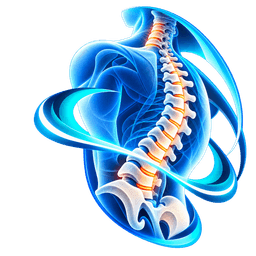
ALIF stands for anterior lumbar interbody fusion. The surgeon reaches the disc through the front of the body, usually through a small cut low on the abdomen, and replaces the worn disc with a cage packed with bone graft. Because the approach avoids the nerves behind the spine, the cage can be large and strong.
That front route shapes the bill. Two surgeons often work together, one to move the blood vessels and bowel aside and one to place the cage. Our ALIF procedure guide explains the operation step by step. This page deals only with money, so every number below is a range.
Price bases: self-pay list, insurer rate and bundled package
Three kinds of price circulate. A self-pay list price is what an uninsured patient is asked for. An insurer rate is the discounted amount a health plan negotiates, and you rarely see it. A bundled package fixes one price for the whole hospital episode.
The turkey figure is a bundle. The benchmark for each other country comes from self-pay lists, tariffs or insurer datasets, and some of those exclude the surgeon fee or the implant. When you read any ALIF surgery price, ask which of these three bases it comes from before you compare it with another one.
Why two quotes are rarely comparable
Two quotes can differ by half and still describe the same operation. One may include a vascular surgeon, a titanium-coated cage, supplemental screws and 3 nights. Another may list only the spine surgeon and theatre, with the access surgeon and hardware billed later.
Write down the number of levels, the cage material, whether plates or screws are added, who performs the exposure and how many nights are included. If a quote is silent on any of these, ask in writing. Our questions to ask before surgery abroad guide gives a starting list.
How to read a price range
A range is not a bargaining window. The low end usually reflects a single level at a smaller hospital with a standard cage. The high end reflects two levels, premium hardware, navigation or a major city. Most real bills fall in the middle, which is why this page also quotes a saving against the typical figure.
A saving such as 84% against the United States compares the middle of the benchmark with the middle of the partner package. Your own saving depends on your levels, your health and your actual quote. Use the ranges to decide whether to request a quote, then let the quote decide the rest.
ALIF cost by country
Typical self-pay ranges in USD. Turkey shows the contracted partner package; other countries show benchmark estimates from approved records.
Typical self-pay range by country
| Country | Range (USD) | Price basis | Sources | Verified |
|---|---|---|---|---|
| 🇹🇷 Turkey | $12,000 – $19,000 | All-inclusive partner package | Contract v2 | Valid to 30 janv. 2027 |
| 🇺🇸 United States | $60,500 – $137,550 | self pay | 1 record · tier A | 1 sept. 2026 |
| 🇦🇺 Australia | $29,150 – $81,950 | package | 1 record · tier B | 16 août 2026 |
| 🇦🇪 United Arab Emirates | $27,450 – $81,200 | package | 1 record · tier B | 5 oct. 2026 |
| 🇨🇦 Canada | $27,700 – $75,600 | package | 1 record · tier B | 26 sept. 2026 |
| 🇸🇦 Saudi Arabia | $24,100 – $70,600 | package | 1 record · tier B | 2 sept. 2026 |
| 🇬🇧 United Kingdom | $23,300 – $63,050 | package | 1 record · tier A | 22 août 2026 |
| 🇩🇪 Germany | $20,400 – $56,100 | self pay | 1 record · tier A | 6 août 2026 |
| 🇮🇹 Italy | $19,100 – $53,050 | package | 1 record · tier B | 10 août 2026 |
| 🇪🇸 Spain | $18,450 – $52,500 | package | 1 record · tier B | 27 juil. 2026 |
| 🇫🇷 France | $18,450 – $51,900 | package | 1 record · tier B | 25 sept. 2026 |
Where is ALIF cheapest?
ALIF cost is highest in the United States at $60,500 – $137,550 and lowest among the benchmarks in France at $18,450 – $51,900, while the turkey package sits at $12,000 – $19,000. The table compares nine markets and shows the saving the partner package offers against each typical price.
| Country | Benchmark range | Typical saving in turkey | What drives the price |
|---|---|---|---|
| United States | $60,500 – $137,550 | 84% | Facility fees, separate surgeon and access-surgeon bills, hardware mark-ups |
| Australia | $29,150 – $81,950 | 72% | Private hospital fees, gap payments, prosthesis list rules |
| Canada | $27,700 – $75,600 | 70% | Private clinic self-pay, since public lists are long and not billed to patients |
| Saudi Arabia | $24,100 – $70,600 | 67% | Private hospital tariffs, insurer pre-authorisation, imported hardware |
| United Kingdom | $23,300 – $63,050 | 64% | Private hospital self-pay, consultant fees, NHS waiting lists push people to pay |
| Germany | $20,400 – $56,100 | 59% | Statutory tariffs and private billing scales |
| Italy | $19,100 – $53,050 | 57% | Regional tariffs and private clinic pricing |
| Spain | $18,450 – $52,500 | 56% | Private hospital packages, lower staffing cost |
| France | $18,450 – $51,900 | 56% | Tariff-based billing with private supplements |
The dearest markets and why
The United States is the most expensive market for ALIF by a wide margin. A patient may receive separate bills from the spine surgeon, the access surgeon, the anaesthetist, the hospital and the implant supplier. Each one adds its own margin. A single-level case at the low end of the range still costs several times the turkey package.
Australia, the United Arab Emirates, where benchmarks exist, and Canada sit in the next tier. Australian private care is excellent but billed with gaps. Canadian public care rarely charges the patient, so a self-pay benchmark describes a private clinic that most patients only consider after a long wait.
Mid-priced markets and waiting lists
The ALIF cost UK benchmark of $23,300 – $63,050 describes private care. Many UK patients never see that bill because the NHS covers spinal fusion for those who meet the criteria. The economics change when waiting lists for elective spinal surgery run long and pain keeps a person off work. Then the price of waiting, not the price of surgery, drives the decision.
Germany at $20,400 – $56,100 and Italy at $19,100 – $53,050 are mid-priced. Insured residents usually pay little, but self-pay patients, or those whose plan excludes a particular cage or approach, face these figures. Spain at $18,450 – $52,500 and France at $18,450 – $51,900 are the lowest benchmarks here, yet still well above the partner package.
Where prices are low but choice differs
Affordable ALIF in turkey is real, but affordability is not the same as simplicity. The saving funds the trip, and it should never be used to justify skipping checks.
A low sticker price does not always mean the same product. Hospitals in a lower-cost market may have fewer access surgeons who do the front approach regularly, or a smaller range of cage designs. In turkey the partner hospitals work in volume. Check with our surgeon directory and the hospital list how often each team performs ALIF.
The cheapest country for ALIF on paper is rarely the best value once flights, a companion, a longer stay and a second opinion are added. Read the comparison as a starting point, then ask for a personal quote through our quote form.
For context on neighbouring operations, compare the spinal fusion cost guide, which covers the wider family of fusions. ALIF usually costs more than a posterior single-level fusion because of the second surgeon and the larger cage.
ALIF cost in Turkey
Partner package
v2$12,000 – $19,000
ALIF - All-inclusive package
Valid 31 juil. 2026 – 30 janv. 2027 · Implant: anterior interbody cage with integrated screws or plate
Included
- Surgeon and anaesthetist fees
- Implant and consumables
- 3 nights private room
- Pre-operative tests
- In-hospital physiotherapy
- Airport and hospital transfers
- Coordinator and translation
- 12-month remote follow-up
Not included
- Flights
- Hotel
- Companion costs
- Travel insurance
Why Turkey differs in price
- Lower staff and facility costs at equal accreditation standards.
- High surgical volumes in dedicated orthopedic units.
- Bundled pricing with no itemised surprise billing.
- Exchange-rate advantage for USD, EUR and GBP patients.
Hospital and surgeon factors
Premium packages add recovery hotels, private nursing or a specific professor-level surgeon. 2 package options are currently available for this procedure.
Why ALIF costs less in Turkey
The turkey package for ALIF is a bundled price of $12,000 – $19,000 that covers surgery, hospital stay and early aftercare for a defined plan. The range reflects the number of levels, the cage and fixation chosen, and the hospital tier. It is a contracted partner price with a validity window, not a market average.
What the partner package includes
The ALIF package typically covers pre-operative review of your MRI or CT, the spine surgeon and the access surgeon, anaesthesia, theatre time, the cage with graft material, 3 nights in a private room, nursing, inpatient physiotherapy, standard medication, airport and hospital transfers, and a coordinator. Our ALIF in turkey page lists the clinical side.
Confirm in writing whether supplemental fixation is included. A stand-alone cage costs less than a cage with screws or a back-side rod construct, and the surgeon chooses based on your bone quality and alignment.
What is usually excluded
Typical exclusions are extra nights beyond the plan, intensive care if it becomes necessary, treatment of complications unrelated to the planned operation, additional levels decided during surgery, and personal items. Hotel for a companion, flights and travel insurance are separate. Ask for a line-by-line list before paying a deposit.
Why the price is lower without lower quality
Several structural reasons explain the gap. Hospital salaries and running costs are lower in turkey. Partner hospitals handle a steady volume of spine cases, so theatres and teams stay busy. A single bundled package replaces five or six separate bills. Currency conditions also lower the dollar price for patients paying in foreign money.
None of this implies a weaker operation. Lower cost and good outcomes are separate questions, and the second must be tested on its own evidence. Look at accreditation, case volume for the specific approach and how the team handles a vascular problem. Our turkey orthopedics overview explains how partner hospitals are selected.
Accreditation and surgeon checks
Ask whether the hospital holds international accreditation and whether the spine surgeon and the access surgeon have performed ALIF regularly. A hospital that cannot name its access surgeon or a vascular backup plan is a warning sign. Our medical record review guide explains how your scans are assessed before an offer is made.
Istanbul concentrates the largest spine teams, while other cities offer smaller hospitals at slightly different prices. See treatment in Istanbul for a sense of what a big-city setting involves.
Validity window and versioning
The partner price is tied to a validity window and to assumptions about the implant and the stay. If the window has passed, or your plan changes from one level to two, the figure is recalculated. The version of the price used on this page is the live one at the time you read it.
Honest limits
Turkey is not the right answer for everyone. Patients with several prior abdominal operations, large vessels pressed against the disc, severe osteoporosis, a high body mass index, active infection or serious heart and lung disease may need a hospital where their own team can follow them for months. In those cases the saving can disappear into extra risk.
Revision ALIF and multi-level deformity correction are also more demanding. A responsible provider will say so before taking a deposit. Our why turkey guide sets out when the trip makes sense and when it does not.
ALIF cost breakdown: where the money goes
Approximate share of a typical all-inclusive package by component.
| Component | Share | Note |
|---|---|---|
| Spine surgeon fee | 15% | The surgeon who places the cage and checks alignment, about $1,800 – $2,850 of the package, rising with level count and experience. |
| Access surgeon fee | 8% | A second surgeon opens the front route and protects vessels and bowel, roughly $950 – $1,500. Some quotes hide this line. |
| Anaesthesia | 7% | General anaesthesia, monitoring and a pain plan, around $850 – $1,350 in the package. |
| Theatre and equipment | 12% | Operating room time, retractors, imaging and staff, close to $1,450 – $2,300. |
| Cage, graft and fixation | 27% | The interbody cage, bone graft material and any plate or screws, about $3,250 – $5,150. This is the biggest driver. |
| Ward stay | 11% | Usually 3 nights in a private room with nursing, roughly $1,300 – $2,100. Extra nights are normally billed separately. |
| Imaging and laboratory | 6% | Pre-operative MRI or CT review, blood tests and post-operative X-rays, near $700 – $1,150. |
| Inpatient physiotherapy | 5% | Safe walking, log-rolling and brace instruction before discharge, about $600 – $950. |
| Coordination and transfers | 5% | Case management, airport and hospital transfers and interpreter support, about $600 – $950. |
| Medication and consumables | 4% | Pain relief, bowel care, blood thinners, dressings and a brace if used, around $500 – $750. |
What affects the cost of ALIF?
- Number of levels
- Each extra level adds a cage, graft and operating time, so two levels often raise the bill by well over half compared with one.
- Level treated
- L5-S1 sits close to the great vessels and may need more careful exposure, while higher levels differ in anatomy and time.
- Access surgeon fee
- A separate vascular or general surgeon adds a distinct fee and is the most common line missing from low quotes.
- Cage design
- Titanium, PEEK or porous titanium-coated cages vary widely in cost, and expandable cages sit at the top.
- Supplemental fixation
- Adding plates, screws or a back-side construct increases hardware cost and theatre time noticeably.
- Bone graft material
- Autograft, allograft or biologic products differ, and biologic bone-growth agents can add a large portion of the implant line.
- Hospital tier
- Large accredited university-style hospitals charge more than small private clinics for the same operation.
- City
- Istanbul usually prices above smaller cities, with the gap depending on the hospital rather than the surgeon alone.
- Length of stay
- The package assumes 3 nights, and each extra night adds a ward and nursing charge.
- Navigation and monitoring
- Intra-operative imaging, navigation or nerve monitoring add equipment and staff cost.
- Body weight and bone quality
- Complex anatomy or osteoporosis can mean longer surgery, stronger hardware and extra nights.
- Primary versus revision
- Revision surgery after a prior fusion takes longer and carries higher fees and risk, so it is quoted individually.
Cost by technique or variant
Compare quotes for the same variant only. Robotic, bilateral and revision procedures are priced separately.
Total budget for ALIF abroad
The whole trip for ALIF costs the package plus travel, stay and aftercare, and the package is still the largest line. Plan for roughly 10 to 14 days abroad, because the hospital stay is 3 nights and surgeons usually want a check before a flight home.
| Budget line | Size compared with the package | When it is paid |
|---|---|---|
| Partner package | $12,000 – $19,000, the anchor of the budget | Deposit on confirmation, balance on arrival or discharge |
| Flights for you | A modest fraction of the saving, depending on route and season | At booking |
| Flights for a companion | Similar to your own, and strongly advised for this operation | At booking |
| Hotel before and after the hospital | Several nights, small compared with the package | On arrival or at booking |
| Local transfers and meals | Small, often partly included for the transfers | As you go |
| Travel and complication insurance | A small fraction of the package, higher with age | Before you travel |
| Rehabilitation at home | Depends on your health system, from covered to self-pay | After you return |
| Contingency | Keep a reserve of an extra few nights and a changed flight | Held in reserve |
What changes the trip total most
Three choices move the ALIF cost of the whole trip more than any other. The first is whether a companion travels with you, which doubles flights and meals. The second is the length of stay, because every extra hotel night adds up. The third is the quality of home rehabilitation, which can be covered by your health system or paid out of pocket. A realistic budget names all three before you book.
Worked example: home against turkey
Take a patient with a single-level ALIF who would pay the typical United States figure of $99,050 at home. In turkey the package midpoint is $15,500. The gap is $83,550, or about 84%. Travel and a companion consume part of that gap, but a large share normally remains.
Now take a UK self-pay patient facing a typical $43,200. Against the package midpoint of $15,500, the saving is $27,700, about 64%. The gap narrows once flights, hotel and home physiotherapy are counted, so it pays to add each line honestly before deciding.
Finally, a Canadian patient paying privately at a typical $51,650 saves about 70% on the package alone. The right comparison is the total trip against the total at home, including the time off work in both cases.
Travel, hotel and insurance costs for ALIF
Travel, hotel and companion costs
Travel is the second-largest cost of an ALIF trip, and the largest part is the flight for you and a companion. Because the front approach leaves a tender abdomen and a restricted back, you will not carry luggage or manage connections alone for the first weeks.
Flights and when to fly home
Book flights with flexible return dates. The hospital stay is 3 nights, but most surgeons want to see you again before clearing a flight, so plan for 10 to 14 days in turkey. Direct flights cost more but avoid long layovers that stiffen the back. Our flying after surgery guide explains what to ask the surgeon.
Hotel and local transport
Choose a hotel near the hospital with a lift, a firm bed and a walk-in shower. Staying close reduces transfers and lets you attend checks easily. Many packages include airport and hospital transfers, which removes the cost and stress of arranging taxis while you are sore.
Meals and companion costs
Meals are a small line, but a companion doubles them. A companion also needs a hotel bed, usually in the same room, which keeps the cost close to a single room. Our companion guide explains what the person with you will actually do.
How the 3 hospital nights shape the trip
The length of your hospital stay sets the rest of the itinerary. Three nights in the ward are followed by several days in a nearby hotel for wound checks, walking practice and a final scan or examination. Add a day before surgery for tests and an anaesthesia visit, and the trip naturally stretches to about two weeks. A shorter plan saves little and increases risk.
Keep the ALIF cost of the trip in proportion by noting that a comfortable seat, an aisle and a wheelchair at the airport are small extras that protect a healing spine and are well worth the modest fee.
Ways to control spend
- Book hotel nights only for the period you confirm with your surgeon, and add extra nights as needed.
- Avoid peak holiday weeks when flights and rooms rise sharply.
- Ask whether transfers and a translator are part of the package.
- Pack a light bag so a companion can carry everything.
Our travel and accommodation guide covers the practical side in more detail.
Insurance and financing
Elective surgery abroad is rarely covered by home insurance, so assume you will pay for ALIF yourself unless your insurer tells you otherwise in writing. Some people have more options than others, and the rules differ by country and plan.
Asking your insurer or health fund
Ask four things. Does the plan cover ALIF at all? Does it cover treatment outside your country? Does it need prior authorisation? What documents does it want to reimburse? Request the answers by email, not by phone, so that you hold a record.
Many US plans have high deductibles and out-of-network rules that make a domestic ALIF expensive even with cover. A foreign operation can still make sense if the plan will not reimburse it anyway. Our treatment planning guide explains how to build the case.
Travel and complication cover
Standard travel insurance usually excludes planned surgery and its complications. Look for a policy that covers medical complications of elective treatment abroad, repatriation and a delayed return flight. Check age limits and pre-existing condition clauses before paying.
If your insurer does agree to reimburse, it will usually pay the rate it would have paid at home, not the full foreign invoice. That distinction matters when you compare an ALIF cost abroad with your plan's own contribution at home.
Documents to request
Ask the hospital for an itemised invoice, the operation note, implant stickers with batch numbers, the discharge summary and your imaging on disc. Insurers, and your home surgeon, will want these. Keep copies on paper and online.
Employer and national scheme exceptions
A few employers, unions and national schemes support treatment abroad, especially where waiting times are long. Gulf nationals are often covered at home but may need prior authorisation to be treated abroad. EU residents may have cross-border rights for care in another member state, though those rights generally do not extend to turkey. Always confirm before travelling.
How to pay for ALIF
Payment for ALIF in turkey is usually split into a deposit and a balance, and you should agree both in writing before travelling. The exact method depends on the hospital and the coordinator.
Deposit and balance
A deposit confirms the surgical date and reserves a bed. The balance is typically paid on arrival, before surgery or at discharge. Ask which. Never pay the whole amount months ahead without a written refund policy.
Currency and payment methods
Quotes may be in dollars, euros or Turkish lira. Convert everything to your own currency when you compare. Bank transfer, major credit card and cash are common. Cards give some protection through chargeback rules, but they can add foreign transaction fees.
| Question | What to confirm |
|---|---|
| Deposit size and timing | Amount, due date and what happens if you cancel |
| Currency | The currency on the invoice and the exchange rate used |
| What the balance covers | Hospital, surgeon, access surgeon and implant on one invoice |
| Refund terms | Conditions if surgery is cancelled on medical grounds |
| Receipts | An itemised receipt for your insurer |
A clear invoice also helps when you compare an all-inclusive ALIF package turkey offer with a rival one. If one quote lists the access surgeon, cage, graft and nights while the other lists a single lump sum, ask the second provider to break it down before you decide.
Refunds and cancellations
Ask what happens if the surgeon decides after reviewing your scans that ALIF is not suitable, or if you become unwell before travelling. A reputable coordinator refunds the deposit or credits it toward another plan. Get the terms in writing.
Financing and medical loans
Medical loans and payment plans can spread the cost, but interest and fees can erode the saving. Compare the total repayment, not the monthly figure, and avoid borrowing against your home for elective surgery abroad unless you have taken independent advice.
ALIF cost versus value: what you get
The value of ALIF in turkey lies in what the package includes for its price, but a lower price also removes some familiar safety nets. Value means outcomes, safety and continuity, not only the invoice.
Surgeon volume and the access team
ALIF outcomes depend on the pairing of a spine surgeon and an access surgeon who work together often. Ask how many ALIF cases the team performs each year and whether the same access surgeon is used each time. Volume is a strong signal because front-approach anatomy leaves little room for improvisation.
Implant quality
Cages and fixation come from established international manufacturers in most partner hospitals. Confirm the brand, the model and the batch before surgery, and ask for the stickers afterward. A known implant lets any surgeon at home recognise what was placed.
Hospital standards and aftercare
Look for international accreditation, a monitored recovery unit, a protocol for bowel recovery and clear instructions on mobilising. Aftercare should include a named contact, a plan for your return flight and written advice on symptoms that need urgent attention. Our rehabilitation guide explains what a good plan contains.
Speed and coordination
Many patients choose turkey because surgery can be scheduled within weeks rather than many months. Speed matters when pain limits work and sleep. A single coordinator who arranges scans, travel and transfers also removes much of the friction of organising care abroad.
The other side: continuity and recourse
Once you fly home, your local doctor may be reluctant to manage a complication from an operation done elsewhere. Legal recourse across borders is slow and uncertain. Follow-up logistics matter. Our follow-up after returning home guide sets out how to arrange them before you leave.
What patients tend to weigh most
Patients who choose treatment abroad usually describe three drivers: the size of the saving, the speed of access and the feeling of personal attention from a coordinator. Those who stay home describe familiarity, a surgeon they can phone and the comfort of recovering in their own bed. Both groups are right for themselves, and neither choice is wrong in principle.
Ask yourself which risks you can carry. If a minor complication appears at week 3, would you manage it by phone with a surgeon in another country, or would you want a local team nearby? That honest answer often decides the question better than any price comparison.
Aftercare you can verify
Ask to see a sample discharge pack. A good one lists wound care, lifting limits, walking targets, warning signs, medicines with doses and the hospital contact line. If a provider cannot show one, the aftercare is probably thinner than the brochure suggests.
Balanced conclusion
A balanced view is that turkey can offer excellent value for a straightforward single-level ALIF in a patient with limited risk, and poorer value for a complex case where long follow-up with one team is the priority.
Revision and complication costs after ALIF
If something goes wrong after ALIF, the cost depends on where the problem is treated and what the package covers. Most patients recover without major problems, but complications can happen with any spine surgery, so plan for the possibility.
What can go wrong
Front-approach complications include bowel slowness, wound problems, blood vessel injury, nerve irritation, in men a change in ejaculation, and a cage that settles or fails to fuse. Many of these are uncommon and are managed in hospital. Hedged language matters here, since rates vary by surgeon, level and patient health.
Treatment abroad compared with treatment at home
If a problem appears while you are still in turkey, the hospital usually treats it, and the package may cover the first part. If it appears after you return, your home health system normally handles it, and you may pay or use your own insurer. Some countries treat patients regardless of where surgery took place, but others differ.
What to ask in writing
- Does the package cover readmission within a stated period?
- Who pays for revision if the cage needs to be changed?
- What happens if intensive care is needed?
- Will the hospital send records to your home doctor?
How likely are problems
Most ALIF patients leave hospital without a major problem, and many return to light activity within weeks. Still, no spine operation is free of risk, and the chance of a complication rises with age, smoking, diabetes, obesity and prior surgery. A trustworthy surgeon explains your personal risks in plain words before you agree to travel.
Insurance and contingency
Complication cover in a travel policy may fund extra nights, repatriation or treatment abroad. A reserve of unspent savings, not only the quote, is the best protection. Our TLIF and PLIF cost guide shows how a back-approach alternative changes the risk and the cost profile.
Where should you have ALIF? A decision guide
Whether to travel for ALIF depends on your cover, your waiting time, your health and your support at home. The table gives a starting point, not medical advice.
| Situation | Likely best choice | Why |
|---|---|---|
| Insured with short waits and low out-of-pocket cost | Stay home | Cover removes most of the saving and keeps follow-up simple |
| Long public waiting list with worsening pain | Consider turkey | Faster surgery may reduce the cost of waiting |
| Uninsured or high-deductible in the United States | Strongly consider turkey | The saving against $99,050 at home is large |
| Gulf national with home cover | Check authorisation first | Local cover may be better, or abroad may need prior approval |
| EU patient with cross-border rights | Compare both routes | Rights may cover care in another EU state at a known rate |
| Prior abdominal surgery, high risk or revision | Stay home or seek specialist advice | Complex anatomy needs continuity with one team |
| Needs to stay near family or a carer | Stay home | Recovery support matters as much as the saving |
Three typical patient scenarios
A 52-year-old tradesperson with degenerative disc disease at L5-S1 faces a long public wait and cannot work. For this person, a single-level ALIF abroad may return them to income sooner, and the saving covers a companion and a longer stay.
A 68-year-old with diabetes, heart disease and a previous bowel operation has a very different profile. The front approach is harder and a complication more dangerous. Staying with one team at home, even at a higher cost, is usually the wiser choice.
A 40-year-old with spondylolisthesis, full insurance and a three-week wait has little reason to travel. The ALIF cost at home is mostly covered, and follow-up is simple.
Questions to settle before deciding
Ask whether your imaging suits ALIF at all, whether a back-approach fusion might serve as well, and whether you could manage the flight and the first weeks. Compare options in our spinal fusion cost guide before you commit.
Planning around your own priorities
Rank what matters to you most: price, speed, continuity, or distance from family. A person who ranks price and speed first will lean toward turkey, while a person who ranks continuity first will lean toward home. Write the ranking down before you read any quote, because persuasive offers can quietly reorder your priorities.
Also decide in advance what would make you walk away. Examples include an access surgeon who cannot be named, a refusal to put inclusions in writing, or pressure to pay a large deposit within days. Setting these limits early protects you from a rushed decision.
If you are close to a decision, speak to your own doctor too. A local surgeon who has seen your scans can tell you whether ALIF is the best operation for your pattern of disease, and can confirm that they will accept you back for follow-up. Their view costs little and often changes the plan for the better.
Taking the next step
Send your MRI or CT and a short history through our quote request. A surgeon reviews your records, tells you whether ALIF fits, and sends a written offer with inclusions and validity. You may also read about degenerative disc disease and spondylolisthesis, the two conditions most often treated this way, or explore the spine section.
Questions to ask before you book ALIF
- 01Which levels will be fused, and what happens to the price if a second level is added during surgery? The answer exposes the real ceiling of the quote.
- 02Who performs the front exposure, and is that surgeon's fee inside the package? Missing access-surgeon fees are the most common gap.
- 03Which cage brand, material and size will be used, and will I receive the stickers afterwards? You need this for any future care.
- 04Will plates, screws or back-side fixation be added, and who decides? Hardware changes both cost and recovery.
- 05How many ALIF operations does this team perform in a year? Volume is a stronger signal than a brochure.
- 06Is the hospital internationally accredited, and by whom? Accreditation shows audited standards.
- 07How many nights are included, and what is the daily charge beyond that? Bowel recovery can lengthen the stay.
- 08What does the package say about readmission and revision? Write down who pays if the cage needs changing.
- 09What is the plan if there is a blood vessel problem during surgery? A real backup plan must exist.
- 10When can I fly home, and who signs that off? Early flights are risky after abdominal access.
- 11Which currency is the invoice in, and what is the refund policy? Avoid surprise conversion costs.
- 12Will my records be sent to my home doctor, and in what form? Continuity depends on it.
- 13What physiotherapy and follow-up scans should I arrange at home? Prepare before you travel.
How we calculate ALIF prices
The figures on this page come from approved records and are rounded to simple ranges. They are guides to the scale of the ALIF cost, not offers.
How the benchmark ranges are built
Each country range is built from approved records such as self-pay lists, published tariffs and insurer datasets. We take the lower and upper percentiles to avoid extreme outliers, round the result and show it in one display currency, usually USD. The typical figure sits near the middle of the range.
How the partner price is built
The turkey range is the contracted partner package for a defined plan, with stated implant assumptions and a validity window. It is versioned, so when a hospital changes its terms the figure on the page updates and older quotes keep their own dates.
What is and is not included
Benchmarks reflect the surgical episode as recorded, which may or may not include the access surgeon, the implant or aftercare. The partner package is a bundle. Flights, hotel, companion, insurance and home rehabilitation are never inside either figure.
Freshness and updates
Benchmarks are refreshed when new approved records arrive, and the partner price is refreshed when contracts change. If a figure on this page looks out of date, ask for a current written quote, since that document is the only binding source for your ALIF cost.
Limits and how to read them
Savings are calculated between typical figures, so your own saving may be larger or smaller. Exchange rates move, and a stale figure can mislead. Treat the page as a screening tool, then request a personal quote for decisions. See our scoliosis surgery cost guide for a deformity operation priced on the same method.
Approved records
10
Countries compared
10
Refresh window
90 days
Last updated
5 oct. 2026
Structured data for this page is also available at /api/prices/alif.
Sources for this ALIF cost guide
Peer-reviewed guidance and institutional sources used to write and review this page.
- 01
- 02
- 03Spinal fusion
Mayo Clinic, 2024
https://www.mayoclinic.org/tests-procedures/spinal-fusion/about/pac-20384523
- 04
- 05Musculoskeletal health
World Health Organization, 2024
https://www.who.int/health-topics/musculoskeletal-conditions
- 06
- 07
- 08
ALIF cost: frequently asked questions
How much does ALIF cost in turkey?
Is ALIF cheaper in turkey than in the United Kingdom?
What does the ALIF package include?
Why is ALIF more expensive than a posterior fusion?
Can I claim ALIF abroad on my insurance?
How long do I stay in turkey for ALIF?
What is the cheapest country for ALIF?
What extra costs should I budget for ALIF?
How much does ALIF cost in the United States?
Is ALIF safe to have abroad?
Are there cheaper alternatives to ALIF?
How do I get an exact ALIF price?
How much does ALIF cost in Turkey?
How much does ALIF cost in the United States?
Why is the same operation so much cheaper in Turkey?
Are the benchmark prices exact?
Ready to compare a real quote? Send your records.
A subspecialist reviews your case and returns a written plan with a fixed package price.
Benchmark prices are estimates from approved records and are not quotes. Turkey partner prices are contracted with validity dates and may change between versions. Medical information on this page is educational and does not replace a consultation with a qualified clinician. .