



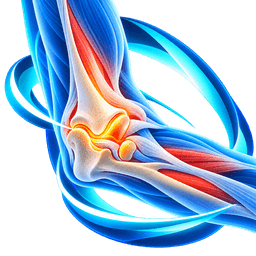
Total Ankle Replacement in Turkey
Total ankle replacement in Turkey is surgery that swaps the worn surfaces of the shin bone and the ankle bone for metal parts with a plastic bearing between them. It eases arthritis pain and keeps the ankle moving, and most patients stay about 7 days.
Partner package
v2 · valid to 30 يناير 2027$10,000 – $15,000
Total Ankle Replacement - All-inclusive package
- In Turkey
- 7 days
- Hospital
- 2 nights
- Follow-up
- 12 months
Key takeaways
- 1Total ankle replacement removes the damaged joint surfaces of the tibia and the talus and fits metal components with a plastic bearing, which relieves arthritis pain and keeps the ankle moving.
- 2The operation takes about 2 hours under general or spinal anaesthesia with a nerve block, and most patients spend 2 nights in hospital before they move to a hotel.
- 3A typical trip for total ankle replacement in Turkey lasts about 7 days, which covers assessment, surgery, 2 hospital nights, a wound check and clearance to fly.
- 4You stay off the foot in a cast or boot for the first weeks, and the main recovery takes about 16 weeks, with gains continuing for up to a year.
- 5Ankle fusion is the main alternative, and the choice depends on your age, bone quality, alignment, activity level and the state of the neighbouring joints.
- 6Modern ankle implants can last 10 years or more in many patients, but they wear, and a later revision or conversion to fusion is possible.
- 7Risks include wound healing problems, infection, loosening, stiffness, nerve irritation, a clot and a fracture around the implant, so choose a high-volume surgeon.
Total ankle replacement in Turkey: an overview
Total ankle replacement is surgery that replaces a worn ankle joint with an artificial one, and doctors also call it ankle arthroplasty in Turkey and elsewhere. This page explains total ankle replacement in Turkey for adults with advanced ankle arthritis who still have a well-aligned, stable foot. The operation takes about 2 hours, you spend 2 nights in hospital, and the main recovery takes about 16 weeks.
What does total ankle replacement fix?
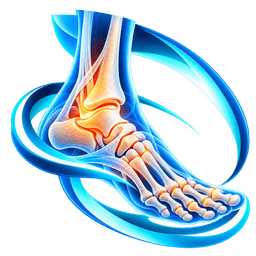
The ankle joint is where three bones meet. The shin bone (tibia) forms the roof and the inner wall of the joint. The ankle bone (talus) sits beneath it, and the outer leg bone (fibula) forms the outer wall. A thin layer of cartilage covers these surfaces and lets them glide. In ankle osteoarthritis, the cartilage wears away. Bone then rubs on bone, and the joint becomes stiff, swollen and painful, especially on slopes and uneven ground.
Ankle arthritis often follows an old injury. Many patients had a broken ankle or repeated sprains years ago, so it is called post-traumatic arthritis. Inflammatory arthritis, such as rheumatoid arthritis, can cause the same problem. Total ankle replacement removes the damaged surfaces and fits a new joint that still bends up and down.
How does the operation work?
Your surgeon works through a cut at the front of the ankle. They cut a thin slice from the bottom of the tibia and the top of the talus. They then fit a metal tibial component and a metal talar component. A smooth polyethylene (plastic) bearing sits between them and lets the joint glide. The surgeon checks the balance of the ligaments and the alignment of the foot. They may add a small extra procedure, such as an Achilles lengthening or a ligament repair, to balance the ankle.
What are the alternatives, and how does the Turkey pathway work?
Most people try non-surgical care first. That includes weight control, activity changes, a walking stick, an ankle brace or a rocker-soled shoe, anti-inflammatory medicine and injections. Surgical alternatives include ankle arthroscopy in Turkey for early problems and ankle fusion in Turkey, which joins the bones and removes the painful motion.
The pathway for total ankle replacement in Turkey is simple. You send records for a free review, and we answer within 48 hours. You then travel for about 7 days, with 2 nights in hospital, and you fly home when the wound check clears you. The main recovery takes about 16 weeks. This page gives general information, not personal medical advice. You can also read the Total Ankle Replacement procedure page.
Why patients choose total ankle replacement in Turkey
Patients choose total ankle replacement in Turkey because the operation is technical, and they want a surgeon who does it often, a clear package and a fast date. This section explains what draws people to the option and what to check before you commit.
Why is surgeon experience so important for this operation?
Ankle replacement is less common than knee or hip replacement. Many hospitals perform only a few each year. Results improve when a surgeon performs the operation regularly, because alignment and ligament balance are fine work. Our partner surgeons work in the foot and ankle surgery field. Ask each surgeon how many total ankle replacements they perform each year and how many they have done in total. You can read about our partner surgeons before you decide.
Which implants and techniques are common?
Modern ankle implants have two metal parts and a mobile or fixed plastic bearing. Surgeons choose a system they know well, and many systems have years of published results. Some centres use pre-operative CT scans to plan the cuts, and some use patient-specific cutting guides. Ask which implant system your surgeon uses, how long it has been on the market and whether the hospital records its serial number in your notes. Ask too whether the operation includes extra steps such as an Achilles release or a bone graft.
What does one coordinated pathway give you?
- A free review of your records, with an answer within 48 hours.
- A personal coordinator and an interpreter for your visit.
- Airport and hospital transfers.
- A written fixed-price package with validity dates.
- 12 months of remote follow-up after you return home.
Which cities and flights make it easier?
Turkish Airlines flies direct to Istanbul from many European, Gulf and North American cities. Flights take about 4 hours from London and 3 hours from Frankfurt. Our current partner hospitals for this operation are in Istanbul, Ankara, Izmir and Antalya, so you can choose the setting that suits your recovery. Our guide why Turkey explains the wider reasons patients travel here.
Accredited hospitals
JCI or equivalent accreditation with dedicated international patient departments.
High-volume surgeons
Fellowship-trained subspecialists who perform this operation weekly.
Fixed-price packages
Surgeon, implants, hospital stay, transfers and follow-up in one price.
Direct flights
Istanbul connects to 300+ destinations; Antalya and Izmir add coastal recovery.
What the total ankle replacement package in Turkey includes
Inclusions are contractually fixed with the partner hospital. Compare like with like when you evaluate other quotes.
Included
- Surgeon and anaesthetist fees
- Implant and consumables
- 2 nights private room
- Pre-operative tests
- In-hospital physiotherapy
- Airport and hospital transfers
- Coordinator and translation
- 12-month remote follow-up
Not included
- Flights
- Hotel
- Companion costs
- Travel insurance
Implant assumption
two- or three-component total ankle prosthesisOther packages
- Total Ankle Replacement - Premium package$11,500 – $17,250
Total ankle replacement cost in Turkey compared with other countries
The total ankle replacement cost in Turkey depends mainly on the implant system, the extra procedures your ankle needs and the nights you spend in hospital. A Turkey package usually bundles the surgeon, the hospital, the implant and your coordination in one written quote. Use the live price comparison chart on this page to see current figures, and read our total ankle replacement cost guide for more detail.
What drives the cost of total ankle replacement?
An ankle implant is a precision device, so it makes up a large part of the cost. The final price depends on several factors:
- The implant system and its components, and whether the plastic bearing is fixed or mobile.
- Extra procedures such as an Achilles lengthening, a ligament repair or a bone graft.
- CT planning and patient-specific guides, if your surgeon uses them.
- Operating time and anaesthesia, including the nerve block.
- Room category and the 2 hospital nights.
- Physiotherapy, a cast or boot and crutches or a knee scooter.
- Hotel nights, transfers and coordinator support.
How is a Turkey package built, and why is it lower?
A package groups the main elements into one fixed offer. You see what is in it and what is not before you commit. Prices in Turkey are generally lower than in the UK, US or Germany for reasons unrelated to safety. Salaries and running costs are lower, hospitals work at high volume, and the exchange rate favours visitors who earn in pounds, euros or dollars. Hospitals still hold a Ministry of Health licence and follow national rules on infection control and implants.
A lower cost does not make an operation better. The comparison only helps if you check the same items in each quote.
What should you compare between quotes, and what hidden costs exist?
Ask each provider the same questions. Which implant system is it, and is it included? Does the quote include a CT scan, the extra procedures and the 2 nights? Who pays if you need a longer stay or a second operation? Does it include physiotherapy equipment and a wound check before you fly?
Hidden costs often include extra hospital nights, bone graft, private room upgrades, medicines beyond the discharge supply, knee scooter hire and travel insurance. Ask for these in writing. You can request a personal quote through our quote form, and a coordinator will explain every line.
Typical self-pay range by country
Total ankle replacement in Turkey vs the UK, US and Germany
Total ankle replacement in Turkey compares well with the UK, the US and Germany on waiting time, surgeon choice and total cost. Care at home keeps an edge for local follow-up and insurance cover. The right choice depends on your health, your insurance and how easy it is to travel.
How do the countries compare for total ankle replacement?
| Factor | Turkey | UK | US | Germany |
|---|---|---|---|---|
| Waiting time | Usually weeks once records are cleared | Often many months on the NHS, shorter privately | Short with insurance, but approvals can delay | Short, with scheduling that varies by region |
| Cost structure | Fixed package, mostly self-pay | Free on the NHS, private pricing varies | Itemised bills with deductibles | Insurance-led, with co-payments |
| Surgeon choice | Wide choice among foot and ankle surgeons | Few units perform the operation on the NHS | Wide choice, depends on network | Wide choice, depends on insurer |
| Technology | Modern implant systems, CT planning | Modern, but system choice can be narrow | Wide range of systems | Modern and widely available |
| Aftercare | Remote follow-up for 12 months, local physio at home | Local clinic and physio | Local clinic and physio | Local clinic and physio |
| Legal position | Turkish law and contract apply | UK law and NHS or private contract | US law and insurance rules | German law and insurance rules |
Is waiting time the real difference?
For many patients it is. Ankle replacement is a limited service on public systems, and some people wait a long time or get offered fusion instead. Turkey often offers a date within weeks once your CT and X-rays are reviewed. If you have private insurance that covers the operation at home, the gap shrinks.
When is staying home the better choice?
Stay home when your insurer covers the operation and a high-volume ankle surgeon is nearby. Stay home if you need a complex plan, such as a severely deformed foot or multiple joints, because staged care works better with one local team. A surgeon who knows your foot can also follow your recovery in person. Our guide on questions to ask before surgery abroad helps you weigh both options.
What about insurance and legal protection?
Home insurance rarely covers complications that follow surgery abroad. Ask your insurer what it covers, and buy travel insurance that includes surgical complications and an extra flight. The contract you sign in Turkey falls under Turkish law, so read it carefully and keep every document, including your implant card.
Is total ankle replacement in Turkey right for you?
Total ankle replacement in Turkey suits adults with advanced ankle arthritis, a reasonably straight and stable foot, good bone and good blood flow, after conservative care has failed. It does not suit everyone, and some people do better with a fusion. Your surgeon decides after reviewing your scans and examining your alignment.
Who is a good candidate to travel?
- You are an adult with ankle arthritis seen on X-rays or CT.
- Pain limits walking, stairs, sleep or work, despite 6 months or more of non-surgical care.
- Your foot and leg alignment is straight, or a surgeon can correct it safely.
- The ligaments around the ankle are stable.
- Your bone quality and blood supply are good.
- You do not smoke, or you can stop at least 4 weeks before surgery.
- You are in good general health and can arrange a companion and 7 days away.
Who should not travel for this surgery?
Do not travel if you have an active infection in the ankle or elsewhere, such as a skin ulcer or a dental abscess. Postpone surgery if you have poor circulation in the leg, uncontrolled diabetes, severe nerve disease in the foot, a recent blood clot or unmanaged heart disease. Very heavy people and very active, high-impact people should talk through the risks, because they raise wear and loosening. Surgeons also advise against replacement if the talus has died from poor blood supply, or if the ankle is badly unstable.
What should you try first?
Conservative care works for some people. Lose weight if you carry extra, because every kilo adds load to the ankle. Use a walking stick in the opposite hand, and try a lace-up ankle brace or a rocker-soled shoe. Take anti-inflammatory medicine if your doctor agrees. A corticosteroid or hyaluronic acid injection may calm a flare for weeks to months. Physiotherapy can improve calf and ankle strength. Early disease sometimes responds to arthroscopic cleaning.
What questions should you ask your surgeon?
- Is replacement or fusion better for my ankle, and why?
- Which implant do you use, and how long has it been in use?
- How many total ankle replacements do you do each year?
- Do I need extra procedures, such as an Achilles release or a graft?
- How long until I put weight on the foot, walk and drive?
- What is your plan if the implant fails later?
Our guide on medical record review explains how we check suitability before you book. You may also read about ankle fracture and ankle instability, which often lead to later arthritis.
Best cities in Turkey for total ankle replacement
Our current partner hospitals for total ankle replacement in Turkey are in Istanbul, Ankara, Izmir and Antalya. All four cities have good airports, so choose by travel time, recovery setting and the surgeon you prefer. A flat, step-free hotel matters more than the view.
How do the four cities compare?
| City | Partner hospitals for this operation | Recovery setting | Best for |
|---|---|---|---|
| Istanbul | Yes | Hotels near the hospital, some districts hilly | Direct flights and the shortest journey from Europe |
| Ankara | Yes | Quiet capital, business hotels | A calm setting near major university hospitals |
| Izmir | Yes | Seaside promenade, mild coast | A relaxed recovery with flat paths |
| Antalya | Yes | Resort hotels, warm climate | A resort stay while the ankle rests |
Why choose Istanbul?
Istanbul has two major airports, Istanbul Airport (IST) and Sabiha Gokcen (SAW), and the most direct flights from Europe and the Gulf. For total ankle replacement in Istanbul, the transfer to hospital takes about 45 to 90 minutes depending on traffic. Many streets are steep or cobbled, so choose a hotel with a lift and a flat entrance because you will use crutches or a knee scooter.
Why choose Ankara?
Ankara is the capital and has major university hospitals. The city is quieter than Istanbul and easier for patients who dislike crowds. Flights usually connect through Istanbul, or run direct from a smaller set of cities. It suits a calm, hospital-focused stay.
Why choose Izmir or Antalya?
Izmir and Antalya suit a seaside recovery. Izmir has a flat promenade that works well once you start gentle walks. Antalya has resort hotels and a warm climate, though you must avoid sand and wet decks while the wound heals. Keep the cast dry and raise the foot even in the sun. See our full orthopedics in Turkey overview too.
Hospitals offering total ankle replacement in Turkey
Antalya Yaşam Hospital
Private hospital in Muratpaşa, Antalya, with an orthopedics and traumatology department
BHT Clinic Istanbul Tema Hospital
Large private hospital in Atakent, Küçükçekmece, with an orthopedics and traumatology unit
Biruni University Hospital
University hospital in Küçükçekmece, Istanbul, with a published orthopedics and traumatology department
Surgeons for total ankle replacement in Turkey
Independent profiles with training, memberships, volumes and hospital affiliations.
Preparing for total ankle replacement in Turkey
Good preparation for total ankle replacement in Turkey means sending the right scans, tuning your health, planning how you will move without weight on the foot and setting up a safe home. Most of it takes place in the 4 weeks before you fly. A calm, organised start lowers risk and speeds recovery.
Which records and imaging should you send?
- Weight-bearing X-rays of the ankle and foot, front, side and mortise views.
- Long-leg or hindfoot alignment X-rays, if you have them.
- A CT scan or MRI of the ankle, if you had one.
- Operation reports from any previous ankle or foot surgery, including old plates and screws.
- Your medicine list, allergies and past operations.
- Recent blood tests, and notes on diabetes, heart disease or circulation.
- Photos of your feet from the front and back while you stand.
Our medical record review guide explains how we use these files to prepare your plan.
What tests happen before surgery?
Your surgeon may repeat standing X-rays and order a CT scan in Turkey. You usually have blood tests, an ECG and a chest check, depending on your age and health. A nurse checks the skin over the front of the ankle, because healing in this area is delicate. The anaesthetist reviews your heart and lungs and discusses spinal or general anaesthesia.
What about medicines, smoking and weight?
Never stop a medicine on your own. Ask your surgeon about blood thinners, anti-inflammatory medicines, diabetes drugs, steroid tablets and rheumatoid arthritis drugs. Smoking slows wound healing and raises the risk of skin problems over the ankle, so stop at least 4 weeks before. Good sugar control lowers infection risk. A healthy weight reduces stress on the implant. Treat any skin infection, ingrown nail or dental problem before you travel, because bacteria can spread to a new joint.
How do you prepare your body and home?
Practise using crutches or a knee scooter before you travel, because you will keep weight off the foot for several weeks. Strengthen your arms, core and the opposite leg. Set up a bedroom and a bathroom on one floor, with a shower chair. Remove loose rugs. Plan help with cooking and shopping for 2 to 4 weeks.
Pack loose trousers, a supportive shoe for the other foot, a plastic cast cover for showers, compression socks and your medicine list.
What does a 4-week countdown look like?
- Week 4: send records, confirm your date, book flights and a hotel with a lift, and stop smoking.
- Week 3: review medicines with your surgeon, treat any skin or dental problem and practise with crutches.
- Week 2: arrange travel insurance, order a knee scooter or wheelchair, pack, and tell your employer about leave.
- Week 1: confirm transfers, check your passport and visa, prepare your home and stock the freezer.
Your total ankle replacement journey in Turkey: 7 days, step by step.
A typical timeline. Your coordinator adapts it to your flights, your surgeon's schedule and your recovery.
- Before you travel1Before you travel
Records and planning
You send X-rays, CT and your medicine list. The surgeon reviews them, confirms that replacement suits you and we issue a written package with a fixed date and validity period.
- Day 12Day 1
Arrival in Istanbul
You land at IST or SAW, meet your driver and travel to a hotel near the hospital. You rest, drink water and keep the ankle raised while you recover from the flight.
- Day 23Day 2
Assessment and planning
You meet the surgeon, repeat X-rays or CT and sign consent. The team checks your skin, pulses and alignment, explains the implant and the anaesthetic, and answers your questions.
- Day 34Day 3
Admission and surgery
You fast, arrive at the hospital, receive anaesthesia and a nerve block and have the operation in about 2 hours. You wake in recovery with a splint and a numb leg.
- Day 35Day 3
First night in hospital
Nurses check your toes, give pain relief and blood clot prevention. The leg stays raised, and you rest in bed with ice and regular checks.
- Day 46Day 4
First physiotherapy
A physiotherapist teaches you to move from bed to chair with crutches or a frame, with no weight on the foot. Swelling is common, so you keep the leg elevated. You stay a second night.
- Day 57Day 5
Discharge to the hotel
If your pain is controlled and you move safely, you leave for the hotel with a splint, crutches or a scooter and written instructions. A coordinator checks on you each day.
- Day 6 to 78Day 6 to 7
Wound check and fly home
The surgeon checks the wound, the toes and the circulation, and redresses the splint. If you are cleared, you fly home with airport assistance, an aisle seat and a raised foot.
- Week 29Week 2
Stitches and cast at home
Your local doctor or nurse checks the wound and usually removes stitches at about 2 weeks. A boot or cast follows, and you send photos to us for remote review.
- Weeks 6 to 1610Weeks 6 to 16
Walking and rehabilitation
Your surgeon allows weight-bearing in stages. Physiotherapy rebuilds motion, strength and balance, and we keep in touch for 12 months.
Your hospital stay for total ankle replacement in Turkey
For total ankle replacement in Turkey, you arrive on the morning of surgery and stay 2 nights in hospital. The operation lasts about 2 hours, and you recover with the leg raised and a splint on the foot. Most patients leave on day 2 after surgery.
What happens on admission?
A nurse checks your identity, consent, fasting time and allergies. You change into a gown, and the team marks the correct ankle with a pen. The anaesthetist reviews your health and explains the plan. The surgeon visits you, and an interpreter or coordinator stays with you if you wish.
Which anaesthesia is used?
Most patients have general or spinal anaesthesia, plus a nerve block. With general anaesthesia, you sleep through the operation. With spinal anaesthesia, the lower body goes numb, and you receive sedation. The nerve block is an injection near the nerves at the back of the knee or the thigh, and it reduces pain for many hours after surgery. The anaesthetist advises on the best option for your health.
What does the surgeon do, step by step?
- The team positions you on your back and places a tourniquet on the thigh to limit bleeding.
- The surgeon makes a cut at the front of the ankle, moves the tendons and nerves aside and opens the joint.
- They remove bone spurs and cut a thin slice from the lower tibia and the top of the talus, using guides and live X-ray.
- They test the fit with trial components and check the motion and ligament balance.
- They fit the final tibial and talar components, plus the plastic bearing.
- They add any extra step, such as an Achilles lengthening or a ligament repair.
- They close the wound in layers and apply a padded splint.
What are the first hours like?
You wake in recovery and then go to your room. Nurses check your toes for colour, warmth and feeling. The leg stays raised above heart level to limit swelling. You may feel sleepy or sick, and the team treats this. You start clot prevention, such as leg movement, compression and often a blood thinner.
How do pain control and discharge work?
Pain is usually moderate to strong for the first 48 hours. The nerve block, regular tablets and ice help. Day 1 after surgery brings first physiotherapy. You learn to move without weight on the foot. You go to the hotel when pain is controlled, the toes look healthy, you pass urine and eat, and you move safely with crutches or a scooter. You leave with written instructions, medicines and a contact number.
Recovery after total ankle replacement in Turkey
Total ankle replacement recovery in Turkey takes about 16 weeks for the main phase, and gains continue for up to a year. You keep weight off the foot at first, then move to a boot and walk in stages. Your surgeon sets the exact schedule, and it varies by implant and bone quality.
What does each phase of recovery look like?
| Phase | What you can do | What to avoid |
|---|---|---|
| Days 1 to 5 | Rest, leg raised, move with crutches or a scooter, wiggle the toes | Any weight on the foot, wet splint, long sitting with the foot down |
| Weeks 1 to 2 | Keep the splint on, raise the foot, fly home when cleared, light desk work with the leg up | Driving, standing for long, removing the splint |
| Weeks 2 to 6 | Stitches out, boot or cast, gentle toe work, limited or no weight as instructed | Putting weight early, twisting the ankle, soaking the wound |
| Weeks 6 to 12 | Partial then full weight in a boot, start ankle movement and physiotherapy | Running, uneven ground, forcing the stretch |
| Weeks 12 to 16 | Walk in a supportive shoe, strengthen the calf, cycle and swim gently | Impact sport, heavy lifting, jumping |
| Months 4 to 12 | Return to most daily activity, walks, low-impact sport | High-impact sport, ignoring new pain or swelling |
How do you manage walking aids, wounds and swelling?
Keep the dressing clean and dry until your first check. Use crutches, a frame or a knee scooter until your surgeon permits weight-bearing. Raise the foot above heart level for much of the first 2 weeks. Swelling can last for months, and it rises at the end of the day. Move the toes often to protect circulation.
When can you return to work and drive?
People with desk jobs often return after 2 to 4 weeks if they can raise the foot. Standing jobs usually need 8 to 12 weeks or more. Driving after a right ankle operation typically waits until you walk without a boot, often around 8 to 12 weeks, and a left ankle in an automatic car can be sooner. Your surgeon decides.
When is it safe to fly home?
Most people fly home on day 6 or 7, after the wound check. Clot risk is higher after ankle surgery because the leg is immobile. Walk the aisle when allowed, move the toes, drink water and wear compression socks. Your surgeon may prescribe a blood thinner for the flight. Book an aisle seat with extra legroom, and ask for wheelchair help. Read our guide on flying after surgery for more.
What does physiotherapy involve?
Early work includes toe movement and hip and knee exercises. After the boot phase, you work on ankle motion, calf strength, balance and a normal walking pattern. Cycling and swimming help rebuild fitness. See our rehabilitation guide for the general approach.
Aftercare at home after total ankle replacement in Turkey
Aftercare for total ankle replacement in Turkey continues for 12 months through remote reviews, local physiotherapy, imaging and a record handover to your own doctor. You know what to watch for and whom to call. The schedule below is typical, and your surgeon sets the final plan.
What does the follow-up schedule look like?
- Day 6 to 7: a wound and circulation check in Turkey before you fly.
- About 2 weeks: stitch removal by a local nurse or doctor, with photos sent to us.
- About 6 weeks: a remote review, often with new X-rays, before weight-bearing begins.
- About 3 months: a check on motion, strength and walking.
- 6 and 12 months: X-ray reviews and a final check of your result.
What do wound care, medicines and physiotherapy look like?
Keep the splint or cast dry. Do not soak the foot until the skin closes. Take your pain medicine and clot prevention exactly as prescribed. Book a local physiotherapist before you leave, and give them your written protocol. Wound problems in ankle surgery can start late, so watch the scar for redness, a gap or drainage.
Which warning signs need urgent care?
Contact a doctor the same day if you have any of these:
- Redness spreading up the leg, pus, a wound that opens or a bad smell.
- Fever above 38 degrees Celsius.
- Toes that turn blue, white or cold, or severe numbness.
- A calf that is swollen, hot and painful, which may signal a blood clot.
- Sudden chest pain or breathlessness, which needs an emergency call.
- Pain that rises sharply after it had improved.
How do you hand over your records, and how are problems handled?
You receive an operation report, implant sticker and serial numbers, discharge summary and X-rays on a disk or a secure link. Share them with your own doctor and physiotherapist. Our guide on follow-up after returning home explains the process. If a complication arises, a local clinician treats it, and our coordinator helps arrange a review with your surgeon.
Total ankle replacement in Turkey: results and success rates
Most people who have this surgery report much less pain and better walking, but results differ by patient and by implant. A good result means a steadier, less painful ankle that moves, without new problems. Your surgeon should explain realistic goals before you commit.
How do you measure success?
Surgeons track pain, walking distance, stairs, range of motion and X-ray position of the implant. Many centres use ankle scores that ask how far you walk, whether you limp and how often pain interrupts your day. A good result for you may be a long walk with a family member without needing to stop.
What can you realistically expect?
Most people gain good pain relief and a more natural walking pattern than after fusion. The ankle usually moves less than a healthy one. Many people reach about 20 to 30 degrees of total up and down motion, though this varies widely. Low-impact activity, such as walking, cycling, swimming and golf, usually becomes possible. High-impact sport, such as running or jumping, is generally discouraged.
What affects your result?
Your age, weight, bone quality, alignment, ligament stability and activity level shape the result. Smoking and diabetes raise wound and loosening problems. The surgeon's experience matters, and so does your rehabilitation. Patients who follow the weight-bearing rules heal better.
How long does an ankle replacement last?
Many modern ankle implants last 10 years or more in a large share of patients, and some last much longer. National registries show lower survival than hip or knee replacements, so a later revision or a conversion to fusion is possible. Your surgeon will discuss this honestly. The ankle fusion procedure page explains the fallback option.
Is total ankle replacement in Turkey safe?
Total ankle replacement in Turkey is generally safe when you choose a licensed hospital and an experienced foot and ankle surgeon, and when you follow the aftercare plan. It is a technical operation with real risks, so credentials and volume matter more than with simpler procedures.
Is it safe to have total ankle replacement in Turkey?
The Turkish Ministry of Health licenses hospitals and sets rules for theatres, sterilisation and staffing. Some hospitals also hold Joint Commission International (JCI) accreditation, which is an independent standard for patient safety. Ask your hospital which licences and accreditations it holds, and verify them on the official sites. See our partner hospitals page for details.
How do you check a surgeon and a hospital?
- Ask for the surgeon's training, registration and foot and ankle focus.
- Ask how many total ankle replacements they perform each year and how many in total.
- Ask which implant system they use and whether the hospital records the serial number.
- Ask about infection rates, wound complications and how the unit prevents them.
- Ask who treats you if a problem arises after you leave.
How does the team prevent infection and clots?
The team gives antibiotics before surgery, cleans the skin, uses sterile instruments and tourniquet control, and keeps the dressing sealed. Clot prevention includes early toe and leg movement, hydration, compression and often a blood thinner. Implants carry serial labels that go into your notes and on an implant card, which makes them traceable.
What are the real risks?
- Wound healing problems: the skin at the front of the ankle is thin, and a delay in healing can happen, especially in smokers.
- Infection: superficial infection is more common than deep infection, and a deep infection may need further surgery.
- Loosening or wear: implants can loosen or wear over time and may need revision.
- Instability or malalignment: the ankle may feel unstable or sit at a poor angle.
- Fracture around the implant: a break of the inner ankle bone or the tibia can occur during or after surgery.
- Nerve irritation: numbness or tingling on the top of the foot can last for months.
- Blood clot: uncommon, but serious, which is why we ask you to move and drink water.
- Stiffness or ongoing pain: some people keep stiffness or a little pain.
What are the red flags of a poor provider?
Walk away if a provider promises a perfect result, refuses to name the implant, cannot give case numbers or pushes you to decide fast. Be careful if the quote is vague or the surgeon rarely performs ankle replacement. Use our questions to ask before surgery abroad guide. When you are ready, request a free record review and we answer within 48 hours.
Travel and accommodation for total ankle replacement in Turkey
Travelling for total ankle replacement in Turkey needs a valid passport, a visa or e-Visa where your nationality requires one, a flight that suits a leg in a splint and a hotel near the hospital. Plan for about 7 days, and book flexible tickets in case your surgeon wants you to stay longer.
Do you need a visa?
Many nationalities enter Turkey visa-free for short stays, and many others use the online e-Visa. Rules depend on your passport and can change. Always check the official source, the Turkish e-Visa site, and your own government's travel advice before you book.
How do you fly with a splinted leg?
Flights take about 4 hours from London, 3 hours from Frankfurt, 4 to 5 hours from the Gulf and about 10 hours from New York. Book extra legroom or a bulkhead seat so you can keep the leg straight. Ask for airport assistance, because you cannot walk far on crutches, and Istanbul Airport (IST) is very large. Sabiha Gokcen (SAW) is smaller and sits on the Asian side. Carry your implant card and operation report in hand luggage, because airport scanners may detect metal.
Where do you stay and how do transfers work?
We arrange transfers between the airport, hotel and hospital. Choose a hotel with a lift, a step-free entrance and a roll-in or walk-in shower, and a room where you can raise your leg. Istanbul is on GMT+3 all year, so plan sleep if you cross several time zones. Our travel and accommodation guide has more tips.
What about insurance, companions, money and language?
- Buy travel insurance that covers surgical complications and an extra flight.
- Bring a companion who can carry bags and help in the first week; see our companion guide.
- Carry a card and a little local cash for taxis and pharmacies, called eczane.
- Your interpreter helps in the hospital, and many hotel staff speak English.
Spring and autumn are comfortable. Summer heat can swell the leg, so keep it raised. To start planning, request your personal quote.
Total ankle replacement in Turkey: your questions
Is total ankle replacement in Turkey safe?
How long do you stay in Turkey for ankle replacement?
When can I fly home after total ankle replacement?
Is there an age limit for ankle replacement in Turkey?
How do I choose a hospital for total ankle replacement abroad?
What if a complication arises, and is there a warranty?
Do the doctors speak English, and is there an interpreter?
Do I need a companion for ankle replacement in Turkey?
Do I need a visa for Turkey?
Will total ankle replacement hurt?
When can I return to work and sport?
Is ankle replacement better than ankle fusion?
What happens if something goes wrong when I get home?
Sources for total ankle replacement in Turkey
Peer-reviewed guidance and institutional sources used to write and review this page.
- 01Arthritis of the foot and ankle
American Academy of Orthopaedic Surgeons OrthoInfo, 2025
https://orthoinfo.aaos.org/en/diseases--conditions/arthritis-of-the-foot-and-ankle/
- 02Total ankle replacement
American Academy of Orthopaedic Surgeons OrthoInfo, 2025
https://orthoinfo.aaos.org/en/treatment/total-ankle-replacement-surgery/
- 03
- 04
- 05Turkey travel advice
UK Foreign, Commonwealth and Development Office, 2025
https://www.gov.uk/foreign-travel-advice/turkey
- 06Turkish e-Visa application system
Republic of Turkey Ministry of Foreign Affairs, 2025
https://www.evisa.gov.tr/en/
- 07Patient safety and accreditation
Joint Commission International, 2025
https://www.jointcommissioninternational.org/
Your total ankle replacement in Turkey plan, reviewed by a surgeon.
- 01Upload imaging after you submit; we send a secure link.
- 02A subspecialist reviews and confirms the plan within 48 hours.
- 03You receive a written opinion and a fixed package price with validity dates.
- 04No fee, no obligation.
Prefer to talk? Open the full contact page.
Benchmark prices are estimates from approved records and are not quotes. Turkey partner prices are contracted with validity dates and may change between versions. Medical information on this page is educational and does not replace a consultation with a qualified clinician. .